Table of Contents
Why some foods leave you starving an hour later
I’ll admit it—I used to think a tiny handful of almonds and a diet soda counted as lunch. By 2 p.m., I was elbow-deep in the office vending machine, wondering why my stomach still felt like it was auditioning for a balloon-animal act. Turns out, I wasn’t eating enough of the right stuff. Not just fewer calories, but fewer calories per bite—foods that pack nutrients without packing on empty volume.
This isn’t about restriction. It’s about strategy. When you focus on weight">low-calorie dense foods—foods where most of the weight comes from water, fiber, or protein, not fat or sugar—you can eat more, feel fuller, and still stay within your goals. It’s the difference between nibbling on 100 calories of chips and actually enjoying a 200-calorie bowl of berries with Greek yogurt. One leaves you craving more; the other leaves you satisfied.
What even is calorie density?
Calorie density measures how many calories are in a given weight of food (usually per 100 grams). A candy bar might have 450 calories in 50 grams—that’s dense. A bowl of strawberries? About 32 calories in 100 grams. That’s the kind of math we want on our side.
Foods with high water content—like cucumbers, lettuce, and watermelon—naturally have fewer calories because water adds weight without calories. Fiber-rich foods like broccoli and beans slow digestion, keeping hunger at bay. And lean proteins like chicken breast or tofu help build muscle, which burns more calories even when you’re resting. It’s not magic. It’s just smart eating.
My go-to low-calorie dense foods (that don’t taste like cardboard)
I’m not a fan of “diet food” that tastes like it was engineered in a lab. These are real foods I actually eat—and so do the people in my life who thought healthy eating meant flavorless torture.
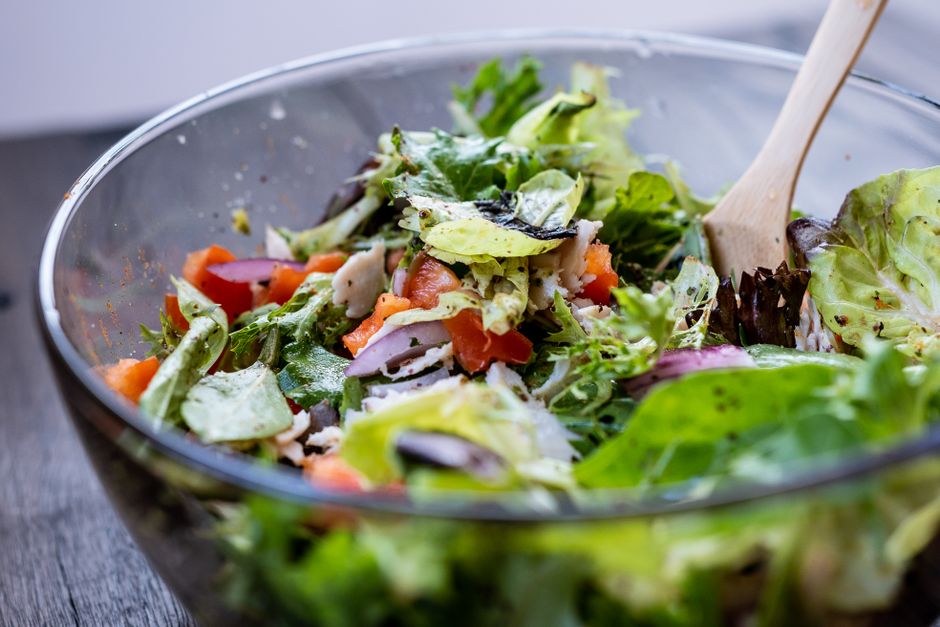
- Non-starchy veggies: Spinach, zucchini, bell peppers, mushrooms. I sauté mushrooms in a little olive oil until they’re golden, add garlic, and suddenly a side dish becomes the star. One cup of raw spinach has just 7 calories. Seven. You could eat a whole salad bowl and still have room for… well, more salad.
- Berries: Strawberries, blueberries, raspberries. I keep a container in the fridge and grab a handful when I want something sweet. A cup of strawberries is about 50 calories. A cup of blueberries? 84. Compare that to a cup of M&Ms, which clocks in at over 1,000 calories. Yeah, math is brutal sometimes.
- Lean proteins: Grilled chicken breast, shrimp, egg whites, tofu. I meal prep chicken breast on Sundays—bake it with salt, pepper, and a squeeze of lemon—and it lasts all week. Three ounces of cooked chicken has about 140 calories. That’s less than half the calories in the same amount of ground beef.
- Soups and broths: Vegetable soup, miso, bone broth. I make a big pot of veggie soup on Sundays and eat it all week. A bowl of minestrone can be under 150 calories. It fills me up because of the broth and fiber, not because of heavy cream or butter.
- Popcorn: Air-popped, no butter. I used to drown mine in melted butter and call it a snack. Now I sprinkle it with nutritional yeast and a pinch of salt. Three cups of air-popped popcorn is about 90 calories. That’s more volume than a bag of chips for a fraction of the calories.
- Cottage cheese: I hated cottage cheese as a kid, but now I eat it with pineapple or salsa. Half a cup is about 110 calories and packed with protein. It’s like eating a savory yogurt that actually keeps me full.
- Seafood: Cod, tilapia, shrimp. I grill shrimp with lemon and garlic and toss it into salads or stir-fries. Three ounces of cooked shrimp has about 80 calories. That’s less than a single slice of pepperoni pizza.
How to use them without feeling deprived
I used to think eating “healthy” meant eating tiny portions. But that just made me hangry and resentful. Now I build meals around low-calorie dense foods and use the rest to add flavor and satisfaction.
For example, I make a big veggie stir-fry with bell peppers, broccoli, snap peas, and mushrooms. I add a small portion of lean protein—like shrimp or chicken—and a drizzle of sauce. The veggies take up most of the plate, so I’m eating a large volume of food for fewer calories. The protein keeps me full, and the sauce makes it taste good. Win-win.
Another trick? Start meals with a broth-based soup or salad. I always have a big container of vegetable soup in the fridge. I eat a bowl before dinner, and I automatically eat less of the main course. It’s not about restriction—it’s about giving your stomach a head start.
And if you’re craving something crunchy? Swap chips for veggie sticks with hummus. One medium carrot has about 25 calories. A single serving of potato chips? 150. You’re still getting crunch, but you’re not paying the calorie penalty.
When low-calorie dense foods backfire
Here’s the thing: even the best foods won’t help if you’re not eating enough overall. I learned this the hard way when I tried to live on salads and air-popped popcorn. I was hungry all the time, my energy was tanking, and I was miserable. Turns out, I needed more calories—just from the right sources.
If you’re constantly starving, it’s not a willpower issue. It’s a strategy issue. Make sure you’re eating enough protein, fiber, and healthy fats to keep you full. And don’t be afraid to add a little fat—like avocado or olive oil—to your meals. Fat adds flavor and satisfaction, and it’s not the enemy. It’s about balance.
Also, watch out for “health halos.” Just because something is low-calorie doesn’t mean it’s good for you. Sugar-free pudding? Still a processed food. Veggie chips? Often just potato chips in disguise. Stick to whole, minimally processed foods whenever possible.
Putting it into practice: a sample day
Here’s what a typical day looks like for me now—no extreme restrictions, just smart choices.
- Breakfast: Greek yogurt with berries and a sprinkle of granola. About 250 calories.
- Snack: A small apple with 1 tbsp almond butter. About 150 calories.
- Lunch: Grilled chicken salad with spinach, cucumber, cherry tomatoes, and balsamic vinaigrette. About 350 calories.
- Snack: A cup of air-popped popcorn with nutritional yeast. About 90 calories.
- Dinner: Baked cod with roasted asparagus and quinoa. About 400 calories.
Total: Around 1,240 calories. But I’m not starving. I’m satisfied. And I have energy to spare. That’s the power of low-calorie dense foods.
Why this works for real life
I’m not a nutritionist. I’m a real person who used to struggle with food. I’ve tried every diet under the sun—keto, paleo, intermittent fasting—and none of them stuck because they weren’t sustainable. But this? This is something I can actually live with. It’s not about perfection. It’s about progress.
And if I can do it, so can you. Start small. Swap one high-calorie food for a low-calorie dense alternative. Build from there. You don’t have to overhaul your entire diet overnight. Just make one better choice at a time.
FAQs
Can I really eat as much as I want of these foods?
Not exactly. While low-calorie dense foods are great for volume eating, you still need to pay attention to portions. For example, a whole watermelon is low in calories, but eating the whole thing in one sitting might leave you with a stomachache. Balance is key.
What about protein? Aren’t some high-protein foods also high in calories?
Yes, but protein is still worth it. Lean proteins like chicken breast and egg whites are low in calories and high in protein, which helps keep you full. Even higher-calorie proteins like salmon or lean beef can fit into a balanced diet—just watch your portions.
I don’t like vegetables. How do I make these foods taste better?
Start with what you like. If you hate steamed broccoli, try roasting it with olive oil and garlic. If you think spinach is bland, blend it into a smoothie with banana and almond milk. Experiment with spices, herbs, and sauces. The goal is to make healthy eating enjoyable, not a chore.
Key takeaways
- Low-calorie dense foods are your allies—they let you eat more while consuming fewer calories.
- Focus on water-rich, fiber-rich, and protein-rich foods to stay full and satisfied.
- Don’t fear healthy fats—they add flavor and satisfaction to meals.
- Start small. Swap one high-calorie food for a low-calorie dense alternative at a time.
- Balance is everything. Make sure you’re eating enough overall to fuel your body and keep your energy up.
At the end of the day, this isn’t about deprivation. It’s about abundance—the abundance of real, satisfying food that actually works with your body, not against it.
Scientific References & Authority Sources
Medically Reviewed & Fact-Checked
This article has been reviewed and fact-checked by a Board-Certified Health & Wellness Coach to ensure compliance with evidence-based scientific guidelines and professional health standards.
Recommended Health & Fitness Gear