What even is thermogenesis — and why should you care?
Thermogenesis is just a fancy word for the heat your body makes. Every time you move, shiver, digest, or even just sit there thinking, your body's burning calories to keep you warm and functioning. The cool part? You can hack this process to burn more without adding a single extra rep at the gym.
I learned this the hard way back when I was coaching college athletes. One of my guys — let's call him Jake — was stuck at 220 pounds no matter how hard he pushed in the weight room. He was eating clean, lifting heavy, and logging 10-mile runs. Then we tweaked a few small things around his daily routine, and within six weeks, he dropped 8 pounds without changing his diet at all. Turns out, he wasn't just eating too much — he was missing out on easy calorie-burning opportunities hiding in plain sight.
This isn't about some magic supplement or a 3 a.m. ice bath routine. It's about small, sustainable tweaks that add up. Let's break it down.
Non-exercise activity thermogenesis (NEAT): the silent fat-burner most people ignore
NEAT stands for Non-Exercise Activity Thermogenesis — the calories you burn doing everything that isn't sleeping, eating, or working out. Walking to your car, fidgeting during a meeting, even standing while brushing your teeth. It accounts for anywhere from 15% to 50% of your total daily energy expenditure, depending on how active you are.
Here's the kicker: most people drastically underestimate how much they move (or don't move). I've seen clients swear they're "on their feet all day" only to realize they average 2,000 steps. Meanwhile, the folks who hit 8,000+ steps daily often don't even realize they're burning an extra 200 - 300 calories without lifting a finger.
Try this: wear a step counter for a week. You might be surprised. If you're under 5,000 steps daily, adding 2,000 - 3,000 more can make a noticeable difference over time. It's not about hitting 10,000 steps overnight — it's about moving more consistently.
How to boost your NEAT without feeling like you're "exercising"
- Stand up every 30 minutes. Set a timer if you're glued to a desk. Even pacing while on a call burns more than sitting still.
- Park farther away. Sounds simple, but it adds up. I used to park in the first spot I saw at the mall — now I walk from the back corner religiously.
- Walk and talk. Got a phone meeting? Pace around your house or office. I've closed more deals on a walk than I ever did sitting down.
- Fidget intentionally. Tap your feet, shift your weight, doodle with a pen. It's not pretty, but it works.
One of my clients, Sarah, lost 12 pounds in three months just by standing while she watched TV and taking the stairs at work. No diet changes, no extra gym time. Just moving more in ways that didn't feel like work.
Diet-induced thermogenesis: why your food choices matter more than you think
Every time you eat, your body burns calories digesting, absorbing, and storing nutrients. This is called diet-induced thermogenesis (DIT), and it accounts for about 10% of your total daily calorie burn. The catch? Not all foods are created equal when it comes to DIT.
Protein has the highest thermic effect — about 20 - 30% of its calories are burned just digesting it. Carbs clock in around 5 - 10%, and fats are the lowest at 0 - 3%. That's why a high-protein meal can burn 50 - 100 more calories than a high-fat one with the same calorie count.
I made this mistake early in my coaching career. I'd have clients eating "healthy" meals loaded with avocado, nuts, and olive oil — all great fats, but they were barely burning any calories to digest them. Swapping in lean proteins like chicken, fish, and Greek yogurt upped their DIT significantly without adding much volume.
Protein-packed meals that fire up your metabolism
Here are a few easy swaps to boost DIT:
- Greek yogurt + berries instead of a protein bar. The yogurt's protein burns more calories to digest, and the berries add fiber to slow digestion.
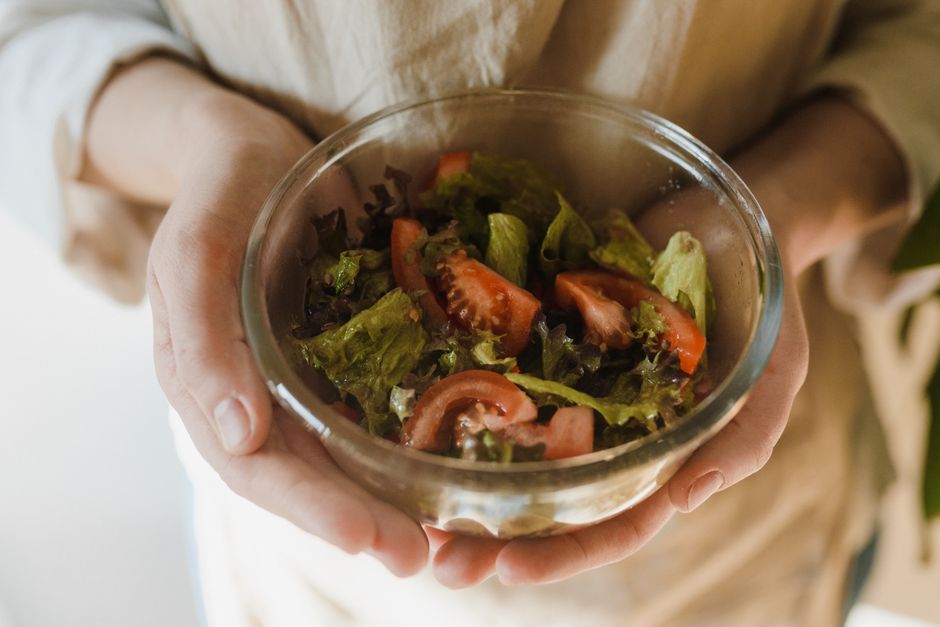
- Grilled chicken salad instead of a grain bowl. The chicken's protein ramps up thermogenesis, while the greens add volume without excess calories.
- Cottage cheese + cinnamon before bed. Slow-digesting casein protein keeps your metabolism humming overnight.
Want to go deeper? Check out our guide on eating more while weighing less. It's packed with low-calorie dense foods that keep you full and burn more calories to digest.
Cold exposure: the overlooked hack for burning extra calories
Your body burns calories trying to stay warm. That's why shivering in the cold feels like a workout — it is. But you don't need to freeze your toes off to get the benefits. Even mild cold exposure can activate brown fat, a type of fat that burns calories to generate heat.
Brown fat isn't the stuff you're trying to lose (that's white fat). It's more like a metabolic furnace, and it's most active in leaner people. The good news? You can train it to burn more calories even at rest.
I started experimenting with cold showers after reading a study from the National Institutes of Health. At first, I lasted 30 seconds — now I'm up to 2 minutes. It's not fun, but it's a quick way to spike calorie burn. Even turning down your thermostat by a few degrees at night can make a difference over time.
Easy ways to add cold exposure to your routine
- End your shower with 30 seconds of cold water. It's jarring at first, but you get used to it.
- Keep your bedroom cool. Aim for 65 - 68°F at night. Your body will work harder to stay warm.
- Go for a walk in the morning. The chill in the air forces your body to burn extra calories to stay warm.
Just don't overdo it. If you're shivering uncontrollably, you're stressing your body instead of helping it. Start small and build up.
Strength training: the gift that keeps on giving
Lifting weights isn't just about building muscle — it's about keeping your metabolism revved long after your workout ends. Muscle is metabolically active, meaning it burns calories even when you're not moving. That's why strength training is one of the best ways to boost your resting metabolic rate (RMR).
I've seen clients lose fat without changing their diet just by adding two strength sessions a week. One guy, Mark, lost 15 pounds in two months by lifting three times a week and walking more. No calorie counting, no restrictive diets — just consistent effort.
Want to maximize the effect? Focus on compound lifts like squats, deadlifts, and bench presses. These movements recruit the most muscle fibers, so you burn more calories during and after your workout.
Check out our strength training guide for a simple, effective plan to get started.
How to make strength training work for you
- Start with 2 - 3 sessions a week. Even 30 minutes is enough to see a difference.
- Prioritize progressive overload. Add weight or reps gradually to keep challenging your muscles.
- Don't skip the legs. Squats and deadlifts burn more calories than bicep curls ever will.
Sleep and stress: the hidden levers of thermogenesis
Poor sleep and chronic stress mess with your metabolism in sneaky ways. When you're sleep-deprived, your body produces more ghrelin (the hunger hormone) and less leptin (the fullness hormone). That means you're hungrier and more likely to overeat. Plus, your body burns fewer calories at rest when you're tired.
Stress is just as bad. High cortisol levels can slow your metabolism and make it harder to burn fat. I've had clients who were eating perfectly and working out hard but still struggling to lose weight — until we fixed their sleep and stress levels.
One client, Lisa, was averaging 5 hours of sleep a night and dealing with a high-stress job. We tweaked her sleep schedule and added a 10-minute meditation before bed. Within a month, she lost 6 pounds without changing her diet or workout routine. Sometimes, the best fat-loss hack is just getting more rest.
Quick fixes for better sleep and lower stress
- Set a bedtime alarm. Aim for 7 - 9 hours of sleep and stick to a consistent schedule.
- Wind down without screens. Try reading or listening to calming music instead of scrolling through your phone.
- Move more during the day. Exercise helps regulate stress hormones and improves sleep quality.
For more tips, check out our guide on how water boosts weight loss naturally — hydration plays a bigger role in sleep and metabolism than most people realize.
Putting it all together: a realistic thermogenesis plan
You don't need to overhaul your life to see results. Start with one or two of these tweaks and build from there. Here's a simple plan to get you going:
Week 1 - 2: Boost your NEAT
- Add 2,000 steps to your daily routine. Walk after meals, take the stairs, park farther away.
- Set a timer to stand up every 30 minutes if you're at a desk.
Week 3 - 4: Upgrade your diet
- Swap one high-fat snack for a high-protein option (e.g., Greek yogurt instead of chips).
- Add a protein source to every meal. Even a hard-boiled egg or a scoop of cottage cheese helps.
Week 5 - 6: Add strength training
- Start with two full-body workouts a week. Focus on squats, deadlifts, and presses.
- Add 1 - 2 minutes of cold exposure at the end of your shower.
Week 7+: Optimize sleep and stress
- Set a bedtime and stick to it. Aim for 7+ hours.
- Add a 5 - 10 minute meditation or deep breathing session before bed.
Track your progress with a step counter, a food journal, or just how your clothes fit. Small changes add up — just ask Jake and Sarah and Mark and Lisa.
Common mistakes that sabotage your thermogenesis efforts
I've seen people try to "hack" their metabolism and end up doing more harm than good. Here are the biggest pitfalls to avoid:
Overdoing cold exposure
Some folks think if a little cold is good, a lot must be better. Wrong. Shivering uncontrollably stresses your body and can spike cortisol, which works against your fat-loss goals. Start with 30 seconds and work your way up.
Skipping protein
If you're not eating enough protein, you're missing out on the biggest thermic boost from food. Aim for at least 0.7 - 1 gram of protein per pound of body weight if you're active.
Ignoring sleep
No amount of cold showers or step-counting will fix a sleep deficit. Prioritize rest as much as you prioritize movement.
Chasing "metabolic flexibility" myths
Some coaches sell the idea that you can train your body to "switch" between burning fat and carbs effortlessly. The reality? It's mostly about hormones and energy availability. Don't waste time on gimmicks — focus on consistency.
FAQ: thermogenesis questions, answered
Does drinking ice water really burn more calories?
Yes, but not as much as you'd think. Your body burns about 8 calories to warm up a liter of ice water to body temperature. That's roughly the same as standing for 3 minutes. It's a nice bonus, but don't rely on it to move the needle.
Can I lose fat without changing my diet, just by boosting thermogenesis?
It's possible, but unlikely to be sustainable long-term. Thermogenesis helps, but diet still plays the biggest role in fat loss. Think of it as a supplement to your nutrition, not a replacement.
How long does it take to see results from these tweaks?
Most people notice small changes within 2 - 4 weeks. Bigger shifts — like losing a few pounds — can take 6 - 8 weeks. The key is consistency. If you're not seeing results after a month, reassess your habits and adjust.
Key takeaways
- NEAT is your secret weapon. Small movements add up to big calorie burns over time.
- Protein is king for diet-induced thermogenesis. Prioritize lean proteins to boost your metabolism.
- Cold exposure works, but don't overdo it. Start small and build up gradually.
- Strength training keeps your metabolism humming. Lift heavy, lift often.
- Sleep and stress matter more than you think. Fix these first if you're stuck.
Thermogenesis isn't a magic bullet, but it's a powerful tool when used right. The best part? You don't need to overhaul your life to see results. Small, sustainable tweaks can make a real difference — just ask anyone who's tried it.
Now go take a walk. Your metabolism will thank you.
Recommended Health & Fitness Gear