Why eating more can actually help you lose weight
Here’s the hard truth: most people trying to lose weight focus on eating less, not smarter. They cut calories so aggressively they end up starving, cranky, and back at square one in a week. I’ve seen it a hundred times—clients come in after a month of nibbling celery sticks and lemon water, wondering why the scale won’t budge. The real trick isn’t eating less; it’s eating foods that fill you up without filling you out.
That’s where low-calorie dense foods come in. These are foods packed with volume and nutrients but light on calories. You can eat a big plate of them, feel satisfied, and still create the calorie deficit needed to lose fat. Think of it like this: swapping a 300-calorie snack of cheese puffs for a 150-calorie bowl of berries and Greek yogurt means you’re eating half the calories but still getting a meal that actually tastes good. That’s a win in my book.
I learned this the hard way back in 2015 when I tried to cut 500 calories a day by eating nothing but rice cakes. By day three, I was hangry, my workouts sucked, and I’d binge on a whole pizza that night. My wife—bless her—pointed out that I was miserable and ineffective. She handed me a list of foods like this one and said, “Eat these instead.” Within two weeks, I’d lost 4 pounds without feeling deprived. Lesson learned: deprivation doesn’t work. Strategy does.
What makes a food low-calorie dense—and why it matters
Low-calorie dense foods are all about water and fiber. Water adds weight and volume without calories, while fiber slows digestion so you stay full longer. Compare a handful of almonds (160 calories) to a bowl of strawberries (50 calories for the same volume). The almonds are calorie-dense—packed with fat and calories in a small space. The strawberries? Mostly water and fiber. That’s why you can eat a whole pint of them and still feel light.
Science backs this up. A 2005 study in the American Journal of Clinical Nutrition found that people who ate low-calorie dense foods consumed up to 25% fewer calories at meals without trying. Another Harvard Health report highlights that foods like vegetables, fruits, and broth-based soups help with weight management by increasing satiety. It’s not magic—it’s physics. More food, fewer calories. That’s how you win.
My go-to low-calorie dense foods (the ones I actually eat)
I keep these staples in my fridge and pantry because they’re versatile, cheap, and keep me full. No weird powders or expensive superfoods—just real food that works.
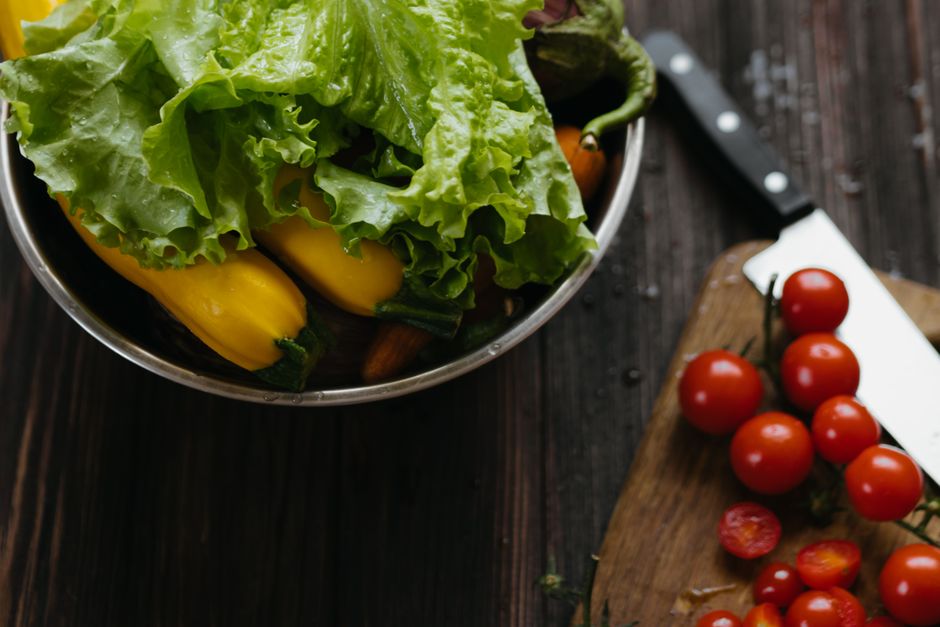
- Non-starchy vegetables: Spinach, zucchini, cauliflower, bell peppers, mushrooms. A whole bag of spinach is 30 calories. You can eat it raw, sautéed, or blended into a smoothie. I throw a handful into every meal—omelets, stir-fries, even on top of pizza. It’s like a freebie.
- Berries: Strawberries, blueberries, raspberries. A cup of strawberries is 50 calories. I eat them frozen as a snack or mixed into Greek yogurt. The fiber slows digestion, so my blood sugar doesn’t spike and crash.
- Broth-based soups: Chicken veggie soup, miso, or bone broth. A bowl of homemade soup is 100-150 calories but fills me up like a full meal. I make a big batch on Sundays and reheat it all week. It’s my secret weapon when I’m trying to eat clean but don’t want to cook.
- Lean proteins: Egg whites, shrimp, chicken breast, white fish. A 4-ounce chicken breast is 120 calories but keeps me full for hours. I grill a bunch on Sunday and add it to salads, wraps, or stir-fries. Protein’s the glue that holds this whole plan together.
- Cruciferous veggies: Broccoli, Brussels sprouts, cabbage. A cup of steamed broccoli is 55 calories. I roast a tray of it with olive oil, salt, and pepper at 400°F for 20 minutes until crispy. It’s like a side dish that doubles as a snack.
- Popcorn: Air-popped, no butter. Three cups is 90 calories. I eat it while watching TV instead of chips. It’s the only “junk food” I allow myself because it’s low-calorie dense and actually healthy.
- Cottage cheese: A half-cup is 90 calories and packed with protein. I eat it with hot sauce for a savory snack or with pineapple for something sweet. It’s one of those foods that sounds weird but works.
I’ll admit, I used to hate cottage cheese. Then I tried it with everything—on toast, in smoothies, even in scrambled eggs. Now it’s a staple. That’s the thing about low-calorie dense foods: they force you to get creative. And creativity makes eating healthy sustainable.
How to use these foods to actually lose weight (without starving)
Here’s the step-by-step plan I give my clients—and use myself. It’s not about perfection. It’s about progress.
- Start with volume at every meal. Fill half your plate with non-starchy veggies before you add anything else. If you’re making a stir-fry, double the veggies and halve the rice. If you’re making a sandwich, pile on the lettuce, tomato, and cucumber. This alone can cut 200-300 calories from your day without feeling like a restriction.
- Swap calorie-dense snacks for low-calorie dense ones. Instead of a 200-calorie granola bar, have 100 calories of berries and Greek yogurt. Instead of 300 calories of trail mix, have 150 calories of air-popped popcorn. The key is to keep the volume similar so your brain registers “fullness.”
- Use soup as a starter or meal replacement. A study in Appetite found that eating a broth-based soup before a meal reduced total calorie intake by 20%. I always have a thermos of soup in my car for when I’m stuck in traffic or at the office. It’s my emergency snack.
- Prioritize protein at every meal. Protein increases satiety more than carbs or fat. Aim for 20-30 grams per meal. If you’re struggling to hit your protein goals, add egg whites to smoothies, cottage cheese to toast, or shrimp to salads. It’s the difference between feeling satisfied and feeling hangry.
- Drink water before meals. Sometimes thirst masquerades as hunger. A glass of water before eating can reduce calorie intake by up to 13%, according to a 2009 study. I keep a 32-ounce bottle with me and refill it every time I walk past my desk. It’s a habit that kills two birds with one stone.
- Plan your meals around low-calorie dense foods. If you know you’re going out to dinner, eat a big salad or soup beforehand. If you’re meal prepping, make sure half your container is veggies. This isn’t about restriction—it’s about setting yourself up for success.
I’ll give you a real example. Last month, a client named Mark was stuck at a weight loss plateau. He was eating 1,500 calories a day but not losing. We swapped his snacks—chips and dip for veggies and hummus, granola bars for Greek yogurt and berries—and added a bowl of soup before dinner. Within two weeks, he’d lost 3 pounds. Not because he ate less, but because he ate smarter.
What to avoid (the calorie-dense traps)
Not all low-calorie foods are created equal. Some foods are marketed as “healthy” but are actually calorie bombs in disguise. Here’s what to watch out for:
- Dried fruit: A cup of raisins is 430 calories. That’s more than a candy bar. Stick to fresh fruit when you can.
- Nuts and seeds: A handful of almonds is 160 calories. They’re healthy, but they’re calorie-dense. Measure them out instead of eating from the bag.
- Granola and protein bars: Many are just candy bars in disguise. Check the label—if it has more than 10 grams of sugar or 200 calories, it’s not a snack. It’s a dessert.
- Fruit juices: A glass of orange juice is 110 calories and has no fiber. Eat the whole fruit instead.
- “Lite” or “low-fat” packaged foods: These often replace fat with sugar or artificial ingredients. Stick to whole foods when you can.
I once had a client who swore by “healthy” protein bars. She ate two a day—300 calories each. When we swapped them for Greek yogurt and berries, she lost 5 pounds in a month. The lesson? Just because it’s marketed as healthy doesn’t mean it’s low-calorie dense.
Putting it all together: a sample day of eating
Here’s what a typical day looks like for me when I’m trying to lean out without feeling deprived. It’s not a diet—it’s a way of eating.
- Breakfast: 3 egg whites scrambled with spinach, mushrooms, and a sprinkle of feta (180 calories). Side of 1 cup strawberries (50 calories).
- Snack: 1 cup air-popped popcorn (90 calories) with a dash of nutritional yeast for flavor.
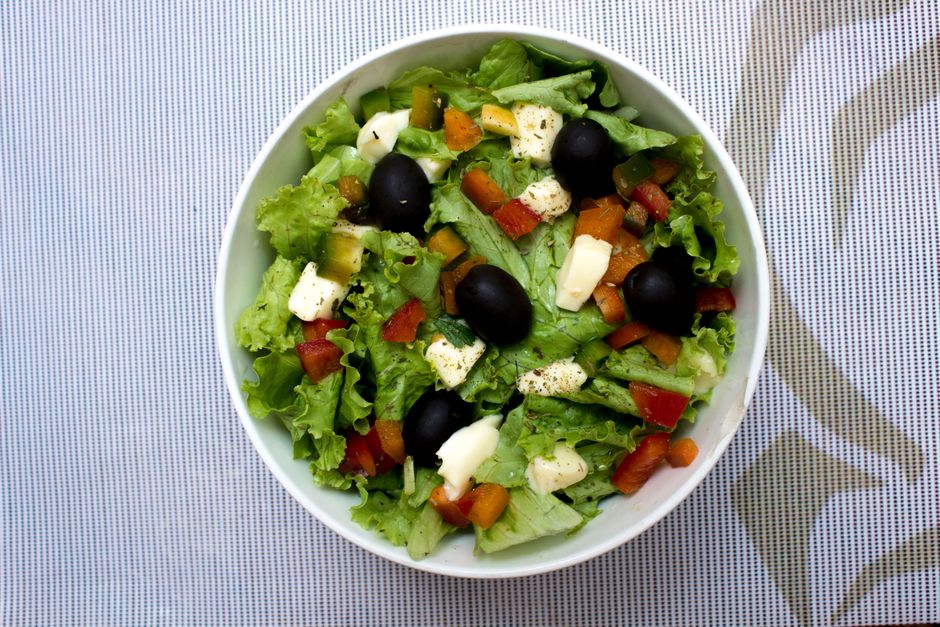
- Lunch: Grilled chicken breast (4 oz, 120 calories) over a big spinach salad with cucumber, tomato, and balsamic vinegar (30 calories). Side of 1 cup miso soup (50 calories).
- Snack: ½ cup low-fat cottage cheese (90 calories) with ½ cup pineapple (40 calories).
- Dinner: Baked salmon (5 oz, 250 calories) with roasted Brussels sprouts (60 calories) and quinoa (110 calories).
- Dessert (optional): 1 square dark chocolate (70% cocoa, 50 calories).
Total calories: ~1,200. Total volume: enough to fill me up. Total satisfaction: high. I’m not starving, I’m not miserable, and I’m not obsessing over food. That’s the whole point.
FAQ: Your low-calorie dense food questions, answered
Can I really eat as much as I want of these foods?
Not exactly. While low-calorie dense foods are your best friends for volume eating, you still need to watch portions. A whole watermelon is low-calorie dense, but eating 5 pounds of it in one sitting isn’t going to help your weight loss goals. Stick to reasonable portions—think cups, not tubs—and balance them with protein and healthy fats.
What if I get bored with these foods?
Boredom is the enemy of consistency. That’s why I rotate my veggies, fruits, and proteins every week. One week it’s roasted cauliflower, the next it’s zucchini noodles. One week it’s chicken, the next it’s shrimp. Spices and sauces are your friends here—hot sauce, garlic, lemon, herbs. They keep food interesting without adding many calories.
Do these foods work for weight maintenance too?
Absolutely. Once you’ve hit your goal weight, you can increase portions slightly or add back some calorie-dense foods like nuts, avocado, or whole grains. The key is to use low-calorie dense foods as your base and build from there. That way, you’re not constantly restricting—you’re just making smart choices.
Key takeaways
- Low-calorie dense foods are your ticket to eating more while losing weight. They’re packed with water and fiber, so they fill you up without filling you out.
- Prioritize non-starchy veggies, lean proteins, and broth-based soups at every meal. These are the foundation of volume eating.
- Swap calorie-dense snacks for low-calorie dense ones. Think berries instead of granola bars, popcorn instead of chips.
- Use these foods to create a calorie deficit without starvation. It’s not about eating less—it’s about eating smarter.
- Plan your meals around these foods to set yourself up for success. Meal prep doesn’t have to be complicated—just make sure half your plate is veggies.
If you’re stuck in a weight loss rut, try this approach for two weeks. Track your food, weigh yourself weekly, and pay attention to how you feel. I bet you’ll be surprised by the results—and by how much you actually enjoy eating this way.
Want more? Check out my guide to eating more and weighing less with low-calorie dense foods. And if you’re curious about how hydration plays into all this, read my water weight loss guide next.
Recommended Health & Fitness Gear