Why eating more can sometimes help you weigh less
I’ll admit it—I used to think the only way to lose weight was to eat less. Like, way less. Salads with dressing on the side, plain grilled chicken, and counting every crumb that crossed my lips. It worked for a while, but then I’d crash and burn, usually with a pint of ice cream in hand and a side of guilt. Sound familiar?
Turns out, I was missing a key piece of the puzzle: low-calorie dense foods. These are the foods that pack a ton of volume and nutrients into relatively few calories. They fill you up without filling you out, and they’re the secret weapon in making sustainable changes that actually stick.
Let me walk you through how to use them without feeling like you’re depriving yourself—and why they might just be the missing link in your weight loss journey.
What even are low-calorie dense foods?
Low-calorie dense foods are those that give you a big bang for your buck—lots of food for relatively few calories. Think veggies, fruits, broths, and lean proteins. These foods are high in water and fiber, which means they take up space in your stomach, trigger fullness signals, and keep you satisfied longer.
For example, a cup of broccoli has about 30 calories. A cup of pasta? Around 200. Same volume, but a huge difference in calories. That’s the magic of calorie density.
And here’s the best part: you don’t have to give up the foods you love. You just learn to balance them with lower-calorie options so your plate feels full, your stomach feels happy, and your jeans don’t feel tight.
How to spot them in the wild
Not all low-calorie foods are created equal. Some are nutrient powerhouses; others are just empty volume. Here’s how to tell the difference:
- High water content: Foods like cucumbers, watermelon, and zucchini are over 90% water. They hydrate you while filling you up.
- High fiber: Broccoli, spinach, and berries are packed with fiber, which slows digestion and keeps you full for hours.
- Lean protein: Chicken breast, egg whites, and Greek yogurt are low in calories but high in protein, which helps control hunger hormones.
- Broths and soups: A warm bowl of vegetable broth has almost no calories but can curb cravings and prevent overeating at meals.
On the flip side, watch out for foods that seem healthy but are actually calorie bombs in disguise—like dried fruit (sugar without the water) or store-bought smoothies (often loaded with added sugars).
My go-to low-calorie dense meals (that don’t taste like cardboard)
A few years ago, I hit a wall with my usual chicken-and-broccoli routine. I was bored, hungry, and ready to throw in the towel. Then I discovered how to make these foods exciting again. Here’s what I eat regularly now:
- Breakfast: A big bowl of Greek yogurt with a handful of blueberries, a sprinkle of cinnamon, and a drizzle of honey. It’s creamy, sweet, and keeps me full until lunch.
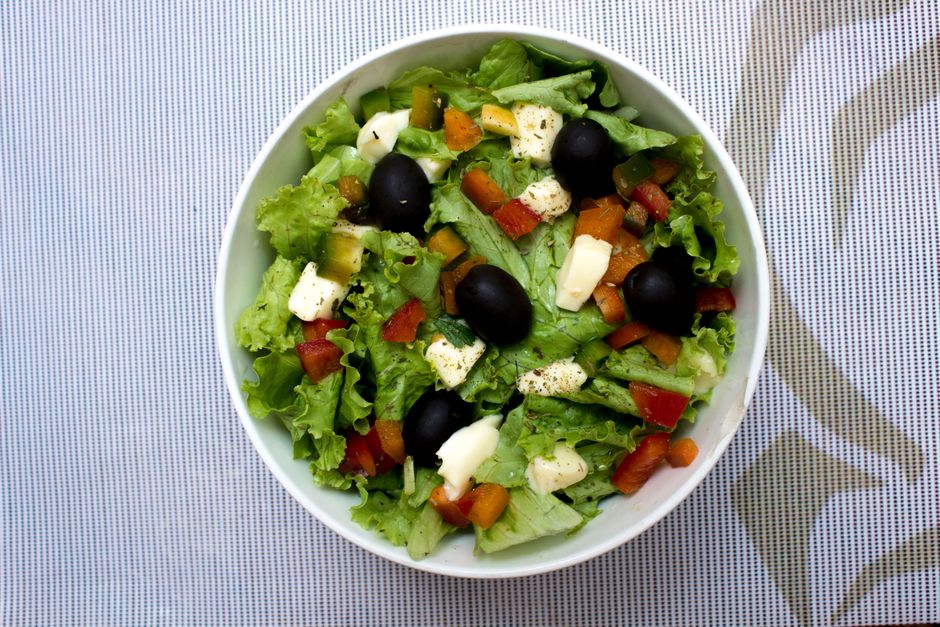
- Lunch: A massive salad with spinach, cherry tomatoes, cucumber, grilled chicken, and a light vinaigrette. I use a fork to mix it so I eat slower and actually taste each bite.
- Dinner: A stir-fry with shrimp, bell peppers, mushrooms, and a splash of soy sauce. I serve it over cauliflower rice to bulk it up without the extra calories.
- Snacks: Sliced apple with a tablespoon of peanut butter, or popcorn (air-popped, no butter) with a dash of sea salt.
None of these meals leave me feeling deprived. In fact, they’re some of my favorites now. The key? Volume eating—filling my plate with foods that take up space but don’t add up in calories.
How to use low-calorie dense foods without feeling like you’re on a diet
If you’ve ever tried to “eat less” to lose weight, you know how miserable it can be. Your stomach growls, your energy crashes, and you end up bingeing on whatever’s in sight. Low-calorie dense foods flip that script. Here’s how to make them work for you:
Start with the base of your plate
Instead of making protein or carbs the star of your meal, start with veggies. Fill half your plate with them, then add a palm-sized portion of protein and a small serving of healthy fats. This simple swap can cut hundreds of calories from your meal without making you feel like you’re missing out.
For example, if you usually have a 6-ounce steak with a side of mashed potatoes, try swapping the potatoes for roasted Brussels sprouts. You’ll still get a hearty meal, but with way fewer calories.
Use them to bulk up your favorite dishes
Craving pasta? Swap half the noodles for zucchini noodles. Love burgers? Try a lettuce wrap instead of a bun. These small changes add up over time and help you enjoy the foods you love without the guilt.
I used to make a killer burger with a whole wheat bun, but now I serve it on a portobello mushroom cap. It’s just as satisfying, but I save about 150 calories per burger.
Don’t forget about volume snacks
Snacking can derail even the best intentions. But if you choose low-calorie dense options, you can munch away without worrying about blowing your calorie budget. Some of my favorites:
- Celery sticks with hummus
- Sugar snap peas with a sprinkle of parmesan
- Pickles (yes, really—they’re low-cal and crunchy!)
These snacks hit the spot when I’m craving something salty or crunchy, and they keep me from raiding the pantry later.
When low-calorie dense foods backfire (and how to fix it)
Here’s the thing: low-calorie dense foods aren’t a magic bullet. If you’re not careful, you can still overeat them—especially if you’re not paying attention to portions or hunger cues. I learned this the hard way after a particularly stressful week when I ate an entire bag of baby carrots in one sitting. (Yes, I’m serious.)
That’s why it’s important to pair these foods with mindful eating. Ask yourself: Am I actually hungry, or am I just bored/stuffed/stressed? If it’s the latter, a handful of carrots won’t fix it. Sometimes, you need to address the root cause instead of just filling your stomach.
Also, watch out for sneaky calories in dressings, oils, and sauces. A tablespoon of ranch dressing can add 70 calories to your salad—more than the veggies themselves! Stick to vinegar-based dressings or use a spray bottle to lightly coat your greens.
Putting it all together: a sample day of eating
Here’s what a typical day looks like for me now, using low-calorie dense foods to stay satisfied without overeating:
- Breakfast: Scrambled eggs with spinach and mushrooms (cooked in a nonstick pan with a spray of olive oil). A side of sliced strawberries.
- Snack: A small apple with a tablespoon of almond butter.
- Lunch: Grilled chicken salad with mixed greens, cherry tomatoes, cucumber, and balsamic vinaigrette.
- Snack: Air-popped popcorn with a dash of sea salt.
- Dinner: Baked salmon with roasted asparagus and cauliflower mash.
Total calories? Around 1,500. But I feel full, energized, and way less obsessed with food than I used to. And the best part? I don’t feel like I’m on a diet. I’m just eating foods that love me back.
FAQ: Your low-calorie dense food questions, answered
Can I really eat as much as I want of these foods?
Not quite. While low-calorie dense foods are great for filling you up, they still have calories. You can eat a lot of them, but you can’t eat unlimited amounts and expect to lose weight. The goal is to use them to crowd out higher-calorie foods, not to eat them mindlessly.
What if I get bored with the same foods over and over?
Totally normal! I rotate my veggies and proteins weekly to keep things interesting. Try roasting, grilling, or air-frying to change up the textures. Spices and herbs are your best friends here—they can make even the simplest veggie taste amazing.
Do these foods work for weight maintenance too?
Absolutely. Once you’ve reached your goal weight, low-calorie dense foods are a great way to stay there without feeling deprived. They help you enjoy bigger portions while keeping calories in check—a win-win for long-term success.
Key takeaways
- Low-calorie dense foods are your allies in weight loss because they fill you up without filling you out.
- Focus on high-volume, high-nutrient foods like veggies, fruits, lean proteins, and broths.
- Use them to bulk up meals instead of restricting yourself.
- Watch out for sneaky calories in dressings and sauces.
- Pair them with mindful eating to avoid overeating.
If you’ve been stuck in the cycle of restriction and bingeing, low-calorie dense foods might just be the missing piece. They’re not about deprivation—they’re about abundance. And who doesn’t want to eat more while weighing less?
Give them a try this week. Start with one meal or snack and see how it feels. You might be surprised at how much you enjoy eating this way.
And if you hit a snag? That’s normal. Just tweak and keep going. This isn’t about perfection—it’s about progress.
Want more ideas? Check out our guide on eating more to weigh less or learn how water can boost your weight loss naturally.
Scientific References & Authority Sources
Recommended Health & Fitness Gear