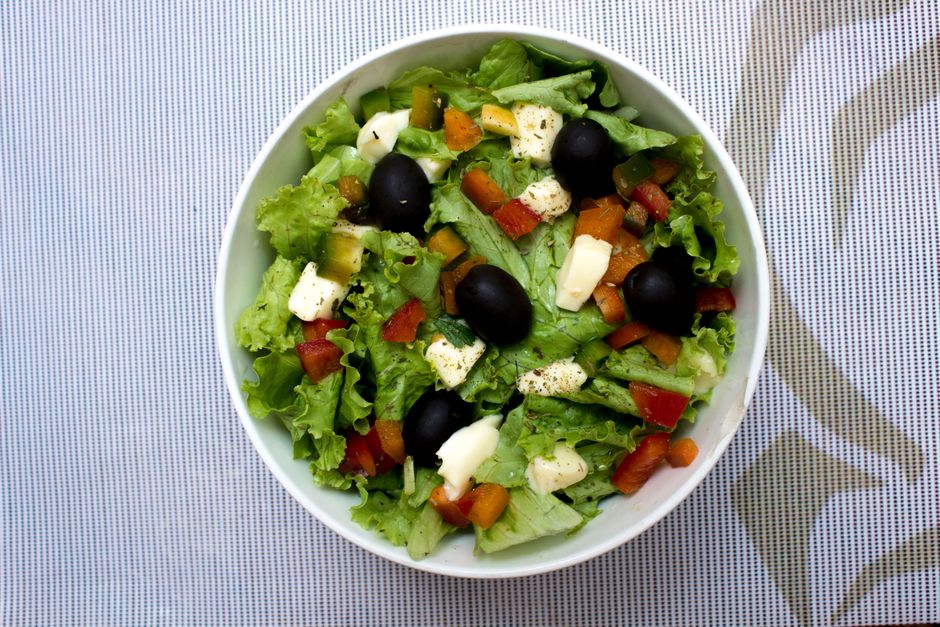
The Science of Eating More While Weighing Less: How Low-Calorie Dense Foods Support Sustainable Weight Loss
Weight loss strategies often emphasize restriction, but emerging research highlights a more sustainable approach: eating more by choosing foods that deliver greater volume for fewer calories. This strategy, rooted in the concept of caloric density, leverages the body’s natural satiety signals to promote fullness without excessive calorie intake. Unlike traditional calorie-counting methods that may leave individuals hungry or deprived, volume eating prioritizes foods that are high in water and fiber while low in energy, making it easier to adhere to a calorie deficit over time.
Foods with low caloric density can play a vital role in weight management by enhancing meal satisfaction and reducing overall energy intake. Individuals who consumed lower-calorie-dense meals reported greater fullness and consumed fewer calories throughout the day. This aligns with guidance from the Harvard T.H. Chan School of Public Health, which recommends prioritizing whole, minimally processed foods to support long-term health and weight goals.
Why Caloric Density Matters for Weight Loss
Caloric density refers to the number of calories per gram of food. Foods with high water content, such as fruits and vegetables, tend to have low caloric density because water adds weight and volume without contributing significant calories. Fiber-rich foods, like legumes and whole grains, further enhance this effect by slowing digestion and promoting satiety. In contrast, calorie-dense foods, such as oils, nuts, and processed snacks, provide a large number of calories in a small volume, making it easy to overeat without feeling full.
The brain’s satiety centers respond more strongly to the physical volume of food than to its calorie content alone. Meals with lower caloric density led to a 20% reduction in subsequent calorie intake compared to higher-calorie-dense meals. This suggests that strategically selecting low-calorie-dense foods can help regulate appetite and support weight loss without the need for strict portion control.
Top Low-Calorie Dense Foods to Prioritize
The most effective low-calorie-dense foods share key characteristics: high water content, fiber, and minimal added fats or sugars. Below is a categorized list of foods that align with these principles, along with their approximate caloric density per 100 grams:
- Non-starchy vegetables: Spinach (23 kcal), broccoli (34 kcal), zucchini (17 kcal), bell peppers (31 kcal). These foods are over 90% water and provide essential vitamins and minerals with minimal calories.
- Fruits: Strawberries (32 kcal), watermelon (30 kcal), apples (52 kcal), oranges (47 kcal). Fruits offer natural sweetness along with fiber and antioxidants.
- Legumes: Lentils (116 kcal), black beans (132 kcal), chickpeas (164 kcal). These are rich in protein and fiber, which enhance satiety and stabilize blood sugar.
- Whole grains: Quinoa (120 kcal), oats (68 kcal), brown rice (111 kcal). Whole grains provide sustained energy and are more satiating than refined grains.
- Lean proteins: Skinless chicken breast (165 kcal), white fish (90 kcal), tofu (76 kcal). Protein increases thermogenesis and helps preserve lean muscle mass during weight loss.
- Broths and soups: Vegetable broth (10-20 kcal per cup), miso soup (35 kcal per cup). Liquid-based meals can reduce overall calorie intake by promoting fullness with minimal energy.
Incorporating these foods into meals can help create larger, more satisfying portions while keeping calories in check. For example, swapping a side of fries (312 kcal per 100g) for a side of roasted Brussels sprouts (56 kcal per 100g) reduces calorie intake by over 80% while increasing meal volume.
Practical Strategies for Volume Eating
Adopting a volume-eating approach requires more than just food selection, it involves meal planning, preparation, and mindful eating habits. Below is a step-by-step protocol to integrate low-calorie-dense foods into daily eating patterns:
Step 1: Audit Your Current Diet
Begin by tracking your meals for three days, noting the caloric density of each food item. Identify high-calorie-dense foods that could be replaced with lower-density alternatives. For instance, replace creamy salad dressings with vinegar-based options or swap sugary cereals for oatmeal topped with fruit.
Step 2: Build Balanced, High-Volume Meals
Structure meals to include at least two low-calorie-dense components. For example:
- A breakfast of Greek yogurt (61 kcal per 100g) with berries (32 kcal per 100g) and a sprinkle of chia seeds (486 kcal per 100g) provides volume and nutrients without excess calories.
- A lunch of grilled chicken (165 kcal per 100g), quinoa (120 kcal per 100g), and steamed vegetables (20-50 kcal per 100g) creates a filling, nutrient-dense plate.
Step 3: Use Volume to Curb Cravings
When cravings strike, opt for low-calorie-dense snacks like cucumber slices with hummus (166 kcal per 100g hummus) or air-popped popcorn (31 kcal per cup). These options satisfy the need for volume while minimizing calorie intake.
Step 4: Optimize Hydration
Water-rich foods contribute to satiety, but hydration status also influences appetite. Aim for at least 2 liters of water daily, adjusting for body size and activity level. The Mayo Clinic recommends increasing water intake during physical activity or in hot climates to support metabolic and digestive processes.
Step 5: Monitor Portion Sizes for Calorie-Dense Foods
While low-calorie-dense foods should form the bulk of your diet, calorie-dense foods like nuts, seeds, and oils can still be included in moderation. Use measuring tools to portion these foods accurately, ensuring they fit within your daily calorie goals.
7-Day Volume Eating Action Plan
The following plan provides a structured approach to incorporating low-calorie-dense foods into your diet. Adjust portion sizes based on individual needs and activity levels.
| Day | Breakfast | Lunch | Dinner | Snacks |
|---|---|---|---|---|
| Monday | Oatmeal with almond milk, strawberries, and flaxseeds | Grilled chicken salad with spinach, cherry tomatoes, and balsamic vinaigrette | Baked salmon with quinoa and steamed broccoli | Apple slices with cinnamon |
| Tuesday | Greek yogurt with blueberries and a drizzle of honey | Lentil soup with a side of whole-grain bread | Turkey chili with black beans and mixed vegetables | Carrot and cucumber sticks with hummus |
| Wednesday | Scrambled eggs with sautéed mushrooms and whole-grain toast | Quinoa bowl with roasted vegetables and tahini dressing | Grilled shrimp with zucchini noodles and pesto | Orange slices and a handful of almonds |
| Thursday | Smoothie with spinach, banana, almond milk, and protein powder | Chickpea and vegetable stir-fry with brown rice | Baked cod with roasted sweet potatoes and asparagus | Celery sticks with peanut butter |
| Friday | Avocado toast on whole-grain bread with cherry tomatoes | Grilled chicken wrap with lettuce, tomato, and mustard | Vegetable curry with cauliflower rice | Grapes and a small handful of walnuts |
| Saturday | Chia pudding with coconut milk and mango | Black bean and corn salad with lime dressing | Grilled steak with roasted Brussels sprouts and mashed cauliflower | Sliced bell peppers with guacamole |
| Sunday | Whole-grain pancakes with fresh berries and a side of turkey sausage | Stuffed bell peppers with ground turkey and quinoa | Baked chicken thighs with roasted carrots and green beans | Pear slices with a sprinkle of cinnamon |
Debunking the Myth: "All Calories Are Equal"\
A common misconception is that weight loss is solely determined by the number of calories consumed, regardless of food quality. While calorie balance is fundamental to weight loss, the source and composition of those calories significantly influence appetite, metabolism, and long-term adherence. For example, a 200-calorie snack of almonds provides protein, healthy fats, and fiber, promoting satiety, whereas 200 calories of soda offers no nutritional value and may trigger subsequent cravings due to rapid blood sugar fluctuations.
Foods with lower caloric density tend to be more satiating, making it easier to adhere to a calorie deficit. Additionally, the Harvard Healthy Eating Plate highlights that nutrient-dense foods support overall health and reduce the risk of chronic diseases, further underscoring the importance of food quality in weight management.
Frequently Asked Questions
Can volume eating work for people with high metabolic demands, such as athletes?
Yes, but it requires careful planning. Athletes may need to incorporate higher-calorie-dense foods, such as nuts, seeds, or healthy oils, to meet energy needs while still prioritizing low-calorie-dense foods for satiety. For example, adding nut butter to oatmeal or avocado to a smoothie can increase calorie intake without significantly reducing meal volume.
Is it possible to overeat low-calorie-dense foods?
While low-calorie-dense foods are less likely to lead to overeating, portion control is still important. For instance, consuming large volumes of raw vegetables may cause digestive discomfort without providing sufficient calories or nutrients. Balance is key, pair low-calorie-dense foods with adequate protein and healthy fats to meet nutritional needs.
How does volume eating affect blood sugar levels?
Low-calorie-dense foods, particularly those high in fiber and protein, help stabilize blood sugar by slowing digestion and reducing post-meal glucose spikes. The Harvard Healthy Eating Plate recommends pairing carbohydrates with protein or healthy fats to further mitigate blood sugar fluctuations.
Can volume eating be combined with intermittent fasting?
Yes, but timing matters. If practicing time-restricted eating, prioritize low-calorie-dense foods during your eating window to maximize satiety. For example, a large salad with lean protein and a variety of vegetables can provide volume and nutrients without excessive calories, making it easier to adhere to fasting periods.
Key Takeaways
- Caloric density determines how full a food makes you feel relative to its calorie content. Foods with high water and fiber content tend to have low caloric density.
- Volume eating leverages low-calorie-dense foods to create larger, more satisfying meals without excess calories, supporting long-term weight loss.
- Prioritize whole, minimally processed foods like vegetables, fruits, legumes, and whole grains to enhance satiety and nutrient intake.
- Balance is essential, incorporate protein and healthy fats to meet energy needs while keeping calories in check.
- Hydration and mindful eating habits further optimize the benefits of volume eating.
Recommended Health & Fitness Gear



Frequently asked questions
Can volume eating work for people with a fast metabolism?
Yes. Volume eating focuses on food choices rather than calorie counting, making it effective for individuals with higher energy needs. The key is ensuring meals are balanced with adequate protein and fiber to support satiety. For example, someone with a fast metabolism might increase portion sizes of vegetables and lean proteins while keeping calorie-dense foods in moderation.
Is it possible to overeat even with low-calorie-dense foods?
Technically yes, but it’s uncommon. Foods like vegetables and broths are so low in calories that it’s difficult to consume enough to exceed energy needs. However, portion control is still important with higher-calorie foods like nuts, seeds, and dried fruits. The goal is to use volume eating as a tool for balance, not an excuse to eat unlimited quantities of any food.
How does volume eating affect muscle retention during weight loss?
Protein is essential for preserving lean muscle mass during a calorie deficit. Volume eating naturally supports this by encouraging the inclusion of lean proteins like chicken, fish, and legumes. Strength training further enhances muscle retention, but even without it, adequate protein intake helps minimize muscle loss. The Mayo Clinic’s nutrition guide emphasizes that protein needs increase during weight loss to support metabolic health.
Can volume eating be combined with intermittent fasting?
Yes. Volume eating can complement intermittent fasting by ensuring meals are nutrient-dense and satiating. For example, a 16:8 fasting window can be broken with a high-volume breakfast like Greek yogurt with berries, followed by balanced meals during the eating window. The key is to avoid high-calorie-dense foods during the eating period to prevent overeating.
The Science-Backed Way to Lose Fat Faster (Without Starving Yourself) Fat loss is often framed as a battle against hu...
Troubleshooting Common Challenges
Even with the best intentions, volume eating can present hurdles. Below are solutions to common issues:
Challenge 1: Feeling Hungry Between Meals
Solution: Prioritize protein and fiber in every meal. If hunger persists, add a low-calorie snack like cucumber slices with hummus or a small handful of berries. Avoid liquid calories like sugary drinks, which can leave you feeling unsatisfied.
Challenge 2: Craving High-Calorie Foods
Solution: Satisfy cravings with nutrient-dense alternatives. For example, swap ice cream for frozen yogurt with berries, or replace chips with air-popped popcorn. The goal is to retrain your palate over time by gradually reducing reliance on hyper-palatable foods.
Challenge 3: Digestive Discomfort from High Fiber
Solution: Increase fiber intake gradually and drink plenty of water. The Mayo Clinic recommends starting with 25–30 grams of fiber daily and adjusting based on tolerance. Probiotics, found in foods like yogurt and kefir, can also support gut health.
Challenge 4: Meal Prep Overwhelm
Solution: Batch-cook vegetables and proteins at the start of the week. Store them in portioned containers for easy assembly. For example, roast a large tray of mixed vegetables and grill chicken breasts in advance to streamline meal prep.
Practical Strategies for Everyday Application
Incorporating low-calorie-dense foods into daily meals doesn’t require drastic changes. Small, consistent adjustments can yield significant results over time. Consider the following tactics:
- Start meals with a broth-based soup or salad. Consuming a low-calorie starter can reduce total meal intake by up to 20%, likely due to stomach stretch and early satiety signals.
- Replace half the grains in a dish with vegetables. For example, mix cauliflower rice with brown rice or add shredded carrots to pasta sauce. This increases volume without sacrificing flavor.
- Use high-water snacks strategically. Snacking on celery with hummus or apple slices with cottage cheese provides crunch and satisfaction with fewer calories than processed alternatives.
- Plan snacks around protein and fiber. Hard-boiled eggs, edamame, or air-popped popcorn (without excessive butter) are portable options that curb hunger between meals.
These strategies use the body’s natural fullness mechanisms, making it easier to adhere to a calorie target without feeling deprived. The focus should remain on sustainable habits rather than short-term fixes.
Building Meals That Fill You Up Without Empty Calories
Designing meals with low calorie density requires a balance of volume, fiber, protein, and water. Start with a base of non-starchy vegetables (e.g., spinach, zucchini, or bell peppers) to create bulk. Add a lean protein source (e.g., grilled chicken, tofu, or lentils) to enhance satiety, and include a small portion of healthy fats (e.g., avocado, nuts, or olive oil) for flavor and nutrient absorption.
For example, a vegetable-heavy stir-fry with shrimp, mushrooms, and snap peas provides a large, colorful plate with minimal calories. A bean-based chili offers fiber and protein to curb hunger, while a fruit salad with Greek yogurt satisfies sweet cravings without excess calories. The goal is to create meals that feel substantial and satisfying, reducing the urge to snack shortly after eating.
The Mayo Clinic notes that this approach can be particularly effective for those who struggle with portion control, as the visual and physical volume of food helps regulate intake naturally. Source.
The science of eating more to weigh less
- Calorie density matters: Foods with high water and fiber content provide volume for fewer calories, making it easier to eat less without feeling deprived.
- Prioritize protein and fiber: These nutrients slow digestion and promote fullness, reducing the likelihood of overeating.
- Half your plate should be vegetables and fruits: This simple rule ensures meals are naturally lower in calories while maximizing nutrients.
- Broths and soups are powerful tools: Starting meals with a low-calorie soup can reduce total calorie intake by up to 20%.
- Hydration and sleep are non-negotiable: Thirst and poor sleep can mimic hunger, undermining even the best meal plans.
- Flexibility is key: Volume eating is adaptable to any dietary preference, as long as the core principles of calorie density and satiety are followed.
Myth: All Calories Are Equal for Weight Loss
A common misconception is that weight loss depends solely on calorie counting, ignoring food quality. However, caloric density and nutrient composition play critical roles in appetite regulation and metabolic health. For example, 100 calories of broccoli and 100 calories of olive oil both fit into a calorie deficit, but the broccoli provides fiber, vitamins, and volume, while the oil offers concentrated energy with little satiety.
Research from the Harvard T.H. Chan School of Public Health emphasizes that food choices influence hunger, fullness, and long-term adherence to a calorie deficit. Prioritizing low-calorie, high-nutrient foods makes it easier to sustain weight loss without constant restriction.


