When less food made me hungrier (and fatter)
I spent years trapped in the ‘eat less, weigh less’ mindset. You know the drill: smaller portions, tiny salads, and pretending I wasn’t starving. But here’s the thing—it didn’t work. Not long-term, anyway. I’d lose a few pounds, then binge my way back up. The cycle was exhausting. Then I stumbled on something that felt backwards: eating more, but smarter.
Turns out, the quality of what you eat matters way more than the quantity. And no, I’m not talking about ‘just eat kale and chicken.’ I mean foods that actually fill you up without spiking your blood sugar or leaving you hungry an hour later. Foods that let you eat until you’re satisfied—without the guilt.
This isn’t another ‘eat all the celery’ hack. It’s about choosing foods that are low in calories but high in volume—foods that take up space in your stomach but don’t wreck your metabolism. And yes, it’s possible to eat more and still lose weight. I’ve done it. Here’s how.
What volume eating really means (and why it works)
Volume eating isn’t about stuffing your face with air or chugging water before meals (though both help a little). It’s about picking foods that give you the most bang for your bite. Think of it like this: 200 calories of broccoli takes up way more room in your stomach than 200 calories of pasta. And because broccoli’s packed with fiber and water, it digests slowly, keeping you full longer.
Here’s the science part: fiber slows digestion, which stabilizes blood sugar and prevents those dreaded crashes that make you raid the pantry. Water-rich foods like cucumbers, zucchini, and melons add bulk without adding many calories. And protein? It’s the ultimate volume booster—it keeps you full and preserves muscle, which is key when you’re trying to lose fat, not muscle.
I tested this myself. For a week, I swapped my usual 400-calorie lunch (a sad little sandwich) for a 400-calorie bowl of roasted veggies, lean ground turkey, and quinoa. The difference? I didn’t snack at 3 PM. I didn’t fantasize about cookies. And I didn’t feel deprived. That’s the magic of volume eating—it tricks your brain into thinking you’re eating more than you are.
Your new grocery list: the best high-volume, low-calorie foods
Not all low-calorie foods are created equal. Some leave you hungry, others keep you full for hours. Here’s what to stock up on:
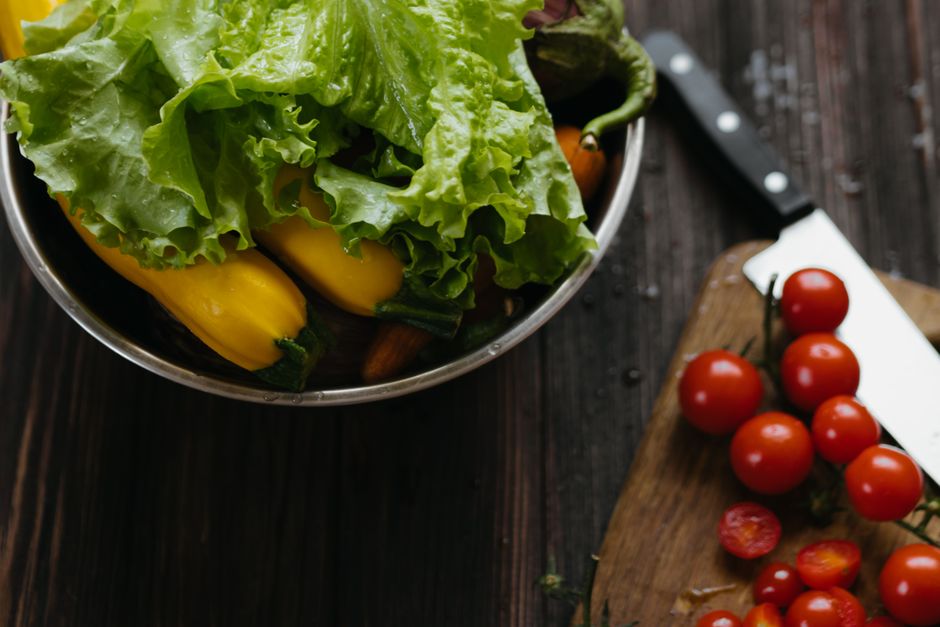
- Non-starchy veggies: Spinach, zucchini, cauliflower, bell peppers, mushrooms. These are basically free calories—you can eat pounds of them and still stay in a deficit.
- Lean proteins: Chicken breast, shrimp, egg whites, Greek yogurt (the plain, high-protein kind). Protein is satiating, and it takes more energy to digest than carbs or fat.
- High-water fruits: Watermelon, strawberries, oranges. They’re hydrating, fiber-rich, and naturally sweet—no sugar crash.
- Whole grains (in moderation): Oats, brown rice, quinoa. They’re more filling than white carbs and keep blood sugar steady.
- Legumes: Lentils, black beans, chickpeas. Packed with fiber and protein, they stretch meals without adding empty calories.
Pro tip: If you’re new to volume eating, start with meals that are at least 50% veggies. Fill half your plate with greens, then add protein and a small portion of carbs. It’s a simple way to eat more without overeating.
How to actually eat more and still lose weight (without going crazy)
Here’s the hard truth: volume eating only works if you’re consistent. And consistency means planning. You can’t just wing it and expect to feel full on air. Here’s my no-BS approach:
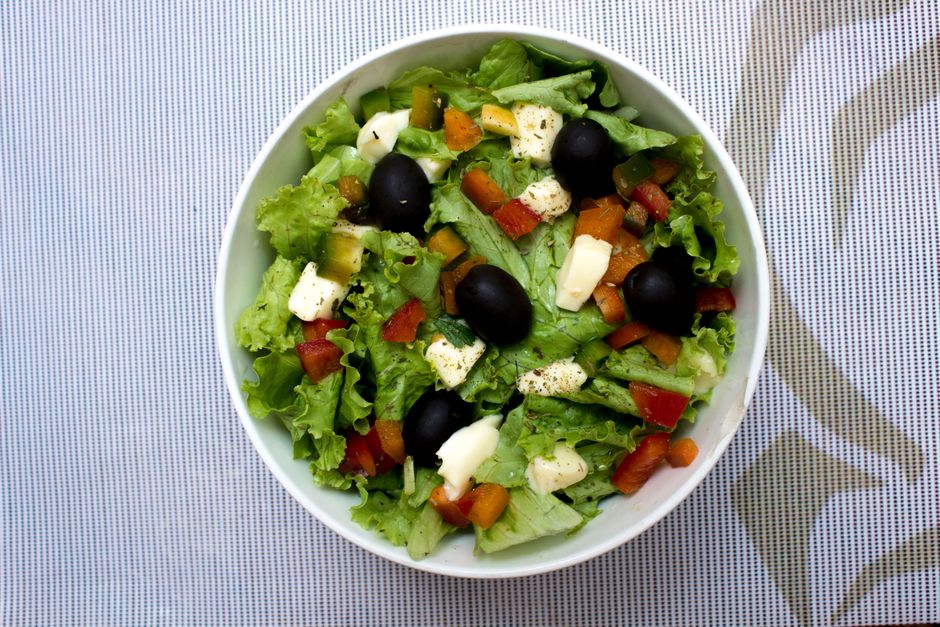
1. Start with soup or salad. A big bowl of broth-based soup or a giant salad with lots of greens fills up your stomach before you even touch the main course. Research shows this can reduce total calorie intake by up to 20%. I keep a big pot of homemade veggie soup in the fridge—it’s my go-to when I’m hungry but trying to stay on track.
2. Use the ‘plate method.’ Divide your plate into thirds: one-third protein, one-third veggies, one-third carbs. This isn’t rocket science, but it works. My husband still laughs at me for measuring his rice with a shot glass, but hey—it keeps him from overeating.
3. Snack on volume foods, not crunchy junk. Instead of chips, try popcorn (air-popped, no butter). Instead of crackers, snack on cucumber slices with hummus. The crunch helps, but the volume fills you up. I used to inhale a bag of popcorn in 10 minutes. Now I measure it out and eat it slowly—weirdly, it’s more satisfying.
4. Drink water before meals. Not diet soda, not juice—water. A glass of water 20 minutes before eating can take the edge off hunger. I used to think I was hungry when I was actually just thirsty. Now I chug water first thing in the morning and before every meal. It’s saved me from countless unnecessary snacks.
When volume eating backfires (and how to fix it)
Volume eating isn’t foolproof. I learned this the hard way when I tried to live off rice cakes and celery sticks. Sure, I was eating ‘low-calorie’ foods, but I was starving. The key is balance—you need protein and healthy fats to stay satisfied, not just fiber.
Another trap? Sauces and dressings. A ‘healthy’ salad can turn into a 500-calorie bomb if you drown it in ranch. Stick to lemon juice, vinegar, or a light drizzle of olive oil. And watch out for ‘health halos’—just because something’s marketed as ‘low-cal’ doesn’t mean it’s filling. I once ate a ‘skinny’ frozen meal that left me ravenous an hour later. Lesson learned.
Putting it all together: my 3-day volume eating meal plan
Here’s what a typical day looks like for me now—no calorie counting, no starvation, just real food that keeps me full:
Breakfast: Greek yogurt (200g) with 1 cup of mixed berries, 1 tbsp chia seeds, and a sprinkle of cinnamon. Total: ~250 calories, but it keeps me full until lunch.
Lunch: Big salad with 4 cups of spinach, 1 cup of grilled chicken, ½ cup of chickpeas, cucumber, tomato, and balsamic vinegar. Total: ~400 calories, but it’s a meal that actually fills me up.
Snack: 1 medium apple with 1 tbsp almond butter. Total: ~150 calories. The fiber in the apple and the fat in the almond butter keep me satisfied until dinner.
Dinner: 5 oz grilled salmon, 2 cups of roasted Brussels sprouts, and ½ cup of quinoa. Total: ~500 calories. I eat slowly, savoring every bite—no rushing, no distractions.
Total for the day: ~1,300 calories. But I’m not starving. I’m not obsessing over food. And I’m losing weight steadily without feeling deprived. That’s the power of eating more (the right way).
FAQ: Your volume eating questions, answered
Can I really eat as much as I want and still lose weight?
No—not if you’re eating junk. Volume eating works because you’re choosing foods that are naturally low in calories but high in nutrients. If you’re eating 2,000 calories of candy, you’re not going to lose weight. But if you’re filling up on veggies, protein, and fiber-rich carbs, you can eat more and still create a calorie deficit. It’s about density, not just quantity.
What if I’m still hungry after meals?
First, check your protein intake. Are you getting enough? Aim for at least 20-30g per meal. Second, drink more water—sometimes thirst masquerades as hunger. Third, slow down. It takes 20 minutes for your brain to register fullness. If you’re inhaling your food, you’ll overeat before you realize you’re full. Try putting your fork down between bites.
Is volume eating sustainable long-term?
For me, yes. It’s not a diet—it’s a way of eating. I don’t feel deprived because I’m not restricting myself. I’m just choosing foods that work with my body, not against it. That said, I still enjoy treats. The key is balance. If I want pizza, I have pizza—but I pair it with a big salad first to take the edge off. It’s about making smart choices most of the time, not being perfect all the time.
Key takeaways
- Volume eating = eating more of the right foods. Focus on high-fiber, high-protein, high-water foods that fill you up without wrecking your calorie budget.
- Start with soup or salad. It’s the easiest way to fill up before the main course and cut total calories without feeling deprived.
- Protein is non-negotiable. It’s the most satiating nutrient, and it helps preserve muscle when you’re in a calorie deficit.
- Drink water before meals. It takes up space in your stomach and can prevent overeating.
- Balance is everything. Volume eating isn’t about restriction—it’s about choosing foods that work for you, not against you.
If you’ve been stuck in the ‘eat less, weigh less’ trap, give volume eating a shot. It’s not a magic bullet, but it’s a sustainable way to eat more, feel full, and lose weight without the constant hunger. And trust me—I’ve tried the other way. This one actually works.
Recommended Reading & Related Insights
- Learn more about how eating more real food helped me lose weight without counting... to optimize your weight loss.
Recommended Health & Fitness Gear