What does a sustainable habit look like in everyday life?
Sustainable habits are small actions repeated over weeks and months that fit naturally into a routine. They do not rely on drastic calorie cuts or short‑term challenges. Instead they build a pattern that feels doable even when motivation dips. A habit becomes sustainable when the behavior itself provides immediate feedback, such as feeling more energetic after a brisk walk or noticing steadier hunger cues after adding vegetables to a meal.
How do attitudes and habits work together when pursuing weight goals?
Shifting attitudes alone rarely creates lasting change because habits act as a boundary condition for intention‑driven actions. When a habit is already established, it can protect the individual from fluctuations in motivation or temptation. Conversely, forming a new habit works best when the environment supports the behavior and when the person experiences a clear benefit soon after performing it.
Can a plant‑focused eating pattern support weight management?
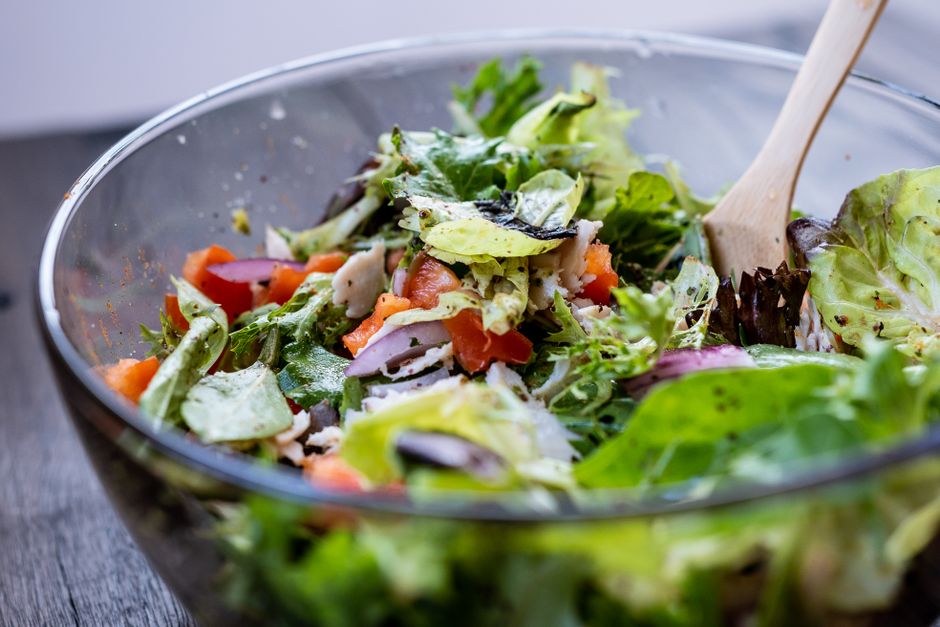
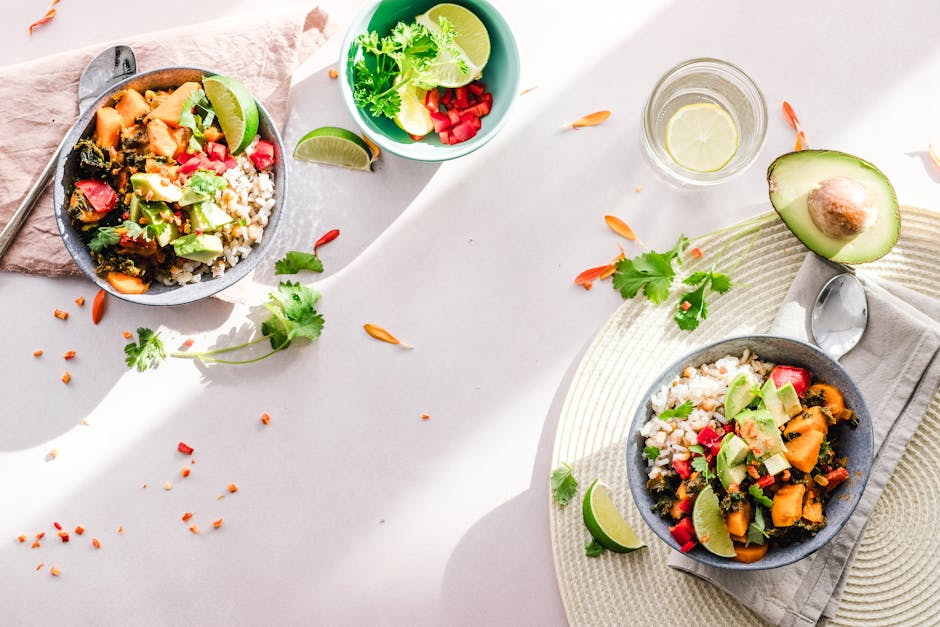
A 2025 systematic review of plant‑based and sustainable diets examined studies that measured BMI and body fat. Despite limited longitudinal data, the review noted that adherence to a healthy plant‑based diet is associated with lower obesity rates. The authors call for more intervention trials to strengthen the evidence, but the current findings suggest that emphasizing vegetables, legumes, whole grains and nuts can be a useful part of a weight‑friendly eating approach.
What does a habit‑based lifestyle program involve in practice?
A 2026 randomized trial tested a six‑month habit‑based program for adults with metabolic syndrome. Participants received education and an activity monitor, plus 19 small‑group meetings focused on establishing four daily behaviors: eating vegetables at meals, taking brisk walks, practicing sensory awareness, and using simple emotion‑regulation techniques. The program encouraged repetition by highlighting immediate benefits and providing peer support. At the 24‑month follow‑up, the habit‑based group showed added benefit for sustained remission compared with education‑only controls.
How do sleep, stress and movement influence steady progress?
Guidance from Harvard T.H. Chan School of Public Health notes that a healthy weight is linked to low risk of weight‑related diseases and that factors such as chronic stress, poor sleep, excessive calorie intake and inadequate exercise contribute to weight gain. The CDC advises that losing weight at a gradual pace of about one to two pounds per week increases the chances of keeping it off, and that a lifestyle incorporating healthy eating patterns, regular physical activity, sufficient sleep and stress management supports a healthy weight.
What practical steps can you start today?
- Add a serving of vegetables to at least two meals each day.
- Schedule a ten‑minute brisk walk after lunch or dinner, noting how you feel afterward.
- Keep a glass of water nearby and sip regularly; replace sugary drinks with herbal tea.
- Set a consistent bedtime routine that aims for seven to eight hours of sleep.
- When stress rises, pause for a minute of slow breathing or a brief stretch before reacting.
Recommended Health & Fitness Gear



What This Means for You
Building sustainable habits does not require perfection; it relies on repetition, immediate feedback and an environment that makes the healthy choice the easy one. Steady, gradual weight change is more likely to endure. Start with one or two of the actions above, observe how they feel, and let the behavior itself reinforce the next cycle.
Further Reading from Health Authorities
- Harvard T.H. Chan School of Public Health -- The Nutrition Source
- MedlinePlus (U.S. National Library of Medicine)
How this article was made
Researched and drafted with AI assistance, then screened by automated checks for originality, exaggerated claims and structure before publishing. No clinician reviewed it, and it is general information rather than medical advice. Read more at About us, or write to us if you spot an error.
Advertising disclosure: the links below are affiliate links. We may earn a commission if you use them, at no extra cost to you. This does not change the article's content, and it is not a medical recommendation.
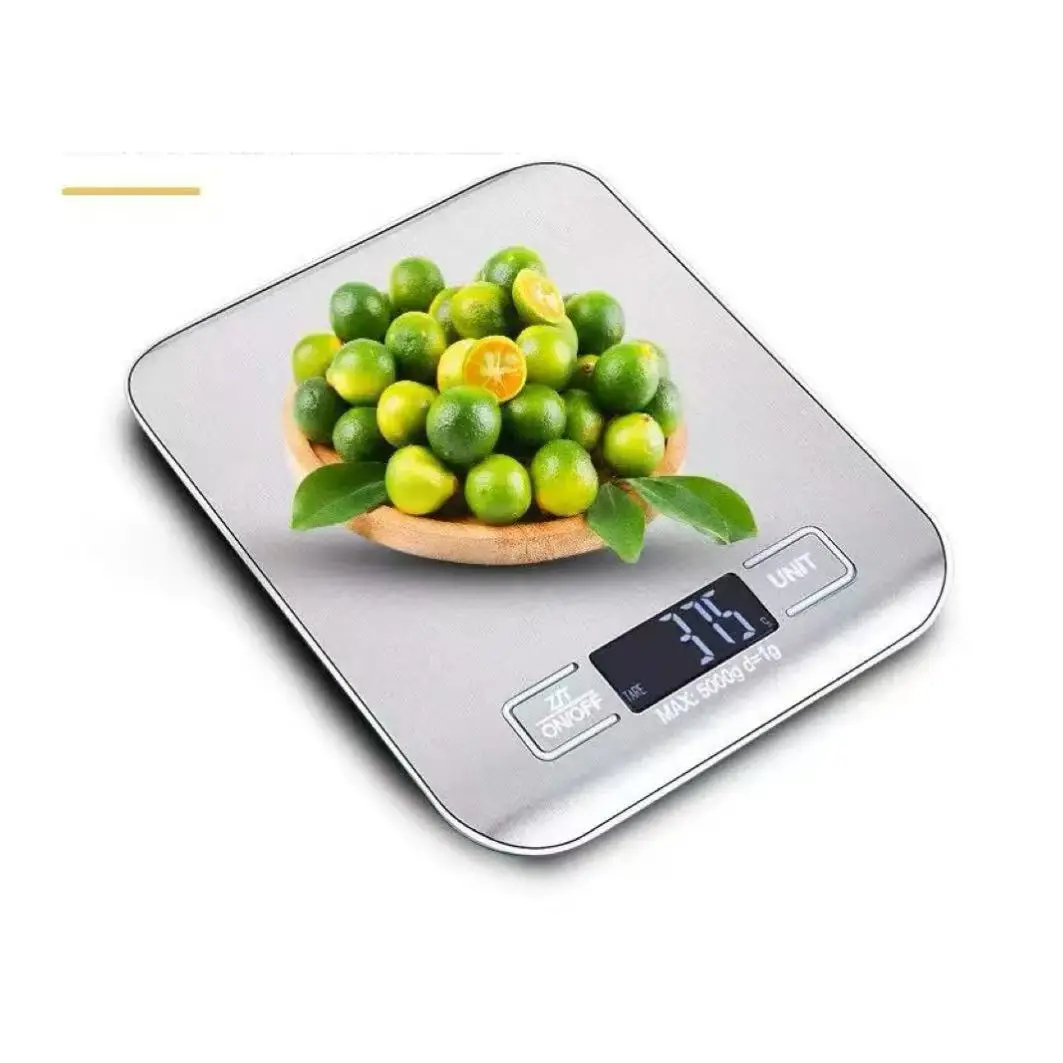
Browse kitchen and portion tools on Amazon
Food scales, portion containers and measuring sets, as an Amazon category search. We have not tested individual products.