Understanding Carb Cycling
Carb cycling means deliberately shifting between higher and lower carbohydrate days rather than keeping intake steady. The idea is to work with the body’s natural fuel‑switching system instead of fighting it. When carbs are plentiful, blood glucose stays stable and liver glycogenolysis slows. When carbs are scarce, the body leans more on fat oxidation and glycogen stores become the limiting factor for intense effort.
How Carbs Influence Energy Stores
During prolonged activity, carbohydrate ingestion reduces liver glycogen breakdown and preserves circulating glucose (Endocrine Reviews, 2026). This helps maintain brain fuel and delays the point where low blood glucose forces a stop. At the same time, the same carbohydrate signal can speed up muscle glycogen use through conserved neuroendocrine pathways, showing that the body constantly balances supply and demand.
When athletes adapt to high‑fat diets, they can oxidize fat at rates comparable to carbohydrate‑fueled peers, even though their glycogen pools are smaller (Endocrine Reviews, 2026). Their performance does not drop because the muscles have learned to pull energy from fat efficiently. This demonstrates that carbohydrate availability is not the sole determinant of endurance capacity.
Hormonal Responses to Carb Fluctuation
Changing carbohydrate intake shifts insulin levels, which in turn affects glycogen synthesis and fat storage. A rise in dietary carbs stimulates insulin, promoting glucose uptake into muscle and liver where it is stored as glycogen (Nutrition Reviews, 2018). On lower‑carb days, insulin falls, reducing the signal to store fat and allowing lipolysis to proceed more freely.
The neuroendocrine response described in the 2026 review also shows that carbohydrate ingestion can blunt exercise‑induced hypoglycemia, a condition linked to fatigue termination (Endocrine Reviews, 2026). By keeping blood glucose steady, the brain receives a steady fuel supply, which helps maintain motivation and effort during longer bouts.
Practical Carb Cycling Approach
Applying carb cycling does not require complex calculations. A simple pattern works for many people who train a few times per week.
Step‑by‑Step Plan
- Identify your training days. On days with intense or long workouts, plan a higher carbohydrate intake to fuel performance and replenish glycogen afterward.
- On rest or light‑activity days, reduce carbohydrate consumption while keeping protein and healthy fats adequate to support recovery.
- Choose carbohydrate sources that are nutrient dense, whole grains, legumes, fruit, and starchy vegetables, so you also get fiber, vitamins, and minerals.
- Monitor how you feel. If you notice excessive fatigue on low‑carb days, increase carbs slightly; if you feel sluggish on high‑carb days, trim the amount or shift the timing to earlier in the day.
- Stay consistent with sleep, stress management, and overall calorie balance. Weight change still depends on the net energy equation, regardless of carbohydrate timing.
This approach mirrors the guidance from the CDC, which notes that gradual, steady loss of about one to two pounds per week improves the chance of keeping weight off (CDC, Healthy Weight Growth).
Myth‑Busting
Myth: Carb cycling burns fat automatically without any change in total calories.
Reality: Fat loss still requires an energy deficit. Shifting carbs influences which fuel the body uses at a given moment, but if total intake exceeds expenditure, weight will not drop (Harvard T.H. Chan School of Public Health, Healthy Weight).
Myth: You must avoid all carbohydrates on low‑carb days to see results.
Reality: Moderate reduction, not elimination, is enough to lower insulin and encourage fat oxidation. Very low carb intake can impair high‑intensity performance and may reduce adherence over time.
Myth: Carb cycling is only for athletes.
Reality: Anyone who varies activity levels can benefit from matching carbohydrate supply to demand. The principles of glycogen replenishment and fuel selection apply to recreational exercisers as well (Sports Medicine, 2015).
Recommended Health & Fitness Gear



Frequently Asked Questions
- Do I need to count grams of carbohydrate each day?
- Not necessarily. Use visual cues: a plate with roughly half grains or starchy vegetables on higher‑carb days, and a quarter or less on lower‑carb days. Adjust based on energy levels and hunger.
- Can carb cycling affect sleep?
- Some people report better sleep when carbs are consumed in the evening because tryptophan transport to the brain improves with insulin release. If you notice disturbances, shift carbs earlier.
- Is there a risk of losing muscle on low‑carb days?
- Adequate protein intake and resistance training protect lean mass. The body can still synthesize muscle protein when amino acids are available, even if insulin is lower.
- How long should I try this before judging results?
- Give the pattern at least four weeks to allow adaptations in enzyme systems and fluid balance to settle. Track trends in weight, energy, and workout performance rather than day‑to‑day fluctuations.
Bottom Line
Carb cycling works by aligning carbohydrate availability with the body’s immediate fuel needs. Higher carb days support intense effort and replenish glycogen; lower carb days encourage fat reliance and modulate insulin. The strategy does not replace the fundamental rule of energy balance, but it can make training feel more effective and help some people stay consistent with a weight‑loss plan. As always, combine any nutrition pattern with sufficient sleep, stress control, and regular movement for the best outcome.
How this article was made
Researched and drafted with AI assistance, then screened by automated checks for originality, exaggerated claims and structure before publishing. No clinician reviewed it, and it is general information rather than medical advice. Read more at About us, or write to us if you spot an error.
Advertising disclosure: the links below are affiliate links. We may earn a commission if you use them, at no extra cost to you. This does not change the article's content, and it is not a medical recommendation.
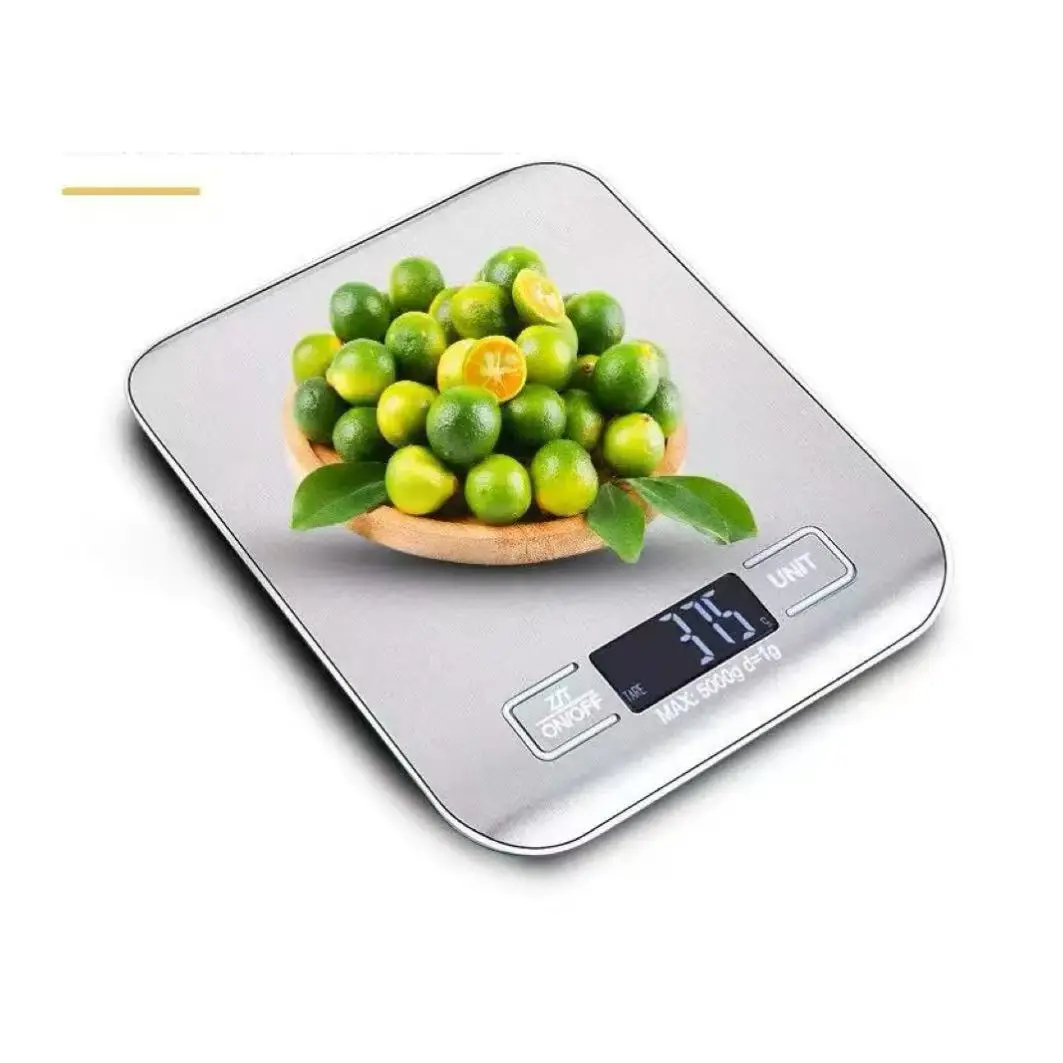
Browse kitchen and portion tools on Amazon
Food scales, portion containers and measuring sets, as an Amazon category search. We have not tested individual products.