Protein and Weight Regulation
Protein influences satiety and can affect body composition. Higher protein intakes improve feelings of fullness and lead to greater reductions in body weight and fat mass compared with standard protein diets Applied Physiology, Nutrition, and Metabolism, 2016. This effect supports weight management without requiring severe calorie restriction.
In addition, adequate protein helps preserve lean muscle during weight loss, which is important for metabolic health Applied Physiology, Nutrition, and Metabolism, 2016. Preserving muscle also counters age‑related sarcopenia.
How Protein Influences Appetite and Muscle
The satiating property of protein stems from its effect on gut hormones that signal fullness to the brain. This physiological response can reduce overall food intake when protein is included in meals.
Beyond appetite control, protein provides the amino acids needed for muscle repair after physical activity. Maintaining muscle mass helps sustain resting energy expenditure, which is beneficial for long‑term weight management.
Recommended Intake Range
The review cited above suggests a range of at least 1.2 to 1.6 g/(kg·day) of high‑quality protein as a more ideal target for optimal health outcomes Applied Physiology, Nutrition, and Metabolism, 2016. This amount exceeds the current Recommended Dietary Allowance but remains within the levels examined in clinical trials.
Consuming protein in this range may help regulate appetite and support fat loss while preserving lean tissue. The guidance does not prescribe a single exact value; individual needs can vary based on activity level, age and health status.
Quality and Distribution
Whole food options such as eggs, fish, poultry, legumes, nuts and dairy provide protein along with other essential nutrients Journal of Dietary Supplements, 2018. These foods deliver vitamins, minerals and fatty acids that supplements often lack.
Protein supplements are processed materials and frequently miss the full nutrient profile of whole foods; they should be used only when dietary intake falls short of needs Journal of Dietary Supplements, 2018. When a supplement is chosen, selecting a product with minimal added sugars and artificial ingredients aligns with a whole‑food approach.
Spreading protein intake across meals, aiming for a moderate amount per eating occasion, can maximize muscle protein synthesis throughout the day. The timing of ingestion and the dose per meal are noted as important considerations in the research.
Practical Steps to Optimize Protein
Start by clarifying your personal motivation for weight management; writing down reasons helps maintain focus CDC, Healthy Weight.
Next, track your current intake for a few days using a simple notebook or app; note protein grams per meal and total daily calories CDC, Healthy Weight.
Adjust portions to reach the target of 1.2 to 1.6 g/(kg·day), distributing the amount evenly across breakfast, lunch and dinner Applied Physiology, Nutrition, and Metabolism, 2016.
Choose primarily whole food sources; if a gap remains, consider a modest serving of a high‑quality protein powder Journal of Dietary Supplements, 2018.
Combine this eating pattern with regular physical activity, adequate sleep and stress management, as advised for healthy weight loss CDC, Healthy Weight.
Monitor progress over weeks rather than days; steady changes in body composition are more sustainable than rapid fluctuations.
Recommended Health & Fitness Gear



Where People Go Wrong
- Relying solely on protein bars or shakes while neglecting fruits, vegetables and healthy fats, which can lead to micronutrient gaps Journal of Dietary Supplements, 2018.
- Consuming very large amounts of protein in a single meal, assuming more is better; excess protein is not stored as muscle and may be used for energy or converted to fat Nature Reviews Endocrinology, 2020.
- Ignoring total calorie balance; weight loss still depends on an energy deficit, so eating more protein without reducing overall intake may not produce fat loss Harvard T.H. Chan School of Public Health, Healthy Weight.
- Overlooking individual health conditions; those with kidney disease should follow personalized protein guidance from a clinician Blood Purification, 2021.
- Following trends that promote extremely high protein intakes without professional oversight; the evidence cautions against excessive consumption due to potential adverse public health consequences Nature Reviews Endocrinology, 2020.
What This Means for You
- Aim for 1.2 to 1.6 g/(kg·day) of high‑quality protein each day, sourced mainly from whole foods.
- Distribute protein across meals to support satiety and muscle maintenance.
- Track intake and adjust portions while monitoring total calories and physical activity.
- Use supplements only to fill shortfalls, not as a primary protein source.
- Consult a healthcare provider if you have kidney or metabolic concerns before changing protein habits.
How this article was made
Researched and drafted with AI assistance, then screened by automated checks for originality, exaggerated claims and structure before publishing. No clinician reviewed it, and it is general information rather than medical advice. Read more at About us, or write to us if you spot an error.
Advertising disclosure: the links below are affiliate links. We may earn a commission if you use them, at no extra cost to you. This does not change the article's content, and it is not a medical recommendation.
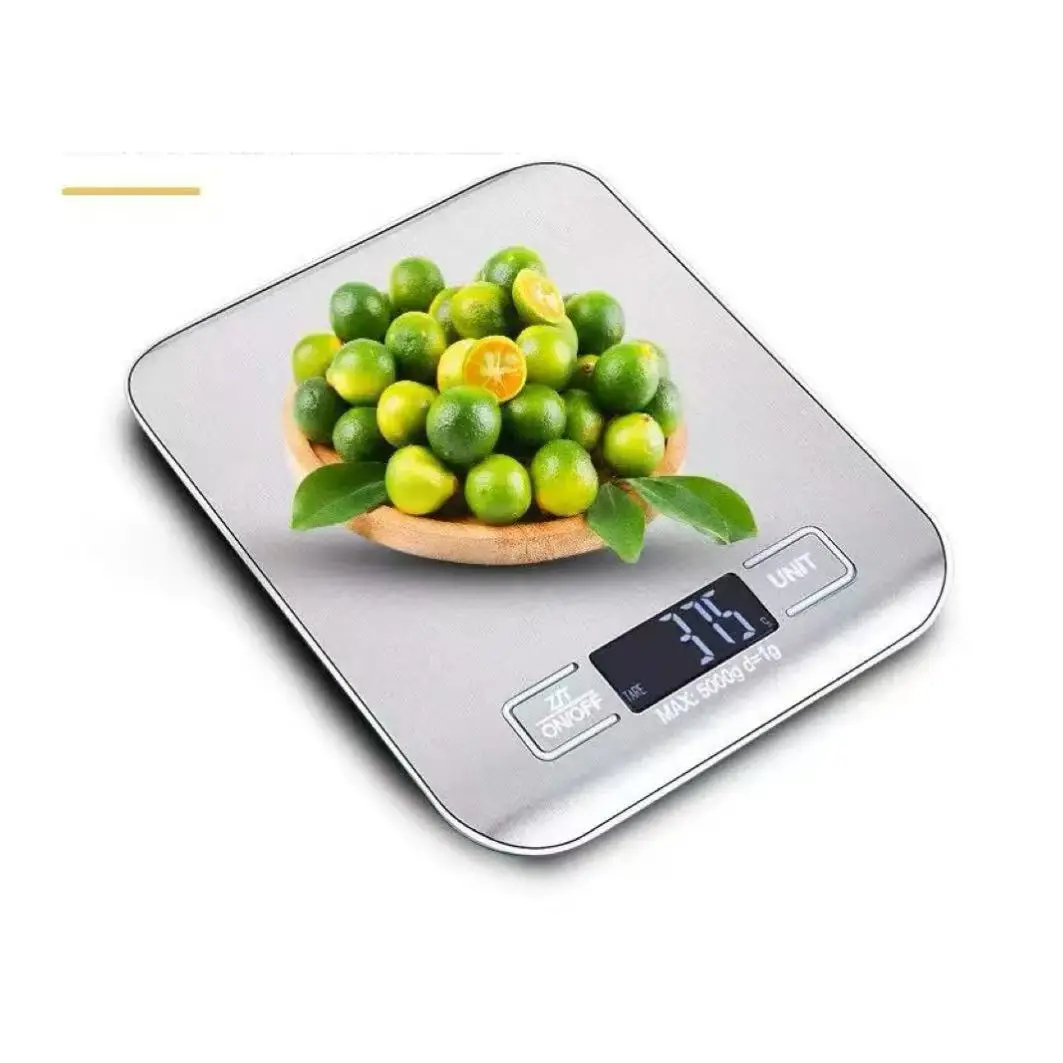
Browse kitchen and portion tools on Amazon
Food scales, portion containers and measuring sets, as an Amazon category search. We have not tested individual products.