
Why food choices matter more with PCOS
Polycystic ovary syndrome (PCOS) isn’t just a hormonal imbalance, it’s a metabolic puzzle where insulin resistance often sits at the center. High insulin levels drive up production of androgens like testosterone, which can stall ovulation, worsen acne, and make weight loss feel impossible. The right foods don’t just cut calories; they blunt insulin spikes, calm inflammation, and help rebalance hormones. A 2025 systematic review found that dietary patterns emphasizing low-glycemic, high-fiber, and anti-inflammatory foods consistently improved insulin sensitivity and hormonal markers in women with PCOS Nutrients, 2025.
Energy balance still dictates outcomes. But in PCOS, the body’s hormonal backdrop changes how efficiently energy is stored, and where. That’s why focusing on food quality isn’t optional. It’s foundational.
Foods that help regulate insulin and reduce cravings
Not all calories are equal when insulin resistance is in play. The goal isn’t just fewer carbs, it’s smarter carbs. Low-glycemic foods release glucose slowly, preventing the sharp insulin surges that feed androgen production and fat storage.
Start with intact whole grains like steel-cut oats, quinoa, and barley. These are rich in fiber, which slows digestion and blunts post-meal glucose spikes. Legumes, lentils, chickpeas, black beans, deliver both fiber and plant-based protein, keeping blood sugar steady for hours. Leafy greens, broccoli, and cauliflower add volume without spiking insulin, while berries provide antioxidants and fiber with minimal sugar.
Healthy fats play a quieter but critical role. Omega-3s from fatty fish like salmon and sardines reduce inflammation and may lower testosterone. Walnuts, chia seeds, and flaxseeds offer plant-based omega-3s and fiber. These fats also promote satiety, making it easier to resist late-night snacking. A 2025 systematic review highlighted omega-3-rich diets as one of the most consistent dietary strategies for improving insulin sensitivity in PCOS Nutrients, 2025.
Protein matters too. Higher protein at breakfast, think Greek yogurt with nuts, eggs with avocado, or tofu scramble, reduces later snacking for many people. It doesn’t require extreme portions. Aim for 20–30 grams per meal, paired with fiber and healthy fats to slow digestion.
What to avoid: the metabolic landmines
Refined carbs and added sugars are the fastest way to reignite insulin resistance. White bread, pastries, sugary cereals, and sweetened drinks cause rapid glucose surges, followed by crashes that trigger hunger and cravings. Ultra-processed foods, even those marketed as “healthy”, often hide refined starches and sugars. Check labels. If you see ingredients like dextrose, maltose, or high-fructose corn syrup, reconsider.
Dairy isn’t universally problematic, but some women with PCOS report worsened acne or hormonal symptoms with high-fat dairy. Skim or low-fat options may be better tolerated. Processed meats, sausages, bacon, deli slices, are linked to higher inflammation and should be limited. Alcohol, especially sugary cocktails and wine, can disrupt blood sugar and increase cortisol, which worsens insulin resistance.
Putting it together: a 7-day food framework
This isn’t a rigid meal plan. It’s a flexible template grounded in the evidence that consistently improves metabolic and hormonal markers in PCOS.
Breakfast
- Option 1: Steel-cut oats with chia seeds, walnuts, and blueberries. Add cinnamon, it may modestly improve insulin sensitivity.
- Option 2: Scrambled eggs with spinach, avocado, and a slice of whole-grain toast.
- Option 3: Greek yogurt (unsweetened) with flaxseeds, raspberries, and a drizzle of almond butter.
Each option delivers fiber, protein, and healthy fats to start the day without a glucose spike.
Lunch
- Option 1: Grilled salmon over quinoa with roasted broccoli and a side salad dressed with olive oil and lemon.
- Option 2: Lentil soup with a slice of whole-grain bread and a small side of arugula salad.
- Option 3: Turkey or chickpea lettuce wraps with hummus, shredded carrots, and cucumber.
Focus on lean protein, fiber-rich carbs, and healthy fats. Skip creamy dressings and croutons that add empty carbs.
Dinner
- Option 1: Baked chicken thighs with roasted Brussels sprouts and mashed cauliflower.
- Option 2: Stir-fried tofu with bell peppers, snap peas, and brown rice.
- Option 3: Grilled shrimp with zucchini noodles and pesto (olive oil-based).
Prioritize non-starchy vegetables for volume and micronutrients. Keep portions of starchy sides modest.
Snacks
- Handful of almonds and an apple.
- Cottage cheese with sliced cucumber and cherry tomatoes.
- Celery sticks with almond butter.
Choose snacks that combine protein, fiber, or healthy fats to avoid blood sugar dips.
When food alone isn’t enough: medications that support weight loss
For many women with PCOS, lifestyle changes aren’t enough to overcome metabolic resistance. In a 2025 randomized controlled trial, adding semaglutide to metformin led to nearly three times the weight loss of metformin alone over 16 weeks, an average of 6.09 kg versus 2.25 kg RB&E, 2025. GLP-1 receptor agonists like liraglutide and semaglutide reduce appetite, slow gastric emptying, and improve insulin sensitivity. They’re not magic, but they can tip the scales when diet and exercise plateau.
These medications are prescribed for obesity or diabetes, not PCOS specifically, but their metabolic effects are well-documented. A 2022 randomized trial found liraglutide 3 mg daily led to a 5.7% reduction in body weight over 32 weeks, compared to 1.4% with placebo, alongside reductions in free androgen index Fertility and Sterility, 2022. The trade-off? Gastrointestinal side effects like nausea, which often ease over time.
Metformin remains a first-line option for insulin resistance, especially in women with prediabetes. It modestly supports weight loss and may improve menstrual regularity. But for those who need more, GLP-1 agonists are increasingly part of the conversation.
Myth-busting: what really works, and what doesn’t
“Cutting carbs completely will fix PCOS.”
Ketogenic diets can help some women with PCOS lose weight and reduce testosterone, but the evidence is mixed and sustainability is low. A 2025 systematic review noted that while low-carb diets improved insulin sensitivity, Mediterranean and low-glycemic diets showed more consistent benefits across metabolic and reproductive outcomes Nutrients, 2025. Extreme carb restriction isn’t necessary, and may backfire if it leads to binge eating or nutrient deficiencies.
“Dairy causes PCOS.”
No. Dairy doesn’t cause PCOS. But some women report worsened acne, bloating, or hormonal symptoms with high-fat dairy. Skim or low-fat options may be better tolerated. Individual tolerance varies, track your symptoms.
“You have to eat ‘clean’ to see results.”
“Clean” is a marketing term, not a medical one. What matters is consistency in food quality, portion control, and metabolic response. A balanced plate with protein, fiber, and healthy fats works better than rigid rules.
Troubleshooting: when the scale won’t budge
If you’ve been eating well for 4–6 weeks and still aren’t losing weight, consider these possibilities:
- Hidden carbs: Check sauces, dressings, and processed foods. A single tablespoon of ketchup can add 5 grams of sugar.
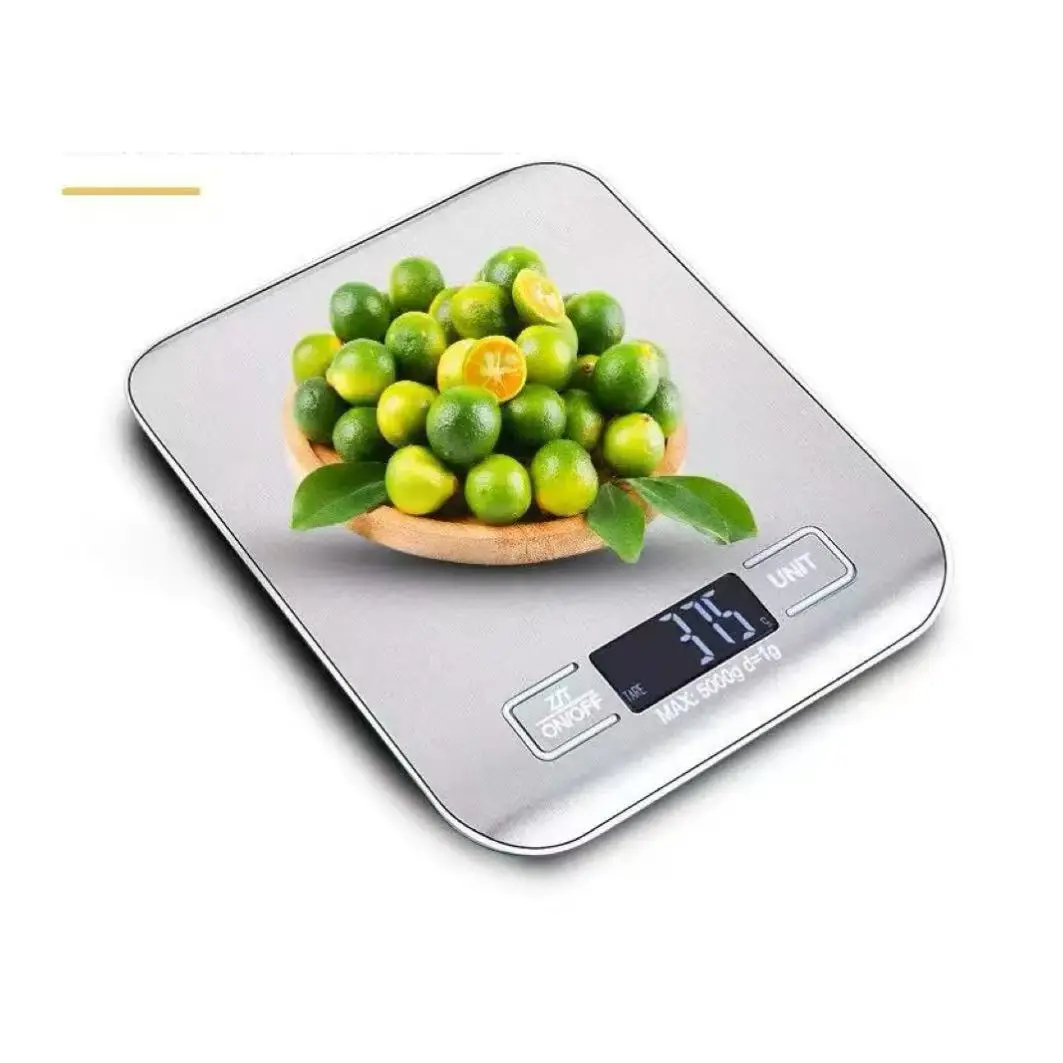
- Portion creep: Weigh or measure food for a week to reset your eye.
- Stress and sleep: Cortisol raises insulin and drives fat storage. Prioritize 7–9 hours of sleep and stress-reduction techniques.
- Medication timing: Some women need medication adjustments. If you’re on metformin or a GLP-1 agonist, track side effects and discuss progress with your provider.
- Non-food factors: Thyroid function, vitamin D levels, and even gut microbiome composition can influence weight. Ask your doctor about testing if lifestyle changes aren’t enough.
What this means for you
Food choices in PCOS aren’t about deprivation. They’re about precision. Focus on foods that blunt insulin spikes, reduce inflammation, and support satiety. Pair that with movement, both aerobic and resistance, to enhance insulin sensitivity. If progress stalls, medications like metformin or GLP-1 agonists can provide the metabolic boost needed to break through plateaus.
But remember: weight loss isn’t the only goal. Improved cycles, clearer skin, and better energy often come before the scale moves. Track how you feel, not just how you look. That’s where real change begins.
Recommended Health & Fitness Gear



FAQs
Can I eat fruit if I have PCOS?
Yes. Fruit provides fiber, vitamins, and antioxidants that support metabolic health. Berries, apples, and pears have lower glycemic loads than tropical fruits like mango or pineapple. Pair fruit with protein or fat to slow glucose absorption.
Is intermittent fasting helpful for PCOS?
The evidence is limited. Some women report improved insulin sensitivity with time-restricted eating, but others experience increased cortisol and cravings. If you try it, start with a 12-hour overnight fast and monitor your body’s response. Stop if you feel fatigued, dizzy, or hungrier than usual.
Do I need to cut out gluten?
Only if you have celiac disease or a diagnosed gluten sensitivity. For most women with PCOS, gluten isn’t inherently problematic. Whole grains like quinoa and oats are beneficial. If you suspect gluten bothers you, try an elimination trial for 4–6 weeks and reassess.
How much protein should I eat per day?
Aim for 1.2–1.6 grams of protein per kilogram of body weight daily, spread across meals. For a 70 kg woman, that’s about 84–112 grams. Prioritize lean sources like poultry, fish, eggs, legumes, and tofu. Higher protein at breakfast helps regulate appetite for the rest of the day.
Quick-start checklist
- Swap refined carbs: Choose steel-cut oats over instant oatmeal, quinoa over white rice.
- Add fiber: Aim for 25–30 grams daily from vegetables, legumes, and whole grains.
- Prioritize protein: Include 20–30 grams at each meal.
- Choose healthy fats: Olive oil, nuts, seeds, avocado, and fatty fish daily.
- Limit triggers: Cut sugary drinks, processed snacks, and excessive alcohol.
- Move daily: Combine 150 minutes of moderate activity with 2–3 strength sessions weekly.
- Track symptoms: Note energy, cravings, and menstrual patterns, not just weight.
How this article was made
Researched and drafted with AI assistance, then screened by automated checks for originality, exaggerated claims and structure before publishing. No clinician reviewed it, and it is general information rather than medical advice. Read more at About us, or write to us if you spot an error.
Advertising disclosure: the links below are affiliate links. We may earn a commission if you use them, at no extra cost to you. This does not change the article's content, and it is not a medical recommendation.
Browse kitchen and portion tools on Amazon
Food scales, portion containers and measuring sets, as an Amazon category search. We have not tested individual products.


