Why Hormones Matter More Than Calories Alone
Weight management is often framed as a simple equation of calories in versus calories out, but this perspective overlooks the powerful role hormones play in regulating appetite, fat storage, and energy balance. Hormonal imbalances, particularly in insulin, cortisol, leptin, and ghrelin, can undermine even the most disciplined calorie-controlled diets by increasing cravings, slowing metabolism, and promoting fat retention around the midsection. highlights how insulin resistance, for example, impairs the body’s ability to use glucose efficiently, leading to excess fat storage and persistent hunger. Addressing these hormonal factors is not about extreme restriction but about creating metabolic conditions that support steady weight without deprivation.
Insulin: The Gatekeeper of Fat Storage and Hunger
Insulin is the primary hormone responsible for shuttling glucose into cells for energy or storage. When blood sugar levels spike, often from refined carbohydrates and sugary foods, insulin surges to manage the excess. Over time, frequent insulin spikes can lead to insulin resistance, where cells become less responsive to the hormone. This forces the body to produce even more insulin, which not only promotes fat storage but also increases hunger signals by altering the activity of other appetite-regulating hormones like leptin and ghrelin.
To improve insulin sensitivity and stabilize blood sugar:
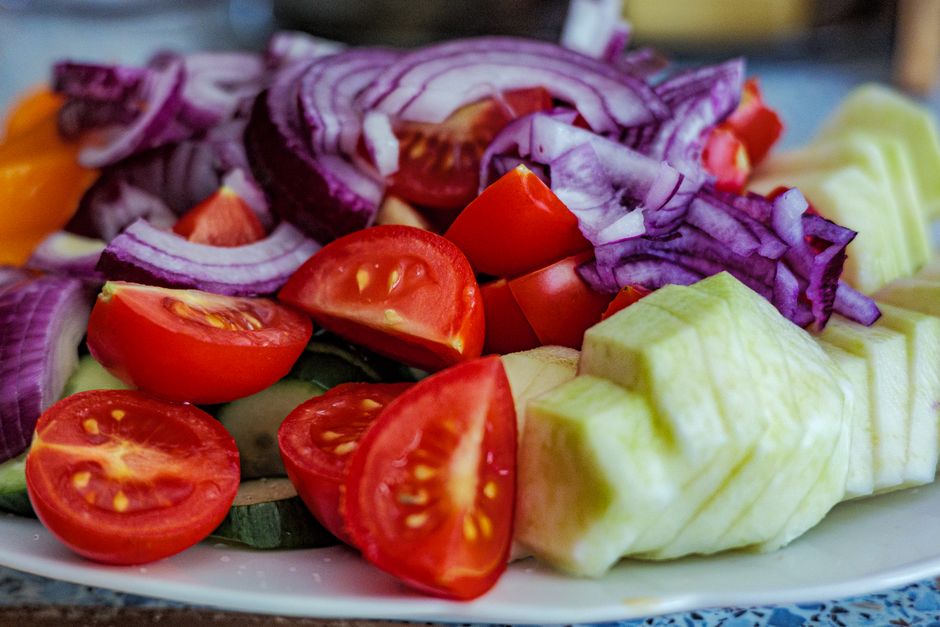
- Prioritize fiber-rich carbohydrates such as vegetables, legumes, and whole grains, which slow glucose absorption and reduce insulin demand. The Harvard Healthy Eating Plate recommends filling half the plate with vegetables and allocating a quarter to whole grains or starchy vegetables.
- Pair carbohydrates with protein and healthy fats at each meal. This combination minimizes blood sugar fluctuations and extends satiety. For example, pairing oatmeal with nuts and seeds or choosing a salad topped with grilled chicken and avocado.
- Limit liquid sugars like soda, fruit juices, and sweetened coffees, which deliver concentrated glucose without fiber or protein to blunt the insulin response.
Cortisol: The Stress Hormone That Shifts Fat Storage and Appetite
Cortisol, often called the stress hormone, is released by the adrenal glands in response to physical or emotional stress. While acute cortisol release is essential for survival, chronic stress keeps cortisol elevated, which can disrupt appetite regulation and promote fat storage, particularly in the abdominal area. Elevated cortisol increases cravings for high-calorie, palatable foods, disrupts sleep, and may lead to water retention, all of which can mask progress on the scale.
To mitigate cortisol’s impact on weight:
- Establish a consistent sleep routine. Poor or insufficient sleep increases cortisol and reduces leptin, the hormone that signals fullness. Aim for 7–9 hours per night and maintain a regular bedtime.
- Incorporate mindful movement such as yoga, walking, or tai chi. These activities lower cortisol without the metabolic stress of intense exercise, which can elevate cortisol further in some individuals.
- Practice diaphragmatic breathing for 5–10 minutes daily. Slow, deep breathing activates the parasympathetic nervous system, counteracting the stress response and reducing cortisol output.
Leptin and Ghrelin: The Hunger Hormones That Shape Cravings
Leptin, produced by fat cells, signals satiety to the brain, while ghrelin, secreted by the stomach, stimulates hunger. In a balanced state, these hormones work in concert to regulate appetite. However, chronic overeating, poor sleep, and high insulin levels can lead to leptin resistance, where the brain fails to receive the “I’m full” signal. Simultaneously, ghrelin levels may rise, increasing hunger and cravings for calorie-dense foods.
To recalibrate these hormones:
- Eat adequate protein at each meal. Protein increases satiety by stimulating the release of satiety hormones like peptide YY and reducing ghrelin. Aim for 20–30 grams per meal, depending on body size and activity level.
- Include omega-3 fatty acids from fatty fish, flaxseeds, or walnuts. Omega-3s may improve leptin sensitivity and reduce inflammation, which is linked to hormonal imbalances.
- Minimize processed foods and added sugars, which can trigger inflammation and disrupt the signaling of both leptin and ghrelin.
Metabolic Health Beyond the Scale: Focus on Energy and Vitality
Weight is only one indicator of metabolic health. Other signs, such as consistent energy, stable mood, regular digestion, and balanced blood sugar, often reflect better hormonal regulation than the number on the scale. For example, someone may lose inches and feel more energetic without seeing a significant drop in weight due to improved body composition and reduced water retention.
To assess progress holistically:
- Track energy levels throughout the day, especially post-meal.
- Monitor sleep quality and duration.
- Note changes in cravings, particularly for sweets or salty snacks.
- Observe digestion and bloating, which can indicate gut-related hormonal imbalances.
7-Day Hormone-Supportive Action Plan
The following plan is designed to stabilize blood sugar, reduce stress-related eating, and improve hormonal signaling. Adjust portions based on individual needs and activity levels.
| Day | Focus | Action Steps |
|---|---|---|
| Days 1–3 | Blood Sugar Stabilization |
|
| Days 4–5 | Stress and Appetite Regulation |
|
| Days 6–7 | Hormonal Reset |
|
Recommended Health & Fitness Gear



Myth: Skipping Meals Boosts Metabolism and Promotes Weight Loss
Contrary to popular belief, skipping meals, especially breakfast, does not enhance metabolism or lead to sustainable weight loss. Irregular eating patterns can disrupt insulin sensitivity, increase cortisol, and elevate ghrelin levels, resulting in overeating later in the day. The Mayo Clinic emphasizes that consistent meal timing supports stable blood sugar and hormonal balance. Instead of fasting for long periods, aim for balanced, nutrient-dense meals every 3–5 hours to maintain energy and regulate appetite hormones.
FAQ: Common Questions About Hormones and Weight
Does strength training really change my metabolism?
Strength training helps preserve lean muscle mass during weight loss, which is metabolically active tissue. While it may not dramatically increase resting metabolic rate, maintaining muscle supports long-term calorie burning and improves insulin sensitivity. Focus on progressive overload and include resistance exercises 2–3 times per week.
Can I drink alcohol and still support my hormones?
Alcohol metabolism disrupts blood sugar balance, increases cortisol, and interferes with leptin signaling, often leading to increased appetite and fat storage. If consumed, limit to occasional use and avoid sugary cocktails. Opt for dry wines or spirits mixed with sparkling water and lime.
How does hydration affect hunger hormones?
Mild dehydration can be misinterpreted as hunger, triggering unnecessary eating. Adequate hydration supports metabolic processes and may reduce ghrelin levels. Aim for at least half your body weight (in pounds) in ounces of water daily, adjusting for activity and climate.
Is it possible to reset my hormones naturally?
While hormones are not “reset” like a computer, lifestyle changes can improve their sensitivity and function. Prioritizing sleep, managing stress, eating balanced meals, and engaging in regular movement can recalibrate hormonal signaling over time. Consistency and patience are key, as metabolic adaptation occurs gradually.
Hormonal Weight Management Principles
- Insulin sensitivity is foundational to fat loss and appetite control; prioritize fiber-rich carbs, protein, and healthy fats.
- Chronic stress elevates cortisol, increasing cravings and abdominal fat storage; manage stress through sleep, breathing, and mindful movement.
- Leptin and ghrelin regulate hunger and fullness; support their balance with adequate protein, omega-3s, and consistent meal timing.
- Progress is best measured by energy, sleep, and cravings, not just weight.
- Sustainable change comes from small, consistent habits, not extreme restriction or deprivation.
Advertising disclosure: the links below are affiliate links. We may earn a commission if you use them, at no extra cost to you. This does not change the article's content, and it is not a medical recommendation.
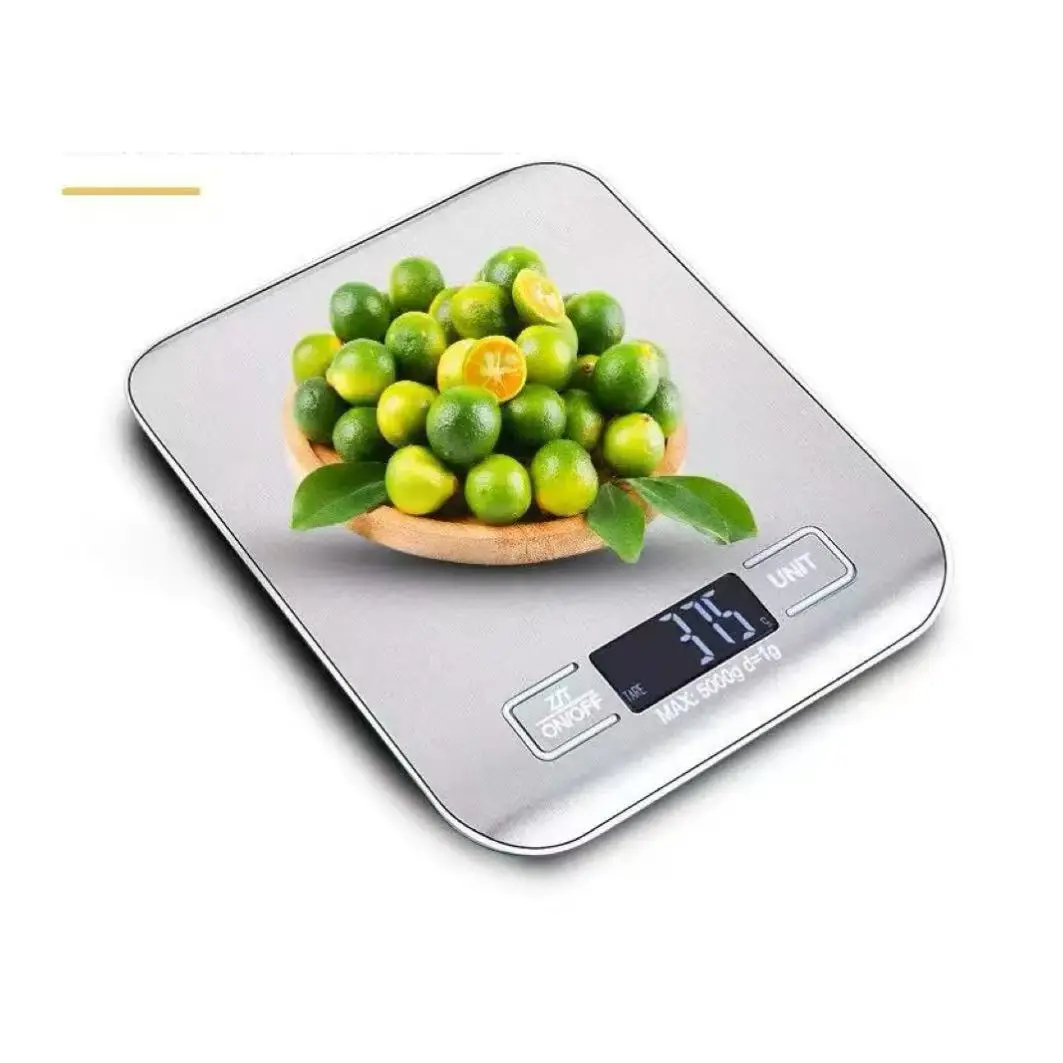
Browse kitchen and portion tools on Amazon
Food scales, portion containers and measuring sets, as an Amazon category search. We have not tested individual products.