Why I used to feel hungry all the time on diets
I spent years yo-yo dieting—losing weight, gaining it back, and feeling like a failure. The worst part? I was always hungry. No matter how much I ate, my stomach was growling by 2 PM. I’d stare at my meal plan, counting every calorie, and still feel deprived. Then I discovered low-calorie dense foods, and everything changed.
These aren’t some magical fat-burning foods. They’re just foods that pack a lot of volume and nutrients into very few calories. Think of them as the "free space" in your diet—the foods that let you eat more while actually losing weight. It sounds too good to be true, but it’s not. I lost 30 pounds over a year without starving myself, and I didn’t have to give up food I loved.
Here’s what worked for me—and what might work for you.
What even is "low-calorie dense" food?
Calorie density is how many calories are in a given weight of food. A candy bar might weigh 50 grams but pack 250 calories. A bowl of strawberries? Same weight, but only 50 calories. That’s the difference.
Low-calorie dense foods are high in water and fiber, which fill you up without packing on calories. They’re not just salads and celery sticks—though those count too. The best ones taste good, are easy to find, and fit into meals without feeling like a punishment.
I used to think I had to eat tiny portions to lose weight. But with these foods, I could eat a full plate and still stay under my calorie goal. It was the first time dieting didn’t feel like torture.
My top low-calorie dense foods (that don’t taste like cardboard)
Not all low-calorie foods are created equal. Some leave you hungry an hour later. Others are so bland you’ll ditch them by day three. These are the ones I actually stuck with:
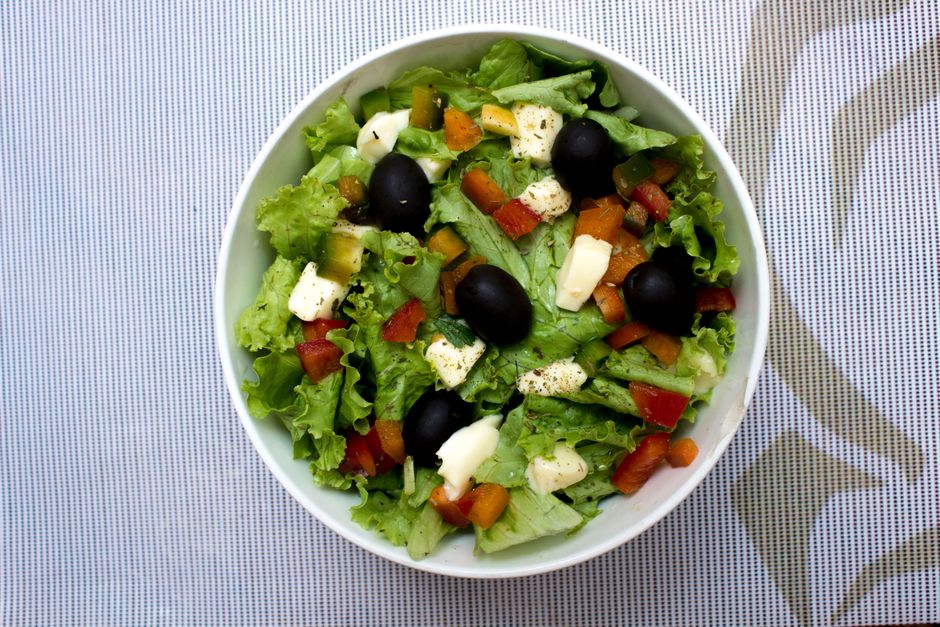
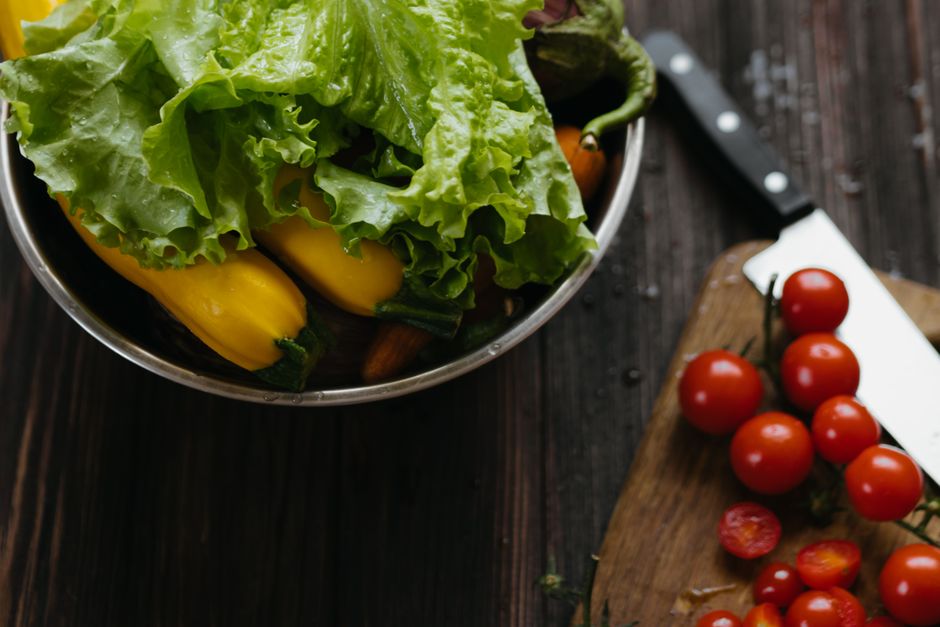
- Non-starchy vegetables: Broccoli, zucchini, spinach, bell peppers, cauliflower. I roast a big tray of these every Sunday and snack on them raw when I’m bored. A whole cup of spinach is only 7 calories. Seven!
- Berries: Strawberries, blueberries, raspberries. I keep a big container in the fridge and eat them by the handful. A cup of strawberries is 50 calories—less than a single Oreo.
- Lean proteins: Shrimp, chicken breast, egg whites, Greek yogurt (non-fat). Protein keeps you full, and these options are low in calories. A 3-ounce grilled chicken breast is about 140 calories. Add some hot sauce, and it’s a meal.
- Soup: Broth-based soups like chicken noodle or minestrone. A big bowl is usually under 200 calories, and the liquid fills you up fast. I make a big pot on Sundays and eat it all week.
- Popcorn: Air-popped popcorn is one of my favorite snacks. Three cups is only 90 calories. I season it with garlic powder and nutritional yeast instead of butter.
- Cottage cheese: I used to hate cottage cheese until I tried it with pineapple. A half-cup is 90 calories and packed with protein. It’s my go-to late-night snack when I’m craving something creamy.
- Zucchini noodles: I swapped regular pasta for zoodles about halfway through my weight loss journey. One cup of zucchini noodles is 20 calories. Top it with marinara and turkey meatballs, and you’ve got a real meal.
I didn’t eat these foods in some rigid, boring way. I mixed them into meals I already loved. Tossed spinach into my eggs, blended cauliflower into my mac and cheese, swapped rice for riced cauliflower in stir-fries. Small changes added up.
How to actually use these foods without feeling like you’re dieting
Here’s the thing: knowing which foods to eat is only half the battle. The real trick is making them fit into your life without feeling like a chore. Here’s how I did it:
Start with volume, not restriction
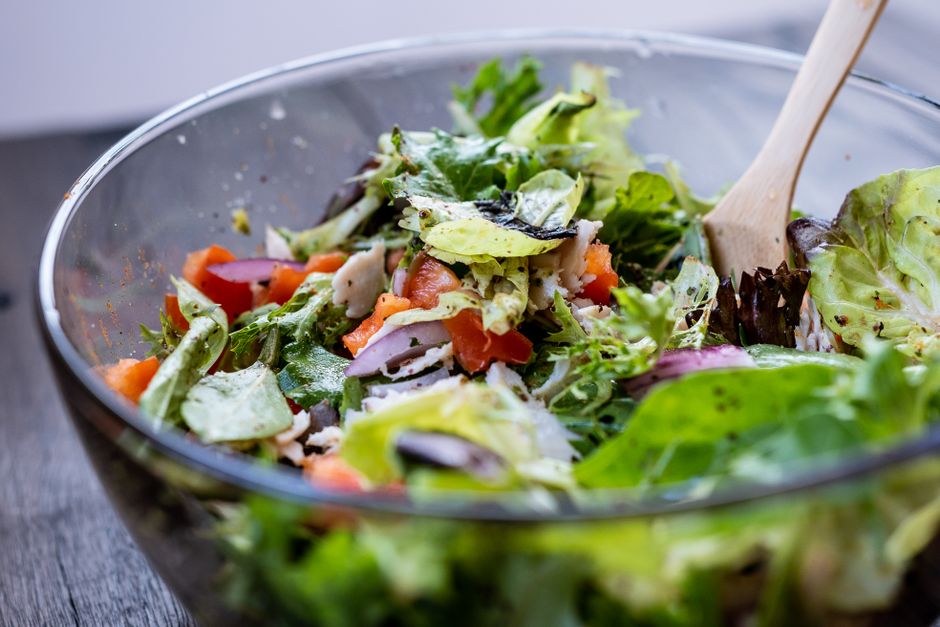
Instead of focusing on what I couldn’t eat, I focused on filling half my plate with low-calorie dense foods. A typical dinner for me now looks like:
- 4 ounces grilled chicken (140 calories)
- 2 cups roasted broccoli and cauliflower (60 calories)
- Half a cup of quinoa (110 calories)
Total: 310 calories. That’s a real meal, not rabbit food. I eat until I’m satisfied, not stuffed. It took me a while to trust that I wouldn’t be hungry again in an hour, but it worked.
Use them to "dilute" higher-calorie foods
I didn’t give up pizza or pasta—I just made them less calorie-dense. For example:
- Pizza: I use a whole-wheat tortilla as the crust, top it with marinara, lots of veggies, and a sprinkle of cheese. One slice is about 200 calories instead of 400.
- Pasta: I mix regular pasta with zucchini noodles. Half the carbs, same volume. A cup of this mix is about 250 calories instead of 400.
- Tacos: I use lettuce wraps instead of tortillas and load up on veggies. A taco salad like this is about 300 calories instead of 600.
These tweaks let me eat the foods I loved without the guilt. It wasn’t about deprivation—it was about making smarter choices.
Snack smart, not sad
I used to snack on 200-calorie bags of chips and still feel hungry. Now, I snack on foods that actually fill me up:
- Celery sticks with 2 tablespoons of peanut butter (190 calories)
- 1 cup of grapes and 1 ounce of almonds (210 calories)
- 1 cup of air-popped popcorn with a little sea salt (30 calories)
These snacks keep me full for hours. I’m not raiding the pantry at 9 PM anymore.
Why this worked when everything else failed
I tried every diet under the sun—keto, paleo, intermittent fasting, you name it. They all worked for a little while, but I’d always end up bingeing and gaining the weight back. The problem wasn’t willpower. It was hunger.
Low-calorie dense foods solved that. They let me eat more food while eating fewer calories. I wasn’t starving myself, so I didn’t feel deprived. And because I wasn’t miserable, I stuck with it long-term.
I also noticed other benefits:
- Better digestion: More fiber meant less bloating and fewer cravings.
- More energy: I wasn’t crashing after meals because I wasn’t eating empty carbs.
- No more guilt: I could eat a cookie or a slice of pizza and not feel like I’d ruined everything.
It wasn’t a quick fix. It took time to adjust my habits. But it was the first time I felt like I could actually maintain my weight loss.
FAQ: Your burning questions answered
Do I have to eat only these foods to lose weight?
Nope. That’s the beauty of this approach—it’s flexible. You can eat whatever you want in moderation. The key is using low-calorie dense foods to fill up so you don’t overeat higher-calorie foods. For example, if I want a burger, I’ll pair it with a big side salad instead of fries. Same calories, but I’m fuller.
What if I don’t like vegetables?
I get it—veggies aren’t for everyone. But you don’t have to love them to benefit from them. Try blending cauliflower into mashed potatoes, or adding spinach to smoothies (you won’t taste it). Even if you only eat one serving a day, it’ll help. I promise.
Can I really eat more and still lose weight?
Yes! That’s the whole point. These foods let you eat larger portions while staying in a calorie deficit. It’s not magic—it’s just science. Your body burns calories digesting high-fiber, high-water foods, and they take up space in your stomach, triggering fullness signals. Here’s more on how it works.
Key takeaways
- Low-calorie dense foods fill you up without packing on calories. They’re your secret weapon for sustainable weight loss.
- You don’t have to give up the foods you love. Just tweak them to make them less calorie-dense.
- Focus on volume eating—fill half your plate with these foods to stay satisfied.
- This isn’t a quick fix. It’s about building habits that last.
If you’re tired of feeling hungry on diets, give this a try. It’s not about perfection—it’s about progress. And trust me, I’ve been there. I know how it feels to be sick of dieting. This was the first thing that actually worked for me.
Want more ideas? Check out this full guide to low-calorie dense foods.
Scientific References & Authority Sources
Recommended Health & Fitness Gear