Why Your PCOS Diet is Failing (And What to Do Instead)
If you have PCOS (Polycystic Ovary Syndrome), you're not just fighting weight gain - you're battling a hormonal storm. High insulin levels, stubborn belly fat, and cravings for sugar and carbs can make weight loss feel impossible. But here's the good news: your diet is the most powerful tool you have to reverse insulin resistance and shrink PCOS symptoms. The right foods can help balance hormones, curb cravings, and finally break the cycle of yo-yo dieting.
In this guide, we'll cover the best PCOS diet plan to lose weight, the foods to eat (and avoid), and science-backed strategies to make fat loss effortless. No more restrictive diets that leave you hungry or frustrated - just real, sustainable changes that work with your body, not against it.
How Insulin Resistance Sabotages Your Weight Loss
PCOS and insulin resistance go hand in hand. When your cells become resistant to insulin (the hormone that regulates blood sugar), your body stores more fat - especially around your belly. This creates a vicious cycle:
- High insulin = More fat storage, especially visceral fat (the dangerous fat around your organs).
- Blood sugar crashes = Intense cravings for sugar and refined carbs, which spike insulin even more.
- Hormonal imbalance = Worse PCOS symptoms like irregular periods, acne, and fatigue.
Traditional weight loss advice - like cutting calories or doing endless cardio - often backfires for women with PCOS because it doesn't address the root cause: insulin resistance. The good news? By tweaking your diet, you can lower insulin levels, reduce inflammation, and finally lose weight without starving yourself.
The Best PCOS Diet Plan to Lose Weight (Backed by Science)
Forget low-fat, low-calorie diets. The most effective PCOS diet plan focuses on:
- Balancing blood sugar to reduce insulin spikes.
- Reducing inflammation, which worsens PCOS symptoms.
- Prioritizing protein and fiber to keep you full and stabilize hormones.
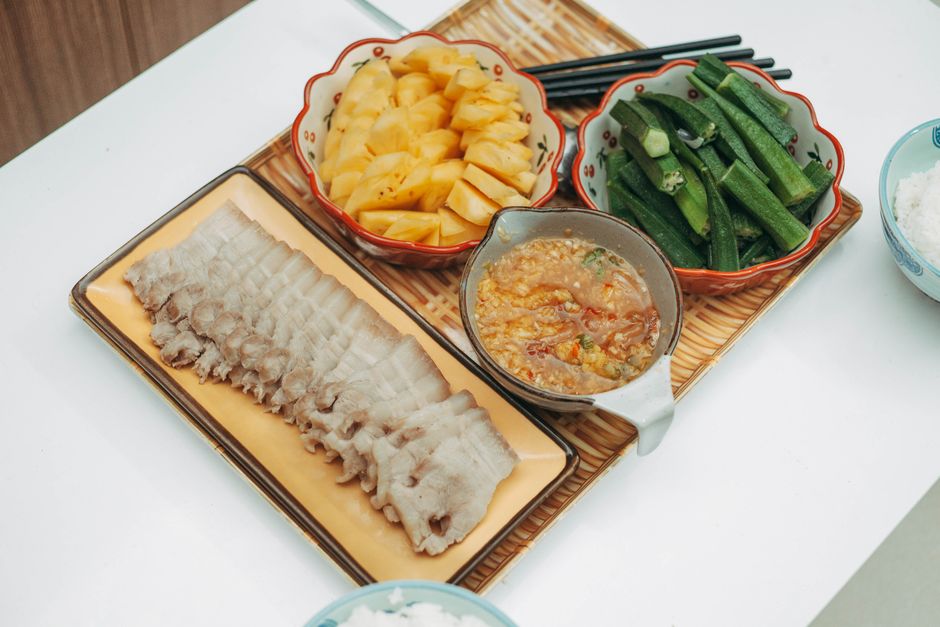
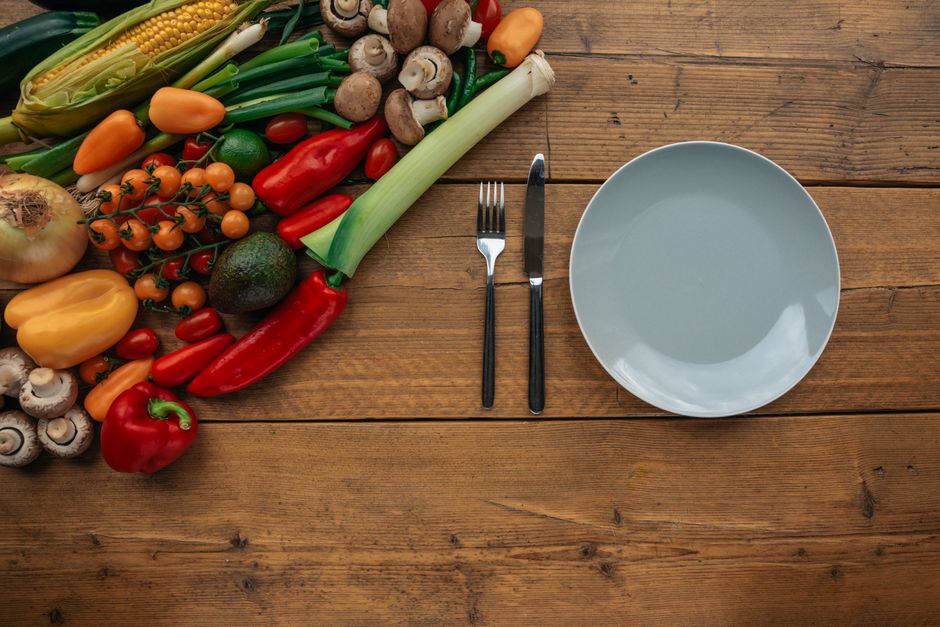
Here's what your plate should look like:
1. Fill Half Your Plate with Non-Starchy Vegetables
Vegetables like spinach, broccoli, zucchini, and kale are low in calories but high in fiber and nutrients. Fiber slows digestion, preventing blood sugar spikes and keeping you full longer. Aim for at least 2-3 servings per meal.
Pro tip: Try low-calorie dense foods like cauliflower rice or spiralized veggies to bulk up meals without excess calories.
2. Add a Palm-Sized Portion of Lean Protein
Protein is a solid strategy for PCOS because it:
- Stabilizes blood sugar by slowing digestion.
- Boosts metabolism by requiring more energy to digest (thermic effect of food).
- Supports muscle growth, which helps with long-term fat loss.
Great protein sources for PCOS:
- Grass-fed beef or lamb
- Wild-caught fish (salmon, sardines, mackerel)
- Organic poultry (chicken, turkey)
- Eggs (pasture-raised if possible)
- Plant-based options: tofu, tempeh, lentils, chickpeas
How much? Aim for 20-30g of protein per meal to keep cravings at bay.
3. Include Healthy Fats in Every Meal
Healthy fats don't just keep you full - they help regulate hormones, including insulin. They also reduce inflammation, which is often elevated in PCOS.
Best fats for PCOS:
- Avocados
- Nuts and seeds (almonds, walnuts, chia, flaxseeds)
- Olive oil and coconut oil
- Fatty fish (salmon, mackerel)
- Full-fat dairy (if tolerated) or dairy-free alternatives like coconut yogurt
Watch out for: Processed vegetable oils (soybean, canola, corn oil), which are high in inflammatory omega-6 fats.
4. Choose Low-Glycemic Carbs (When You Eat Them)
Carbs aren't the enemy, but the type and timing matter. High-glycemic carbs (white bread, pasta, sugary snacks) spike insulin and worsen PCOS symptoms. Instead, opt for:
- Berries (raspberries, blackberries, strawberries)
- Sweet potatoes
- Quinoa
- Legumes (lentils, chickpeas)
- Squash (butternut, acorn)
When to eat carbs: Pair them with protein and fat to slow digestion. For example, have berries with Greek yogurt or sweet potato with salmon.
Try carb cycling: Alternate between lower-carb days and moderate-carb days to improve insulin sensitivity. Check out our carb cycling guide for a simple plan.
5. Ditch These Foods (They're Making PCOS Worse)
Some foods trigger inflammation, insulin spikes, and hormonal imbalances. Avoid or minimize:
- Refined sugars: Soda, candy, pastries, flavored yogurts
- Processed carbs: White bread, pasta, crackers, cereals
- Trans fats: Fried foods, margarine, packaged snacks
- Dairy (for some): Conventional dairy can worsen hormonal acne and inflammation. Try eliminating it for 30 days to see if symptoms improve.
- Processed meats: Sausages, deli meats, bacon (high in sodium and additives)
PCOS Diet Foods to Eat for Faster Weight Loss
Here's a quick reference guide for what to stock in your kitchen:
| Food Group | Best Choices | Why? |
|---|---|---|
| Protein | Salmon, chicken, eggs, lentils, tofu | Stabilizes blood sugar, supports muscle |
| Healthy Fats | Avocados, nuts, olive oil, coconut | Regulates hormones, reduces inflammation |
| Low-Glycemic Carbs | Berries, sweet potato, quinoa, broccoli | Prevents insulin spikes |
| Fiber-Rich Foods | Chia seeds, flaxseeds, leafy greens, beans | Slows digestion, feeds gut bacteria |
| Anti-Inflammatory Spices | Turmeric, cinnamon, ginger | Lowers inflammation, improves insulin sensitivity |
Sample 1-Day PCOS Meal Plan for Weight Loss
Here's a simple, hormone-balancing meal plan to get you started:
Breakfast: Protein-Packed Scramble
- 3 eggs cooked in olive oil
- 1 cup sautéed spinach and mushrooms
- ½ avocado
- Handful of berries
Why it works: Eggs provide choline (supports liver detox), spinach is rich in magnesium (helps insulin sensitivity), and avocado adds healthy fats to keep you full.
Snack: Greek Yogurt Bowl
- ½ cup full-fat Greek yogurt (unsweetened)
- 1 tbsp chia seeds
- ½ cup raspberries
- Sprinkle of cinnamon
Why it works: Greek yogurt is high in protein and probiotics (gut health = better hormone balance). Cinnamon helps lower blood sugar.
Lunch: Grilled Salmon Salad
- 4 oz grilled wild salmon
- 2 cups mixed greens (kale, arugula, spinach)
- ½ cup cherry tomatoes
- ¼ cup chickpeas
- 2 tbsp olive oil and lemon dressing
Why it works: Salmon is rich in omega-3s (anti-inflammatory), chickpeas add fiber, and the healthy fats in olive oil help with nutrient absorption.
Snack: Almond Butter & Celery
- 2 tbsp almond butter
- 2 celery stalks
Why it works: Almond butter provides healthy fats and protein, while celery is hydrating and low-calorie.
Dinner: Turkey & Veggie Stir-Fry
- 4 oz ground turkey
- 1 cup mixed bell peppers, broccoli, and zucchini
- 1 tbsp coconut aminos (soy sauce alternative)
- 1 tsp sesame oil
- 1 tsp grated ginger
Why it works: Turkey is lean protein, ginger reduces inflammation, and the veggies are packed with fiber.
PCOS Diet Tips to Boost Weight Loss Results
Want to maximize fat loss? Try these science-backed strategies:
1. Time Your Carbs Strategically
Eating most of your carbs earlier in the day (breakfast or lunch) can improve insulin sensitivity. Save lower-carb meals for dinner when your body is less active. This approach is called carb timing and can help with weight loss without strict calorie counting.
2. Prioritize Strength Training Over Cardio
While cardio burns calories, strength training builds muscle, which increases your resting metabolic rate. More muscle = more fat burning, even at rest. Aim for 3-4 strength sessions per week. Check out our strength training guide for a simple routine.
3. Stay Hydrated (It's a huge help)
Dehydration can mimic hunger and slow metabolism. Drinking enough water also helps flush out excess estrogen, which can worsen PCOS symptoms. Aim for half your body weight (lbs) in ounces daily. For example, if you weigh 150 lbs, drink 75 oz of water. Learn more about hydration and weight loss here.
4. Manage Stress (Cortisol Wrecks Hormones)
Chronic stress raises cortisol, which increases insulin resistance and fat storage. Try these stress-busters:
- 10-minute daily meditation or deep breathing
- Gentle yoga or walking in nature
- Prioritizing sleep (7-9 hours per night)
5. Consider Intermittent Fasting (If It Works for You)
Intermittent fasting (IF) can improve insulin sensitivity by giving your body a break from constant digestion. A simple approach is 12-14 hour overnight fasts (e.g., stop eating at 7 PM and break your fast at 7-9 AM). Avoid long fasts if you feel fatigued or have adrenal issues. Learn more in our IF guide.
Common PCOS Diet Mistakes to Avoid
Even with the best intentions, these pitfalls can sabotage your progress:
Mistake #1: Cutting Out All Carbs
Carbs aren't the enemy - refined carbs and sugar are. Low-carb diets can help some women with PCOS, but others feel worse (fatigue, brain fog, cravings). The key is choosing the right carbs and eating them in moderation.
Mistake #2: Skipping Protein
Protein is essential for muscle repair, hormone production, and satiety. If you're not eating enough, you'll feel hungrier and more prone to cravings. Aim for at least 20-30g per meal.
Mistake #3: Relying on "Healthy" Processed Foods
Just because a food is labeled "organic" or "gluten-free" doesn't mean it's good for PCOS. Many packaged "health" foods are still high in sugar or inflammatory oils. Stick to whole, unprocessed foods whenever possible.
Mistake #4: Not Eating Enough Calories
Undereating can backfire by slowing your metabolism and increasing cortisol. Focus on nutrient-dense foods rather than restricting calories. If you're not losing weight after 2-3 weeks, you may need to adjust portions or activity levels.
FAQ: Your PCOS Diet Questions Answered
Can I lose weight with PCOS without medication?
Yes! While medication (like metformin or birth control) can help manage symptoms, diet and lifestyle changes are the foundation of PCOS weight loss. Studies show that women with PCOS can lose weight and improve insulin sensitivity through diet alone. Source
How long does it take to see results on a PCOS diet?
It varies, but most women notice improvements in 2-4 weeks. You may see:
- Reduced bloating and cravings (within days)
- More energy and stable moods (2-4 weeks)
- Weight loss (4-12 weeks, depending on starting point)
Consistency is key - hormonal changes take time.
What if I have food intolerances (like dairy or gluten)?
Many women with PCOS have sensitivities to dairy or gluten, which can worsen inflammation and bloating. Try eliminating them for 30 days, then reintroduce one at a time to see how you feel. If symptoms improve, it's worth keeping them out of your diet long-term.
Key Takeaways: Your PCOS Diet Action Plan
- Balance blood sugar by eating protein, fiber, and healthy fats at every meal.
- Avoid refined carbs and sugars to prevent insulin spikes and cravings.li>
- Prioritize protein (20-30g per meal) to support muscle and hormones.li>
- Include anti-inflammatory foods like fatty fish, leafy greens, and turmeric.li>
- Strength train 3-4x/week to build muscle and boost metabolism.li>
- Manage stress and sleep - high cortisol worsens insulin resistance.li>
- Stay patient - hormonal changes take time, but the results are worth it.
Ready to Improve your PCOS Diet? Start Today
PCOS doesn't have to control your weight or your life. By focusing on blood sugar balance, anti-inflammatory foods, and strength training, you can finally break free from the cycle of frustration and start seeing real results.
Start with one small change today - like swapping sugary snacks for protein-rich options or adding a strength workout to your routine. Small steps lead to big changes over time.
What's one PCOS-friendly food swap you'll try this week? Share in the comments below!
Recommended Health & Fitness Gear