
Intermittent Fasting: A Science-Backed Approach to Sustainable Weight Loss
Intermittent fasting (IF) has evolved from a niche health trend to a widely studied dietary strategy with measurable effects on weight management, metabolic health, and cellular repair. Unlike traditional calorie-restrictive diets, IF focuses on when you eat rather than what you eat, leveraging the body’s natural fasting and feeding cycles. Structured eating windows can enhance insulin sensitivity, promote fat oxidation, and stimulate autophagy, a cellular cleanup process linked to longevity and disease prevention.
For individuals seeking a practical, evidence-based method to shed excess weight without rigid food restrictions, IF offers a flexible framework. However, its effectiveness depends on proper implementation, individual metabolic responses, and alignment with lifestyle factors such as sleep, stress, and activity levels. This guide lays out a clear, actionable plan for integrating IF into a sustainable weight-loss strategy.
How Intermittent Fasting Drives Weight Loss
At its core, IF triggers weight loss by creating a caloric deficit, the fundamental requirement for fat loss, while simultaneously optimizing metabolic processes. During fasting periods, the body depletes glycogen stores and shifts to burning fat for fuel. This metabolic switch is accompanied by hormonal adaptations: insulin levels drop, facilitating fat breakdown, while levels of norepinephrine rise, enhancing the body’s ability to mobilize stored energy.
Time-restricted eating (a form of IF) can reduce body weight by 3–8% over 3–24 weeks, with particularly strong results in individuals with obesity or metabolic syndrome. The study notes that these outcomes are comparable to traditional calorie-restricted diets but may be easier to sustain long-term due to their simplicity. However, the authors emphasize that results vary based on adherence, baseline metabolic health, and the specific fasting protocol employed.
The Most Studied IF Protocols for Weight Loss
Not all fasting methods yield the same results. The three most researched approaches for weight loss are:
- 16:8 Method: A daily 16-hour fast followed by an 8-hour eating window. This protocol is favored for its balance between metabolic benefits and practicality, as it typically involves skipping breakfast and consuming two to three balanced meals between noon and 8 p.m. It can reduce body fat while preserving lean muscle, particularly when combined with resistance training.
- 5:2 Diet: Five days of normal eating followed by two non-consecutive days of very low-calorie intake (typically 500–600 calories). This approach has shown promise in improving insulin sensitivity and reducing visceral fat, though its long-term sustainability may be challenging for some due to the extreme calorie restriction on fasting days.
- Eat-Stop-Eat: A 24-hour fast once or twice per week. While effective for caloric deficit, this method can be difficult to maintain and may lead to overeating on non-fasting days, potentially negating its benefits.
The Harvard T.H. Chan School of Public Health notes that the 16:8 method is the most widely adopted due to its flexibility and lower risk of binge eating. However, the optimal protocol depends on individual preferences, metabolic goals, and lifestyle constraints.
Beyond Weight Loss: Metabolic and Cellular Benefits
IF’s advantages extend beyond the scale. Research links it to improvements in several key health markers:
- Insulin Sensitivity: Fasting periods allow the pancreas to regulate blood sugar more efficiently, reducing the risk of type 2 diabetes. Alternate-day fasting has shown meaningful insulin-sensitivity improvements in prediabetic adults.
- Autophagy: This cellular “recycling” process, activated after 16–24 hours of fasting, helps remove damaged cells and proteins, potentially lowering the risk of chronic diseases like cancer and neurodegenerative disorders.
- Inflammation Reduction: Chronic inflammation is a driver of obesity and metabolic dysfunction. IF has been shown to lower inflammatory markers such as C-reactive protein (CRP) and interleukin-6 (IL-6), an effect reported consistently across the fasting literature.
These benefits underscore IF’s role as a tool for metabolic resilience, not just a weight-loss tactic. However, they are most pronounced when fasting is paired with nutrient-dense foods during eating windows and supported by adequate hydration and sleep.
Common Myths About Intermittent Fasting
Myth: Fasting slows metabolism and leads to muscle loss.
This misconception stems from early studies on extreme calorie restriction, not IF. Research in Obesity (2017) found that time-restricted eating preserves resting metabolic rate (RMR) better than continuous calorie restriction, likely due to its preservation of lean muscle mass. The key factor is protein intake during eating windows: consuming 1.2–1.6 grams of protein per kilogram of body weight helps maintain muscle integrity. Additionally, the metabolic slowdown observed in some studies is often temporary and linked to inadequate energy intake rather than fasting itself.
Myth: You can eat anything during your eating window.
While IF doesn’t impose strict food rules, the quality of calories consumed significantly impacts results. A diet high in ultra-processed foods, refined carbohydrates, and added sugars can undermine insulin sensitivity and fat loss, even within a restricted eating window. The Harvard Healthy Eating Plate recommends prioritizing whole foods, vegetables, lean proteins, whole grains, and healthy fats, to maximize metabolic benefits.
Designing Your IF Plan: A Step-by-Step Guide
Before starting IF, assess your current eating patterns, metabolic health, and lifestyle. Individuals with a history of disordered eating, uncontrolled diabetes, or adrenal insufficiency should consult a healthcare provider. For most people, the following protocol provides a balanced starting point:
7-Day Action Plan for Beginners
| Day | Fasting Window | Eating Window | Key Focus |
|---|---|---|---|
| Day 1–3 | 12:00 a.m. – 8:00 a.m. | 8:00 a.m. – 8:00 p.m. | Gradual adjustment; hydrate with water, herbal tea, or black coffee. Avoid late-night snacking. |
| Day 4–7 | 8:00 p.m. – 12:00 p.m. (next day) | 12:00 p.m. – 8:00 p.m. | Shift to 16:8; prioritize protein (20–30g per meal) and fiber to manage hunger. |
Troubleshooting Protocol
If you experience persistent hunger, fatigue, or irritability during fasting windows, consider these adjustments:
- Hydration: Dehydration can mimic hunger. Aim for 2–3 liters of water daily, with electrolytes (sodium, potassium, magnesium) if needed.
- Meal Timing: If 16:8 feels too restrictive, try a 14:10 split (e.g., 8 a.m.–6 p.m. eating window) and gradually increase fasting duration.
- Nutrient Density: Include satiating foods like eggs, Greek yogurt, lentils, and leafy greens. Avoid liquid calories (sugary drinks, juices) that may trigger hunger.
- Sleep and Stress: Poor sleep and high cortisol levels can increase ghrelin (the hunger hormone) and cravings. Prioritize 7–9 hours of sleep and stress-reduction techniques like walking or meditation.
For individuals struggling with adherence, the Mayo Clinic suggests tracking progress in a journal to identify patterns and celebrate small wins, such as improved energy or reduced cravings.
Pairing IF with Exercise for Optimal Results
Physical activity enhances IF’s fat-loss effects by increasing energy expenditure and preserving lean muscle. However, the type and timing of exercise matter:
- Strength Training: 2–3 sessions per week help maintain muscle mass during a caloric deficit. Focus on compound movements (squats, deadlifts, push-ups) with progressive overload.
- Cardio: Moderate-intensity steady-state cardio (e.g., brisk walking, cycling) can be done fasted to maximize fat oxidation, but high-intensity interval training (HIIT) may be better performed during eating windows to fuel performance.
- Flexibility: Listen to your body. If fasting leaves you lightheaded during workouts, consume a small pre-workout snack (e.g., a banana with almond butter) to avoid dips in energy.
When IF Doesn’t Work: Key Considerations
IF is not a universal solution. Factors that may limit its effectiveness include:
- Hormonal Imbalances: Conditions like polycystic ovary syndrome (PCOS) or hypothyroidism can alter metabolic responses to fasting. Women with irregular cycles may benefit from shorter fasting windows (e.g., 12:12) or cycling between protocols.
- Medications: Some medications (e.g., insulin, steroids) require consistent food intake to prevent hypoglycemia. Always consult a healthcare provider before starting IF if you’re on prescription drugs.
- Lifestyle Factors: Shift workers, frequent travelers, or individuals with unpredictable schedules may struggle to maintain a consistent fasting window. In such cases, a more flexible approach (e.g., intuitive fasting) may be preferable.
In Short
- Intermittent fasting promotes weight loss by creating a caloric deficit and enhancing fat metabolism through hormonal shifts.
- The 16:8 method is the most practical and well-researched protocol for beginners, but results depend on adherence and nutrient intake during eating windows.
- IF offers additional benefits, including improved insulin sensitivity, autophagy, and reduced inflammation, when combined with a nutrient-dense diet and healthy lifestyle.
- Success hinges on hydration, sleep, stress management, and gradual protocol adjustments to suit individual needs.
Frequently Asked Questions
Can I drink coffee or tea during fasting windows?
Yes, as long as they’re unsweetened and free of creamers or milk. Black coffee and herbal teas contain negligible calories and may suppress appetite. Avoid adding sugar or artificial sweeteners, which can trigger insulin responses and break the fast.
Will I lose muscle while fasting?
Muscle loss is unlikely if you consume adequate protein (1.2–1.6g/kg body weight) during eating windows and engage in resistance training. The body prioritizes fat stores for energy during fasting, but protein intake is critical to preserve lean mass.
How do I break a fast properly?
Start with easily digestible foods to avoid digestive discomfort. Options include bone broth, avocado, eggs, or a smoothie with protein and healthy fats. Avoid high-fiber or high-fat meals immediately after fasting, as they may cause bloating or nausea.
Is IF safe for women over 50?
IF can be beneficial for postmenopausal women, who often experience metabolic slowdown and increased visceral fat. However, hormonal fluctuations during menopause may require protocol adjustments (e.g., shorter fasting windows or cycling between 14:10 and 16:8). Consult a healthcare provider to tailor IF to individual needs.
Advertising disclosure: the links below are affiliate links. We may earn a commission if you use them, at no extra cost to you. This does not change the article's content, and it is not a medical recommendation.
Recommended Health & Fitness Gear

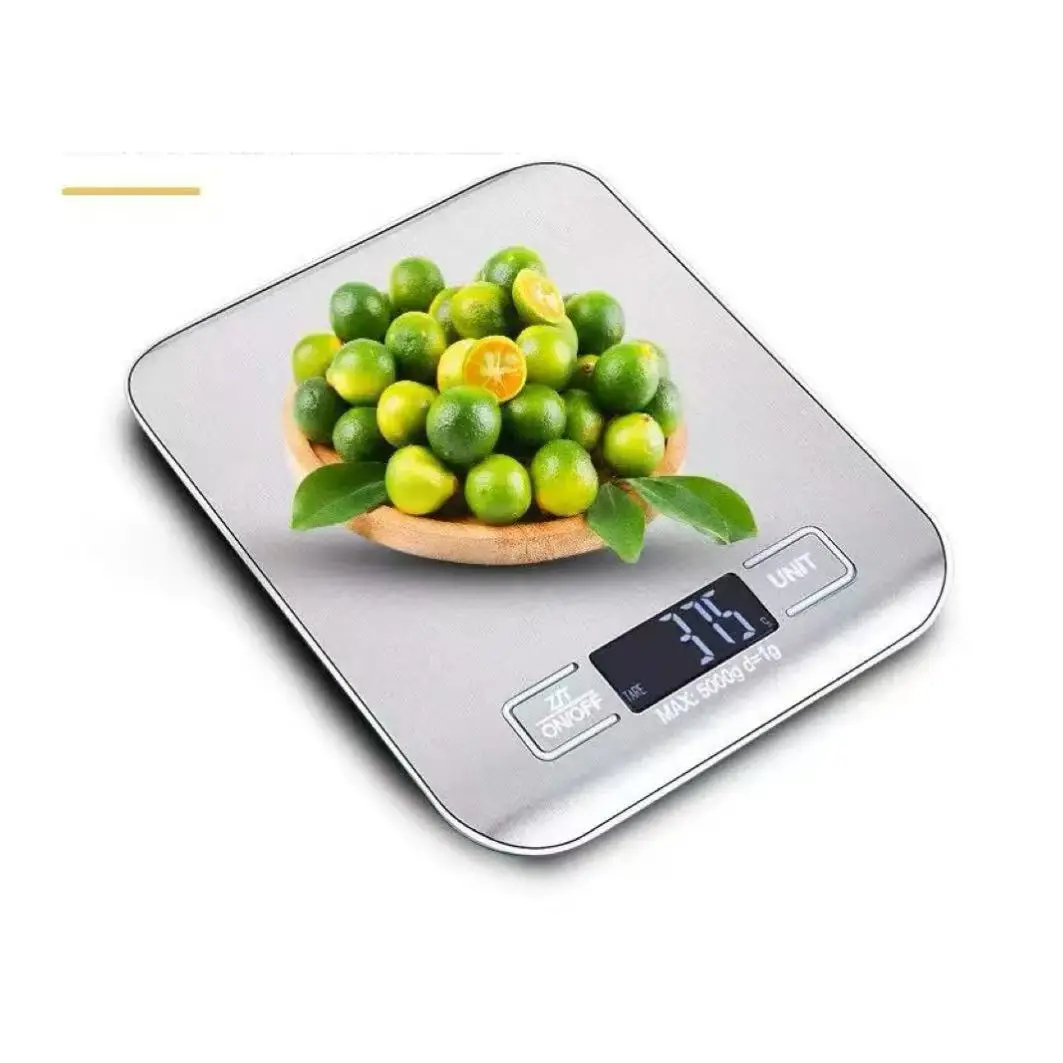


Browse kitchen and portion tools on Amazon
Food scales, portion containers and measuring sets, as an Amazon category search. We have not tested individual products.


