Why my PCOS diet kept failing (and why yours might too)
I spent ten years chasing diets that promised to fix my PCOS. Low-carb, keto, vegan, intermittent fasting — you name it, I tried it. And every single time, I'd lose a few pounds, feel hopeful for about two weeks, then watch them creep back on like they were never gone. It wasn't until I stopped treating PCOS like a weight-loss problem and started treating it like a hormonal one that things finally shifted.
Here's the hard truth: if you have PCOS, your body isn't just fighting fat — it's fighting inflammation, insulin resistance, and a messed-up hunger signal system. No amount of willpower or green juices is going to override that. I learned this the hard way when I realized my "healthy" 1,500-calorie days were actually making my cravings worse because I wasn't eating enough protein or fat to keep my blood sugar steady.
So if you're tired of the yo-yo cycle and ready to stop blaming yourself for failing yet another diet, let's talk about what actually works for PCOS — not what Instagram tells you.
PCOS isn't a weight problem — it's a hormonal one
I used to think my PCOS was just about my ovaries. Turns out, it's about my whole body. PCOS messes with insulin, which then messes with your hunger hormones, which then makes you crave sugar even when you're not hungry. It's a vicious cycle that no amount of salad or cardio can break.
When I finally got my blood work back and saw my fasting insulin at 28 (normal is under 10), I realized why my "clean eating" wasn't working. My body was storing fat because it thought it was starving — even though I was eating 1,800 calories a day. That's when I stopped counting calories and started counting nutrients.
Here's what changed for me:
- Protein first. I now aim for at least 30 grams at every meal. Eggs for breakfast, chicken with lunch, Greek yogurt for a snack. It keeps my blood sugar from crashing and my cravings at bay.
- Fiber to slow things down. I used to eat a banana for breakfast and wonder why I was starving by 10 a.m. Now I pair carbs with fiber — oatmeal with chia seeds, quinoa with roasted veggies — to keep my glucose steady.
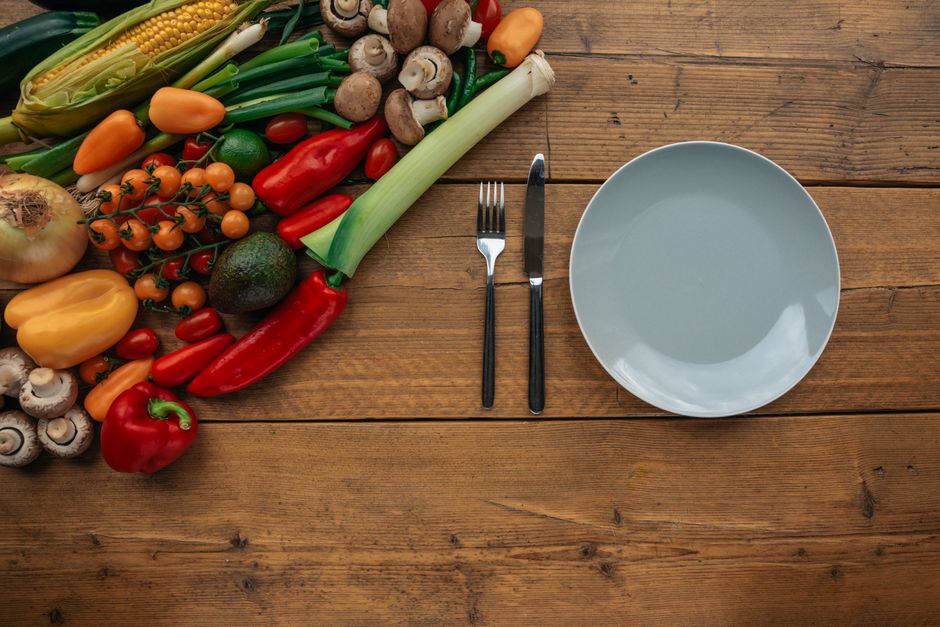
- Healthy fats to stay full. Avocados, nuts, olive oil. These aren't just for taste — they tell my brain I'm satisfied so I don't keep raiding the pantry at night.
I wish I could say this was easy. The first week of eating this way, I felt like I was starving. My body was used to the sugar rollercoaster, and it fought me every step of the way. But after about ten days, my cravings faded. And six months later, I'd lost 22 pounds without counting a single calorie.
Why cutting carbs completely backfired for me
I spent a whole year eating under 50 grams of carbs a day. No bread, no rice, no fruit. Just meat, cheese, and vegetables. And you know what? I gained weight. My energy crashed by 3 p.m., my workouts felt sluggish, and my skin broke out worse than ever.
Turns out, my body needed carbs — just the right kind. The problem wasn't carbs themselves; it was the kind I was eating. White pasta, sugary cereals, and processed snacks were spiking my insulin. But sweet potatoes, berries, and quinoa? Those kept me full for hours.
Now I use carb cycling to match my carbs to my activity level. High-carb days are on workout days when my muscles need fuel. Low-carb days are for rest days when I focus on protein and fats. It's not about restriction — it's about strategy.
If you're tempted to go keto for PCOS, ask yourself: Can I do this forever? Because if the answer's no, it's not the right plan for you. Sustainable weight loss isn't about perfection — it's about finding what you can stick with.
The supplement that finally helped my cravings (and the one that didn't)
I wasted so much money on supplements that promised to "fix" my PCOS. Berberine, cinnamon, magnesium — you name it, I tried it. Most of them did nothing. But two actually made a difference:
- Inositol. This B-vitamin-like compound helps lower insulin and regulate my cycle. I take 2,000 mg a day, and it's cut my sugar cravings in half. Studies show it can improve ovulation and metabolic health in PCOS.
- Vitamin D. I was deficient for years, and it was making my fatigue and mood swings worse. Now I take 5,000 IU daily in the winter, and my energy levels are finally consistent. Research links low vitamin D to insulin resistance in PCOS.
On the flip side, I spent $100 on a berberine supplement that gave me nothing but digestive issues. Save your money — focus on the basics first. Fix your diet, get your blood work done, then add supplements if you still need help.
Why I stopped weighing myself every day (and why you should too)
I used to step on the scale three times a day. One pound up? Panic. One pound down? Celebration. It was exhausting. And it made me miss the bigger picture: my body wasn't changing day to day, but it was changing month to month.
Now I weigh myself once a week, first thing in the morning. I also track how my clothes fit and how I feel. Some weeks the scale doesn't move, but my jeans are looser. Other weeks it drops a pound, but my energy is still trash. That's when I know I need to adjust something — usually my sleep or stress levels.
PCOS weight loss isn't linear. Some months I lose 2 pounds. Other months I stay the same. But as long as I'm consistent with my habits, the scale eventually catches up. And that's enough for me.
What my "perfect" PCOS day looks like now
I'm not saying this is the only way to eat for PCOS. But it's what works for me after years of trial and error. Feel free to tweak it to fit your life:
- Breakfast: Scrambled eggs with spinach, feta, and a slice of whole-grain toast. Black coffee with a splash of heavy cream.
- Snack: Greek yogurt with 1 tbsp almond butter and a handful of raspberries.
- Lunch: Grilled chicken salad with mixed greens, avocado, cucumber, and olive oil dressing. Side of roasted sweet potato.
- Snack: Cottage cheese with cinnamon and walnuts.
- Dinner: Baked salmon with quinoa and steamed broccoli. Glass of dry red wine (yes, I still drink sometimes).
I don't track macros or calories anymore. I just eat real food, prioritize protein and fiber, and stop when I'm 80% full. It's simple, but it's not easy at first. The first few weeks are the hardest because your body has to adjust. But once it does? The cravings fade. The energy comes back. And the weight starts to shift.
Why sleep and stress matter more than you think
I used to brag about surviving on four hours of sleep and a double espresso. My PCOS didn't care. My cortisol was through the roof, my insulin resistance got worse, and my cravings were out of control.
Now I prioritize sleep like it's my job. I aim for seven hours a night, and I'm strict about my bedtime routine: no screens an hour before bed, blackout curtains, and a cool room. It's not always perfect — I've had nights where I toss and turn for hours — but I know how much it affects my hunger the next day.
Stress is another silent killer for PCOS. When I'm anxious, my cortisol spikes, which tells my body to store fat and crave sugar. I've tried meditation, yoga, therapy — nothing stuck until I found something that actually worked for me: walking outside without my phone. Just 20 minutes a day to clear my head. It's not a cure, but it's a game-changer for my cravings.
If you're not sleeping or managing stress, no diet will fix your PCOS. It's like trying to fill a bucket with a hole in the bottom.
What I wish I knew before I started
Looking back, there are a few things I'd tell my younger self about PCOS and diet:
- You can't out-train a bad diet. I spent years doing two-hour gym sessions, thinking it would cancel out my sugar cravings. It didn't. What did? Eating enough protein and fiber to keep my blood sugar stable.
- Your body isn't broken — it's just different. PCOS makes your metabolism slower and your hunger signals louder. That's not a personal failure. It's just how your body works.
- Progress isn't just about the scale. I used to think weight loss was the only measure of success. Now I track energy levels, sleep quality, and how my clothes fit. Those matter just as much as the number on the scale.
I also wish I'd known that it's okay to eat carbs. It's okay to have a slice of pizza. It's okay to not be perfect. PCOS isn't about deprivation — it's about balance.
When to see a doctor (and what to ask for)
If you're struggling with PCOS and weight loss, don't wait years like I did to get help. Ask your doctor for these tests:
- Fasting insulin and glucose
- HbA1c
- Thyroid panel (TSH, free T3, free T4)
- Vitamin D
- Cortisol (if you're dealing with fatigue or stress)
Many doctors will tell you to just lose weight, but PCOS is a metabolic disorder. You need targeted support, not generic advice. If your doctor brushes you off, find one who won't.
FAQ: PCOS and diet questions I get all the time
Can I eat fruit if I have PCOS?
Yes, but choose wisely. Berries, green apples, and kiwis are lower in sugar than bananas or mangoes. Pair fruit with protein or fat to slow down the sugar spike. I used to eat a banana for breakfast and crash by 10 a.m. Now I have it with almond butter, and it keeps me full for hours.
Do I have to cut out dairy for PCOS?
Not necessarily. Some women with PCOS do better without dairy, but others tolerate it fine. If you're sensitive, try eliminating it for two weeks and see how you feel. I cut out dairy for a month and noticed my skin cleared up, but my energy dropped. So I added it back in moderation and found a balance.
How long does it take to see changes with PCOS?
It varies, but most women see small changes in 4-6 weeks and bigger shifts in 3-6 months. I lost 5 pounds in the first month, but my energy and cravings didn't improve until month three. PCOS isn't a quick fix, but it's a fix that lasts if you stick with it.
Key takeaways (the stuff I wish I knew sooner)
- PCOS isn't about willpower — it's about hormones. No diet will work if it doesn't address insulin resistance and inflammation.
- Protein and fiber are your best friends. They keep your blood sugar steady and your cravings under control.
- Carbs aren't the enemy. It's about choosing the right ones and timing them right.
- Sleep and stress matter just as much as diet. Ignore them, and no meal plan will save you.
- Progress isn't linear. Some weeks you'll lose, some weeks you won't. As long as you're consistent, the scale will eventually catch up.
Final thought: You're not failing — you're learning
I spent a decade blaming myself for my PCOS. I thought if I just tried harder, if I just ate less, if I just worked out more, I'd finally get the body I wanted. But the truth is, my body wasn't the problem. My approach was.
If you're reading this and feeling frustrated, I get it. I've been there. But you're not stuck. You're not broken. You just need a plan that works with your body, not against it.
Start small. Pick one thing to change this week — maybe it's adding more protein to breakfast or going to bed 30 minutes earlier. Then build from there. It won't happen overnight, but it will happen.
And when it does? You'll look back and realize the struggle was worth it.
Need more help? Check these out
- Weight Loss Plateau? 5 Science-Backed Ways to Break Through
- Drink Your Way Slim: How Water Boosts Weight Loss Naturally
- The Science-Backed Workout That Burns Fat While You Sleep
And if you're ready to dive deeper, this guide has everything you need to lose fat without starving yourself.
Recommended Health & Fitness Gear