Why Meal Planning Works for Weight Loss
When you decide what to eat ahead of time, you remove the guesswork that often leads to impulsive snacks or oversized portions. Research shows that people who plan meals tend to consume fewer calories while still feeling satisfied. One reason is that planning helps you match your energy intake to your actual needs, reducing the chance of overeating. Another benefit is that you can intentionally include nutrient‑dense foods that keep hunger at bay.
Think of your week as a canvas. By filling it with balanced meals, you create a structure that supports steady energy levels and curbs cravings. This approach also makes it easier to track progress, because you know exactly what went into each dish.
If you've hit a stall, revisiting your plan can help you break through a plateau by adjusting macros or meal timing without drastic changes.
Building Your Weekly Menu
Start with a simple framework: choose a protein, a vegetable, and a carbohydrate for each main meal. Rotate options to keep things interesting. For example, Monday could be grilled chicken with broccoli and quinoa, Tuesday might feature baked salmon with asparagus and sweet potato, and so on.
When selecting recipes, aim for dishes that use similar ingredients across multiple meals. This reduces waste and saves money. A big batch of roasted chickpeas can top salads, wraps, and grain bowls throughout the week.
Don't forget snacks. Pair a piece of fruit with a handful of nuts, or dip veggie sticks in hummus. Having these ready prevents you from reaching for processed options when hunger strikes.
For inspiration, check out this Source on how structured meal planning improves weight loss outcomes.
Smart Shopping Strategies
Armed with your menu, create a shopping list grouped by store sections - produce, proteins, grains, dairy, and pantry. Stick to the list to avoid impulse buys that add extra calories and cost.
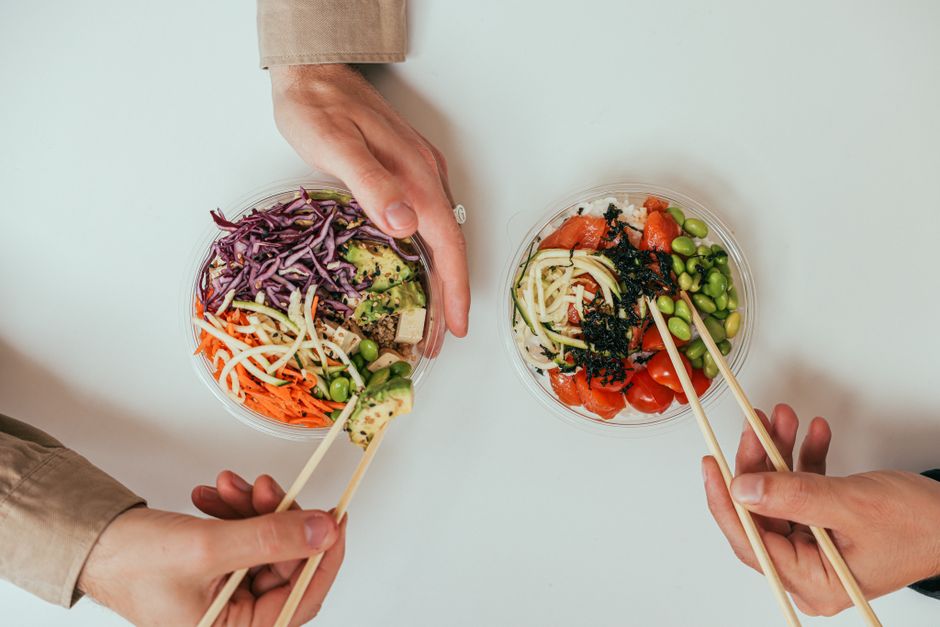
When you're in the produce aisle, choose a variety of colors. Different hues often signal different phytonutrients, which support overall health while keeping meals visually appealing.
Consider buying frozen vegetables and fruits. They are picked at peak ripeness, retain nutrients, and are often cheaper than fresh out‑of‑season options. They also cook quickly, making weeknight meals easier.
If you're looking for ways to increase volume without adding many calories, explore low-calorie dense foods like leafy greens, cucumbers, and broth‑based soups.
For guidance on portion sizes and healthy choices, refer to this Source from Harvard Health.
Prep Like a Pro
Set aside a block of time - maybe Sunday afternoon - to wash, chop, and cook staple items. Cook a large pot of brown rice or pasta, grill several chicken breasts, and roast a tray of mixed vegetables.
Divide cooked foods into individual containers. Label each with the date and meal name. This makes grabbing lunch or dinner as easy as opening the fridge.
Use versatile sauces and dressings stored in small jars. A simple vinaigrette, a yogurt‑herb dip, or a spicy salsa can transform the same base ingredients into entirely different meals.
Keep a few emergency options on hand, such as canned tuna, eggs, or pre‑cooked lentils, for days when time runs short.
Research from the Mayo Clinic shows that consistent meal prep is linked to better adherence to nutrition goals (Source).
Adjusting Portions Without Feeling Hungry
Portion control doesn't mean eating tiny amounts that leave you craving more. Instead, focus on balancing macronutrients and adding volume with water‑rich foods.
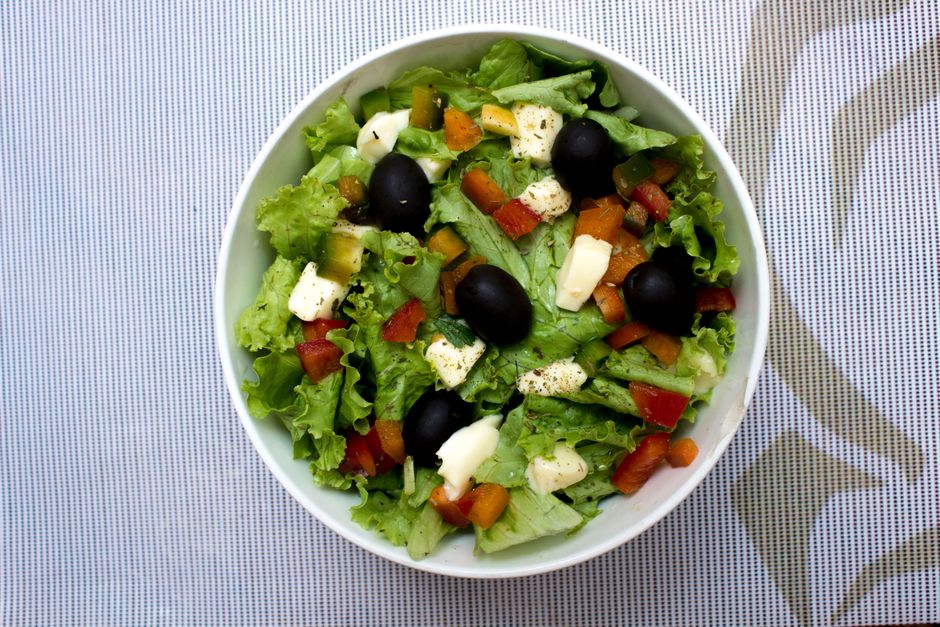
Start your meal with a salad or soup. The liquid and fiber fill your stomach, signaling fullness before you move to the main dish. Then allocate roughly half your plate to vegetables, one quarter to lean protein, and the remaining quarter to whole grains or starchy veggies.
If you still feel hungry after a plate, add another serving of non‑starchy vegetables or a small piece of fruit. The extra fiber and water will satisfy without many calories.
Listening to your body's cues is key. Eat slowly, put down your fork between bites, and stop when you feel comfortably full - not stuffed.
For more on using hydration to aid satiety, see this stay hydrated guide.
Overcoming Common Obstacles
Time Constraints
When evenings get busy, rely on your prep work. A pre‑portioned container of quinoa, black beans, and roasted veggies can be microwaved in minutes. Add a pre‑cooked protein like grilled shrimp or a boiled egg, and you have a complete meal.
Budget Worries
Buy in bulk when possible. Large bags of brown rice, dried beans, and frozen fruit are cost‑effective. Choose store brands and look for sales on lean meats; you can freeze portions for later use.
Flavor Fatigue
Rotate spices and cuisines. One week try Mexican‑inspired dishes with cumin and lime; the next week go Mediterranean with oregano and lemon. Changing the flavor profile keeps meals exciting without extra effort.
Social Events
Before heading out, review the menu if available and decide what fits your plan. Offer to bring a dish that aligns with your goals, such as a veggie platter with hummus or a fruit salad.
Remember that occasional flexibility is part of a sustainable approach. One off‑plan meal won't derail progress if you return to your routine afterward.
Monitoring Results and Making Tweaks
Tracking what you eat and how you feel provides valuable feedback. Use a simple notebook or a phone app to log meals, energy levels, and any cravings. Reviewing this data weekly helps you spot patterns - perhaps you're consistently low on protein at lunch, or you tend to snack more after a stressful meeting.
Based on what you notice, adjust your plan. If you're hungry mid‑morning, add a boiled egg or a Greek yogurt cup to your breakfast box. If you feel sluggish after dinner, reduce the starchy portion and increase the veggie share. Small tweaks keep the plan aligned with your body's signals.
Weight fluctuations are normal. Focus on trends over several weeks rather than day‑to‑day changes. If the scale stalls for more than two weeks, revisit your calorie balance, activity level, and stress management. Sometimes a brief reset - like a day of lighter meals and extra water - can reignite progress.
Evidence from a World Health Organization report highlights that regular self‑monitoring improves long‑term weight management success (Source).
FAQ
How far in advance should I plan my meals?
Many people find a weekly plan works best. It gives enough variety to avoid boredom while staying manageable. If your schedule changes often, you can plan three to four days ahead and fill in gaps with quick‑assembly options.
Do I need to count calories?
Counting can be helpful at first to learn portion sizes, but it's not required forever. Once you internalize what a balanced plate looks like, you can rely on visual cues and hunger signals.
Can I still enjoy my favorite treats?
Absolutely. Schedule a small portion of a treat you love - perhaps a square of dark chocolate or a modest serving of ice cream - into your plan. Knowing it's accounted for reduces guilt and helps you stay on track.
TL;DR
- Meal planning removes guesswork and supports consistent calorie control.
- Build a weekly menu around protein, veg, and carbs, using overlapping ingredients to save time and money.
- Shop with a list, prioritize colorful produce, and consider frozen options for convenience.
- Prep staple foods in batches, store them in labeled containers, and use versatile sauces to keep meals interesting.
- Focus on volume with water‑rich foods, start meals with soup or salad, and listen to fullness cues.
- Address common barriers - time, budget, flavor fatigue, and social events - with practical strategies.
- Flexibility and occasional treats keep the approach sustainable long term.
Recommended Health & Fitness Gear