Why Portion Control Feels Like Deprivation, and How to Fix It
Portion control is often framed as a battle between willpower and hunger, but the real issue lies in how we perceive food volume, timing, and satisfaction. People who focus solely on reducing portion sizes without addressing meal composition or eating rate tend to report higher levels of hunger and dissatisfaction, which undermines long-term adherence.
Instead of treating portion control as a form of restriction, a more sustainable approach involves redesigning meals to maximize satiety while minimizing excess calories. This requires understanding the interplay between food volume, macronutrient density, and eating behaviors, factors that influence both short-term fullness and long-term metabolic responses.
How the Brain Registers Fullness: The Role of Volume and Speed
Satiety, the feeling of fullness that lingers after a meal, isn’t just about calorie count. It’s also tied to the physical volume of food consumed and the time it takes to eat. A study from the Harvard T.H. Chan School of Public Health highlights that meals with higher water content (e.g., soups, stews) and fiber-rich foods (e.g., vegetables, legumes) trigger stretch receptors in the stomach more effectively than dense, calorie-dense foods (Harvard Nutrition Source, 2023).
Eating speed further modulates this response. People who consume meals in under 20 minutes tend to eat more calories before registering fullness, while slower eaters, those who pause between bites, report greater satisfaction with smaller portions. This aligns with the Mayo Clinic’s guidance on mindful eating, which emphasizes chewing thoroughly and minimizing distractions to improve satiety cues (Mayo Clinic, 2022).
The Plate Method: A Visual Framework for Realistic Portions
For those seeking a straightforward, science-backed approach to portioning, the Harvard Healthy Eating Plate offers a practical template. It divides a 9-inch plate into three sections:
- Half vegetables and fruits: These foods are low in calories but high in volume, fiber, and water, which promote fullness. Aim for a variety of colors to ensure micronutrient diversity.
- One-quarter lean protein: Sources like poultry, fish, tofu, or legumes help stabilize blood sugar and reduce post-meal cravings. Plant-based proteins also contribute fiber, further enhancing satiety.
- One-quarter whole grains or starchy vegetables: Opt for minimally processed options like quinoa, brown rice, or sweet potatoes to avoid rapid blood sugar spikes that can trigger hunger soon after eating.
This method doesn’t require weighing food or memorizing serving sizes. Instead, it leverages visual cues to create balanced meals that naturally limit excess calories without feeling restrictive.
Mindful Eating Hacks That Work in Real Life
Portion control isn’t just about what’s on the plate, it’s about how we interact with food. Small behavioral adjustments can significantly reduce overeating by aligning with the body’s natural satiety signals:
- Use smaller plates and bowls: People consistently serve themselves more food when using larger dishware, regardless of hunger levels. Switching to a 7- to 8-inch plate can reduce portion sizes by 20–30% without conscious effort.
- Pre-portion snacks: Bulk snacks like nuts, popcorn, or crackers into single-serving containers to avoid mindless grazing. People who portion snacks in advance eat noticeably less than those who snack straight from the package.
- Drink water before meals: Drinking about 500 mL of water half an hour before eating reduces how much people eat at that meal. Carbonated water may enhance this effect by promoting gastric distension.
- People who ate while watching TV consumed 10% more calories during the meal and reported less satisfaction afterward. Removing distractions allows the brain to process fullness cues more accurately.
Debunking the Myth: "Smaller Portions Mean Starvation"
A common misconception is that reducing portion sizes automatically leads to chronic hunger or metabolic slowdown. However, the body adapts to moderate calorie deficits without significant metabolic suppression, provided protein intake is adequate and activity levels are maintained.
The key is distinguishing between acute hunger, a temporary signal to eat, and chronic hunger, which often stems from inadequate meal composition (e.g., low protein or fiber) or eating patterns (e.g., prolonged gaps between meals). People who prioritize protein and fiber in their meals report lower hunger levels even at calorie deficits, challenging the idea that portion control inherently leads to deprivation.
7-Day Action Plan: Portion Control Without the Struggle
This structured routine balances practicality with evidence-based strategies. Adjust portion sizes based on individual hunger cues and activity levels.
| Day | Focus | Action Steps |
|---|---|---|
| Days 1–2 | Plate Method Mastery |
|
| Days 3–4 | Snack Pre-Portioning |
|
| Days 5–6 | Hydration and Speed Control |
|
| Day 7 | Reflection and Adjustment |
|
Recommended Health & Fitness Gear



Troubleshooting Common Portion Control Pitfalls
Even with the best intentions, portion control can falter in specific scenarios. Here’s how to address frequent challenges:
- Social eating: Restaurant meals often exceed recommended portions by 200–300%. To compensate, split an entrée with a dining partner or request a half-portion upfront. People who split restaurant meals eat substantially less without feeling any less satisfied.
- Emotional triggers: Stress and boredom can override satiety cues. Instead of restricting intake entirely, redirect the urge toward low-calorie, high-volume activities (e.g., a 10-minute walk or sipping herbal tea). Hydration often reduces false hunger signals.
- Travel or convenience foods: Pre-packaged snacks and fast food are designed for maximum palatability, which can lead to overeating. Opt for single-serve packages or portion out bulk items (e.g., nuts, crackers) before leaving home.
- Alcohol: Alcoholic beverages provide empty calories and impair judgment, often leading to larger food portions. Limit to 1–2 drinks per occasion and alternate with water to pace consumption.
FAQ: Portion Control Clarified
Q: How do I know if I’m eating enough protein to avoid hunger?
Aim for 20–30 grams of protein per meal, which maximizes satiety. For reference, 3 oz of chicken breast provides ~26 grams, while ½ cup of cooked lentils offers ~9 grams.
Q: Is it better to eat 3 large meals or 5–6 smaller ones to control portions?
Neither approach is inherently superior. The key is consistency in meal timing and composition. Some people thrive on three meals with balanced portions, while others prefer smaller, more frequent meals to manage hunger.
Q: Can I use intermittent fasting for portion control?
Intermittent fasting can simplify portion control by reducing the eating window, but it doesn’t inherently prevent overeating. If fasting leads to ravenous hunger, it may backfire by triggering larger portions later.
Q: What’s the most accurate way to measure portions without a scale?
Use hand-based estimates: a palm-sized portion of protein, a fist-sized portion of vegetables, and a cupped hand for grains or starches. These methods correlate closely with standardized serving sizes.
In Short
- Volume matters more than calories alone: High-water, high-fiber foods stretch the stomach and trigger satiety signals more effectively than dense, calorie-rich foods.
- Eating speed and environment shape portions: Slower eating and distraction-free meals reduce overeating by allowing the brain to register fullness.
- The plate method simplifies portioning: Dividing meals into quarters for protein, grains, and vegetables ensures balance without meticulous tracking.
- Pre-portioning and hydration curb cravings: Structuring snacks and drinking water before meals reduces mindless eating and false hunger.
- Metabolic adaptation is minimal with adequate protein: Moderate calorie deficits don’t inherently slow metabolism if protein intake and activity levels are maintained.
If you want to go deeper, see How Portion Size Fools the Brain (and How to Beat It).
Advertising disclosure: the links below are affiliate links. We may earn a commission if you use them, at no extra cost to you. This does not change the article's content, and it is not a medical recommendation.
Browse kitchen and portion tools on Amazon
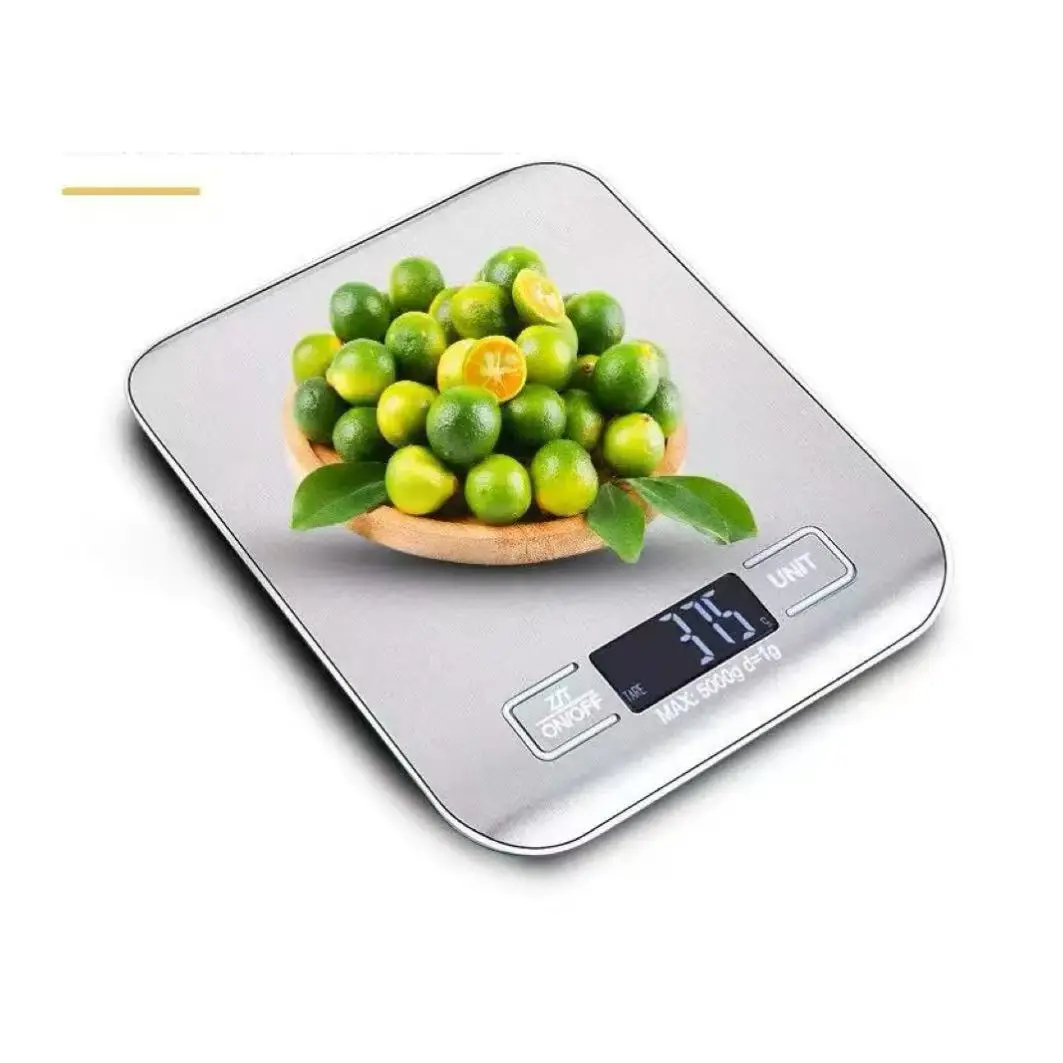
Food scales, portion containers and measuring sets, as an Amazon category search. We have not tested individual products.