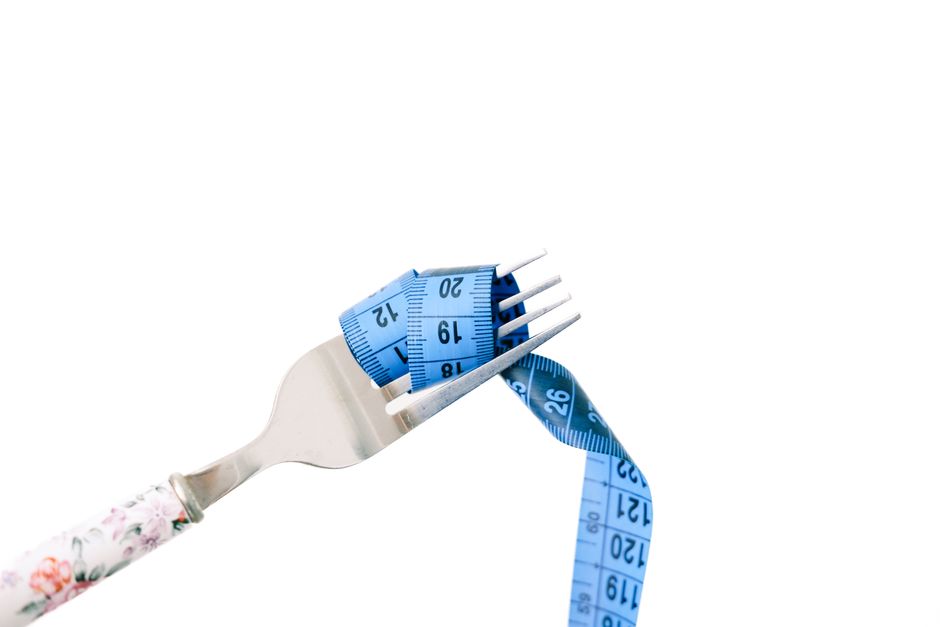
Why Protein Timing and Distribution Matter for Fat Loss
Protein is the most satiating macronutrient, meaning it helps regulate appetite by influencing hormones like, which signal hunger and fullness. For weight loss, the goal isn’t just total daily protein intake but how that protein is spaced across meals. Distributing protein evenly throughout the day, rather than consuming most of it in one or two sittings, may improve satiety and support fat loss by reducing overall calorie intake.
This approach aligns with the body’s physiological response to protein. When protein is consumed in smaller, frequent doses, it triggers a sustained release of satiety hormones, which can curb overeating later in the day. Conversely, large protein meals may lead to discomfort or a temporary suppression of appetite that later rebounds into cravings or compensatory eating.
How Much Protein Per Meal Is Optimal?
Current guidelines recommend a minimum of 1.2 to 2.2 grams of protein per kilogram of body weight per day for healthy adults, with higher intakes beneficial during weight loss or muscle retention. However, the distribution of this protein across meals is equally important. Meals containing 20 to 40 grams of high-quality protein, such as lean meats, eggs, dairy, or legumes, maximize satiety without causing digestive distress.
For most adults, aiming for 25 to 30 grams of protein per meal is a practical target. This amount supports muscle protein synthesis and promotes fullness without overwhelming the digestive system. Larger individuals or those with higher activity levels may tolerate slightly more per meal, but exceeding 40 grams in a single sitting rarely provides additional benefits and can lead to bloating or sluggishness.
Designing High-Protein Meals That Won’t Leave You Stuffed
Not all high-protein meals are created equal. The key is to pair protein with fiber-rich vegetables, healthy fats, and complex carbohydrates to slow digestion and enhance satiety. For example, a grilled chicken breast with roasted broccoli and quinoa is more satisfying than a plain chicken breast alone. Similarly, Greek yogurt with berries and nuts offers a balanced option compared to a protein shake consumed on an empty stomach.
Another strategy is to prioritize lean protein sources, which are easier to digest and less likely to cause bloating. Options like skinless poultry, fish, tofu, and low-fat dairy are excellent choices. Plant-based proteins, such as lentils or chickpeas, can also be effective when combined with whole grains to form complete proteins.
Protein Timing: When to Eat for Maximum Satiety
Timing protein intake around workouts and throughout the day can further optimize its effects. Consuming protein within 2 to 3 hours post-exercise supports muscle recovery, while spreading intake evenly across meals helps maintain steady energy levels and reduces hunger. Breakfast is often a critical opportunity to set the tone for the day. A protein-rich breakfast, such as eggs with avocado or cottage cheese with fruit, can reduce mid-morning cravings and improve overall calorie control.
Evening meals should also include a moderate amount of protein to prevent overnight muscle breakdown and promote satiety. However, avoid very large protein portions late at night, as they may disrupt sleep or cause digestive discomfort. Instead, opt for a balanced meal with protein, fiber, and healthy fats to support restful sleep and stable appetite the next day.
Myth: More Protein Always Means Better Results
A common misconception is that consuming excessive protein in one meal will yield greater fat loss or muscle gain. In reality, the body has a limited capacity to utilize protein at any given time. Surpassing 40 grams of protein in a single meal does not enhance muscle protein synthesis and may lead to unnecessary calorie intake, which can hinder weight loss goals.
Additionally, high-protein diets that lack fiber or other nutrients can cause digestive issues, such as constipation or bloating. Balance is essential. Protein should be part of a varied diet that includes vegetables, fruits, whole grains, and healthy fats to ensure overall nutritional adequacy.
Recommended Health & Fitness Gear



Practical Tips for Protein Distribution
- Start with breakfast: Include at least 20 grams of protein in your morning meal to curb hunger and reduce snacking later in the day.
- Plan snacks strategically: Choose protein-rich snacks like Greek yogurt, hard-boiled eggs, or a small handful of nuts to bridge gaps between meals.
- Prioritize whole foods: Processed protein bars or shakes can be convenient, but whole food sources provide additional nutrients and fiber.
- Hydrate well: Adequate water intake supports digestion and helps prevent bloating, which can occur with high-protein meals.
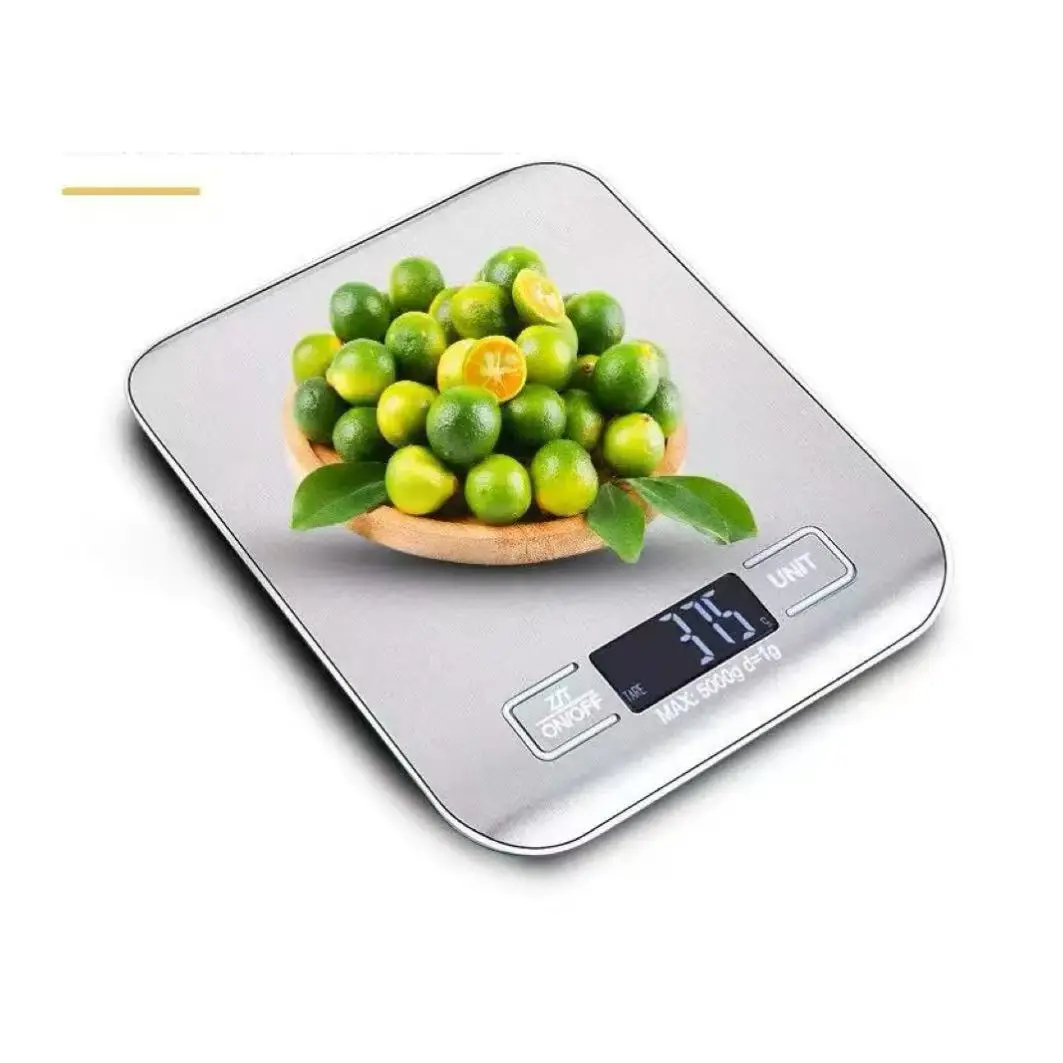
- Monitor portion sizes: Use a food scale or measuring tools to ensure you’re hitting your protein targets without overdoing it.
FAQ: Protein and Weight Loss
Can I eat too much protein in a day?
While protein is essential, excessive intake, beyond what the body can use, may contribute to excess calorie consumption, which can hinder weight loss. For most adults, 1.6 to 2.2 grams per kilogram of body weight per day is sufficient. Beyond this, additional protein is typically stored as energy or excreted, rather than being used for muscle building.
Is it better to eat protein before or after a workout?
Both timing strategies can be effective. Consuming protein before a workout may help reduce muscle breakdown during exercise, while post-workout protein supports recovery. The most important factor is meeting your daily protein needs consistently, rather than focusing solely on timing around workouts.
Do plant-based proteins work as well as animal proteins for satiety?
Plant-based proteins can be just as satiating as animal proteins when consumed in adequate amounts and paired with fiber-rich foods. However, some plant proteins are less bioavailable, meaning the body may not absorb them as efficiently. Combining different plant sources (e.g., beans and rice) can improve protein quality and satiety.
What if I feel stuffed after high-protein meals?
If you experience discomfort after eating protein, try reducing portion sizes slightly or spacing protein intake further apart. Including more vegetables and healthy fats in your meals can also slow digestion and improve tolerance. If symptoms persist, consult a healthcare provider to rule out digestive conditions like lactose intolerance or IBS.
What Matters Most
- Distribute protein evenly: Aim for 25 to 30 grams per meal to maximize satiety and support fat loss.
- Balance meals: Pair protein with fiber, healthy fats, and complex carbohydrates to enhance fullness and digestion.
- Prioritize whole foods: Lean meats, fish, eggs, dairy, legumes, and tofu are excellent sources of high-quality protein.
- Avoid overloading: More than 40 grams of protein in a single meal rarely provides additional benefits and may cause digestive discomfort.
- Hydrate and monitor: Adequate water intake and portion control help prevent bloating and ensure balanced nutrition.
Further Reading from Health Authorities
- Harvard T.H. Chan School of Public Health -- Healthy Eating Plate
- National Institute of Diabetes and Digestive and Kidney Diseases (NIDDK)
- MedlinePlus (U.S. National Library of Medicine)
Related reading
Advertising disclosure: the links below are affiliate links. We may earn a commission if you use them, at no extra cost to you. This does not change the article's content, and it is not a medical recommendation.
Browse kitchen and portion tools on Amazon
Food scales, portion containers and measuring sets, as an Amazon category search. We have not tested individual products.