
Why Alcohol Is the Invisible Barrier to Your Weight Loss
Alcohol occupies a unique and paradoxical space in nutrition science. It provides calories, 7 per gram, nearly as much as fat, yet unlike macronutrients, it is metabolized first, disrupting normal energy pathways. For individuals pursuing fat loss, alcohol is not just an empty calorie; it is a metabolic disruptor that influences appetite, fat storage, and recovery. Alcohol intake can suppress fat oxidation by up to 73% during the hours following consumption, redirecting the body toward processing ethanol instead of dietary fat.
This metabolic hijacking is compounded by behavioral effects. Alcohol lowers inhibitions, increases impulsivity, and stimulates appetite, particularly for high-calorie, low-nutrient foods. People consume an average of 300 additional calories on days they drink, with a significant portion coming from post-drinking snacking (Source: Harvard T.H. Chan School of Public Health).
The Metabolic Cost of Drinking: What Happens After One Drink
When alcohol enters the bloodstream, the liver prioritizes its metabolism over all other functions, including fat burning. Ethanol is converted to acetaldehyde, then to acetate, a process that requires NAD+, a coenzyme critical for energy production. This diversion depletes NAD+ reserves, slowing the Krebs cycle and reducing the liver’s capacity to oxidize fat. Over time, repeated alcohol exposure can lead to fatty liver disease, which further impairs metabolic flexibility and insulin sensitivity (Source: Mayo Clinic Nutrition Guide).
Beyond the liver, alcohol affects the brain’s hunger-regulating centers. It suppresses leptin, the hormone that signals satiety, while increasing ghrelin, the hunger-stimulating hormone. This hormonal imbalance can persist for up to 24 hours, making it easier to overeat the day after drinking. Sleep quality also declines with alcohol consumption, even if total sleep duration remains unchanged. Alcohol fragments sleep architecture, reducing deep and REM sleep, which are essential for appetite regulation and muscle recovery.
Does Alcohol Cause "Beer Belly"? Separating Myth from Mechanism
A common misconception is that alcohol directly causes fat to accumulate in the abdomen. In reality, fat distribution is determined by genetics, sex, and overall energy balance. However, alcohol does contribute to abdominal fat indirectly by promoting visceral fat storage through two primary pathways: increased cortisol-like stress responses and impaired fat oxidation.
Alcohol triggers a mild stress response in the body, elevating cortisol levels. While cortisol itself does not directly create fat, it increases appetite and cravings for calorie-dense foods, particularly those high in sugar and fat. Over time, if energy intake exceeds expenditure, this can lead to fat gain, especially in the abdominal region, which is more sensitive to hormonal fluctuations. Additionally, alcohol’s caloric density, often consumed in liquid form, makes it easy to exceed daily energy needs without feeling satiated.
Low-Calorie Drinking: A Strategy, Not a Solution
Cutting calories from alcohol is a valid approach for those unwilling to abstain, but it requires more than just switching to light beer or vodka sodas. The body processes alcohol regardless of its source, and the metabolic disruption remains. Still, certain choices can mitigate secondary effects:
- Prioritize clear spirits over sugary cocktails. A 1.5-ounce shot of vodka or gin contains about 97 calories, compared to 150–200 in a piña colada.
- Choose low-calorie mixers like sparkling water, diet tonic, or fresh citrus over juice or soda.
- Avoid drinking on an empty stomach. Food, especially protein and fiber, slows alcohol absorption and reduces peak blood alcohol concentration.
- Set a calorie budget. For example, limit alcohol to 100–150 calories per occasion, equivalent to one standard drink.
Even with these adjustments, the metabolic cost of alcohol remains. The most effective strategy for fat loss is to reduce frequency, not just calories per drink.
Your 7-Day Alcohol Reset: A Practical Protocol
This structured plan helps identify how alcohol affects your weight loss without requiring complete abstinence. It combines behavioral tracking, metabolic awareness, and nutritional safeguards.
| Day | Focus | Action Steps |
|---|---|---|
| Day 1 | Baseline Tracking |
|
| Day 2–3 | Hydration & Timing |
|
| Day 4–5 | Calorie Swap |
|
| Day 6–7 | Frequency Reduction |
|
At the end of the week, assess changes in weight, waist circumference, and subjective well-being. Many individuals report reduced bloating, improved sleep, and fewer cravings after minimizing alcohol.
Myth: "I Can Out-Exercise the Calories from Alcohol"
This belief underestimates the metabolic and behavioral consequences of drinking. While exercise burns calories, it does not compensate for alcohol’s suppression of fat oxidation. A single night of moderate drinking can reduce fat burning by over 50% for up to 24 hours.
In addition,, alcohol impairs post-exercise recovery by disrupting protein synthesis and glycogen replenishment. Consuming alcohol after resistance training reduces muscle protein synthesis by approximately 20–40%, slowing progress toward body recomposition goals (Source: Harvard T.H. Chan School of Public Health).
Exercise cannot reverse the metabolic disruption caused by alcohol. The only reliable way to mitigate its effects is to reduce intake or abstain during active fat loss phases.
When to Drink: A Strategic Framework
If alcohol is part of your social or cultural routine, timing and context matter. Consider these guidelines to minimize interference with weight loss:
- Drink after strength training, not before. Alcohol can impair coordination and increase injury risk during workouts.
- Avoid drinking on high-volume training days, when recovery demands are highest.
- Choose dry weeks, plan alcohol for social events rather than daily habits. For example, limit drinking to Friday and Saturday nights.
- Monitor total weekly calories. If alcohol accounts for more than 5–10% of total weekly intake, consider scaling back.
Recommended Health & Fitness Gear



FAQ: Alcohol and Weight Loss
Does red wine help with weight loss?
Red wine contains resveratrol, a polyphenol with potential metabolic benefits. However, these effects are modest and easily outweighed by the caloric cost of drinking. A 5-ounce glass of red wine contains about 125 calories, similar to a small dessert. There is no evidence that wine promotes fat loss compared to abstinence.
Can I drink and still lose fat if I’m in a calorie deficit?
Yes, but progress will be slower. Alcohol calories are not "free", they displace energy from other sources and suppress fat oxidation. In a deficit, alcohol calories are effectively added on top of existing intake, making fat loss harder to achieve and sustain.
Does alcohol affect muscle gain?
Yes. Alcohol impairs muscle protein synthesis and increases muscle protein breakdown, particularly when consumed after resistance training. It also reduces testosterone levels temporarily, which can hinder recovery and growth.
What’s the best alcohol for weight loss?
Clear spirits like vodka, gin, or tequila mixed with low-calorie beverages are the least harmful choices. However, no alcohol is optimal for fat loss. The goal should be reduction, not optimization.
Before You Go
- Alcohol is metabolized before other macronutrients, suppressing fat oxidation for up to 24 hours.
- It increases appetite and reduces satiety, often leading to overeating.
- Alcohol disrupts sleep architecture, impairing recovery and appetite regulation.
- Low-calorie drinks reduce caloric intake but do not eliminate metabolic disruption.
- The most effective strategy is to reduce frequency and volume of alcohol consumption during fat loss phases.
Advertising disclosure: the links below are affiliate links. We may earn a commission if you use them, at no extra cost to you. This does not change the article's content, and it is not a medical recommendation.
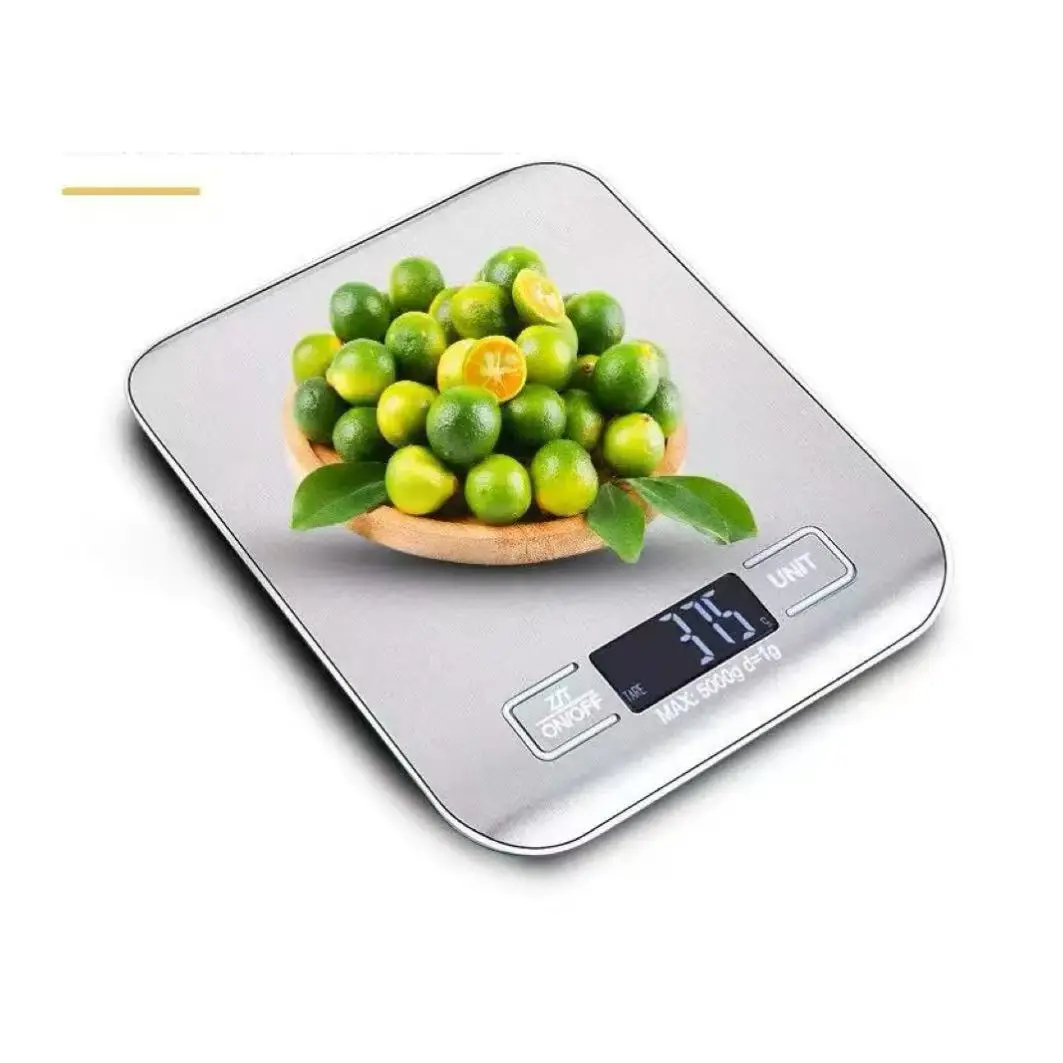
Browse kitchen and portion tools on Amazon
Food scales, portion containers and measuring sets, as an Amazon category search. We have not tested individual products.


