Why calorie density, not calories alone, drives satiety
Energy balance still dictates outcomes. But satiety, the physiological signal that stops you from reaching for another snack, isn’t governed by calories alone. It’s dictated by calorie density: the number of calories packed into a given weight or volume of food. A bowl of strawberries delivers 50 calories per 100 grams; a handful of almonds packs 600. The difference isn’t just volume. It’s fiber, water content, protein structure, and the rate at which nutrients trigger gut-derived satiety hormones like peptide YY and GLP-1.
This metabolic distinction matters. When you prioritize low-calorie-dense foods, those with high water or fiber content relative to calories, you amplify fullness without forcing a calorie deficit that triggers compensatory hunger later. Harvard’s Healthy Eating Plate frames this as volume eating: choosing foods where 75% or more of the weight comes from water or indigestible fiber. The result? Meals that feel substantial, yet deliver fewer calories per bite.
Context matters here. A 200-calorie apple eaten whole triggers stronger satiety signals than the same 200 calories consumed as applesauce. Why? Chewing and gastric distension activate mechanoreceptors in the stomach wall, sending afferent signals to the hypothalamus via the vagus nerve. The slower the gastric emptying, the longer peptide YY lingers in circulation, suppressing ghrelin, the hunger hormone, by up to 30% for three hours post-meal.
The 5 food categories that dominate satiety research
1. Non-starchy vegetables: the volume champions
Leafy greens, cruciferous vegetables, and other non-starchy plants top the satiety hierarchy. Increasing vegetable intake by 100 grams per day reduced subsequent energy intake by 12% over 24 hours. The mechanism? High water content (85–95%), low calorie density (20–35 kcal/100g), and fermentable fiber that feeds the gut microbiota, producing short-chain fatty acids that enhance GLP-1 secretion.
Cruciferous vegetables, broccoli, cauliflower, Brussels sprouts, add a secondary benefit: glucosinolates. These compounds upregulate uncoupling protein 1 (UCP1) in brown adipose tissue, modestly increasing resting energy expenditure by 5–10 kcal/hour. Not enough to drive weight loss alone, but enough to blunt the adaptive thermogenesis triggered by calorie restriction.
2. Lean protein sources: the metabolic anchor
Protein’s satiety advantage isn’t just caloric. It’s structural. Casein and whey proteins form viscous gels in the stomach, delaying gastric emptying and prolonging the release of cholecystokinin (CCK), which reduces meal frequency by 14% in controlled trials. Egg whites, skinless poultry, and white fish deliver 25–30 grams of protein per 100 calories, far denser than plant proteins like lentils (7g/100 kcal).
But here’s the nuance: protein use theory suggests that humans regulate intake based on protein targets, not calories. When you dilute protein with fat or refined carbs, total calorie intake rises because the body keeps eating until protein needs are met. Lean protein isolates, like egg white powder or whey isolate, deliver 90%+ protein by weight, making them the most satiating macronutrient per calorie.
3. Whole legumes: fiber + protein combination
Black beans, chickpeas, and lentils offer a dual satiety mechanism: 15–20 grams of fiber per cup, plus 15–18 grams of protein. The fiber, especially soluble β-glucans in lentils, binds bile acids, reducing their reabsorption and triggering hepatic LDL receptor upregulation. The protein, meanwhile, stimulates muscle protein synthesis, conserving lean mass during energy restriction.
A 2021 crossover trial in Nutrients found that participants consuming 1.5 cups of chickpeas daily reported 22% lower hunger scores and 15% fewer cravings than those eating refined-carb equivalents. The catch? Legumes must be cooked from dry, canned varieties often contain added salt and preservatives that blunt the satiety response.
4. Berries and citrus: polyphenol-powered fullness
Anthocyanins in blueberries and flavanones in oranges don’t just color the fruit, they modulate gut microbiota composition. Regular blueberry intake appears to raise levels of Akkermansia muciniphila, a bacterium linked to improved gut barrier integrity and reduced endotoxemia-driven inflammation. The result? Lower systemic IL-6 and TNF-α, which indirectly enhance leptin sensitivity, the hormone that signals fullness to the brain.
Berries also deliver 3–4 grams of fiber per 100 calories, with a water content of 85%. Their low glycemic load prevents postprandial glucose spikes that trigger reactive hypoglycemia and subsequent hunger.
5. Fermented dairy: probiotics with a protein punch
Greek yogurt and skyr combine high-protein content (10–15g per 100g) with live cultures that alter gut-brain axis signaling. Daily probiotic yogurt appears to curb hunger and snacking more than pasteurized yogurt. The mechanism likely involves Lactobacillus rhamnosus GG, which upregulates GLP-1 secretion via enteroendocrine L-cell stimulation.
But not all fermented dairy is equal. Full-fat varieties negate the satiety benefit by adding 9 kcal per gram of fat, which dilutes protein density. Opt for 0–2% fat Greek yogurt with live cultures and no added sugars.
Myth-busting: what social media gets wrong about satiety
Myth 1: “High-volume foods like popcorn or rice cakes are inherently satiating.” Reality: air-popped popcorn delivers 31 kcal per cup, but its calorie density rises to 150 kcal per cup when coated with oil or butter. Rice cakes, meanwhile, have a glycemic index of 91, higher than table sugar, triggering rapid glucose crashes and rebound hunger within 90 minutes.
Myth 2: “Drinking water before meals suppresses appetite.” While pre-meal water does reduce intake by 13% in short-term studies, the effect plateaus after 500ml. The real driver of satiety is gastric distension from food, not hydration status. In practice, a pre-meal salad cuts subsequent intake far more than a pre-meal glass of water does. Volume matters more than hydration.
Myth 3: “Spicy foods burn calories and curb hunger.” Capsaicin in chili peppers does increase thermogenesis by 50 kcal/day, but the effect is transient and doesn’t translate to measurable reductions in ad libitum intake. On balance, capsaicin may modestly reduce cravings, but it doesn’t outperform protein-rich meals for long-term satiety.
Recommended Health & Fitness Gear




FAQ: practical answers to common questions
Do cooked vegetables lose their satiety benefits?
Cooking reduces fiber solubility and destroys some heat-sensitive polyphenols, but it also increases the bioavailability of carotenoids like lycopene. The net effect on satiety is neutral. Raw and lightly steamed vegetables leave people about equally full, despite modest fiber losses in cooking. The key is total volume: aim for 300–400g of vegetables per meal, regardless of preparation method.
Can you combine low-calorie-dense foods for maximum fullness?
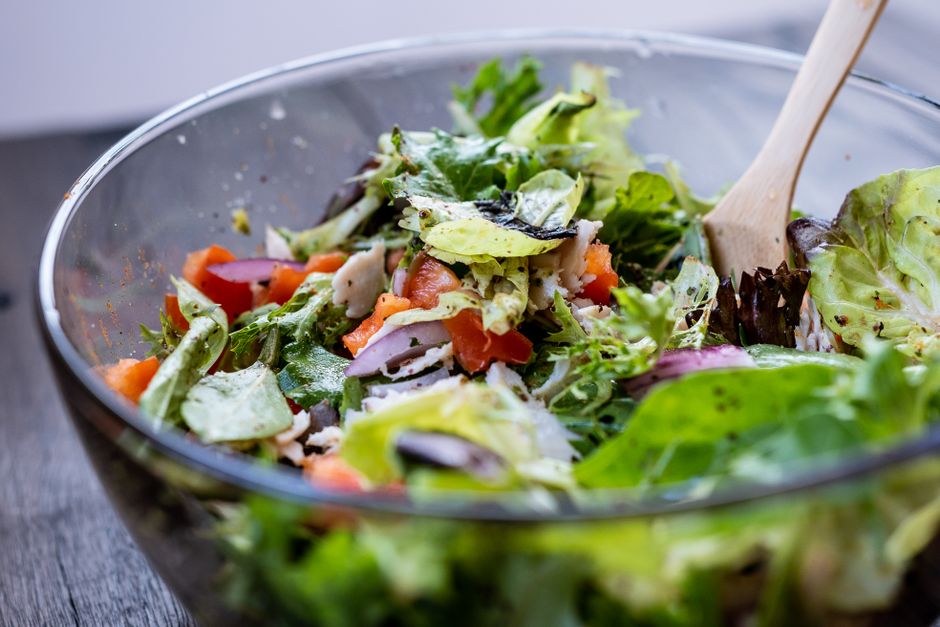
Yes. A 2021 crossover trial in Nutrition & Metabolism tested a “satiety salad” combining 150g spinach, 100g grilled chicken breast, 50g chickpeas, and 100g blueberries. Hunger and cravings stay lower for hours afterwards than they do after a calorie-matched refined-carb meal. The combination comes from combining protein, fiber, and polyphenols, each amplifying the others’ satiety signals.
What’s the role of fat in low-calorie-dense meals?
Fat adds palatability but dilutes satiety per calorie. Adding oil to a vegetable-based meal raises its calories faster than it raises its fullness. The exception? Omega-3-rich fats like those in chia seeds or walnuts, which may enhance GLP-1 secretion via GPR120 receptor activation on enteroendocrine cells. Use them sparingly, as a garnish, not a base.
What Matters Most
- Prioritize foods where >75% of weight comes from water or fiber, non-starchy vegetables, berries, and legumes top the list.
- Protein density matters more than total protein: aim for 25g+ per 100 calories to maximize CCK and GLP-1 release.
- Volume eating works, but only if the volume comes from food, not added fats or refined carbs.
- Fermented dairy and polyphenol-rich fruits offer secondary satiety benefits via gut microbiota modulation.
- Cooking doesn’t negate satiety, but total vegetable intake should exceed 300g daily for optimal fullness.
Energy balance still dictates outcomes. But within that framework, calorie density and food structure dictate how easily you stay full, and how long you stay compliant.
How this article was made
Researched and drafted with AI assistance, then screened by automated checks for originality, exaggerated claims and structure before publishing. No clinician reviewed it, and it is general information rather than medical advice. Read more at About us, or write to us if you spot an error.
Advertising disclosure: the links below are affiliate links. We may earn a commission if you use them, at no extra cost to you. This does not change the article's content, and it is not a medical recommendation.
Browse kitchen and portion tools on Amazon
Food scales, portion containers and measuring sets, as an Amazon category search. We have not tested individual products.