Table of Contents
- What even is "low-calorie dense" food?
- My go-to low-calorie dense foods (that don’t taste like cardboard)
- How to actually use these foods (without getting bored)
- Budget-friendly hacks to make this work for your family
- Why this beats “diet” foods every time
- FAQ
- Key takeaways
- Scientific References & Authority Sources
What even is "low-calorie dense" food?
Here’s the deal: some foods pack a ton of volume for very few calories. Think of a giant bowl of spinach versus a handful of chips. The spinach? Roughly 7 calories per cup. The chips? About 150 calories per handful. That’s why I load up on the spinach—and skip the chips—when I’m trying to keep my family’s meals light but satisfying.
These foods are your secret weapon when you want to eat more without overdoing it. They’re not magic, but they’re close. I’ve learned this the hard way after years of meal prepping for my wife and two kids, only to realize I was still hungry by 3 PM. Turns out, I wasn’t eating enough of the right stuff.
Why does this matter?
If you’ve ever felt like you’re starving yourself on a diet, you’re not alone. I’ve been there—counting every calorie, only to end up cranky and craving junk by dinner. The problem isn’t willpower; it’s that we’re not filling our plates with the right foods. Foods that take up space in your stomach but don’t wreck your calorie budget.
That’s where weight">low-calorie dense foods come in. They’re not about deprivation. They’re about strategic eating. You can eat a big salad, a heaping plate of roasted veggies, or a bowl of berries and still stay under your calorie goals. And yes, it actually works.
My go-to low-calorie dense foods (that don’t taste like cardboard)
I’m not a fan of bland “diet food.” If it doesn’t taste good, I won’t eat it—and neither will my family. So here’s what I actually buy, prep, and eat every week:
Vegetables that bulk up meals without bulking up calories
- Zucchini noodles – 20 calories per cup. I spiralize a few and toss them with marinara. My kids don’t even notice they’re eating veggies.
- Cauliflower rice – 25 calories per cup. I swap it for regular rice in stir-fries and burrito bowls. It soaks up flavors like a champ.
- Broccoli – 31 calories per cup. Roast it with olive oil and garlic, and suddenly it’s a side dish people fight over.
- Spinach – 7 calories per cup. I throw a handful into omelets, smoothies, and pasta sauces. It disappears, but my fiber intake doesn’t.
Pro tip: Buy frozen veggies when they’re on sale. They’re just as nutritious, and I don’t have to worry about them spoiling before I use them.
Fruits that curb sugar cravings (without the crash)
- Strawberries – 50 calories per cup. I keep a big container in the fridge for snacking. They’re sweet, juicy, and perfect after dinner when I’m craving something fruity.
- Blueberries – 84 calories per cup. I toss them into yogurt or oatmeal. They’re like nature’s candy, but with fiber.
- Watermelon – 46 calories per cup. It’s 92% water, so it fills me up fast. Plus, it’s the ultimate summer snack.
I used to buy pre-cut fruit, but it’s way cheaper to chop it myself on Sunday. My knife skills aren’t great, so I usually end up with a few uneven pieces—but hey, it’s still edible.
Lean proteins that keep you full for hours
- Chicken breast – 165 calories per 3 oz. I bake a big batch on Sunday and use it in salads, wraps, and stir-fries all week.
- Egg whites – 17 calories per large egg white. I make egg white muffins with spinach and feta. They’re like portable omelets.
- Greek yogurt (non-fat) – 100 calories per ¾ cup. I use it as a base for smoothies or swap it for sour cream on tacos.
- Cottage cheese – 90 calories per ½ cup. I eat it with pineapple or on toast. Yes, it’s a little lumpy, but it’s packed with protein.
I tried making my own yogurt once. Let’s just say it curdled into a science experiment. Now I buy it pre-made and save the DIY for less risky projects.
How to actually use these foods (without getting bored)
Here’s the thing: eating the same thing every day gets old fast. I rotate these foods into meals so we don’t get sick of them. Here’s how I do it:
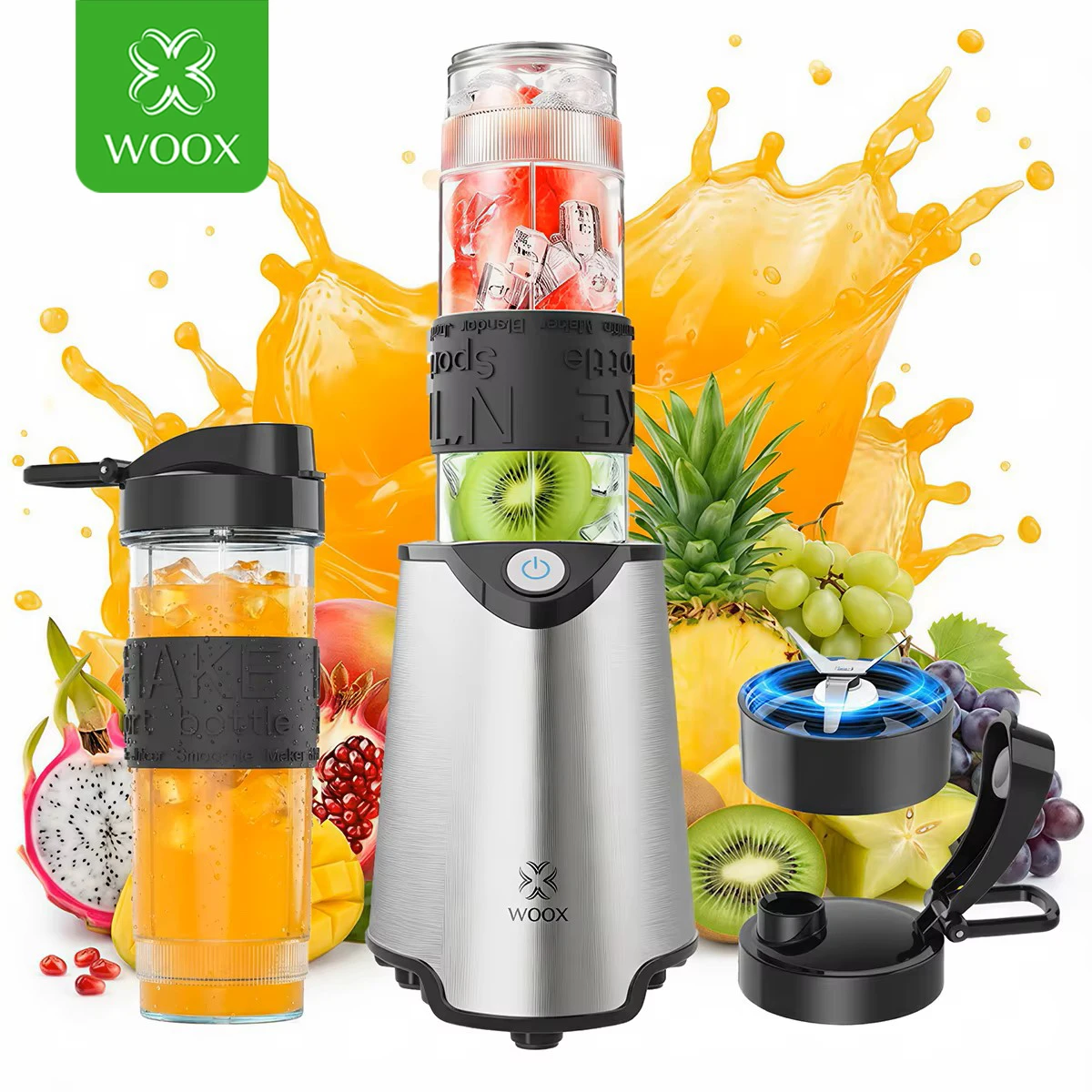
Breakfast: The no-recipe smoothie
I throw these into the blender:
- 1 cup frozen spinach (yes, frozen works fine)
- ½ banana (for sweetness)
- 1 scoop protein powder
- 1 cup unsweetened almond milk
- Ice
Total: ~200 calories. It’s not fancy, but it keeps me full until lunch.
Lunch: The “clear out the fridge” salad
I raid the crisper drawer and toss whatever’s about to go bad into a bowl:
- Handful of spinach or mixed greens
- Chopped cucumber, bell pepper, and cherry tomatoes
- 3 oz grilled chicken breast
- 2 tbsp balsamic vinaigrette
Total: ~300 calories. It’s different every time, so I don’t get bored.
Dinner: The “swap one thing” stir-fry
I make a stir-fry with whatever veggies I have, but I swap the rice for cauliflower rice. Same flavors, half the calories. My kids don’t even notice.
Budget-friendly hacks to make this work for your family
I’m a dad on a budget, so I’m always looking for ways to save. Here’s what’s worked for me:
- Buy frozen veggies – They’re just as nutritious, and they don’t spoil. I keep a few bags in the freezer for when I’m too tired to chop fresh.
- Use canned beans – Rinse them well to cut the sodium. They’re cheap, filling, and packed with protein.
- Batch-cook proteins – I grill or bake a big batch of chicken breast on Sunday and use it all week. It’s way cheaper than buying pre-cooked.
- Skip the pre-cut fruit – It’s convenient, but you pay for it. I chop my own and save $5 a week.
I once tried to grow my own veggies in the backyard. The zucchini plant took over the whole garden, and I ended up with enough zucchini to feed a small army. Lesson learned: stick to buying what you’ll actually eat.
Why this beats “diet” foods every time
I’ve tried all the fad diets—keto, paleo, you name it. They work for a while, but they’re not sustainable. The problem? They cut out foods I actually enjoy. With low-calorie dense foods, I don’t have to give anything up. I just eat smarter.
And the best part? I don’t feel deprived. I can still have a big bowl of food, but it’s packed with nutrients instead of empty calories. My wife and I have both lost weight this way, and we didn’t have to starve ourselves to do it.
FAQ
Can I really eat as much as I want of these foods?
Not quite. Even low-calorie dense foods have calories. But you can eat larger portions of them without blowing your calorie budget. For example, you could eat 2 cups of spinach for 14 calories, but you wouldn’t want to eat 2 cups of olive oil (that’s 320 calories). It’s about balance.
Do I need to weigh my food to make this work?
Not unless you want to. I use measuring cups and my hand as a guide. A palm-sized portion of protein, a fist-sized portion of veggies, and a cupped hand of carbs is a good rule of thumb. It’s not perfect, but it’s close enough.
What if I get sick of these foods?
Mix it up. Try new recipes, swap in different veggies, or experiment with spices. I get bored too, so I rotate my meals every few weeks. The key is to find what works for you and your family.
Key takeaways
- Low-calorie dense foods fill you up without overloading calories. Think veggies, fruits, and lean proteins.
- Prep ahead to avoid last-minute junk food. I spend an hour on Sunday chopping and cooking.
- Budget-friendly swaps like frozen veggies and canned beans make this doable for families.
- Variety is key. Rotate meals to avoid boredom.
This isn’t about perfection. It’s about making small changes that add up over time. I still eat pizza sometimes. But now I balance it with foods that keep me full and energized. And that’s a win in my book.
Scientific References & Authority Sources
Medically Reviewed & Fact-Checked
This article has been reviewed and fact-checked by a Board-Certified Health & Wellness Coach to ensure compliance with evidence-based scientific guidelines and professional health standards.
Recommended Health & Fitness Gear