
Why Hypothyroidism Makes Weight Loss So Difficult, and How to Work With Your Body, Not Against It
Hypothyroidism, when the thyroid gland produces insufficient thyroid hormone, can slow metabolic rate, reduce energy expenditure, and alter appetite regulation. This hormonal imbalance often leads to unintentional weight gain, difficulty losing weight, and persistent fatigue despite diet and lifestyle efforts. While thyroid hormone replacement therapy is the cornerstone of treatment, nutrition, exercise, and stress management play critical supporting roles in restoring metabolic balance and supporting sustainable weight management.
Weight changes in hypothyroidism are influenced by multiple physiological factors beyond just a slower metabolism. These include altered nutrient absorption, increased water retention, changes in gut motility, and shifts in appetite-regulating hormones. Addressing these factors requires a multifaceted approach that prioritizes metabolic support, inflammation control, and energy balance without triggering stress responses that can further disrupt thyroid function.
How the Thyroid Affects Weight: Beyond the Basics
Thyroid hormones, primarily thyroxine (T4) and its active form, triiodothyronine (T3), regulate the rate at which cells convert nutrients into energy. When thyroid hormone levels are low, the body’s resting energy expenditure decreases, meaning fewer calories are burned at rest. This can lead to a gradual increase in body weight over time, even when caloric intake remains stable.
However, weight gain in hypothyroidism is not solely due to a slower metabolism. Many individuals also experience fluid retention due to reduced kidney filtration and increased antidiuretic hormone activity. Additionally, hypothyroidism can slow gastrointestinal transit time, leading to bloating and constipation, which may be misinterpreted as fat gain. These factors underscore the importance of addressing hydration, fiber intake, and gut health as part of a comprehensive management plan.
It’s also important to recognize that thyroid hormone replacement therapy does not automatically normalize weight. While it corrects the hormonal deficit, many individuals still face challenges due to residual metabolic adaptations, suboptimal nutrition, or lifestyle habits that undermine progress. This is why a targeted, evidence-based approach is essential.
Common Myths About Hypothyroidism and Weight Loss
Myth: Thyroid medication alone will resolve weight issues.
While thyroid hormone replacement is necessary to correct the hormonal imbalance, it does not guarantee weight loss. Many individuals continue to struggle with weight even after achieving optimal TSH and T4 levels. This is because other factors, such as diet quality, physical activity, sleep, and stress, significantly influence energy balance and body composition. Medication addresses the hormonal deficit but does not compensate for poor nutrition or inactivity.
Myth: A low-calorie diet is the best way to lose weight with hypothyroidism.
Severely restricting calories can backfire by slowing metabolic rate further, reducing lean muscle mass, and increasing cortisol levels. This stress response may suppress thyroid function further and promote fat storage, particularly around the abdomen. Instead, a moderate calorie deficit combined with adequate protein and nutrient-dense foods supports metabolic health while preserving muscle tissue.
Myth: Exercise is ineffective for weight loss when thyroid levels are low.
While intense exercise may feel more challenging during periods of hypothyroid fatigue, regular movement, especially strength training and low-impact cardio, supports metabolic flexibility, improves insulin sensitivity, and helps maintain lean body mass. Exercise also enhances mood and energy levels, which can indirectly support adherence to healthy eating habits.
Nutrition Strategies That Support Thyroid Function and Weight Management
Nutrition plays a vital role in optimizing thyroid hormone conversion, reducing inflammation, and supporting energy metabolism. The most effective dietary approach focuses on nutrient density, gut health, and metabolic stability rather than rigid calorie counting.
Prioritize Thyroid-Supportive Nutrients
- Iodine: Essential for thyroid hormone synthesis. Sources include seaweed, iodized salt, dairy, and eggs. However, excessive iodine intake can be harmful, especially in individuals with autoimmune thyroid disease. Balance is key, moderate intake from whole foods is ideal.
- Selenium: Supports the conversion of T4 to active T3. Found in Brazil nuts, sunflower seeds, mushrooms, and seafood. Just one or two Brazil nuts per day can meet daily needs.
- Zinc: Involved in thyroid hormone production and immune function. Sources include oysters, pumpkin seeds, lentils, and beef.
- Iron: Low iron levels impair thyroid hormone synthesis and can worsen fatigue. Include lean meats, spinach, lentils, and fortified grains. Pair iron-rich foods with vitamin C (e.g., citrus, bell peppers) to enhance absorption.
- Vitamin D: Many individuals with hypothyroidism have low vitamin D levels, which can affect immune function and energy. Sunlight, fatty fish, and fortified foods are key sources.
Balance Blood Sugar to Reduce Cravings and Fat Storage
Insulin resistance is common in hypothyroidism and can exacerbate weight gain by promoting fat storage and increasing appetite. To stabilize blood sugar:
- Choose complex carbohydrates such as quinoa, sweet potatoes, and steel-cut oats over refined grains.
- Aim for balanced meals with protein, fiber, and healthy fats at each eating occasion to slow glucose absorption.
- Avoid skipping meals, which can trigger overeating later in the day.
- Limit added sugars and ultra-processed foods, which contribute to inflammation and metabolic dysfunction.
According to the Harvard T.H. Chan School of Public Health, a plate divided into half vegetables, a quarter lean protein, and a quarter whole grains or starchy vegetables supports stable blood sugar and satiety.
Support Gut Health and Reduce Inflammation
Chronic inflammation can interfere with thyroid hormone signaling and promote fat storage. A diet rich in fiber, fermented foods, and omega-3 fatty acids supports gut microbiome diversity and reduces inflammatory markers.
- Include fermented foods such as sauerkraut, kefir, and kimchi to enhance gut microbial balance.
- Consume omega-3s from fatty fish (salmon, sardines), flaxseeds, and walnuts to reduce inflammation.
- Eat a variety of colorful vegetables to provide antioxidants that combat oxidative stress.
Movement That Works With Your Body, Not Against It
Physical activity is a powerful tool for improving metabolic flexibility and supporting weight management, but intensity and type must be tailored to individual energy levels and thyroid status.
Strength Training: Preserve Muscle, Boost Metabolism
Strength training helps maintain metabolically active lean mass during weight loss, which is crucial when metabolic rate is already compromised. Even modest resistance exercises, such as bodyweight squats, push-ups, or resistance band work, can improve insulin sensitivity and support long-term energy expenditure.
Aim for 2–3 sessions per week targeting major muscle groups. Focus on form and progressive overload rather than heavy weights if fatigue is an issue.
Low-Impact Cardio: Enhance Energy Without Overexertion
Walking, cycling, or swimming at a moderate pace can increase daily calorie burn without triggering excessive stress responses. These activities support cardiovascular health and may improve mood and sleep quality, both critical for metabolic regulation.
Avoid overexertion, which can elevate cortisol and suppress thyroid function. Listen to your body and adjust intensity based on energy levels.
Stress, Sleep, and the Thyroid Connection
Chronic stress disrupts the hypothalamic-pituitary-adrenal (HPA) axis, which can suppress thyroid-stimulating hormone (TSH) secretion and reduce T4 to T3 conversion. Poor sleep further compounds these effects by increasing ghrelin (the hunger hormone) and decreasing leptin (the satiety hormone), leading to increased appetite and cravings.
To mitigate stress and support sleep:
- Establish a consistent sleep schedule, aiming for 7–9 hours per night.
- Practice relaxation techniques such as deep breathing, meditation, or gentle yoga.
- Limit caffeine and alcohol, especially in the afternoon and evening.
- Create a wind-down routine that includes dim lighting and screen-free time before bed.
7-Day Action Plan: A Practical Starting Point
The following plan is designed to support metabolic health, stabilize energy, and promote gradual, sustainable weight management. Adjust portions based on body size, activity level, and hunger cues.
| Day | Nutrition Focus | Movement | Stress & Sleep |
|---|---|---|---|
| Day 1 | Balanced breakfast with eggs, spinach, and avocado; lunch of grilled chicken and quinoa with roasted vegetables; dinner of salmon and steamed broccoli. | 20-minute brisk walk; 10-minute bodyweight circuit (squats, lunges, push-ups). | 10-minute evening meditation; aim for 7.5 hours of sleep. |
| Day 2 | Overnight oats with chia seeds, almond butter, and berries; turkey and hummus wrap with cucumber; lentil soup with a side salad. | 30-minute yoga flow; 15-minute walk after lunch. | Journaling for 5 minutes; reduce screen time 1 hour before bed. |
| Day 3 | Smoothie with Greek yogurt, frozen berries, flaxseeds, and spinach; tuna salad with mixed greens; baked chicken with roasted sweet potatoes and green beans. | 25-minute swim or water aerobics; 10-minute resistance band routine. | Guided breathing exercise; aim for consistent bedtime. |
| Day 4 | Scrambled tofu with turmeric, bell peppers, and whole-grain toast; quinoa bowl with chickpeas, cherry tomatoes, and tahini dressing; grilled shrimp with zucchini noodles. | 15-minute walk in nature; 10-minute stretching session. | Digital detox 1 hour before bed; warm herbal tea. |
| Day 5 | Chia pudding with almond milk and walnuts; turkey and avocado lettuce wraps; baked cod with roasted Brussels sprouts and wild rice. | 30-minute strength circuit (bodyweight or light dumbbells); 10-minute walk. | Progressive muscle relaxation; aim for 8 hours of sleep. |
| Day 6 | Veggie omelet with feta and whole-grain toast; grilled chicken Caesar salad (light dressing); black bean and vegetable stir-fry with brown rice. | Leisurely bike ride; 15-minute core-focused routine. | Gentle evening yoga; limit fluids 1 hour before bed. |
| Day 7 | Protein smoothie with spinach, banana, almond butter, and hemp seeds; grilled salmon salad with mixed greens; turkey chili with a side of sautéed kale. | 30-minute walk; 10-minute full-body stretch. | Reflective journaling; consistent sleep routine. |
Troubleshooting Plateaus and Setbacks
Weight loss with hypothyroidism is rarely linear. Plateaus may occur due to hormonal fluctuations, seasonal changes, or lifestyle disruptions. When progress stalls:
- Reassess medication status: Ensure thyroid hormone levels are optimized with your healthcare provider. TSH, free T4, and T3 should be evaluated together.
- Check for nutrient deficiencies: Iron, vitamin D, B12, and selenium levels can impact energy and metabolism. Consider testing if symptoms persist.
- Monitor stress and sleep: Increased cortisol can hinder weight loss. Prioritize relaxation and consistent sleep hygiene.
- Adjust calorie intake gradually: If weight has been stable for several weeks, a small reduction (100–200 calories) may help restart loss. Avoid drastic cuts.
- Increase non-exercise activity: Small increases in daily movement (e.g., standing more, taking stairs) can boost energy expenditure without added fatigue.
What to Remember
- Hypothyroidism slows metabolic rate and alters appetite and fluid balance, contributing to weight changes.
- Thyroid hormone replacement is essential but not sufficient alone, nutrition, movement, and stress management are critical partners.
- Focus on nutrient-dense foods rich in iodine, selenium, zinc, iron, and vitamin D to support thyroid function.
- Stabilize blood sugar with balanced meals and avoid extreme calorie restriction, which can backfire.
- Prioritize strength training and low-impact cardio to preserve muscle and enhance metabolic flexibility.
- Manage stress and sleep to reduce cortisol and support optimal thyroid hormone conversion.
- Weight loss may be gradual; reassess habits and medical status if progress stalls.
Frequently Asked Questions
Can I lose weight with hypothyroidism if my TSH is normal?
Yes. Even with a normal TSH, some individuals still face weight challenges due to suboptimal T3 levels, nutrient deficiencies, or lifestyle factors. Focus on metabolic support through nutrition, movement, and stress management rather than relying solely on lab values.
Is gluten-free diet necessary for hypothyroidism?
Only if you have celiac disease or gluten sensitivity. For others, a gluten-free diet offers no proven metabolic benefit and may limit nutrient diversity. Focus on whole foods and individual tolerance rather than blanket dietary restrictions.
How long does it take to see weight loss after starting thyroid medication?
Weight loss is often gradual and may take several months. Fluid retention may decrease first, followed by fat loss as metabolic rate stabilizes. Patience and consistency with lifestyle habits are essential.
Can intermittent fasting help with hypothyroidism-related weight gain?
Intermittent fasting may support some individuals by improving insulin sensitivity, but it can also increase stress and fatigue in others. It’s not universally beneficial. If used, opt for a moderate approach (e.g., 12–14 hour overnight fasts) and monitor energy levels and hunger cues closely.
Should I avoid goitrogenic foods like raw cruciferous vegetables?
Goitrogens can interfere with iodine uptake in large amounts, but cooking inactivates most of their effects. For most people, moderate intake of cooked cruciferous vegetables (broccoli, cauliflower, kale) is safe and beneficial. Only those with iodine deficiency or thyroid cancer may need to limit intake.
Advertising disclosure: the links below are affiliate links. We may earn a commission if you use them, at no extra cost to you. This does not change the article's content, and it is not a medical recommendation.
Recommended Health & Fitness Gear

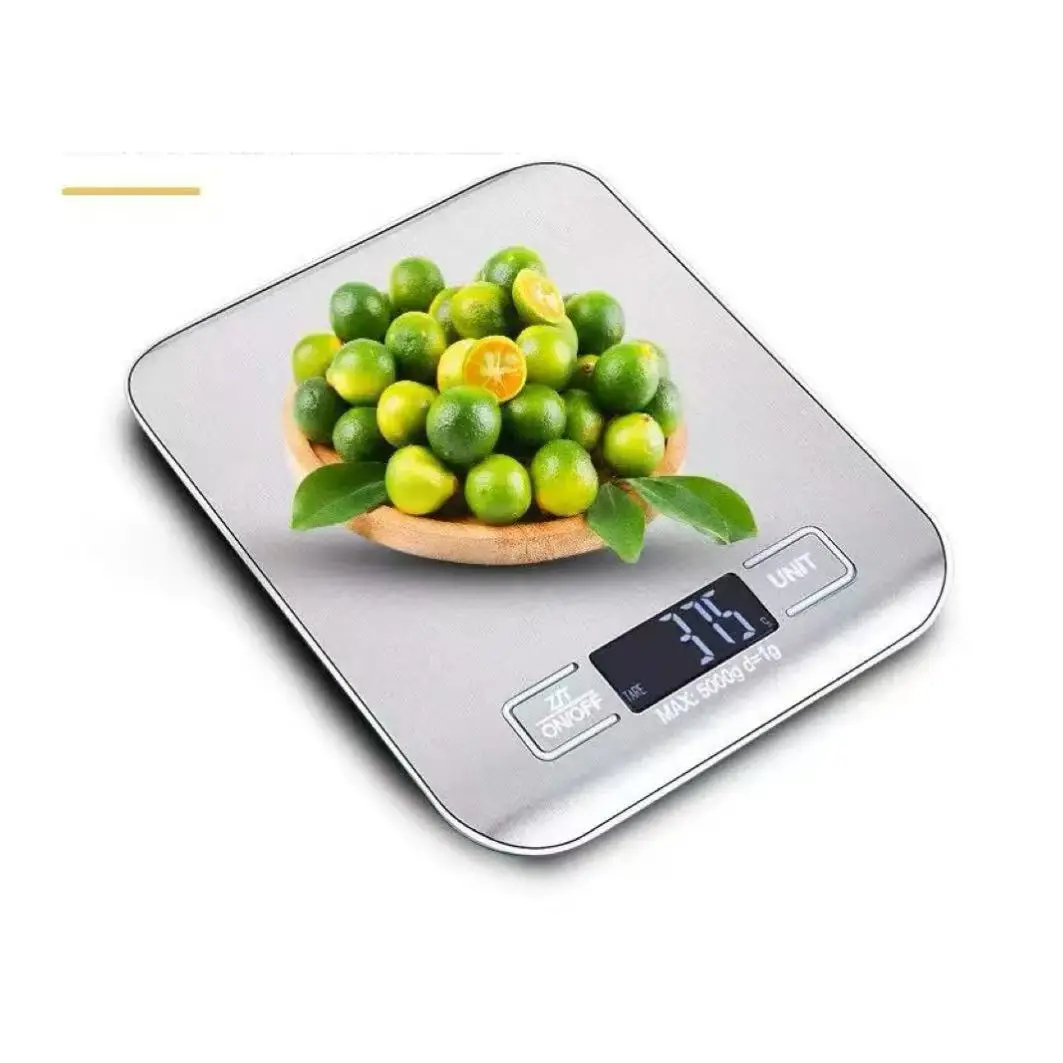


Browse kitchen and portion tools on Amazon
Food scales, portion containers and measuring sets, as an Amazon category search. We have not tested individual products.


