Why Menopause Doesn’t Have to Mean Weight Gain
Menopause is often framed as a period of inevitable metabolic decline, where weight gain, especially around the abdomen, becomes an unavoidable side effect of hormonal shifts. Yet menopause alters body composition and the idea that weight gain is predetermined is a myth rooted more in cultural narratives than reality. Changes in estrogen levels during menopause can redistribute fat toward visceral deposits, but this does not inherently lead to fat gain without an energy surplus. The key lies in addressing the underlying factors that drive weight changes during this transition: muscle loss, metabolic slowdown from reduced activity, and lifestyle habits that no longer align with a changing physiology.
For women navigating this phase, the solution isn’t resignation but recalibration. Small, targeted adjustments in nutrition, movement, and recovery can counteract the metabolic shifts of menopause without resorting to extreme measures. The goal is to preserve lean mass, optimize energy balance, and support hormonal health, all of which are entirely within reach.
What Actually Drives Weight Changes in Menopause
Menopause itself is not a metabolic catastrophe, but it does introduce physiological changes that can make weight management more challenging if left unaddressed. The most significant factors include:
- Hormonal shifts: Declining estrogen levels are associated with increased fat storage in visceral areas, as fat cells become more efficient at storing energy. However, this redistribution does not occur in a vacuum, it is influenced by diet, activity, and overall energy balance.
- Muscle loss: After age 30, adults lose 3–8% of muscle mass per decade, a process that accelerates after menopause. Since muscle is metabolically active, its loss reduces resting energy expenditure, making it easier to gain fat if calorie intake isn’t adjusted.
- Activity levels: Many women reduce high-intensity or strength-based exercise during midlife due to time constraints, joint issues, or fatigue. This decline in muscle-strengthening activities accelerates muscle loss and lowers daily calorie burn.
- Nutrient partitioning: Insulin sensitivity often decreases with age, meaning the body becomes less efficient at using carbohydrates for energy and more prone to storing them as fat. This can lead to greater fat storage, particularly in the abdomen, if diet isn’t adapted.
Critically, none of these changes make weight gain inevitable. They simply require a shift in strategy, one that prioritizes muscle preservation, metabolic efficiency, and sustainable habits over quick fixes.
Strength Training: The Non-Negotiable for Metabolic Health
Strength training is the most effective tool for counteracting the muscle loss and metabolic slowdown that accompany menopause. Unlike cardio, which primarily burns calories during exercise, resistance training builds and maintains lean mass, which continues to burn calories at rest. A Harvard Nutrition Source emphasizes that muscle mass is a key determinant of metabolic rate, and its preservation is essential for long-term weight management.
For women over 40, the focus should be on progressive overload, gradually increasing resistance or volume, to stimulate muscle growth. Compound movements like squats, deadlifts, and presses are particularly effective because they engage multiple muscle groups, boosting overall calorie expenditure. Aim for 2–3 full-body sessions per week, with at least 48 hours of recovery between sessions to allow for muscle repair.
Beyond metabolism, strength training also supports bone density, joint health, and functional strength, all of which become increasingly important with age. It’s not about chasing a dramatic increase in resting metabolic rate but about maintaining the muscle you already have, and ideally, adding a little more.
Nutrition Strategies That Work With, Not Against, Your Body
Dietary adjustments during menopause should prioritize nutrient density, blood sugar stability, and satiety. The goal is to eat in a way that supports hormonal balance while creating a sustainable energy deficit if fat loss is desired. Key principles include:
- Prioritize protein: Protein helps preserve muscle mass, supports satiety, and has a higher thermic effect than fats or carbs. Aim for 1.2–1.6 grams per kilogram of body weight daily, adjusting based on activity level and goals. Lean sources like poultry, fish, eggs, and legumes are ideal.
- Balance carbohydrates: While low-carb diets are often touted for menopause, the reality is more nuanced. The Mayo Clinic recommends focusing on high-fiber, low-glycemic carbs like vegetables, whole grains, and legumes to stabilize blood sugar and reduce cravings.
- Include healthy fats: Fats support hormone production and help regulate appetite. Focus on omega-3s from fatty fish, nuts, and seeds, and monounsaturated fats from olive oil and avocados.
- Time nutrients strategically: Spreading protein intake across meals and pairing carbs with fiber or protein can minimize blood sugar spikes and reduce fat storage. For example, a breakfast of Greek yogurt with berries and nuts provides protein, fiber, and healthy fats to start the day on stable ground.
- Avoid extreme restrictions: Very low-calorie diets or excessive carb avoidance can backfire by increasing cortisol, disrupting sleep, and triggering rebound overeating. Instead, aim for a moderate, consistent deficit of 10–20% below maintenance calories.
Hydration also plays a role in metabolic health and appetite regulation. While individual needs vary, aiming for 2–3 liters of water daily supports digestion, nutrient absorption, and energy levels. Herbal teas and electrolyte-rich beverages can help meet fluid goals without excess calories.
Debunking the Myth: "Menopause Slows Metabolism Irreversibly"
One of the most pervasive myths about menopause is that it permanently slows metabolism, making weight loss nearly impossible. This idea stems from studies showing a decline in resting metabolic rate with age, but it overlooks the fact that much of this slowdown is due to lifestyle factors, not biology. Research in Nutrients clarifies that while basal metabolic rate does decrease with age, the primary drivers are reduced muscle mass and lower physical activity levels, both of which are modifiable.
Another misconception is that hormonal changes directly cause fat gain. In reality, fat redistribution during menopause is more closely tied to energy balance and insulin sensitivity than to estrogen alone. A woman who maintains muscle through strength training and manages her carbohydrate intake will experience far less visceral fat accumulation than one who remains sedentary and consumes a high-sugar diet.
The takeaway? Menopause doesn’t sabotage metabolism, it merely highlights the need for more intentional lifestyle choices. The same principles that apply to weight management at 30 apply at 50: energy balance, nutrient density, and consistent activity.
Your 14-Day Action Plan for Menopause Weight Management
This structured plan balances nutrition, strength training, and recovery to support metabolic health without extreme measures. Adjust portions and intensity based on your body size, activity level, and goals.
Weekly Routine
| Day | Strength Training | Cardio/Activity | Nutrition Focus |
|---|---|---|---|
| Monday | Full-body strength (squats, presses, rows, deadlifts) | 20-minute brisk walk | High-protein breakfast, balanced lunch |
| Tuesday | , | 30-minute yoga or mobility work | Hydration focus, fiber-rich dinner |
| Wednesday | Lower-body strength (lunges, step-ups, glute bridges) | 10-minute HIIT (optional) | Protein-packed lunch, healthy fats at dinner |
| Thursday | , | 20-minute walk | Balanced macros, limit processed snacks |
| Friday | Upper-body strength (push-ups, pull-ups, shoulder presses) | 30-minute steady-state cardio (cycling, swimming) | High-protein dinner, moderate carbs |
| Saturday | Full-body circuit (bodyweight or light weights) | Active recovery (gardening, hiking) | Flexible day, prioritize whole foods |
| Sunday | , | Rest or gentle stretching | Hydrate, focus on sleep quality |
Nutrition Guidelines
- Protein: 1.2–1.6g/kg body weight (e.g., 80–110g for a 70kg woman). Distribute across 3–4 meals.
- Carbohydrates: 30–40% of total calories, prioritizing fiber-rich sources like vegetables, oats, and quinoa.
- Fats: 25–35% of total calories, with an emphasis on omega-3s and monounsaturated fats.
- Hydration: 2–3L water daily, more if active or in hot climates.
- Meal timing: Aim for a protein-rich breakfast, balanced lunch, and dinner with fiber and healthy fats to support satiety.
Troubleshooting Protocol
If weight loss stalls or energy dips, follow this step-by-step approach:
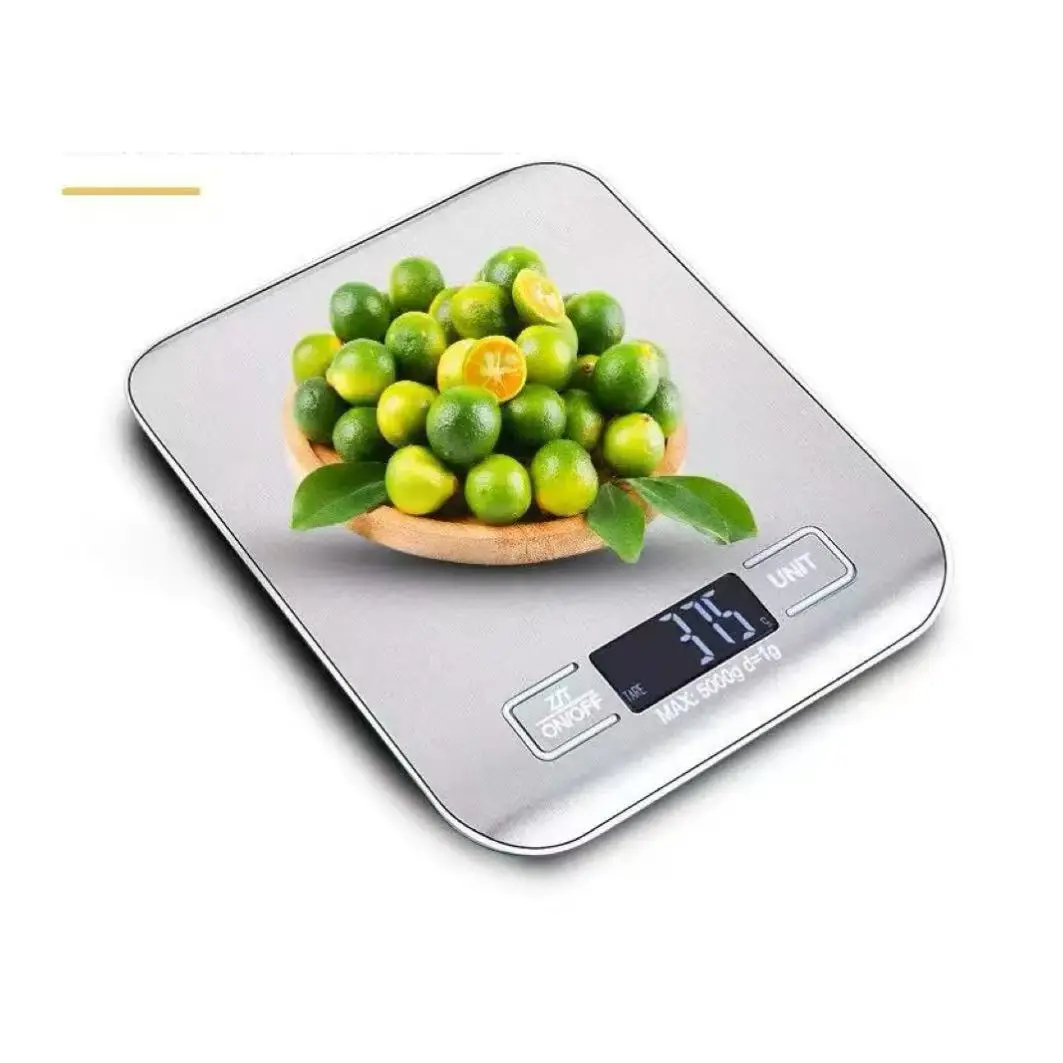
- Reassess portions: Weigh or measure food for 3–5 days to ensure accuracy. Small discrepancies in portion sizes can add up over time.
- Check protein intake: If protein is below 1.2g/kg, increase gradually to support muscle retention.
- Review activity: Ensure strength training is progressive (increasing weight or reps weekly). Add 5–10 minutes to cardio sessions if energy allows.
- Prioritize sleep: Aim for 7–9 hours nightly. Poor sleep disrupts appetite-regulating hormones and increases cravings.
- Manage stress: Chronic stress elevates cortisol, which can drive water retention and cravings. Incorporate relaxation techniques like deep breathing or meditation.
- Adjust calories gradually: If weight loss stalls for 2+ weeks, reduce calories by 100–200/day or increase activity by 10–15%. Avoid drastic cuts.
Recommended Health & Fitness Gear



What to Remember
- Menopause does not doom you to weight gain. Hormonal shifts create challenges, but they are not insurmountable with the right strategies.
- Strength training is non-negotiable. It preserves muscle mass, supports metabolism, and improves body composition more effectively than cardio alone.
- Nutrition should focus on protein, fiber, and balance. Prioritize whole foods, stable blood sugar, and nutrient density over restrictive diets.
- Small, consistent habits outperform extreme measures. Sustainable changes in diet, activity, and recovery yield long-term results without burnout.
- Metabolic slowdown is reversible. Much of the perceived slowdown is due to lifestyle factors like muscle loss and inactivity, both of which can be addressed.
Frequently Asked Questions
Does menopause cause belly fat specifically?
Menopause is associated with a shift in fat distribution toward visceral areas, but this is not inevitable. The increase in abdominal fat is more closely tied to energy surplus, insulin resistance, and reduced activity than to estrogen alone. A diet high in processed foods and low in protein exacerbates this trend, while strength training and balanced nutrition can counteract it.
How much protein do women over 40 need daily?
For women in midlife, 1.2–1.6 grams per kilogram of body weight is suggested, with up to 2.2g/kg for those engaged in intense strength training. For a 70kg woman, this translates to roughly 85–110 grams daily, distributed across meals to support muscle protein synthesis.
Can intermittent fasting help with menopause weight loss?
Intermittent fasting may support fat loss by creating a calorie deficit, but it’s not inherently superior to other approaches. Some women find it helpful for blood sugar control, while others struggle with increased hunger or sleep disruption. The key is to choose a pattern that aligns with your lifestyle and energy needs, whether that’s 14:10, 16:8, or a more flexible approach.
Is HRT necessary for weight management during menopause?
Hormone replacement therapy (HRT) can alleviate some menopausal symptoms, but it is not a weight-loss tool. While HRT may influence body composition, its effects on weight are modest compared to diet and exercise. Women should discuss HRT with their healthcare provider based on their individual needs and risks.
Advertising disclosure: the links below are affiliate links. We may earn a commission if you use them, at no extra cost to you. This does not change the article's content, and it is not a medical recommendation.
Browse kitchen and portion tools on Amazon
Food scales, portion containers and measuring sets, as an Amazon category search. We have not tested individual products.