
How Intermittent Fasting Actually Works (And Why It Sticks)
Intermittent fasting (IF) is not a diet plan but a structured eating pattern that cycles between periods of eating and fasting. It can support weight management, metabolic health, and cellular repair when aligned with individual energy needs and lifestyle demands. The 16:8 method, 16 hours fasting, 8 hours eating, is among the most studied approaches, particularly for women balancing busy schedules and hormonal fluctuations.
What Happens in the Body During Fasting
During a fasting window, the body transitions from using glucose as its primary fuel to tapping into stored energy. After 12 to 16 hours without food, liver glycogen depletes, prompting the liver to produce ketone bodies from fat stores. These ketones become an alternative energy source for the brain and muscles, a process known as metabolic flexibility.
Fasting also triggers cellular repair mechanisms. Autophagy, a process where cells remove damaged components, increases during prolonged fasting periods. This cleanup process is linked to reduced inflammation and may play a role in lowering long-term disease risk. A review in Nutrients highlights autophagy’s role in metabolic regulation and cellular health, particularly when fasting exceeds 16 hours.
Why the 16:8 Method Works for Weight Loss
The 16:8 approach simplifies calorie control by reducing the eating window, which naturally limits food intake without strict tracking. Time-restricted eating can lead to a modest reduction in body weight, primarily through decreased calorie consumption and improved insulin sensitivity. The Harvard T.H. Chan School of Public Health notes that structured eating windows may help regulate appetite hormones like ghrelin, which influences hunger cues Source: Harvard T.H. Chan School of Public Health.
For women, hormonal sensitivity to fasting requires careful timing. The menstrual cycle influences metabolic responses, with fasting during the follicular phase (days 1–14) possibly tolerated better than during the luteal phase. Adjusting the eating window to align with energy peaks can improve adherence and comfort.
Metabolic Adaptations: What Changes, and What Doesn’t
Contrary to common misconceptions, fasting does not inherently slow metabolism. The body adapts to energy availability by prioritizing efficiency, but this does not equate to metabolic damage. Muscle preservation depends more on protein intake and resistance training than on fasting duration alone. The Mayo Clinic emphasizes that metabolic rate remains stable as long as total energy intake supports activity levels Source: Mayo Clinic Nutrition Guide.
Stress hormones like cortisol may rise during fasting, but their impact on fat storage is indirect. Elevated cortisol can increase appetite and cravings, particularly for high-calorie foods, which may undermine weight loss goals if not managed. Adequate sleep, hydration, and balanced meals during the eating window help mitigate these effects.
Common Myths About Intermittent Fasting
Myth: Fasting causes muscle loss. Muscle breakdown occurs primarily during prolonged fasting (beyond 48 hours) or insufficient protein intake. Short-term fasting with adequate protein and strength training preserves lean mass. The key is maintaining a protein intake of 1.2–1.6 grams per kilogram of body weight daily.
Myth: You must fast for 16 hours to see results. Benefits can occur with shorter fasting windows (12–14 hours), especially for beginners. Gradual progression reduces side effects like fatigue or irritability.
Myth: Fasting is unsafe for women. Women may experience different responses due to hormonal fluctuations, but IF is generally safe when tailored to individual needs. Those with a history of disordered eating, pregnancy, or endocrine conditions should consult a healthcare provider before starting.
Practical Steps to Start Intermittent Fasting
Follow this 7-day protocol to ease into 16:8 fasting while minimizing discomfort:
| Day | Fasting Window | Eating Window | Key Adjustments |
|---|---|---|---|
| 1–2 | 12 hours (e.g., 7 PM–7 AM) | 12 hours (7 AM–7 PM) | End dinner by 7 PM; avoid late-night snacks. |
| 3–4 | 14 hours (e.g., 6 PM–8 AM) | 10 hours (8 AM–6 PM) | Delay breakfast by 30 minutes daily to adjust. |
| 5–7 | 16 hours (e.g., 7 PM–11 AM) | 8 hours (11 AM–7 PM) | Prioritize protein at first meal (e.g., eggs, Greek yogurt). |
Troubleshooting Protocol:
- Hunger spikes: Drink water, herbal tea, or black coffee. Electrolytes (sodium, potassium, magnesium) can reduce cravings.
- Fatigue: Ensure adequate sleep and include complex carbs (oats, sweet potatoes) in the first meal.
- Digestive discomfort: Gradually reduce fiber in the evening to improve morning tolerance.
- Irritability: Add a small snack (e.g., nuts, avocado) if needed, but aim to extend the fasting window over time.
Optimizing Fasting for Busy Moms
For women managing work, childcare, and household demands, flexibility is key. Consider these strategies:
- Meal prep: Batch-cook protein-rich foods (chicken, lentils, tofu) to streamline eating windows.
- Hydration focus: Aim for 2–3 liters of water daily, with electrolytes if fasting exceeds 14 hours.
- Movement timing: Light activity (walking, yoga) during fasting can enhance fat oxidation without increasing hunger.
- Social flexibility: Shift the eating window earlier or later on high-activity days (e.g., weekends).
What to Eat During Your Window
The quality of food matters as much as the timing. Prioritize:
- Protein: 20–30 grams per meal (e.g., eggs, fish, tempeh) to support satiety and muscle maintenance.
- Fiber: Vegetables, berries, and whole grains to stabilize blood sugar.
- Healthy fats: Avocado, olive oil, and nuts to curb cravings.
- Hydration: Herbal teas, sparkling water, and electrolyte-rich beverages to replace lost minerals.
Avoid ultra-processed foods and sugary drinks, which can spike insulin and disrupt fasting benefits.
When to Reassess Your Approach
If weight loss stalls after 4–6 weeks, consider these adjustments:
- Extend the fasting window by 1–2 hours.
- Increase protein intake to 1.6 grams per kilogram of body weight.
- Incorporate 2–3 strength training sessions weekly to preserve lean mass.
- Monitor sleep and stress; poor recovery can hinder metabolic progress.
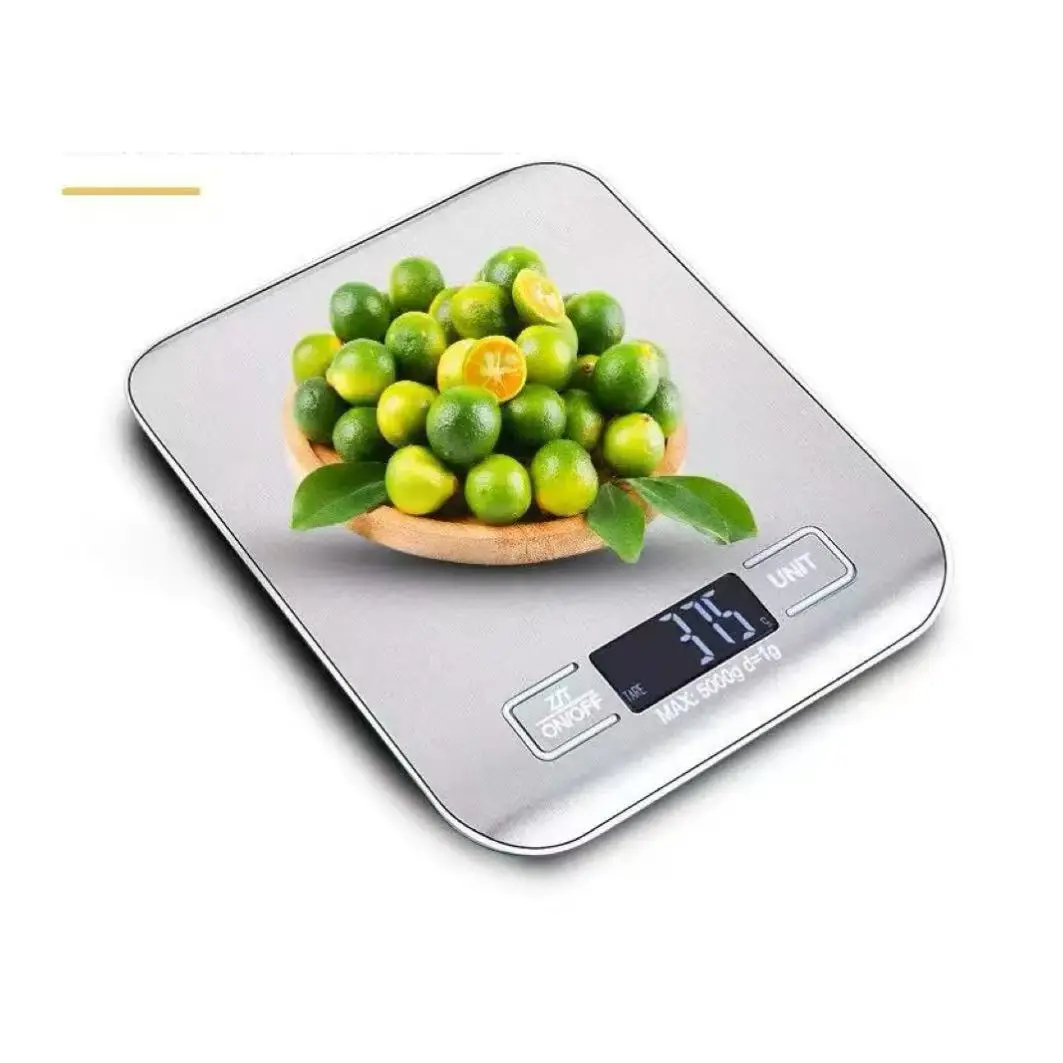
Recommended Health & Fitness Gear



FAQs About Intermittent Fasting
Does intermittent fasting slow metabolism?
No. Metabolic rate remains stable as long as total energy intake supports activity levels. Adaptations like increased efficiency do not equate to damage.
Can I drink coffee during fasting?
Black coffee and unsweetened tea are generally acceptable, as they contain minimal calories. Avoid additives like milk or sugar, which may break the fast.
Is intermittent fasting safe during perimenopause?
Hormonal fluctuations may require adjustments to fasting windows. Some women benefit from shorter fasts (12–14 hours) or cycling between fasting and non-fasting days.
Will fasting cause nutrient deficiencies?
Not if meals are balanced. Focus on nutrient-dense foods like leafy greens, lean proteins, and whole grains to meet daily requirements.
What This Means for You
- Intermittent fasting shifts the body from glucose to fat-derived ketones for energy, supporting metabolic flexibility.
- The 16:8 method simplifies calorie control by reducing the eating window, but shorter fasts (12–14 hours) can also yield benefits.
- Protein intake and strength training are critical for preserving muscle mass during fasting.
- Hydration, sleep, and stress management mitigate side effects like hunger or fatigue.
- Women may need to adjust fasting windows based on hormonal cycles and energy demands.
You may also find Intermittent fasting isn’t magic, here’s what actually happens useful.
Advertising disclosure: the links below are affiliate links. We may earn a commission if you use them, at no extra cost to you. This does not change the article's content, and it is not a medical recommendation.
Browse kitchen and portion tools on Amazon
Food scales, portion containers and measuring sets, as an Amazon category search. We have not tested individual products.