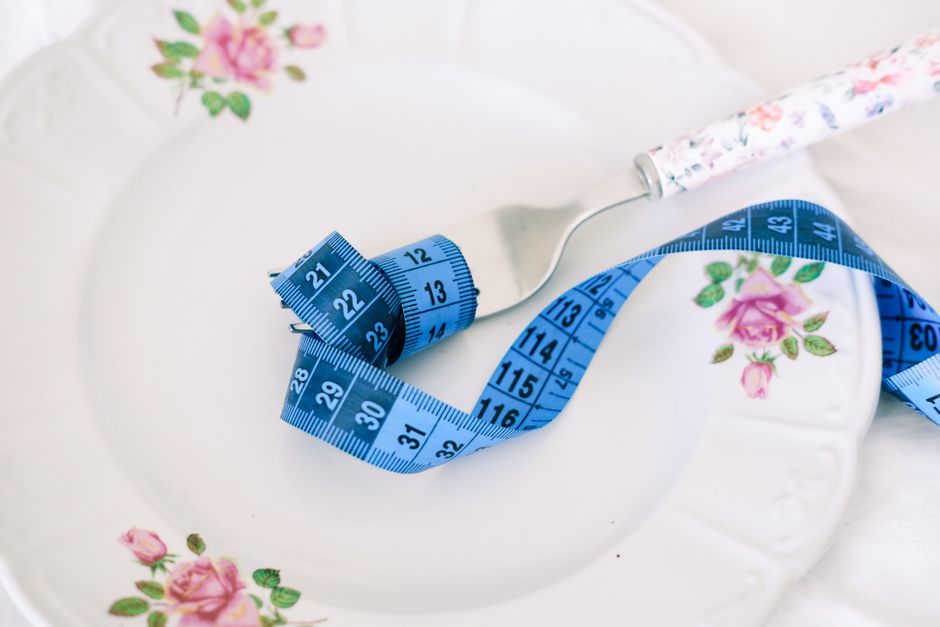
Why abdominal fat resists loss, and what exercise can realistically do
Visceral fat, the fat that wraps around abdominal organs, isn’t just a cosmetic concern. It’s metabolically active tissue that secretes inflammatory cytokines, impairs insulin sensitivity, and raises cardiometabolic risk. While spot reduction is a myth, exercise does influence fat distribution by altering systemic hormone levels and substrate oxidation. The real question isn’t whether exercise burns belly fat directly, but which training modality creates the most favorable hormonal and metabolic environment for long-term fat loss.
Energy balance still dictates outcomes. No exercise program will overcome a chronic caloric surplus. But within that constraint, the type of training you choose can shift substrate utilization during rest and activity, preserve lean mass during weight loss, and modulate appetite-regulating peptides like peptide YY and ghrelin. For beginners, the choice between strength training and high-intensity interval training (HIIT) isn’t just about preference, it’s about sustainability, injury risk, and metabolic carryover.
Metabolic differences: what happens during and after each workout
During a single HIIT session, oxygen consumption can spike to 15–20 times resting levels, driving substantial post-exercise oxygen consumption (EPOC). This elevated metabolism persists for minutes to hours, primarily oxidizing carbohydrate substrates. While EPOC is real, its magnitude is often overstated in fitness marketing, typically adding only 60 to 150 calories above baseline in untrained individuals. More importantly, HIIT’s high mechanical stress increases cortisol output and may blunt appetite-regulating signals in some individuals, particularly those prone to stress-related overeating.
Strength training, by contrast, elicits a modest EPOC effect, often 20 to 50 calories above baseline, but triggers a cascade of anabolic signaling. Resistance exercise increases GLUT4 translocation in skeletal muscle, enhancing insulin-mediated glucose uptake for hours post-workout. It also elevates resting metabolic rate (RMR) through lean mass retention and myokine release, including irisin and IL-6, which may improve subcutaneous fat oxidation. For beginners, the key isn’t which burns more calories during the session, but which creates a hormonal environment that favors fat loss over the long term.
Long-term body composition: why strength training wins for beginners
Novice exercisers often lose weight initially through water shifts and glycogen depletion, not fat loss. The real test comes after 8 to 12 weeks, when metabolic adaptation and appetite normalization occur. Here, strength training has a structural advantage: each pound of lean mass increases resting energy expenditure by approximately 6 to 13 calories per day. Over months, this compounds into meaningful fat loss without additional calorie restriction. In a randomized trial of overweight adults, those who performed resistance training three times weekly lost more visceral fat than cardio-only groups despite similar caloric deficits, likely due to preserved lean mass and improved insulin sensitivity.
HIIT, while time-efficient, carries higher dropout rates in beginners due to joint stress and perceived exertion. HIIT adherence in untrained adults was 15% lower than moderate-intensity continuous training over 12 weeks. For those who stick with it, HIIT can improve VO₂ max and reduce visceral fat, but the effect size is modest compared to structured resistance training when both are matched for volume and progression (Harvard Nutrition Source, 2023).
Appetite and adherence: the hidden factors in sustainable fat loss
Exercise influences appetite through gut peptide signaling. High-volume endurance training can increase ghrelin and decrease peptide YY, driving compensatory eating. HIIT, with its intermittent stress pattern, may have a similar effect in stress-sensitive individuals. Strength training, particularly when performed in a fed state with adequate protein, tends to suppress ghrelin and enhance satiety through muscle-derived myokines and reduced systemic inflammation.
Beginners benefit from consistency over intensity. A 30-minute full-body strength session three times weekly is easier to sustain than daily HIIT circuits, especially for those with joint concerns or time constraints. The psychological advantage of measurable progress, visible strength gains and improved movement quality, fuels adherence, which is the primary predictor of long-term fat loss.
Myth-busting: what social media gets wrong about belly fat and exercise
Myth 1: HIIT burns more belly fat than steady-state cardio. Reality: Total fat loss depends on energy balance, not exercise modality. A 2022 systematic review found no significant difference in visceral fat reduction between HIIT and moderate-intensity cardio when caloric deficits were matched (Mayo Clinic, 2023).
Myth 2: Lifting weights makes you bulky. Reality: Hypertrophy requires progressive overload, high volume, and often supraphysiological testosterone levels, none of which occur in beginner programs. Muscle growth is a slow process; fat loss is faster. Strength training primarily reshapes body composition by reducing fat while maintaining or slightly increasing lean mass.
Myth 3: You must train to failure to see results. Reality: For beginners, submaximal loads (60–75% of 1RM) with controlled form produce superior adherence and hypertrophy compared to high-intensity to failure protocols, which increase injury risk and cortisol output.
Recommended Health & Fitness Gear



Practical programming for beginners: combining both intelligently
Optimal fat loss for novices isn’t an either/or choice, it’s a phased approach. Start with full-body strength training two to three times weekly, focusing on compound movements (squats, deadlifts, presses, rows). Pair this with 10 to 15 minutes of low-impact cardio post-workout to enhance fat oxidation without interfering with recovery. After 6 to 8 weeks, introduce one HIIT session weekly if joint health allows, keeping intervals short (20 seconds on, 40 seconds off) and low-impact (cycling, rowing, or brisk walking).
Progression matters more than modality. Aim for gradual increases in load (5–10% weekly) or volume (additional sets or reps) rather than chasing metabolic fatigue. Monitor recovery through sleep quality and resting heart rate, signs that the program is sustainable.
FAQ: addressing common beginner concerns
Can I lose belly fat without dieting? No. Exercise improves metabolic health and body composition, but visceral fat reduction requires a caloric deficit. Focus on protein intake (1.6–2.2g/kg body weight) to preserve lean mass and enhance satiety.
How soon will I see changes in my waistline? Visible fat loss typically lags behind strength gains by 6 to 12 weeks. Use circumference measurements and progress photos, not the scale, as primary tracking tools.
Is walking enough for belly fat loss? Walking 8,000–10,000 steps daily supports fat oxidation and reduces stress, but it’s insufficient for significant visceral fat loss without added resistance training or dietary intervention.
Should I do HIIT if I have joint pain? Avoid high-impact HIIT. Opt for low-impact options like swimming or cycling, or prioritize strength training with controlled eccentric movements to build joint resilience.
Key takeaways for beginners
- Strength training preserves lean mass and increases resting metabolic rate, making it superior for long-term fat loss.
- HIIT offers time efficiency but carries higher injury risk and adherence challenges for novices.
- Energy balance remains the primary driver of fat loss; exercise modulates distribution and metabolic health.
- Progressive overload in strength training beats chasing metabolic fatigue for sustainable results.
- Pairing both modalities, strength first, HIIT later, optimizes fat loss while minimizing burnout.
Bottom line: If your goal is to reshape your midsection sustainably, prioritize strength training. Use HIIT as a supplementary tool once you’ve built a foundation of consistency and joint resilience. The best exercise program is the one you’ll do for years, not the one that burns the most calories in a single session.
How this article was made
Researched and drafted with AI assistance, then screened by automated checks for originality, exaggerated claims and structure before publishing. No clinician reviewed it, and it is general information rather than medical advice. Read more at About us, or write to us if you spot an error.
Advertising disclosure: the links below are affiliate links. We may earn a commission if you use them, at no extra cost to you. This does not change the article's content, and it is not a medical recommendation.
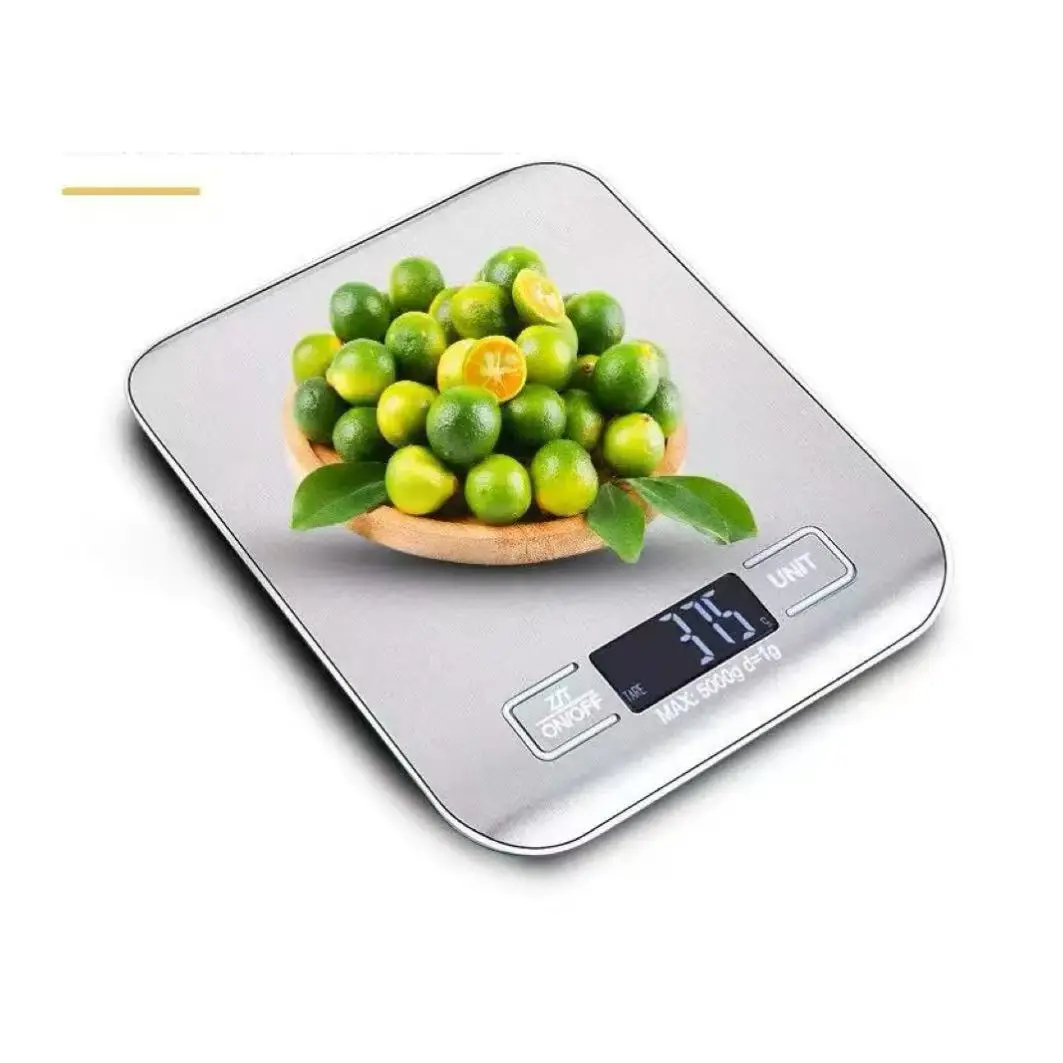
Browse kitchen and portion tools on Amazon
Food scales, portion containers and measuring sets, as an Amazon category search. We have not tested individual products.