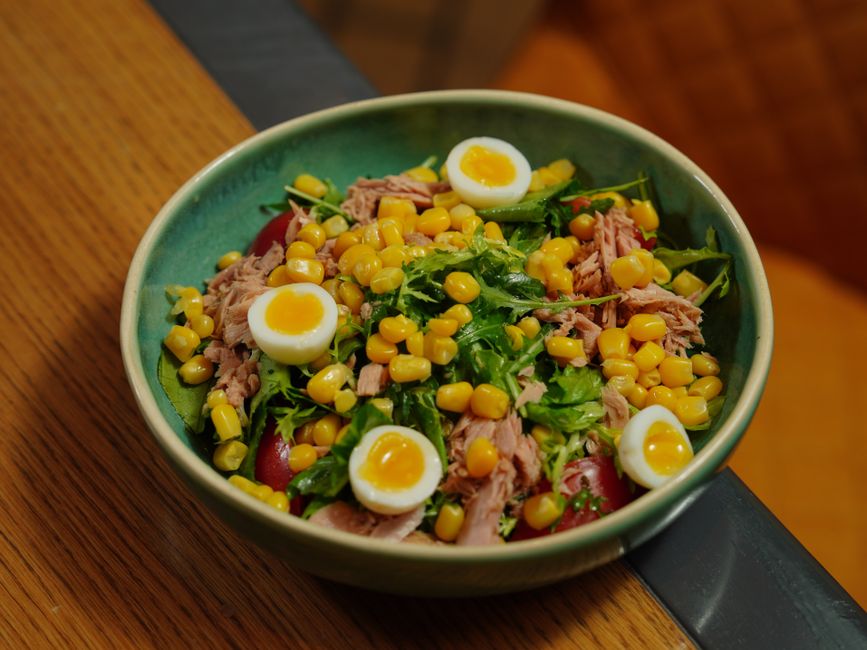
Why Your Diet Keeps Failing, And How Protein Timing Holds the Key
Many weight-loss strategies focus on calorie counting or eliminating entire food groups, yet these approaches often overlook a fundamental biological driver: how your body processes and allocates protein throughout the day. protein timing, the way you distribute protein intake across meals, plays a critical role in appetite regulation, muscle preservation, and metabolic efficiency. Ignoring this factor can undermine even the most carefully planned diet.
Protein is not just a building block for muscle; it’s a potent regulator of hunger and energy expenditure. When protein is unevenly distributed, the body’s satiety signals falter, leading to overeating later in the day. Conversely, a balanced protein intake can stabilize blood sugar, reduce cravings, and support lean tissue retention during calorie restriction. The challenge lies in translating this science into practical, sustainable habits, without falling prey to oversimplified advice.
The Science of Protein Timing: What Happens When You Skimp on It
Protein’s effects on metabolism and appetite are mediated by several hormones, including ghrelin (the hunger hormone) and peptide YY (a satiety signal). Consuming protein early in the day enhances post-meal satiety more effectively than delaying intake. For example, research published in Nutrients found that individuals who distributed protein evenly across meals reported lower hunger levels and reduced evening snacking compared to those who consumed most of their protein in a single sitting.
Beyond appetite control, protein timing influences muscle protein synthesis, a process that declines with age and calorie deficits. When protein is front-loaded, the body has more opportunities to repair and build tissue, which is especially critical during weight loss. Conversely, a protein-deficient breakfast followed by a high-protein dinner may leave muscle tissue vulnerable to breakdown, particularly in active individuals or older adults.
How to Structure Your Protein Intake for Maximum Impact
Rather than fixating on total daily protein, prioritize distribution. Aim for at least 20–30 grams of high-quality protein per meal, with a minimum of 1.2–1.6 grams per kilogram of body weight daily for most adults. This approach aligns with the body’s limited capacity to utilize protein in a single sitting (roughly 20–40 grams per meal).
Breakfast is often the most neglected meal in this regard. Individuals who consumed a high-protein breakfast (35 grams) experienced reduced ghrelin spikes and fewer cravings later in the day compared to those who skipped protein or ate a low-protein meal. Practical options include eggs with Greek yogurt, cottage cheese with fruit, or a protein smoothie with whey or plant-based powder.
Lunch and dinner should also include lean sources like poultry, fish, tofu, or legumes. Snacks can bridge gaps, but avoid relying solely on processed options. For example, a small handful of almonds or a hard-boiled egg provides protein without excess calories. The goal is consistency: spreading intake evenly prevents the body from entering a catabolic state (muscle breakdown) during energy deficits.
Myth: More Protein Always Means Better Results
A common misconception is that doubling protein intake will accelerate fat loss. However, excess protein beyond the body’s synthetic capacity is either oxidized for energy or stored as fat, depending on overall calorie balance. The Mayo Clinic notes that while protein supports satiety, overconsumption can strain the kidneys in susceptible individuals and displace other essential nutrients Source: Mayo Clinic Nutrition Guide.
Another myth is that protein timing only matters for athletes. In reality, sedentary individuals and those with metabolic conditions (e.g., insulin resistance) benefit equally from balanced intake. The key is matching protein to your activity level and goals, not chasing arbitrary thresholds.
Beyond Protein: The Bigger Picture of Sustainable Weight Loss
Protein timing is not a magic bullet, but it addresses a frequently overlooked variable in diet adherence. Pairing it with other evidence-based strategies, such as adequate sleep, stress management, and whole-food prioritization, creates a more strong framework for success. For instance, sleep deprivation disrupts leptin and ghrelin balance, making protein distribution less effective. Similarly, chronic stress elevates cortisol, which can promote fat storage and muscle loss regardless of protein intake.
Portion control remains essential. Even with optimal protein timing, overconsumption of any macronutrient can hinder progress. Use tools like the Harvard Healthy Eating Plate as a guide, filling half your plate with vegetables, a quarter with lean protein, and a quarter with whole grains or healthy fats Source: Harvard T.H. Chan School of Public Health.
Common Pitfalls and How to Avoid Them
- Skipping breakfast: Even a small protein source (e.g., 10 grams) can curb mid-morning cravings. Start with simple options like Greek yogurt or smoked salmon on whole-grain toast.
- Relying on protein shakes: While convenient, liquid protein can displace fiber-rich foods. Use shakes as supplements, not replacements, for whole-food meals.
- Ignoring plant-based proteins: Beans, lentils, and quinoa provide protein alongside fiber and micronutrients. Combine them with grains to create complete proteins.
- Overestimating protein needs: Most adults require 1.2–1.6 grams per kilogram of body weight. Exceeding 2.2 grams per kilogram offers minimal additional benefits for fat loss.
FAQ: Protein Timing for Weight Loss
Does protein timing matter if I’m in a calorie surplus?
Yes. Even in a surplus, protein distribution affects body composition. Front-loading protein supports muscle retention and reduces fat gain by enhancing satiety and metabolic efficiency.
Can I still lose weight if I eat most of my protein at dinner?
Possibly, but it’s less optimal. Evening protein is less effective at suppressing ghrelin and promoting muscle synthesis compared to evenly distributed intake. Aim for at least 20 grams of protein in your first meal.
What’s the best protein source for timing?
High-quality options include eggs, Greek yogurt, chicken breast, salmon, tofu, and lentils. Prioritize lean, minimally processed foods to maximize nutrient density and satiety.
How do I adjust protein timing for intermittent fasting?
If fasting for 16 hours, consume your first meal within an hour of breaking your fast. Include 30–40 grams of protein to stimulate muscle protein synthesis and curb hunger during your eating window.
In Short
- Distribute protein evenly: Aim for 20–30 grams per meal to optimize satiety and muscle retention.
- Prioritize breakfast: A high-protein morning meal reduces ghrelin spikes and evening cravings.
- Balance is critical: Excess protein in one sitting offers limited benefits and may displace other nutrients.
- Pair with whole foods: Protein timing works best alongside fiber-rich vegetables, healthy fats, and complex carbohydrates.
- Individualize your approach: Adjust protein needs based on activity level, age, and metabolic goals, not arbitrary rules.
Advertising disclosure: the links below are affiliate links. We may earn a commission if you use them, at no extra cost to you. This does not change the article's content, and it is not a medical recommendation.
Recommended Health & Fitness Gear

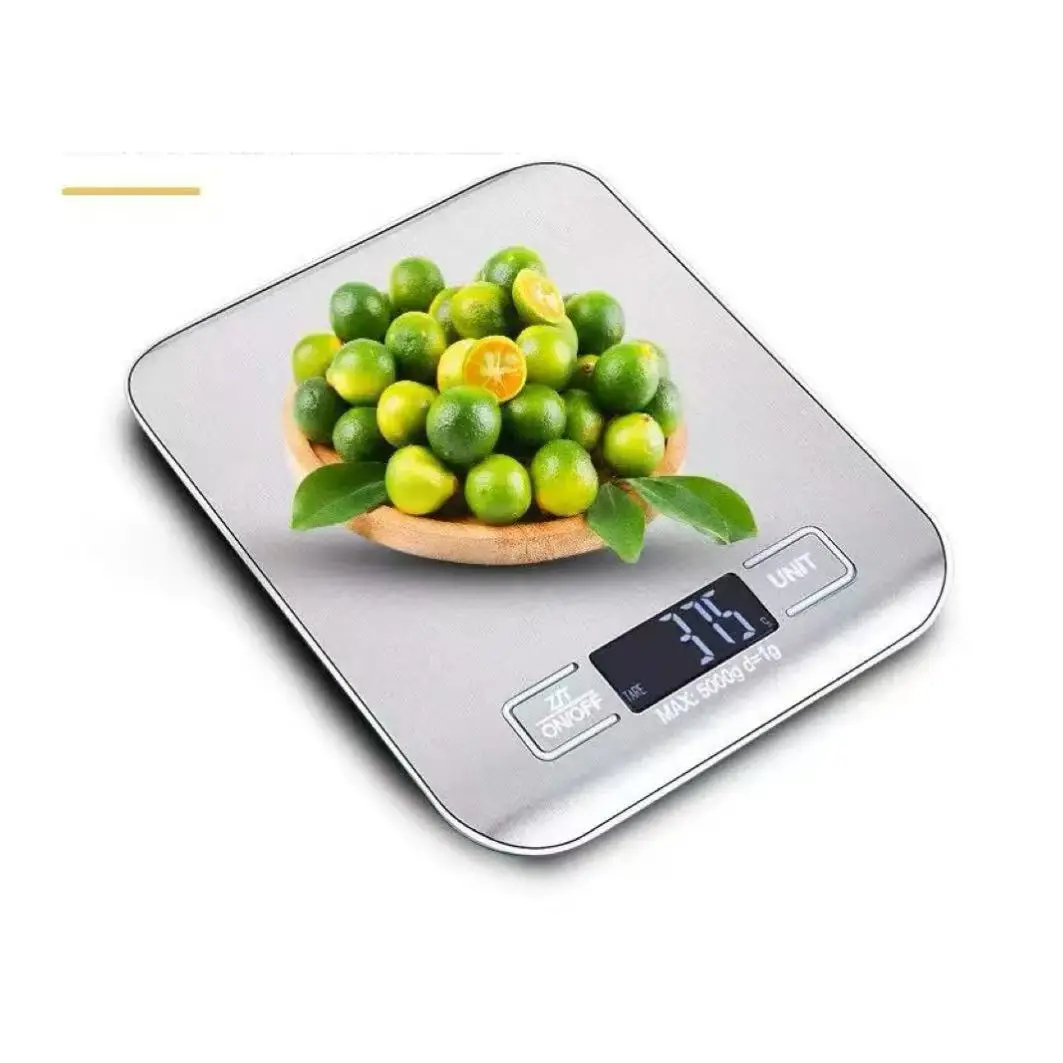


Browse kitchen and portion tools on Amazon
Food scales, portion containers and measuring sets, as an Amazon category search. We have not tested individual products.