Why the Scale Lies, and Why Your Body Fat Percentage Isn’t Moving
Body fat percentage is one of the most misunderstood metrics in health and fitness. Unlike weight alone, it reflects the proportion of fat to lean mass, offering a clearer picture of body composition. Yet many people find themselves stuck, watching the scale hover or even rise while their fat percentage remains unchanged. This plateau often stems from misaligned expectations, metabolic adaptations, or flawed tracking methods rather than a failure of effort.
Understanding why body fat percentage stalls requires examining the interplay between nutrition, exercise, recovery, and physiology. The scale’s limitations, such as water retention, glycogen fluctuations, and muscle gain, can mask real progress. Meanwhile, common fat-loss strategies, like excessive cardio or overly aggressive calorie cuts, may backfire by slowing metabolism or increasing cravings. Below, we dissect the most frequent culprits behind stalled fat loss and outline evidence-based solutions to break through the plateau.
Myth: The Scale Tells the Whole Story
Weight and body fat percentage are not interchangeable. A person can lose fat while gaining muscle, resulting in little to no change on the scale. Conversely, water retention from high sodium intake, hormonal shifts, or inadequate hydration can inflate weight without altering fat mass. Body fat percentage is a more reliable indicator of progress, but even it has limitations. For example, methods like calipers or bioelectrical impedance can vary by 3–5% due to technician skill or hydration status.
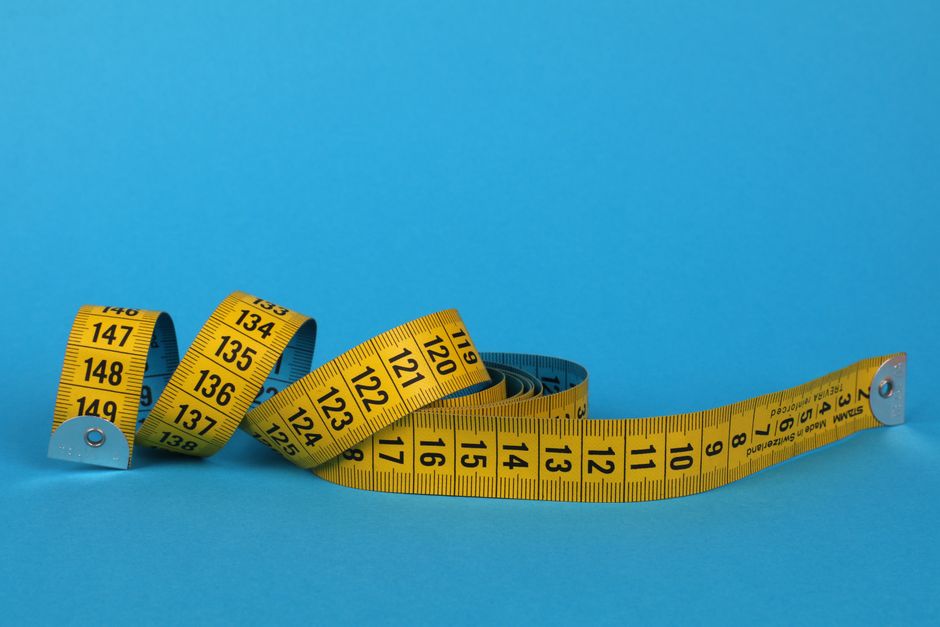
Instead of fixating on daily weight fluctuations, track trends over weeks or months. Use a combination of measurements, waist circumference, progress photos, and strength performance, to assess changes. If fat loss stalls despite consistent effort, reassess the approach rather than the outcome.
Myth: More Cardio Always Burns More Fat
Cardio is a valuable tool for creating a calorie deficit, but its role in fat loss is often overstated. While low-intensity steady-state exercise (e.g., walking or cycling) primarily uses fat as fuel, the total calorie burn is modest. High-intensity interval training (HIIT) and resistance training, on the other hand, elevate post-exercise oxygen consumption and preserve lean mass, which supports long-term fat loss.
excessive cardio without adequate nutrition or recovery can increase stress hormones like cortisol, which may promote fat storage, particularly around the abdomen, in susceptible individuals. A balanced approach prioritizes strength training and moderate cardio, with intensity and volume tailored to individual fitness levels and goals. Harvard’s Healthy Eating Plate emphasizes whole foods and portion control as foundational to sustainable fat loss, rather than relying solely on exercise.
Myth: Eating Less Always Leads to More Fat Loss
Caloric restriction is a cornerstone of fat loss, but extreme deficits can backfire. When energy intake drops too low, the body adapts by reducing non-essential functions, such as thermogenesis (the energy expended to digest food) and spontaneous movement. This metabolic slowdown is not permanent but can persist for weeks or months, making further fat loss harder.
Protein intake plays a critical role in mitigating these adaptations. Adequate protein preserves lean mass, which is metabolically active and helps sustain energy expenditure. Protein’s high thermic effect (20–30% of its calories are used for digestion) and its satiating properties support fat loss without excessive hunger. Aim for 1.6–2.2 grams of protein per kilogram of body weight daily, adjusting for activity level and individual needs.
Myth: Strength Training Doesn’t Burn Enough Calories
While strength training may not create the same immediate calorie burn as cardio, its long-term benefits for fat loss are substantial. Resistance exercise stimulates muscle growth, which increases resting metabolic rate (RMR) over time. More importantly, it prevents the loss of lean mass during a calorie deficit, a common pitfall that slows metabolism and leads to rebound weight gain.
Individuals who combine strength training with a moderate calorie deficit lose more fat and retain more muscle than those who rely solely on diet or cardio. The key is progressive overload: gradually increasing resistance or volume to challenge muscles and drive adaptation. For those new to strength training, compound movements like squats, deadlifts, and presses maximize calorie expenditure and muscle engagement.
Myth: Stress and Sleep Don’t Affect Fat Loss
Chronic stress and poor sleep disrupt the hormones that regulate appetite and fat storage. Cortisol, often vilified as a fat-storage hormone, primarily influences fat loss through its effects on appetite and cravings. Elevated cortisol can increase hunger for high-calorie, palatable foods, leading to overeating. Sleep deprivation exacerbates this by reducing leptin (a satiety hormone) and increasing ghrelin (a hunger hormone).
Additionally, inadequate sleep impairs glucose metabolism, making it easier for excess calories to be stored as fat. The Mayo Clinic notes that even one night of poor sleep can increase insulin resistance, a precursor to fat storage. Prioritizing 7–9 hours of quality sleep and stress-management techniques (e.g., mindfulness, deep breathing) can indirectly support fat loss by improving appetite regulation and recovery.
Troubleshooting Your Fat Loss Plateau
If your body fat percentage hasn’t budged in weeks, follow this step-by-step protocol to identify and address the root cause:
Step 1: Reassess Your Calorie and Protein Intake
- Recalculate your needs: Use an evidence-based formula (e.g., Mifflin-St Jeor) to estimate maintenance calories, then subtract 10–20% for a moderate deficit. Adjust based on progress over 2–3 weeks.
- Prioritize protein: Ensure you’re consuming 1.6–2.2g/kg of body weight daily. Distribute intake evenly across meals to maximize muscle protein synthesis.
- Check protein quality: Include lean meats, fish, eggs, dairy, legumes, and soy to meet amino acid needs.
Step 2: Audit Your Exercise Routine
- Balance cardio and strength: Aim for 2–3 strength sessions weekly, focusing on progressive overload. Add 2–3 cardio sessions (mix of steady-state and HIIT) for 150–300 minutes total.
- Monitor intensity: If cardio feels excessively taxing, reduce duration or frequency to prevent burnout. Use perceived exertion (e.g., 6–8 on a 10-point scale) as a guide.
- Prioritize recovery: Schedule rest days or active recovery (e.g., walking, yoga) to prevent overtraining and cortisol spikes.
Step 3: Address Sleep and Stress
- Set a sleep schedule: Aim for 7–9 hours nightly, with consistent bedtimes and wake times. Avoid screens 1 hour before bed and keep the bedroom cool and dark.
- Implement stress-reduction techniques: Practice deep breathing, meditation, or light stretching for 10–15 minutes daily. Consider journaling to identify stress triggers.
- Limit alcohol and caffeine: Both disrupt sleep quality and can increase cortisol levels.
Step 4: Track Progress Accurately
- Use multiple metrics: Combine body fat percentage (via calipers, DEXA, or smart scales), waist circumference, progress photos, and strength performance.
- Weigh trends, not daily fluctuations: Average your weight over 7 days to account for water retention. Reassess every 2–4 weeks.
- Adjust expectations: Fat loss is nonlinear. Plateaus of 2–4 weeks are normal and often precede further reductions.
Step 5: Rule Out Hidden Factors
- Check medications: Some prescriptions (e.g., steroids, antidepressants) can affect weight or appetite. Consult a healthcare provider if you suspect a medication is interfering.
- Assess thyroid function: Hypothyroidism can slow metabolism, but it’s rarely the sole cause of fat loss resistance. Blood tests (TSH, free T3/T4) can provide clarity.
- Evaluate gut health: Emerging research links gut microbiome diversity to weight regulation. Prioritize fiber-rich foods (vegetables, whole grains, legumes) and fermented foods (yogurt, kefir, sauerkraut).
Recommended Health & Fitness Gear



7-Day Action Plan to Break the Plateau
This plan is designed to reset your metabolism, improve body composition tracking, and reignite fat loss. Adjust portions based on your body size and activity level.
Daily Nutrition
- Protein: 1.8g/kg body weight (e.g., 135g for a 75kg person). Distribute across 3–4 meals (e.g., 30–40g per meal).
- Carbohydrates: 3–5g/kg, prioritizing fiber-rich sources (oats, quinoa, sweet potatoes, vegetables).
- Fats: 0.8–1.2g/kg, focusing on unsaturated fats (avocados, nuts, olive oil, fatty fish).
- Hydration: 30–35ml/kg body weight (e.g., 2.25–2.6L for a 75kg person). Add electrolytes (sodium, potassium, magnesium) if sweating heavily.
Daily Exercise
| Day | Strength Training | Cardio | Recovery |
|---|---|---|---|
| Monday | Full-body (squats, deadlifts, presses, rows) | 10–15 min HIIT (e.g., bike sprints) | , |
| Tuesday | , | 30–45 min steady-state (walking, cycling) | , |
| Wednesday | Upper body (bench press, pull-ups, shoulder press) | , | 10 min mobility work |
| Thursday | , | 20–30 min HIIT or incline walking | , |
| Friday | Lower body (squats, lunges, Romanian deadlifts) | , | , |
| Saturday | Full-body or sport-specific | Optional: 30 min low-intensity | , |
| Sunday | , | , | Rest or gentle yoga |
Daily Habits
- Sleep: 7–9 hours, with a consistent bedtime.
- Stress management: 10–15 minutes of deep breathing or meditation.
- Hydration: Start the day with 500ml water; sip throughout the day.
- Tracking: Weigh yourself first thing in the morning (after bathroom) and average weekly. Take waist circumference and progress photos weekly.
A Quick Recap
- Body fat percentage is a better progress metric than weight alone, but even it has limitations. Use multiple methods to track changes.
- Strength training preserves muscle and supports metabolism during a deficit, while excessive cardio can increase stress and cravings.
- Protein intake is critical for satiety and lean mass retention. Aim for 1.6–2.2g/kg daily, distributed evenly across meals.
- Sleep and stress directly impact fat loss by altering appetite hormones and recovery. Prioritize 7–9 hours nightly and stress-reduction techniques.
- Plateaus are normal and often precede further fat loss. Reassess calorie intake, exercise, and recovery before making drastic changes.
Frequently Asked Questions
Why does my body fat percentage stay the same even though I’m losing weight?
Weight loss isn’t always fat loss. If you’re losing muscle or water weight, your body fat percentage may remain unchanged. Strength training and adequate protein intake help preserve lean mass, ensuring that weight loss comes primarily from fat.
Can I lose fat without tracking calories?
While not tracking calories is possible, it increases the risk of underestimating intake or overestimating expenditure. For most people, a moderate calorie deficit (10–20% below maintenance) combined with protein prioritization and strength training yields the best results.
How often should I measure my body fat percentage?
Every 2–4 weeks is ideal. More frequent measurements can lead to misinterpretation due to water retention, glycogen fluctuations, or technical errors in tracking methods.
Does spot reduction work for belly fat?
No. Fat loss occurs systemically, not in specific areas. A calorie deficit, combined with full-body strength training and cardio, is the most effective way to reduce belly fat over time.
What’s the best way to break a fat loss plateau?
Reassess your calorie and protein intake, audit your exercise routine for balance and recovery, and prioritize sleep and stress management. Small adjustments (e.g., a 100–200 calorie reduction or adding a strength session) often reignite progress.
Advertising disclosure: the links below are affiliate links. We may earn a commission if you use them, at no extra cost to you. This does not change the article's content, and it is not a medical recommendation.
Browse kitchen and portion tools on Amazon
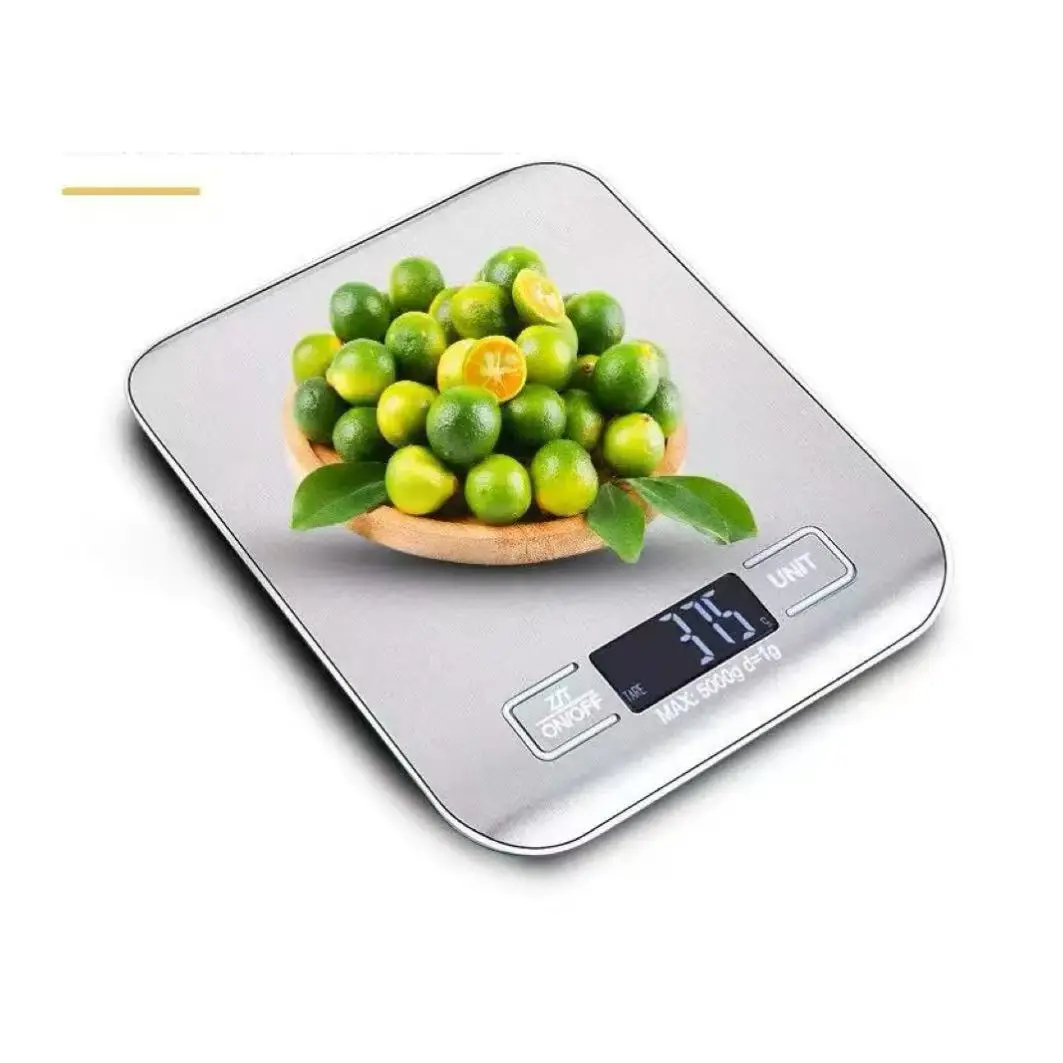
Food scales, portion containers and measuring sets, as an Amazon category search. We have not tested individual products.