Table of Contents
Why PCOS makes weight loss feel like a losing game
I remember the first time I met someone with PCOS who’d tried every diet under the sun—keto, vegan, intermittent fasting, you name it. She’d lose 10 pounds, then gain back 15. Sound familiar? It’s not just bad luck. PCOS messes with insulin, and insulin messes with your ability to lose weight in ways that aren’t always obvious.
Here’s the thing: PCOS isn’t just about ovaries. It’s a metabolic puzzle where your body overproduces insulin, which then ramps up testosterone. That’s why so many women with PCOS struggle with belly fat, acne, and hair loss—even when they’re eating “clean.” I’ve seen clients cut out sugar entirely, only to plateau because they didn’t address the bigger picture.
But here’s the good news: small tweaks can make a big difference. It’s not about perfection. It’s about working with your body, not against it.
What the research says about PCOS and diet
One study in the Journal of Clinical Investigation found that women with PCOS who followed a low-glycemic diet lost more weight and improved their insulin sensitivity compared to those on a standard low-fat diet. Another paper in the same journal showed that even a 5% weight loss can restore ovulation in some women with PCOS. That’s huge—because it means you don’t need to lose 30 pounds to see changes. Sometimes, 10 is enough.
But here’s where it gets tricky: not all “healthy” foods work the same way for everyone. I once had a client who thrived on oatmeal but felt bloated and sluggish after quinoa. Turns out, her blood sugar spiked with quinoa but not oats. The lesson? PCOS is personal. What works for your best friend might not work for you.
3 diet tweaks that actually move the needle
I’m not going to tell you to cut out carbs or go vegan. Instead, let’s focus on what’s proven to help—and what’s just hype.
1. Prioritize protein and fiber at every meal
Why? Because protein helps stabilize blood sugar, and fiber slows digestion so you don’t get those energy crashes that make you crave junk. Aim for at least 20-30 grams of protein per meal. That’s roughly the amount in 3 eggs, a chicken breast, or a cup of Greek yogurt.
I’ll admit, I used to skip protein at breakfast. Big mistake. My energy levels were all over the place until I started adding eggs or cottage cheese. Now I keep hard-boiled eggs in the fridge for quick snacks.
2. Swap refined carbs for low-glycemic options
Refined carbs—think white bread, pasta, and pastries—spike insulin faster than a sugar rush. Instead, try swapping them for:
- Sweet potatoes over white potatoes
- Brown rice over white rice
- Berries over fruit juice
One client cut out her daily bagel and replaced it with a slice of whole-grain toast with almond butter. She lost 8 pounds in two months without feeling deprived. Small swaps, big results.
3. Don’t fear healthy fats
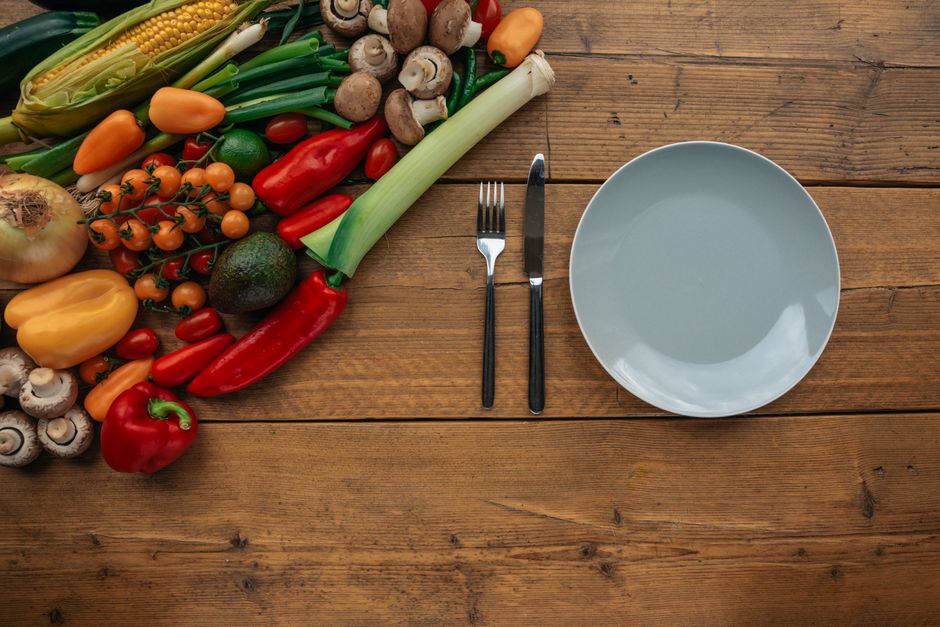
Fat doesn’t make you fat—insulin does. Healthy fats like avocados, nuts, and olive oil help keep you full and reduce cravings. I used to avoid nuts because I thought they were “too calorie-dense.” Then I realized I was snacking on pretzels instead, which left me starving an hour later. Now I keep a stash of almonds in my bag for when hunger hits.
What about dairy and gluten? It’s complicated.
Some women with PCOS feel better cutting out dairy or gluten, while others don’t notice a difference. The only way to know is to experiment—carefully. Try eliminating one for 3-4 weeks, then reintroduce it and see how you feel. But don’t assume you need to cut out entire food groups unless you have a clear reaction.
I once had a client swear off dairy because she read it was inflammatory. She felt better for a week, then realized she’d replaced yogurt with sugar-loaded granola. Turns out, the issue wasn’t dairy—it was the sugar in her granola. Always check for hidden culprits.
Why exercise isn’t the magic bullet you think it is
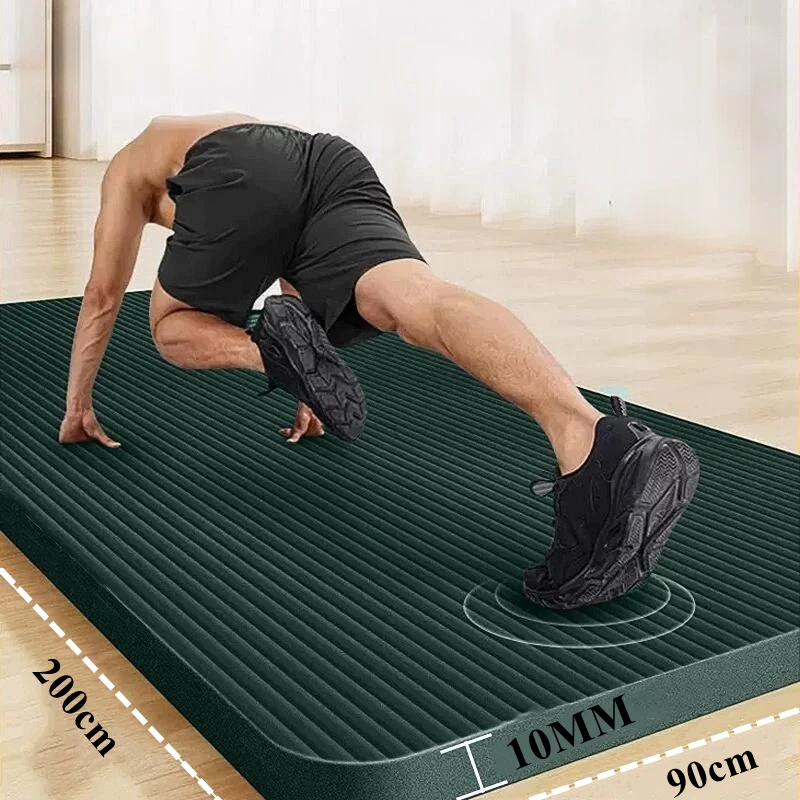
I love lifting weights, but I’ve seen too many women with PCOS overdo cardio and wonder why they’re not losing weight. Here’s the thing: intense exercise can spike cortisol, which makes insulin resistance worse. That’s why gentle movement—like walking, yoga, or light resistance training—often works better.
A 2016 study in Thyroid Hormones and Energy Balance found that women with PCOS who did moderate exercise lost more fat than those who did high-intensity workouts. So if you’re stuck in a rut, try dialing back the intensity and focusing on consistency instead.
Sleep and stress: the silent PCOS wreckers
I used to think I could function on 6 hours of sleep. Then I realized my cravings for chips and chocolate skyrocketed when I was tired. Turns out, poor sleep messes with leptin and ghrelin—the hormones that control hunger. One night of bad sleep can make you eat 200 extra calories the next day.
Stress is just as bad. Chronic stress raises cortisol, which increases insulin resistance. I’ve had clients who lost weight effortlessly once they started prioritizing sleep and stress management. It’s not just about food—it’s about the whole picture.
FAQs about PCOS and diet
Can I eat fruit if I have PCOS?
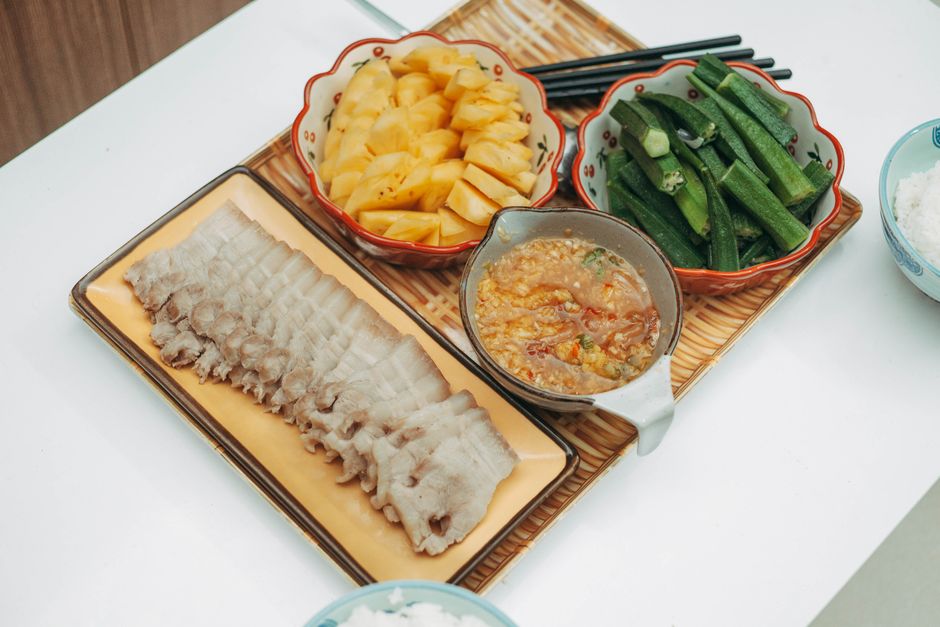
Yes, but choose wisely. Berries, apples, and pears are lower on the glycemic index than mangoes or pineapple. Pair fruit with protein or fat to slow digestion. I love having an apple with a handful of almonds—it keeps me full for hours.
Do I need to cut out all sugar?
Not necessarily. The goal is to reduce refined sugars (soda, candy, pastries) and focus on natural sugars (fruit, honey). One client cut out her daily soda and replaced it with sparkling water with lemon. She lost 5 pounds in a month without feeling deprived.
How long until I see changes?
It varies, but many women notice improvements in energy and cravings within 2-4 weeks. Weight loss might take longer—sometimes 3-6 months. The key is consistency, not perfection. I’ve had clients who didn’t lose a pound for months, then suddenly dropped 5 pounds after a stressful period ended. Patience is key.
Key takeaways
- PCOS isn’t just about weight—it’s about insulin resistance. Focus on stabilizing blood sugar.
- Small swaps (like protein at breakfast or low-GI carbs) can make a big difference.
- Exercise should be gentle, not extreme. Walking and yoga often work better than HIIT.
- Sleep and stress matter just as much as food. Don’t ignore them.
- Experiment carefully. What works for one person might not work for you.
Medically Reviewed & Fact-Checked
This article has been reviewed and fact-checked by a Registered Dietitian (RD) to ensure compliance with evidence-based scientific guidelines and professional health standards.
Recommended Health & Fitness Gear