
How Gut Bacteria Shape Your Weight, And What to Do About It
Emerging research reveals that the trillions of microorganisms in your gut do more than aid digestion. They influence energy extraction from food, fat storage, appetite regulation, and even inflammation, all of which play a role in body weight. While no single gut microbe is solely responsible for weight gain or loss, the composition of your microbiome can tip the scales in measurable ways. Understanding this connection offers a science-backed strategy for sustainable weight management that goes beyond calories in and calories out.
What the Microbiome Does, and Why It Matters for Weight
The gut microbiome acts as a metabolic organ, producing compounds that interact with your body’s energy systems. Certain bacteria, such as those in the Firmicutes and Bacteroidetes phyla, influence how efficiently calories are extracted from food and how fat is stored. For example, some strains enhance the fermentation of dietary fiber into short-chain fatty acids (SCFAs) like butyrate, which may improve insulin sensitivity and reduce fat accumulation in the liver.
Conversely, an imbalance, often called dysbiosis, has been linked to obesity and metabolic dysfunction. Studies comparing the microbiomes of lean and obese individuals show differences in bacterial diversity and the types of microbes present. While these associations don’t prove causation, they suggest that gut health is a modifiable factor in weight regulation. Higher microbial diversity is associated with lower body mass index (BMI), though the mechanisms remain under investigation.
The Gut-Brain Axis: How Your Microbiome Talks to Your Appetite
The gut and brain communicate through a bidirectional network involving nerves, hormones, and immune signals. Gut bacteria produce neurotransmitters like serotonin and gamma-aminobutyric acid (GABA), which can affect mood and cravings. Some microbes also influence the production of hormones such as ghrelin (the hunger hormone) and peptide YY (a satiety signal).
For example, certain bacteria may reduce inflammation in the gut lining, which in turn supports normal signaling to the brain. When the gut barrier is compromised, a condition known as leaky gut, endotoxins can enter the bloodstream and trigger systemic inflammation, potentially increasing appetite and promoting fat storage. This highlights why gut health isn’t just about digestion; it’s a cornerstone of metabolic health.
Fiber, Probiotics, and Prebiotics: The Weight-Loss Triad
Diet is the most powerful tool for reshaping the microbiome. Three dietary components stand out for their ability to support a healthy gut and, by extension, weight management:
- Dietary fiber: Acts as a prebiotic, feeding beneficial bacteria and promoting SCFA production. Soluble fiber, found in foods like oats, beans, and apples, slows digestion and enhances satiety. The Harvard T.H. Chan School of Public Health recommends filling half your plate with fiber-rich plant foods to support gut health.
- Probiotics: Live beneficial bacteria found in fermented foods like yogurt, kefir, sauerkraut, and kimchi. Strains such as Lactobacillus and Bifidobacterium have been studied for their potential to reduce body fat and improve insulin sensitivity, though results vary by strain and individual microbiome.
- Prebiotics: Non-digestible fibers that selectively feed good bacteria. Foods like garlic, onions, asparagus, and chicory root contain prebiotics that can increase the abundance of beneficial microbes like Bifidobacteria.
While probiotic supplements can be useful, whole foods provide a broader spectrum of nutrients and fiber that support microbiome diversity. The key is consistency: gradual dietary changes allow beneficial bacteria to flourish over time.
Myth: Probiotics Alone Will Make You Lose Weight
A common misconception is that taking probiotic supplements will directly lead to weight loss. The reality is more nuanced. Probiotics may support metabolic health and reduce inflammation, but they are not a magic bullet. Weight loss still depends on energy balance, calories in versus calories out. However, a healthy microbiome can make it easier to maintain that balance by improving satiety, reducing cravings, and enhancing nutrient absorption.
For example, Lactobacillus rhamnosus may help reduce weight gain in women, but the effect is modest and not universal. The takeaway: probiotics are a tool, not a standalone solution. Pair them with a balanced diet and lifestyle for best results.
Practical Steps to Rebalance Your Gut for Weight Management
Rebalancing your microbiome isn’t about drastic changes, it’s about consistent, evidence-based habits. Below is a 14-day action plan to support gut health and weight goals. Adjust portions based on your body size, activity level, and hunger cues.
Daily Protocol
- Morning:
- Start with a glass of water (room temperature or warm) to support digestion.
- Include a fiber-rich breakfast, such as oatmeal with berries and chia seeds, or Greek yogurt with flaxseeds and sliced banana.
- Midday:
- Choose a lunch rich in vegetables, lean protein, and whole grains. For example, quinoa bowls with roasted vegetables, chickpeas, and tahini dressing.
- Snack on fermented foods like a small portion of sauerkraut or a serving of kefir.
- Evening:
- Dinner should include a variety of plant foods. Try baked salmon with a side of steamed broccoli, sweet potato, and a mixed greens salad with olive oil and lemon.
- Limit late-night eating to allow the gut to rest and repair overnight.
- Hydration:
- Aim for at least half your body weight (in pounds) in ounces of water daily, adjusting for activity and climate. For example, a 150-pound person would target about 75 ounces.
- Herbal teas and broths can contribute to hydration while providing additional nutrients.
- Movement:
- Engage in 150 minutes of moderate activity per week, such as walking, cycling, or swimming. Strength training 2–3 times weekly helps preserve lean mass during weight loss.
- Sleep:
- Aim for 7–9 hours per night. Poor sleep disrupts hunger hormones and gut bacteria balance, increasing cravings for high-calorie foods.
Troubleshooting Protocol
If you experience digestive discomfort, bloating, or changes in appetite, consider these adjustments:
- Bloating or gas: Gradually increase fiber intake and ensure adequate hydration. Try smaller, more frequent meals.
- Inconsistent bowel movements: Focus on soluble fiber sources (e.g., apples, carrots, psyllium husk) and probiotic foods. If symptoms persist, consult a healthcare provider to rule out food intolerances or conditions like SIBO.
- Cravings for sweets or processed foods: These may signal imbalances in gut bacteria or blood sugar. Prioritize protein, healthy fats, and fiber at meals to stabilize energy.
- No weight change after 4 weeks: Reassess total calorie intake, stress levels, and sleep quality. Small, sustainable adjustments often yield better long-term results than extreme measures.
Beyond Diet: Lifestyle Factors That Influence the Microbiome
Weight loss isn’t solely about what you eat. Several lifestyle factors can either support or disrupt gut health:
- Stress: Chronic stress alters gut bacteria composition and increases gut permeability. Practices like mindfulness, deep breathing, or yoga may help mitigate these effects.
- Antibiotics: While sometimes necessary, antibiotics can disrupt the microbiome. If prescribed, discuss strategies with your healthcare provider to support recovery, such as probiotic use and a nutrient-dense diet.
- Environmental toxins: Exposure to pesticides, plastics, and pollutants may harm beneficial bacteria. Choose organic produce when possible and use glass or stainless steel for food storage.
- Alcohol: Excessive alcohol can reduce microbial diversity and damage the gut lining. Moderation is key; consider limiting intake to special occasions.
Key Takeaways
- The gut microbiome influences energy extraction, fat storage, and appetite regulation through complex interactions with the body’s metabolic and nervous systems.
- Dietary fiber, probiotics, and prebiotics are the primary tools for reshaping the microbiome in a way that supports weight management.
- Probiotics alone are not a weight-loss solution but can complement a balanced diet and lifestyle.
- Consistency in diet, hydration, sleep, and stress management is more effective than short-term fixes for long-term gut and metabolic health.
- Small, sustainable changes to diet and lifestyle yield better results than extreme measures.
FAQs
Can gut bacteria cause weight gain even if I eat a healthy diet?
An imbalanced microbiome may contribute to weight gain by increasing energy extraction from food, promoting fat storage, or disrupting satiety signals. However, diet quality still plays a dominant role. Addressing microbiome imbalances can support weight goals but should be part of a broader strategy.
How long does it take to see changes in gut bacteria from dietary changes?
Shifts in gut bacteria can begin within days of dietary changes, but meaningful improvements in diversity and metabolic markers typically take 4–6 weeks of consistent eating patterns.
Are probiotic supplements worth taking for weight loss?
Some strains may offer modest benefits for metabolic health, but results vary widely. Whole foods like yogurt, kefir, and fermented vegetables provide a broader spectrum of nutrients and are generally preferred. If using supplements, choose products with clinically studied strains and colony-forming units (CFUs) in the billions.
Does intermittent fasting affect gut bacteria?
Intermittent fasting may promote beneficial changes in gut bacteria by increasing microbial diversity and SCFA production. However, the effects depend on the individual and the fasting protocol. Gradual implementation and attention to hunger and energy levels are recommended.
Can I improve my gut health without losing weight?
Yes. Gut health supports overall well-being, including digestion, immunity, and mental health. Focusing on microbiome diversity through diet and lifestyle can improve energy, reduce bloating, and enhance mood, regardless of weight changes.
Advertising disclosure: the links below are affiliate links. We may earn a commission if you use them, at no extra cost to you. This does not change the article's content, and it is not a medical recommendation.
Recommended Health & Fitness Gear

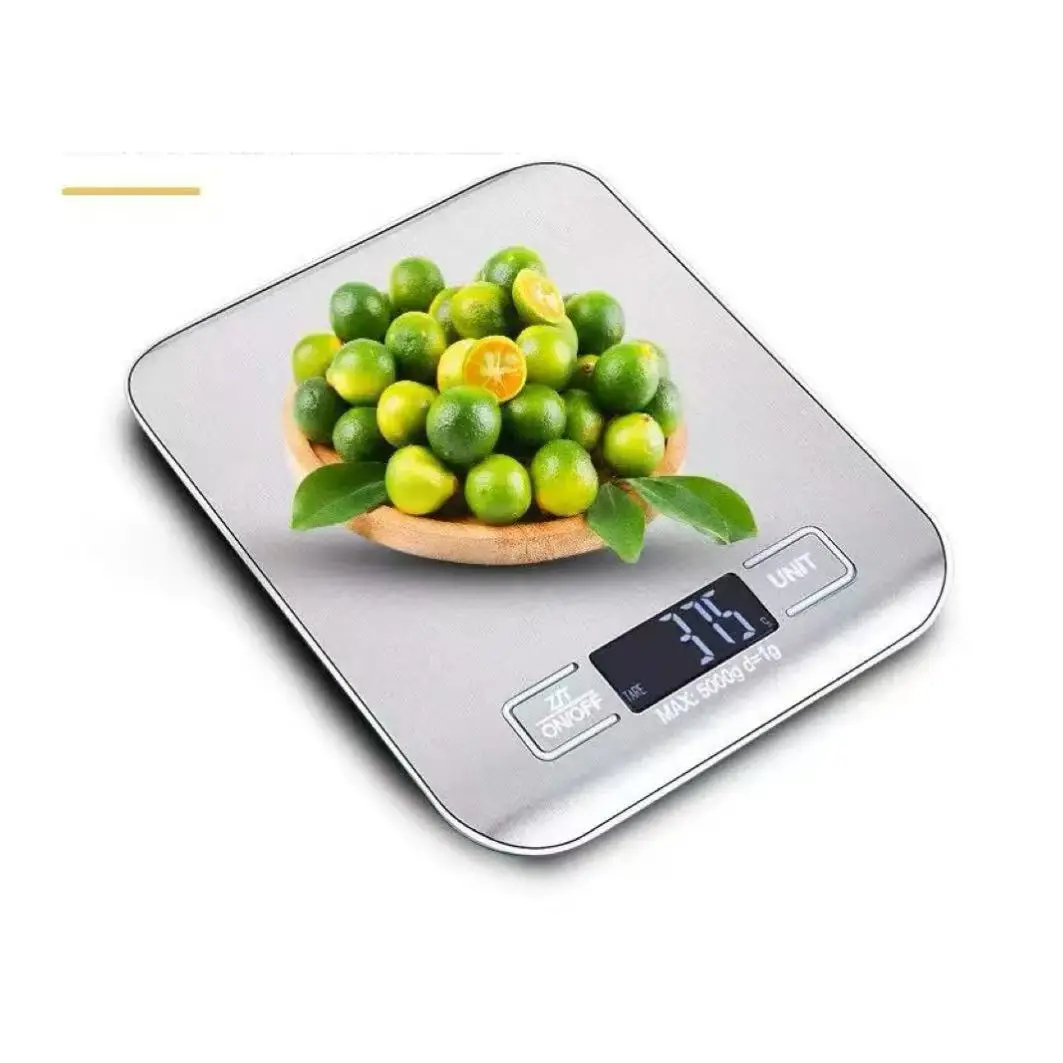


Browse kitchen and portion tools on Amazon
Food scales, portion containers and measuring sets, as an Amazon category search. We have not tested individual products.


