Why Walking Is the Most Underrated Fat-Loss Tool, and How to Use It
Weight loss is often framed as a high-intensity pursuit, HIIT workouts, calorie-burning boot camps, or restrictive diets. Yet the most reliable fat-loss strategies are rarely the most extreme. Among them, walking stands out as a low-impact, accessible, and sustainable method that aligns with human physiology. It may be more effective for long-term weight management than many assume, particularly when integrated into daily routines in specific ways.
This isn’t about casual strolls or weekend jaunts. The science points to targeted walking protocols, such as post-meal movement, that can influence metabolic health, appetite regulation, and even fat oxidation. Below, we examine the evidence, debunk common myths, and outline a practical plan to use walking for measurable, lasting results.
What the Research Says About Walking and Fat Loss
Walking’s fat-loss potential isn’t just anecdotal. Higher daily step counts, particularly beyond 7,500, are associated with lower BMI and body fat percentages in observational studies. While step count alone doesn’t guarantee weight loss, it reflects a broader pattern of movement that counters the metabolic slowdown of sedentary lifestyles.
More nuanced findings come from studies on non-exercise activity thermogenesis (NEAT), the energy expended during daily activities outside formal exercise. Increasing NEAT, whether through pacing while on phone calls or taking short walking breaks, can account for hundreds of additional calories burned per day. A Harvard analysis notes that replacing just 30 minutes of sitting with light walking can improve insulin sensitivity and glucose regulation, two critical factors in fat storage (Source: Harvard T.H. Chan School of Public Health).
Perhaps most compelling is the role of walking after meals. A 15-minute walk after dinner significantly reduced postprandial blood sugar spikes compared to sitting. Over time, such metabolic improvements can reduce visceral fat accumulation, which is more metabolically active and linked to chronic disease risk.
How Walking Affects Metabolism and Fat Storage
Walking doesn’t burn calories at the same rate as running or cycling, but its metabolic effects extend beyond immediate energy expenditure. Light-to-moderate walking enhances insulin sensitivity, helping cells absorb glucose more efficiently and reducing the likelihood of excess sugar being stored as fat. This is especially relevant after meals, when blood glucose levels naturally rise.
Walking also stimulates lymphatic flow, aiding in the removal of metabolic waste products that can otherwise contribute to inflammation, a known driver of fat storage, particularly around the abdomen. Additionally, regular walking supports cardiovascular health by improving circulation, which indirectly supports fat metabolism by ensuring nutrients and hormones reach tissues effectively.
Contrary to the idea that only vigorous exercise “counts,” walking’s cumulative benefits are well-documented. The Mayo Clinic emphasizes that consistent, moderate activity, like brisk walking, can help maintain a healthy weight by balancing calorie intake and expenditure without the wear-and-tear of high-intensity training (Source: Mayo Clinic Nutrition Guide).
Myth: Walking Alone Isn’t Enough for Weight Loss
This misconception persists because it conflates fat loss with calorie deficit. While walking alone may not create a large enough deficit for rapid weight loss in some individuals, it plays a critical role in sustainability. The key is integration: walking can enhance adherence to a calorie-controlled diet by reducing stress, improving mood, and preventing muscle loss during a deficit.
Another related myth is that walking doesn’t “target” belly fat. Spot reduction is physiologically impossible, fat loss occurs systemically. However, walking’s metabolic benefits (improved insulin sensitivity, reduced inflammation) are particularly relevant for visceral fat, which is more responsive to hormonal changes than subcutaneous fat.
Step-by-Step: How to Walk for Fat Loss
Not all walking is created equal. To maximize fat-loss benefits, timing, intensity, and consistency matter. Below is a structured approach based on current evidence.
1. Daily Step Targets
- Minimum effective dose: 7,500 steps per day. Below this, the metabolic benefits diminish significantly.
- Optimal range: 8,000–10,000 steps, with at least 3,000 in continuous brisk walking (e.g., 15-minute segments at a pace where conversation is possible but challenging).
- Progression: Increase by 500 steps weekly until reaching a sustainable target.
2. Post-Meal Walking Protocol
After each main meal (breakfast, lunch, dinner), take a 10–15 minute brisk walk. This timing leverages the body’s natural postprandial glucose response, reducing spikes that can trigger fat storage. Ideal pace: 3.5–4.5 mph (5.6–7.2 km/h).
3. Intensity Zones
- Easy pace (3.0–3.5 mph): Conversational, suitable for warm-ups or recovery days.
- Brisk pace (3.5–4.5 mph): Slightly elevated heart rate, sustainable for 20+ minutes.
- Power walking (4.5–5.5 mph): Vigorous, may require interval training (e.g., 1 minute fast, 2 minutes moderate).
4. Weekly Structure
| Day | Walking Focus | Duration | Notes |
|---|---|---|---|
| Monday | Post-meal walks (3x) | 10–15 min each | After breakfast, lunch, dinner |
| Tuesday | Continuous brisk walk | 30 min | Morning or evening |
| Wednesday | Interval walking | 25 min | Alternate 2 min fast, 1 min moderate |
| Thursday | Post-meal walks (3x) | 10–15 min each | After meals |
| Friday | Long slow walk | 45 min | Leisurely pace, focus on form |
| Saturday | Active recovery | 20 min | Easy pace, optional incline |
| Sunday | Optional walk or rest | , | Listen to recovery needs |
Troubleshooting Common Challenges
Problem: “I don’t have time for three post-meal walks.”
Solution: Combine walks with daily habits. Walk after dinner while watching TV, or take a 5-minute stroll after each meal if 10–15 minutes isn’t feasible. Even short bursts contribute to NEAT.
Problem: “Walking feels too easy, I’m not losing weight.”
Solution: Reassess expectations. If weight loss has stalled, focus on dietary adherence, sleep quality, and stress management. Walking supports fat loss but doesn’t override a calorie surplus.
Problem: “I get bored or my joints hurt.”
Solution: Vary routes, listen to podcasts or audiobooks, or try walking meetings. For joint pain, opt for flat surfaces, supportive shoes, and consider a walking pole for stability.
Beyond Steps: Supporting Walking with Nutrition and Recovery
Walking’s fat-loss benefits are amplified when paired with proper nutrition and recovery. Hydration supports circulation and metabolic function, while adequate protein intake (0.7–1.0 grams per pound of body weight) helps preserve lean mass during a deficit. Sleep, often overlooked, is critical, poor sleep increases hunger hormones and reduces insulin sensitivity, undermining walking’s effects.
The Harvard Healthy Eating Plate recommends filling half your plate with vegetables, a quarter with lean protein, and a quarter with whole grains or healthy fats. This balance stabilizes energy levels, making it easier to maintain an active routine (Source: Harvard T.H. Chan School of Public Health).
FAQs: Walking for Weight Loss
Q: How long does it take to see results from walking?
A: Visible fat loss typically requires 4–8 weeks of consistent walking combined with a calorie-controlled diet. Metabolic improvements (e.g., better blood sugar control) can appear within 2–4 weeks.
Q: Is walking better than running for fat loss?
A: For most people, walking is more sustainable and less likely to cause injury. Running burns more calories per minute but increases appetite and injury risk, which can offset long-term adherence.
Q: Can I lose belly fat by walking?
A: Walking reduces overall body fat, including visceral fat, but spot reduction isn’t possible. A calorie deficit and improved metabolic health are the primary drivers of belly fat loss.
Q: Do I need to walk every day?
A: Consistency matters more than daily walks. Aim for at least 5 days per week, with active recovery (e.g., stretching or light walking) on rest days.
Before You Go
- Walking supports fat loss by improving insulin sensitivity, enhancing NEAT, and aiding lymphatic flow.
- Post-meal walking (10–15 minutes) is one of the most effective ways to reduce blood sugar spikes and fat storage.
- Aim for 7,500–10,000 steps daily, with at least 3,000 in brisk segments.
- Pair walking with a balanced diet, adequate protein, hydration, and sleep for optimal results.
- Walking is sustainable long-term, making it ideal for maintaining weight loss without burnout.
For those seeking a simple, science-backed strategy to enhance fat loss, walking offers a powerful, and often overlooked, solution. The key isn’t intensity, but consistency, timing, and integration into daily life.
Advertising disclosure: the links below are affiliate links. We may earn a commission if you use them, at no extra cost to you. This does not change the article's content, and it is not a medical recommendation.
Recommended Health & Fitness Gear

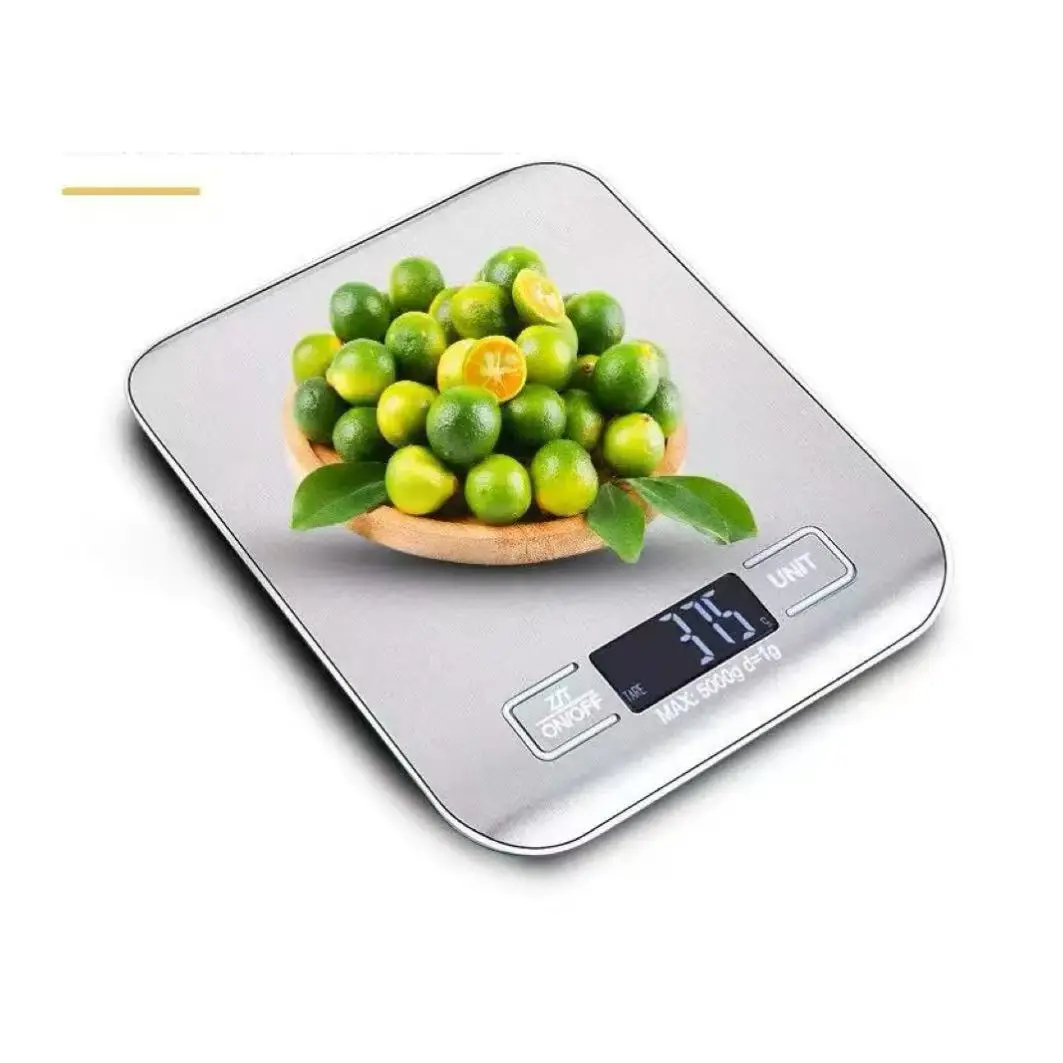


Browse kitchen and portion tools on Amazon
Food scales, portion containers and measuring sets, as an Amazon category search. We have not tested individual products.