
Why Walking Works for Sustainable Fat Loss
Walking is often dismissed as too gentle for meaningful weight loss, yet clinical research consistently shows it can be a powerful tool when structured correctly. Unlike high-intensity workouts that demand recovery, walking fits seamlessly into daily life while delivering measurable metabolic benefits. Consistent walking, particularly at a brisk pace, improves insulin sensitivity, a key factor in fat oxidation. This effect is amplified when combined with mindful eating patterns, as outlined by the Harvard T.H. Chan School of Public Health.
For those skeptical of walking’s fat-loss potential, consider this: a 155-pound person burns roughly 150 calories per 30 minutes of brisk walking. Over a week, that’s enough to create a 1,050-calorie deficit, without drastic dietary changes. The simplicity of walking also reduces adherence barriers, making it a sustainable long-term strategy compared to restrictive diets or punishing exercise routines.
How Walking Targets Belly Fat (Without Gimmicks)
Belly fat is metabolically active tissue linked to insulin resistance and chronic inflammation. Walking helps regulate these processes through two primary mechanisms: improved insulin signaling and reduced cortisol-related storage. Weeks of consistent daily walking measurably lowers fasting insulin in overweight adults. Lower insulin levels allow fat cells to release stored triglycerides more efficiently, particularly in visceral fat deposits.
Cortisol’s role in fat storage is often oversimplified. While chronic stress can disrupt appetite and sleep, both of which influence weight, walking mitigates these effects by lowering baseline cortisol levels. The Mayo Clinic notes that moderate physical activity like walking promotes relaxation and reduces stress-induced cravings, indirectly supporting fat loss without directly "targeting" belly fat. Source.
Step-by-Step: The 14-Day Walking Plan for Fat Loss
The following protocol balances progressive overload with recovery to maximize fat oxidation while minimizing injury risk. Adjust step counts based on current fitness levels, start conservatively if new to exercise.
Week 1: Foundation Building
Daily Target: 7,000–8,000 steps (including baseline activity).
- Morning: 10-minute brisk walk after waking (aim for 1,500 steps).
- Lunch Break: 15-minute walk (2,000 steps).
- Evening: 20-minute walk post-dinner (2,500 steps).
- NEAT Boost: Stand during phone calls, take stairs, or park farther from entrances.
Pace: Moderate (able to speak in full sentences but not sing).
Week 2: Intensity Progression
Daily Target: 9,000–10,000 steps.
- Morning: 15-minute brisk walk (2,000 steps).
- Lunch Break: 20-minute walk (2,500 steps).
- Evening: 25-minute walk (3,000 steps).
- Weekend: One 45-minute leisurely walk (4,000–5,000 steps).
Pace: Alternate between moderate and vigorous intervals (30 seconds fast, 90 seconds recovery).
Troubleshooting Protocol
Plateauing or fatigue signals a need to adjust variables. Use this checklist:
- If weight loss stalls for 2+ weeks: Increase daily steps by 1,000 or add 5 minutes to one walk.
- If joints ache: Shorten walk duration but maintain frequency; consider a cushioned shoe insert.
- If motivation lags: Schedule walks with a partner or use a podcast/audiobook to pass time.
- If hunger increases: Prioritize protein and fiber at meals to support satiety without overeating.
Myth: "You Need 10,000 Steps to Lose Weight"
The 10,000-step myth originated from a 1960s Japanese marketing campaign for a pedometer, not clinical research. Large step-count studies find most of the mortality benefit arrives by around 7,500 daily steps, with little extra beyond 10,000 for most health markers. For fat loss specifically, the calorie deficit from 7,000–8,000 steps is often sufficient when paired with dietary awareness. The key is consistency over arbitrary targets.
Nutrition combination: What to Eat (and Avoid) While Walking
Walking enhances nutrient absorption and metabolic flexibility, but its fat-loss effects are amplified by strategic eating. The Harvard Healthy Eating Plate emphasizes a balance of:
- Protein: 20–30g per meal to preserve lean mass and curb appetite.
- Fiber: 25–35g daily from vegetables, legumes, and whole grains to stabilize blood sugar.
- Healthy Fats: Avocados, nuts, and olive oil to support hormone function.
Avoid liquid calories (sugary coffees, juices) and ultra-processed snacks, which can negate walking’s calorie burn. Hydration matters too, dehydration mimics hunger and reduces exercise performance. Aim for half your body weight (lbs) in ounces daily, adjusting for sweat loss.
Beyond Steps: Advanced Tactics for Faster Results
While walking alone can drive fat loss, combining it with targeted strategies accelerates progress:
- Strength Training: Two 20-minute sessions weekly preserve metabolically active muscle, especially in a calorie deficit. Focus on compound movements (squats, push-ups).
- Sleep Optimization: Poor sleep disrupts leptin and ghrelin, hormones that regulate hunger. Prioritize 7–9 hours nightly.
- Mindful Walking: Practice diaphragmatic breathing during walks to lower stress and improve oxygen utilization.
Recommended Health & Fitness Gear



FAQ: Walking for Weight Loss
Q: Can I lose weight walking only 30 minutes a day?
A: Yes, if you’re in a calorie deficit. A 155-pound person burns ~150 calories in 30 minutes of brisk walking. Pair this with modest dietary adjustments (e.g., reducing liquid calories) to create a sustainable deficit.
Q: Does walking after meals burn more belly fat?
A: Post-meal walks lower blood sugar spikes and improve insulin sensitivity, which indirectly reduces visceral fat storage. Short post-meal walks appear to control blood sugar better than one long daily walk.
Q: How soon will I see results?
A: Visible changes in waist circumference may appear in 4–6 weeks with consistent walking and dietary awareness. Scale weight can fluctuate due to water retention, so track measurements or progress photos.
Q: Is treadmill walking as effective as outdoor walking?
A: Treadmills offer controlled pace and incline, while outdoor walking engages stabilizing muscles and provides mental health benefits. Choose based on preference, both are equally effective for fat loss.
Worth Remembering
- Walking creates a calorie deficit through consistent, moderate-to-vigorous movement, making it a sustainable fat-loss tool.
- Insulin sensitivity improves with brisk walking, enhancing fat oxidation and reducing visceral fat storage.
- 10,000 steps is a guideline, not a rule, 7,500 steps daily delivers most health benefits, including weight management.
- Nutrition and sleep amplify results by supporting metabolic function and appetite regulation.
- Strength training and stress management optimize long-term outcomes by preserving lean mass and lowering cortisol.
Advertising disclosure: the links below are affiliate links. We may earn a commission if you use them, at no extra cost to you. This does not change the article's content, and it is not a medical recommendation.
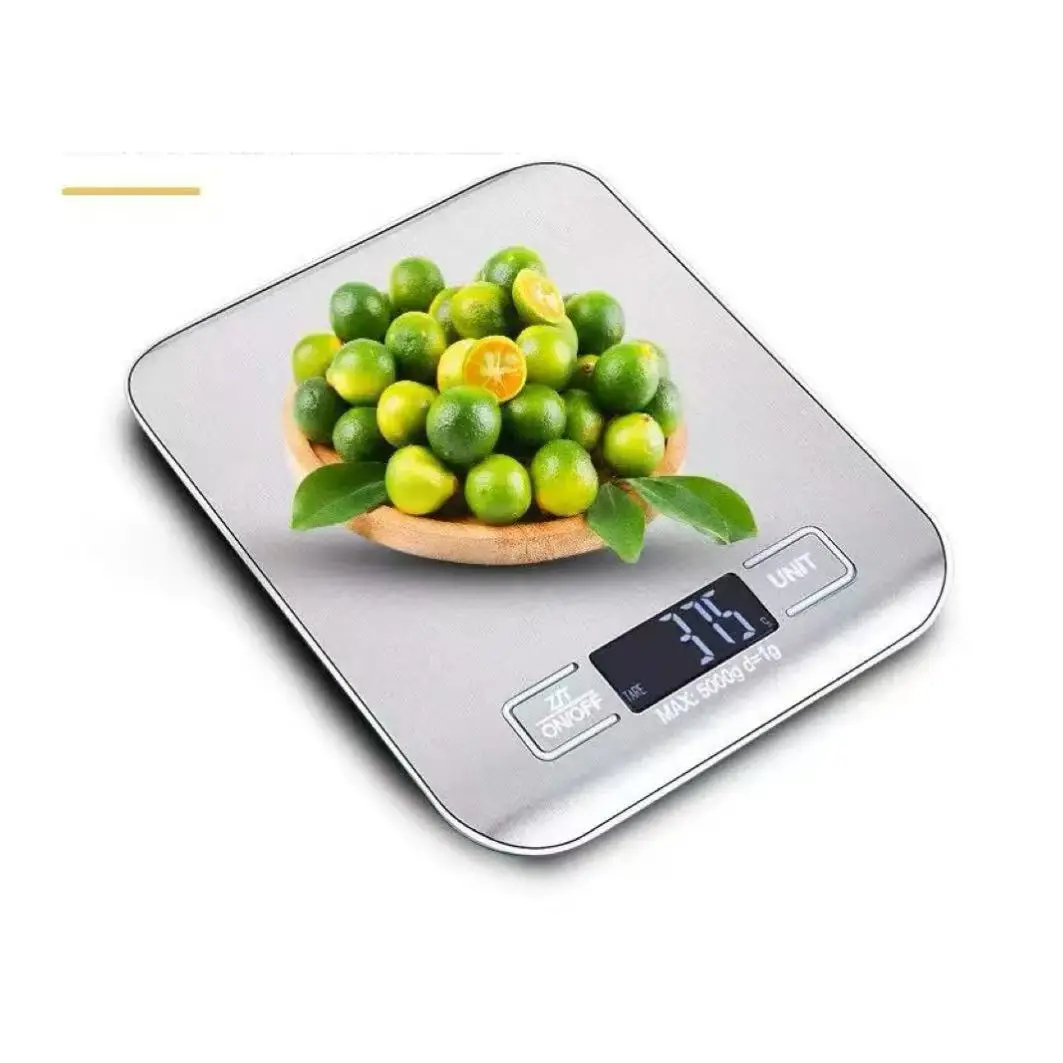
Browse kitchen and portion tools on Amazon
Food scales, portion containers and measuring sets, as an Amazon category search. We have not tested individual products.