Why Your Grandpa’s Diet May Hold the Key to Sustainable Fat Loss
Modern weight-loss advice often prioritizes calorie counting, restrictive diets, or expensive supplements. Yet the most effective, and sustainable, fat-loss strategies rarely involve trendy protocols. Instead, they mirror the eating patterns of older generations: whole foods, balanced macronutrients, and minimal processing. The body’s ability to efficiently burn fat for fuel improves with diets rich in unprocessed foods, consistent meal timing, and a focus on satiating nutrients. This approach doesn’t just target weight loss; it builds metabolic flexibility, the capacity to switch between burning carbs and fats based on demand.
Unlike fad diets that promise rapid results but often backfire, the "eat like your grandpa" method emphasizes long-term habits. It’s not about deprivation or extreme restriction but about choosing foods that align with how human metabolism evolved. Below, we break down the science-backed principles of this approach and provide a practical plan to implement it today.
Core Principles: How to Rebuild Metabolic Flexibility
Metabolic flexibility is the body’s ability to adapt fuel sources based on availability and demand. When this system works well, you burn fat efficiently during low-activity periods and use carbohydrates effectively after meals or exercise. Poor metabolic flexibility, common in modern diets high in refined carbs and seed oils, leads to energy crashes, cravings, and fat storage. The good news? It’s reversible with targeted nutrition and lifestyle adjustments.
Three foundational elements drive this process:
- Prioritize whole, minimally processed foods. These foods retain fiber, micronutrients, and natural satiety signals that processed alternatives lack. A Harvard Healthy Eating Plate model recommends filling half your plate with vegetables, a quarter with lean protein, and a quarter with whole grains or healthy fats.
- Balance macronutrients to stabilize energy. Protein and fat slow digestion, reducing post-meal spikes in insulin, a hormone that promotes fat storage when elevated too often. Aim for 20–30 grams of protein per meal and include healthy fats like olive oil, avocados, and nuts.
- Time meals to support circadian rhythms. Eating within a consistent window, such as 12 hours or less daily, aligns with natural metabolic cycles, improving fat oxidation. This doesn’t require strict fasting but encourages regularity.
Fat-Adaptive Foods: What to Stock and Why
Not all fats are created equal, and not all carbohydrates are problematic. The key is selecting foods that enhance fat burning while minimizing inflammation and insulin resistance. Below is a curated list of fat-adaptive foods, grouped by category, along with their primary benefits.
Protein: The Satiety Anchor
- Eggs (whole, pasture-raised) – High in choline, a nutrient linked to improved fat metabolism and reduced liver fat accumulation.
- Fatty fish (salmon, sardines, mackerel) – Rich in omega-3s, which reduce inflammation and support insulin sensitivity.
- Grass-fed beef and poultry – Provide conjugated linoleic acid (CLA), a fatty acid associated with modest fat loss in some studies.
- Legumes (lentils, chickpeas) – Offer plant-based protein and fiber, slowing glucose absorption and promoting fullness.
Healthy Fats: Fuel for Fat Burning
- Extra virgin olive oil – Contains oleocanthal, a compound that mimics ibuprofen’s anti-inflammatory effects, supporting metabolic health.
- Avocados – High in monounsaturated fats and potassium, which helps regulate blood pressure and fluid balance.
- Nuts and seeds (walnuts, almonds, chia, flax) – Provide fiber and omega-3s, reducing appetite and improving lipid profiles.
- Coconut oil (in moderation) – Contains medium-chain triglycerides (MCTs), which are rapidly converted to ketones, an efficient fat-derived fuel.
Carbohydrates: Choose Wisely
- Sweet potatoes and yams – Lower glycemic index than white potatoes, providing sustained energy without sharp insulin spikes.
- Quinoa and steel-cut oats – Whole grains with fiber and protein, slowing digestion and stabilizing blood sugar.
- Non-starchy vegetables (broccoli, spinach, zucchini) – High in volume and nutrients, with minimal impact on glucose levels.
Meal Prep on a Budget: A 7-Day Action Plan
Consistency is the greatest predictor of fat loss success. This 7-day meal plan is designed for metabolic flexibility, affordability, and minimal prep time. Adjust portion sizes based on your body size, activity level, and hunger cues, there’s no one-size-fits-all calorie target.
Daily Structure (Flexible Timing)
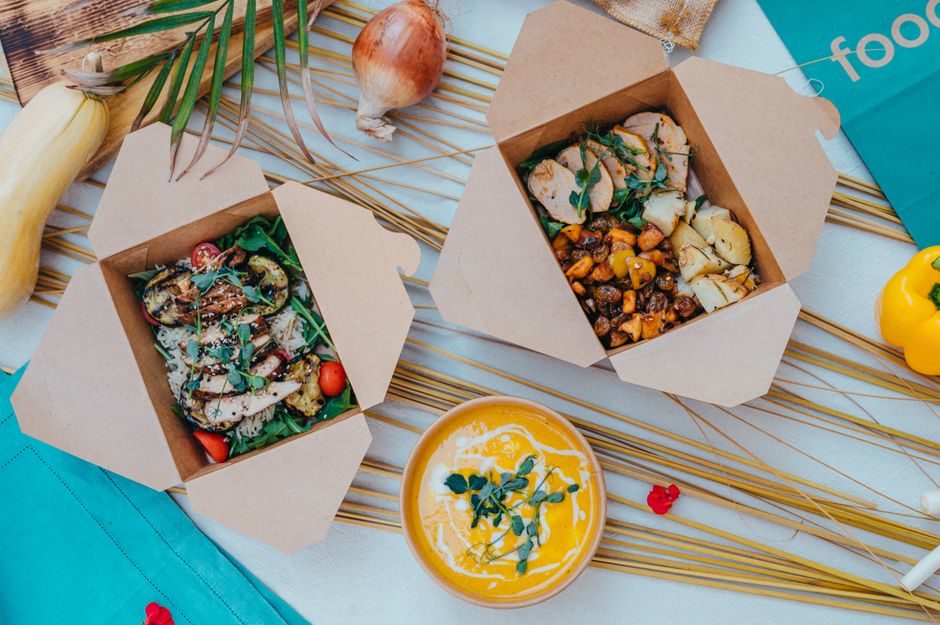
- Breakfast: Protein + healthy fat + fiber. Example: Scrambled eggs with spinach and avocado.
- Lunch: Lean protein + non-starchy veggies + whole food carb. Example: Grilled chicken with roasted Brussels sprouts and quinoa.
- Dinner: Protein + healthy fat + veggies. Example: Baked salmon with steamed asparagus and olive oil drizzle.
- Snacks (optional): Nuts, Greek yogurt (unsweetened), or hummus with veggies.
7-Day Meal Plan (Budget-Friendly)
| Day | Breakfast | Lunch | Dinner | Snack |
|---|---|---|---|---|
| Monday | Oatmeal with chia seeds, almond butter, and cinnamon | Lentil soup with a side of whole-grain bread | Baked cod with roasted carrots and tahini dressing | Handful of walnuts |
| Tuesday | Scrambled eggs with sautéed kale and olive oil | Grilled chicken salad with olive oil and lemon | Turkey chili with kidney beans and zucchini | Greek yogurt with flaxseeds |
| Wednesday | Greek yogurt with walnuts and blueberries | Quinoa bowl with black beans, avocado, and salsa | Beef stir-fry with broccoli and sesame oil | Celery with almond butter |
| Thursday | Sweet potato hash with eggs and spinach | Tuna salad (with olive oil mayo) on whole-grain crackers | Baked chicken thighs with roasted sweet potatoes | Hard-boiled eggs |
| Friday | Chia pudding with almond milk and raspberries | Egg salad with mixed greens and olive oil | Sardines on whole-grain toast with avocado | Handful of pumpkin seeds |
| Saturday | Omelet with mushrooms, onions, and feta | Chickpea and vegetable curry with brown rice | Grilled shrimp with zucchini noodles and pesto | Apple with peanut butter |
| Sunday | Smoothie with spinach, almond butter, protein powder, and flax | Turkey and avocado wrap in a whole-grain tortilla | Baked chicken drumsticks with roasted cauliflower | Cottage cheese with sunflower seeds |
Meal Prep Tips to Save Time and Money
- Batch cook proteins: Grill chicken breasts, bake salmon fillets, or slow-cook beef for multiple meals.
- Pre-chop vegetables: Store in airtight containers for quick assembly in salads, stir-fries, or sides.
- Use frozen produce: Just as nutritious as fresh, and often cheaper, ideal for smoothies or cooked dishes.
- Repurpose leftovers: Turn dinner chicken into lunch wraps or salads the next day.
- Buy in bulk: Lentils, oats, nuts, and seeds are cost-effective staples with long shelf lives.
Recommended Health & Fitness Gear




Myth Busting: “Fat Makes You Fat”
A persistent myth claims that dietary fat directly causes fat gain. This oversimplification ignores the role of energy balance, food quality, and metabolic context. Fat is calorie-dense (9 calories per gram), but it’s also satiating and metabolically beneficial when sourced from whole foods. The real driver of fat gain is a chronic energy surplus, consuming more calories than the body expends over time, regardless of macronutrient composition.
In addition,, low-fat diets often replace fat with refined carbohydrates, which can spike insulin and promote fat storage. A Mayo Clinic review notes that very low-fat diets may lead to deficiencies in fat-soluble vitamins and essential fatty acids, undermining long-term health.
Instead of fearing fat, focus on the type and context: prioritize unsaturated fats from plants and fish, limit trans fats and seed oils, and pair fats with fiber and protein to blunt their metabolic impact.
Troubleshooting: When Fat Loss Stalls
Even with the best plan, progress can plateau. Before overhauling your diet, assess these common culprits:
1. Hidden Calories
Calories from beverages (soda, juice, coffee with syrup), cooking oils, and snacks add up. Track intake for 3–5 days using a simple app or journal to identify unintentional excesses.
2. Inconsistent Sleep
Poor sleep disrupts hunger hormones (ghrelin and leptin), increases cravings for high-carb foods, and reduces energy for physical activity. Aim for 7–9 hours nightly and maintain a consistent bedtime.
3. Chronic Stress
Elevated cortisol doesn’t directly cause fat gain but can drive appetite, especially for hyperpalatable foods. Manage stress through breathing exercises, short walks, or mindfulness, no supplements required.
4. Over-Restricting Carbs
Severely limiting carbohydrates can backfire by increasing cravings and reducing energy for exercise. Instead, cycle carb intake based on activity: higher on workout days, moderate on rest days.
5. Underestimating Activity
Non-exercise activity (walking, standing, fidgeting) accounts for up to 15% of daily calorie burn. Increase daily movement with short, frequent walks, no gym required.
FAQ: Common Questions About Fat-Adaptive Eating
Can I still lose fat if I eat carbs?
Yes. Carbohydrates aren’t inherently fattening unless consumed in excess of energy needs. The key is choosing high-fiber, low-glycemic sources and timing intake around activity.
Do I need to count calories to lose fat?
Calorie counting can help some people, but it’s not mandatory. Focus first on food quality, portion awareness, and hunger cues. If progress stalls, a temporary calorie log can provide clarity.
Is intermittent fasting necessary for fat loss?
No. While fasting can enhance fat oxidation in some individuals, it’s not superior to consistent meal timing for everyone. Metabolic flexibility matters more than the eating window itself.
What’s the best exercise for fat loss?
Strength training preserves lean mass during a deficit, while cardio (especially walking) increases calorie burn. A combination of both is ideal, but consistency beats intensity.
The Science of Eating Like Your Grandpa
- Metabolic flexibility is the foundation of sustainable fat loss, achieved through whole foods, balanced macronutrients, and regular meal timing.
- Healthy fats (olive oil, avocados, nuts) and lean proteins (eggs, fish, legumes) are the building blocks of a fat-adaptive diet.
- Meal prep on a budget doesn’t require gourmet skills, batch cooking, repurposing leftovers, and buying in bulk make it accessible.
- Fat doesn’t make you fat, chronic energy surplus does. Focus on food quality and context over macronutrient dogma.
- Plateaus are normal. Address sleep, stress, and hidden calories before overhauling your plan.
Advertising disclosure: the links below are affiliate links. We may earn a commission if you use them, at no extra cost to you. This does not change the article's content, and it is not a medical recommendation.
Browse kitchen and portion tools on Amazon
Food scales, portion containers and measuring sets, as an Amazon category search. We have not tested individual products.