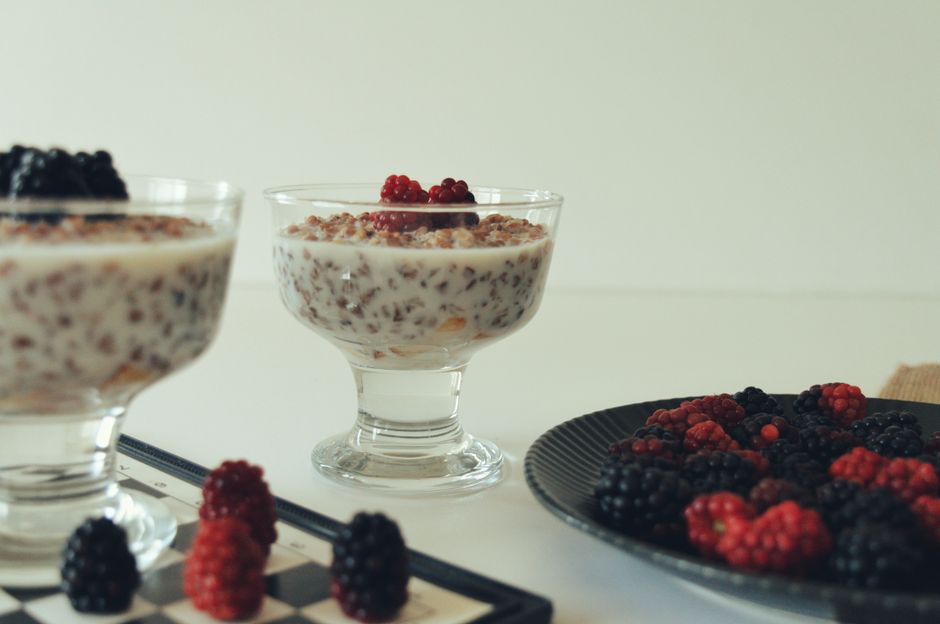
Why Your Post-Workout Meal Is the Hidden Lever for Fat Loss
After a workout, your body isn’t just recovering, it’s primed to either store excess energy as fat or direct it toward repair and adaptation. The foods you choose in this window can shift that balance. Strategically timed nutrition after exercise supports glycogen replenishment, muscle preservation, and metabolic efficiency, all of which influence long-term fat loss. Yet many people miss this opportunity by defaulting to high-calorie shakes or processed snacks that spike blood sugar and leave them hungrier later.
This article breaks down the science behind post-workout nutrition, clarifies common misconceptions, and provides a practical, sustainable plan to optimize fat loss without sacrificing energy or recovery. The goal isn’t a rigid prescription but a flexible framework rooted in metabolic biology and real-world application.
How Post-Workout Nutrition Influences Fat Loss
Exercise creates a temporary metabolic state where your muscles are more receptive to nutrients. This is especially true after resistance training or high-intensity sessions, which deplete glycogen stores and create micro-tears in muscle fibers. The right post-workout meal or snack can:
- Replenish glycogen without overloading calories, preventing the body from breaking down muscle for energy.
- Stabilize blood sugar to reduce cravings and prevent fat storage driven by insulin spikes.
- Preserve lean mass during a calorie deficit, which is critical because muscle tissue burns more calories at rest than fat.
- Support recovery with nutrients that reduce inflammation and oxidative stress, indirectly aiding fat loss by improving metabolic function.
The combination of protein and carbohydrates after exercise enhances muscle protein synthesis and glycogen resynthesis more effectively than either nutrient alone. However, the total calorie intake and food quality still determine whether these nutrients support fat loss or contribute to fat storage.
What to Eat: The Core Components of a Fat-Loss-Friendly Post-Workout Meal
Not all post-workout meals are created equal. The ideal plate balances three priorities: protein for muscle repair, carbohydrates for glycogen replenishment, and healthy fats for satiety and hormone regulation. The exact ratios depend on your body size, workout intensity, and overall calorie goals, but the following guidelines provide a science-backed foundation.
1. Protein: The Non-Negotiable Foundation
Protein’s role after exercise is well-established. It provides the amino acids needed to repair muscle tissue, stimulates muscle protein synthesis, and helps maintain lean mass during fat loss. The Harvard T.H. Chan School of Public Health recommends 20 to 40 grams of high-quality protein per meal, depending on body size and activity level. For post-workout purposes, aim for the higher end of this range if your goal is fat loss and muscle preservation.
Opt for lean or complete protein sources with minimal added sugars or unhealthy fats. Examples include:
- Grilled chicken breast or turkey
- Wild-caught salmon or cod
- Eggs or egg whites
- Greek yogurt (unsweetened, full-fat or low-fat)
- Cottage cheese
- Plant-based options like tofu, tempeh, or lentils
Whey protein isolate is also effective for rapid absorption, but whole-food sources offer additional micronutrients and fiber that support long-term health.
2. Carbohydrates: Replenish Without Overdoing It
Carbohydrates after exercise serve two primary purposes: replenishing glycogen stores and sparing protein for muscle repair. The amount you need depends on the intensity and duration of your workout. A 30-minute brisk walk requires far fewer carbs than a 90-minute HIIT session or heavy leg day.
Focus on complex, fiber-rich carbohydrates that digest slowly and avoid blood sugar spikes. Examples include:
- Sweet potatoes or regular potatoes (with skin)
- Quinoa or brown rice
- Oats or steel-cut oatmeal
- Whole-grain bread or wraps
- Fruits like bananas, berries, or apples
The Mayo Clinic notes that the glycemic load of your meal matters more than the glycemic index alone, meaning portion size and food pairing influence blood sugar responses more than the type of carb itself Source.
3. Healthy Fats: The Unsung Hero of Satiety
While fats are often deprioritized in post-workout meals, they play a key role in hormone regulation and appetite control. Including a moderate amount of healthy fats can prevent the rapid digestion of protein and carbs, prolonging satiety and reducing the likelihood of overeating later. Examples include:
- Avocado slices
- Nuts or nut butters (in moderation)
- Seeds like chia or flaxseeds
- Olive oil or avocado oil (drizzled over meals)
Keep portions modest, about 1 to 2 tablespoons of nut butter or a quarter of an avocado, to avoid excess calories that could hinder fat loss.
Sample Post-Workout Meals for Fat Loss
These meal ideas are designed to be flexible, scalable, and easy to prepare. Adjust portion sizes based on your body size, workout intensity, and calorie goals.
Option 1: High-Protein, Moderate-Carb (Best for Strength Training)
- 4 oz grilled chicken breast
- 1 cup cooked quinoa
- 1 cup steamed broccoli
- 1 tsp olive oil
Total: ~350 calories, 35g protein, 30g carbs, 10g fat
Option 2: Quick and Convenient (Best for Busy Schedules)
- 1 scoop whey protein isolate mixed with water
- 1 medium banana
- 1 tbsp almond butter
Total: ~280 calories, 25g protein, 30g carbs, 8g fat
Option 3: Plant-Based (Best for Vegetarians or Vegans)
- 1 cup cooked lentils
- 1 cup cooked brown rice
- 1/2 avocado, sliced
- Handful of spinach
Total: ~400 calories, 18g protein, 50g carbs, 15g fat
Timing Matters, But Not as Much as You Think
Conventional wisdom suggests eating within 30 to 60 minutes post-workout to maximize results. While this “anabolic window” is real, it’s not as rigid as once believed. Total daily protein intake and overall meal timing throughout the day have a greater impact on muscle protein synthesis than the exact timing of a single post-workout meal. That said, consuming a balanced meal or snack within 2 hours of exercise is still a practical guideline for most people.
For fat loss specifically, the primary concern isn’t timing but total calorie intake. If your post-workout meal is high in calories or low in protein, it could undermine your fat loss goals regardless of when you eat it. Focus on the quality and quantity of nutrients first, then adjust timing based on your schedule and hunger cues.
Myth Buster: “You Must Eat Immediately After Exercise to Lose Fat”
This myth persists despite limited evidence. While eating soon after exercise can enhance recovery, it’s not a requirement for fat loss. The body doesn’t “store fat” from delayed eating unless the total calorie intake exceeds expenditure over time. In fact, intermittent fasting strategies, where post-workout meals are delayed, can support fat loss by improving insulin sensitivity and reducing overall calorie intake.
The key takeaway: fat loss is determined by long-term energy balance, not the timing of a single meal. If you’re hungry after a workout, eat. If you’re not, wait until your next meal. The exception is high-intensity or prolonged exercise, where glycogen depletion may increase cravings and overeating later in the day.
Troubleshooting Your Post-Workout Nutrition
Even with the best intentions, post-workout nutrition can go awry. Use this step-by-step protocol to diagnose and correct common issues.
1. You’re Still Hungry After Eating
- Check protein and fiber. If your meal lacks these, it may digest too quickly, leaving you unsatisfied. Add a protein source or high-fiber food like vegetables.
- Evaluate portion sizes. If your meal is too small, increase the volume without adding excess calories. For example, add a side salad or broth-based soup.
- Consider fat content. Healthy fats slow digestion and increase satiety. Add a small amount of nuts, seeds, or avocado.
2. You’re Gaining Weight Despite “Healthy” Choices
- Audit total calories. Even nutrient-dense foods can contribute to fat gain if consumed in excess. Track your intake for a few days to identify hidden calories.
- Review food quality. Some “healthy” foods like granola, dried fruit, or protein bars are calorie-dense. Opt for whole, minimally processed options.
- Assess meal timing. If you’re eating late at night, it may disrupt sleep or lead to overeating the next day. Shift your post-workout meal earlier if needed.
3. You’re Experiencing Digestive Discomfort
- Simplify your meal. If you’re combining multiple high-fat or high-fiber foods, try a simpler option like a protein shake with a banana.
- Hydrate properly. Dehydration can mimic hunger and slow digestion. Drink water or herbal tea before and after your meal.
- Chew thoroughly. Poor chewing can lead to bloating and indigestion. Aim for 20 to 30 chews per bite.
4. You’re Not Seeing Fat Loss Results
- Re-evaluate your calorie deficit. If you’re not losing fat, your total calorie intake may be too high. Use a tracking app to estimate your needs.
- Increase protein intake. Higher protein intake supports satiety and muscle preservation, which can improve fat loss outcomes.
- Prioritize sleep and stress management. Poor sleep and chronic stress increase cortisol and cravings, undermining fat loss efforts.
7-Day Action Plan: Putting It All Together
This plan is designed to be flexible and adaptable to your schedule, workout type, and preferences. Adjust portion sizes based on your body size and goals.
| Day | Workout Type | Post-Workout Meal | Notes |
|---|---|---|---|
| Monday | Strength Training (Upper Body) | 4 oz grilled chicken, 1 cup quinoa, 1 cup steamed broccoli, 1 tsp olive oil | Add a side salad with lemon dressing for extra volume. |
| Tuesday | HIIT (30 minutes) | 1 scoop whey protein, 1 medium banana, 1 tbsp almond butter | Blend with water or unsweetened almond milk for a quick shake. |
| Wednesday | Yoga or Mobility Work | Greek yogurt (1 cup) with 1/2 cup mixed berries and 1 tbsp chia seeds | Choose full-fat yogurt for satiety or low-fat for fewer calories. |
| Thursday | Strength Training (Lower Body) | 4 oz baked salmon, 1 cup roasted sweet potatoes, 1 cup sautéed spinach | Drizzle with lemon and herbs for flavor without added calories. |
| Friday | Steady-State Cardio (45 minutes) | 3 scrambled eggs, 1 slice whole-grain toast, 1/4 avocado | Add hot sauce or salsa for flavor without extra calories. |
| Saturday | Rest or Light Activity | 1 cup cottage cheese with 1/2 cup pineapple | Opt for low-sodium cottage cheese to reduce water retention. |
| Sunday | Strength Training (Full Body) | 1 cup cooked lentils, 1 cup brown rice, 1/2 avocado, handful of spinach | Season with turmeric and black pepper for anti-inflammatory benefits. |
Recommended Health & Fitness Gear



The Science of Post-Workout Fat Loss
- Protein is the priority. Aim for 20 to 40 grams of high-quality protein after exercise to support muscle repair and satiety.
- Carbs replenish glycogen, but portion sizes should match workout intensity. Focus on complex, fiber-rich sources.
- Healthy fats add satiety without derailing fat loss when consumed in moderation.
- Timing is flexible. Eat within 2 hours of exercise, but don’t stress over the “anabolic window.”
- Total calories matter most. Post-workout meals should fit into your daily calorie and macronutrient goals.
- Hydration and sleep are critical. Dehydration and poor sleep can mimic hunger and disrupt recovery.
Frequently Asked Questions
Can I skip a post-workout meal if I’m intermittent fasting?
Yes, but only if your total calorie intake and protein needs are met within your eating window. If you train fasted, prioritize protein and carbs in your first meal after exercise to support recovery.
Do I need a protein shake after every workout?
No. Whole-food sources are preferable, but shakes are convenient when time or appetite is limited. Choose a shake with minimal added sugars and no artificial ingredients.
What if I’m not hungry after a workout?
Listen to your body. If you’re not hungry, wait until your next meal. Forcing food can lead to overeating. However, if you’re prone to late-day cravings, a small protein-rich snack may help stabilize appetite.
Can I eat dessert after a workout and still lose fat?
Occasionally, yes. If you’re in a calorie deficit and your total intake is controlled, a small treat won’t derail fat loss. However, frequent desserts may increase cravings and calorie intake over time. Opt for protein-rich desserts like Greek yogurt with cocoa powder or a small piece of dark chocolate.
Advertising disclosure: the links below are affiliate links. We may earn a commission if you use them, at no extra cost to you. This does not change the article's content, and it is not a medical recommendation.
Browse kitchen and portion tools on Amazon
Food scales, portion containers and measuring sets, as an Amazon category search. We have not tested individual products.