What to Eat After a Workout to Recover and Lose Fat, Without the Guesswork
Post-workout nutrition is often treated as an afterthought, yet it’s a critical window where the right choices can accelerate recovery, preserve lean muscle, and optimize fat loss. The science is clear: the foods you consume after exercise influence glycogen replenishment, protein synthesis, and metabolic efficiency. But not all post-workout meals are created equal. This guide breaks down the evidence-based strategies to fuel recovery while supporting fat loss, backed by clinical research and practical application.
Why Post-Workout Nutrition Matters for Recovery and Fat Loss
Exercise, especially resistance training or high-intensity intervals, creates micro-tears in muscle tissue and depletes glycogen stores. Without proper refueling, the body prioritizes breaking down muscle for energy, which undermines both recovery and metabolic health. A well-structured post-workout meal or snack counteracts this by:
- Replenishing glycogen: Carbohydrates restore muscle energy, particularly after endurance or high-volume sessions.
- Stimulating protein synthesis: High-quality protein provides amino acids to repair and build muscle, preventing catabolism.
- Modulating hormones: Insulin sensitivity improves post-exercise, allowing nutrients to be shuttled into muscle cells rather than stored as fat.
The combination of protein and carbohydrates post-workout enhances recovery more effectively than either macronutrient alone. This combination is particularly vital for those in a caloric deficit, where muscle preservation is a priority.
The Ideal Post-Workout Meal: A Simple Formula
The optimal post-workout meal follows a straightforward ratio, adjusted for individual goals and workout intensity:
Protein + Carbohydrates + Healthy Fats (optional)
For most adults, a 2:1 or 3:1 carbohydrate-to-protein ratio is sufficient after moderate to intense exercise. For example:
- Strength training: 20–30g protein + 40–60g carbohydrates (e.g., grilled chicken with sweet potato).
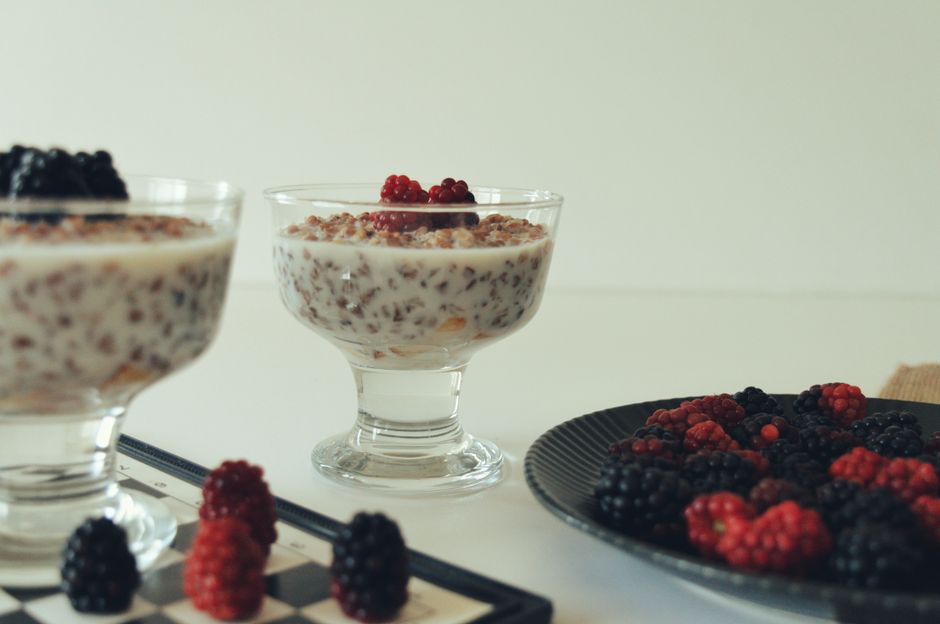
- Endurance training: 20–30g protein + 60–80g carbohydrates (e.g., Greek yogurt with berries and granola).
- High-intensity intervals: 20–30g protein + 50–70g carbohydrates (e.g., salmon with quinoa and roasted vegetables).
The Harvard T.H. Chan School of Public Health recommends prioritizing whole-food sources of carbohydrates (e.g., fruits, whole grains, legumes) and lean proteins (e.g., fish, poultry, tofu) to maximize nutrient density. Healthy fats, while not urgent post-workout, can be added in moderation to support satiety and hormone function.
Timing: Does the 30-Minute Window Still Hold?
The idea that nutrients must be consumed within 30 minutes post-exercise is a persistent myth. While early refueling (<30 minutes) is beneficial after prolonged or glycogen-depleting sessions, the anabolic window is far more flexible for most people. As long as total daily protein and carbohydrate intake is adequate, the timing of intake has minimal impact on muscle recovery or fat loss.
Key considerations for timing:
- Endurance athletes: Prioritize rapid glycogen replenishment within 30–60 minutes if training again within 8–12 hours.
- Strength trainees: A meal within 2 hours is sufficient, as long as protein distribution is consistent throughout the day.
- Casual exercisers: Focus on daily totals rather than rigid timing; consistency matters more than the exact minute.
Foods That Accelerate Recovery and Support Fat Loss
Not all foods are equally effective post-workout. The best options combine high-quality protein, fast-digesting carbohydrates, and minimal fiber/fat to optimize absorption. Here’s a ranked list:
Top Protein Sources:
- Whey protein: Rapidly digested, rich in leucine (a key amino acid for muscle repair). Ideal for shakes or smoothies.
- Eggs: Complete protein with high bioavailability; pair with whole-grain toast for carbs.
- Greek yogurt: High in protein and probiotics; add fruit for carbohydrates.
- Salmon or tuna: Provides protein and anti-inflammatory omega-3s; pair with rice or potatoes.
- Tofu or tempeh: Plant-based options with fiber and micronutrients; serve with quinoa or brown rice.
Top Carbohydrate Sources:
- Bananas: Quick-digesting, potassium-rich, and easy to pair with protein shakes.
- Oats: Slow-digesting but high in fiber; blend into a post-workout smoothie.
- Sweet potatoes: Rich in vitamin A and complex carbs; roast or mash for a hearty meal.
- White rice: Fast-digesting and gentle on the stomach; ideal after intense sessions.
- Berries: Low-glycemic, antioxidant-rich, and easy to add to yogurt or cottage cheese.
Hydration and Electrolytes: Water alone may not suffice after sweaty workouts. The Mayo Clinic recommends replenishing electrolytes (sodium, potassium, magnesium) via coconut water, sports drinks, or electrolyte tablets, especially after sessions exceeding 60 minutes.
Myth: Post-Workout Carbs Are Always Bad for Fat Loss
A common misconception is that carbohydrates post-workout will hinder fat loss. However, the body’s heightened insulin sensitivity after exercise allows carbohydrates to be shuttled into muscle cells for recovery rather than stored as fat, if total daily calories are controlled. The Harvard Nutrition Source clarifies that the type and timing of carbs matter more than their mere presence. Fast-digesting carbs (e.g., white rice, bananas) are preferable post-workout, while slower-digesting options (e.g., whole grains) can be saved for other meals.
For those in a caloric deficit, prioritizing protein and moderate carbohydrates post-workout can actually preserve lean mass, which is critical for maintaining metabolic rate. Skipping carbs entirely may lead to fatigue, impaired performance, and increased muscle breakdown.
Practical Action Plan: 7 Days to Optimized Post-Workout Nutrition
Use this step-by-step protocol to implement evidence-based post-workout nutrition. Adjust portions based on body size, workout intensity, and individual goals.
Daily Checklist:
- Track your workout: Note duration, intensity, and type (strength, endurance, HIIT).
- Calculate protein needs: Aim for 0.4–0.5g of protein per pound of body weight daily (e.g., 140g protein for a 140lb person).
- Plan your post-workout meal: Choose a protein + carb combo within 2 hours of exercise.
- Hydrate: Drink 16–24 oz of water post-workout; add electrolytes if sweating heavily.
- Monitor recovery: Track energy levels, soreness, and performance in a journal.
Sample 7-Day Meal Plan:
| Day | Workout Type | Post-Workout Meal | Notes |
|---|---|---|---|
| Monday | Strength (Upper Body) | Grilled chicken breast (6 oz) + white rice (1 cup) + steamed broccoli | High protein, moderate carbs for glycogen replenishment. |
| Tuesday | HIIT (20 min) | Greek yogurt (1 cup) + banana + 1 tbsp honey | Quick-digesting carbs and protein for recovery. |
| Wednesday | Rest | Salmon (5 oz) + quinoa (½ cup) + roasted Brussels sprouts | Balanced meal with healthy fats and fiber. |
| Thursday | Strength (Lower Body) | Lean beef (6 oz) + sweet potato (1 medium) + spinach salad | Iron-rich protein and complex carbs for endurance. |
| Friday | Endurance (60 min run) | Cottage cheese (1 cup) + pineapple (1 cup) + almonds (10g) | Casein protein for slow digestion overnight recovery. |
| Saturday | Yoga/Active Recovery | Scrambled eggs (3) + whole-grain toast + avocado (¼) | Moderate protein and healthy fats for satiety. |
| Sunday | Strength (Full Body) | Tofu stir-fry (½ block) + brown rice (½ cup) + mixed veggies | Plant-based protein with fiber and micronutrients. |
Troubleshooting Common Post-Workout Challenges
Even with a plan, obstacles arise. Here’s how to address them:
Issue 1: No appetite after exercise
Solution: Opt for liquid nutrition (e.g., protein shake with banana and almond milk) or small, easy-to-digest snacks (e.g., Greek yogurt with honey).
Issue 2: Digestive discomfort (bloating, nausea)
Solution: Reduce fat and fiber immediately post-workout; choose low-FODMAP carbs (e.g., white rice, bananas) and lean proteins (e.g., chicken, fish).
Issue 3: Overeating post-workout
Solution: Pre-portion meals and track calories for 3–5 days to identify patterns. Use smaller plates and eat slowly to improve satiety cues.
Issue 4: Limited time for meal prep
Solution: Batch-cook proteins (e.g., grilled chicken, hard-boiled eggs) and carbs (e.g., rice, quinoa) on weekends. Freeze portions for quick assembly.
FAQ: Post-Workout Nutrition Demystified
Q: Do I need a post-workout meal if I’m not hungry?
A: Yes, but prioritize liquid or easily digestible options. Even 10–15g of protein and 20–30g of carbohydrates can support recovery.
Q: Can I skip carbs post-workout if I’m cutting calories?
A: Not recommended. Carbs spare protein for muscle repair and replenish glycogen, which is essential for performance and recovery.
Q: Is chocolate milk really the best post-workout drink?
A: It’s a convenient option due to its 3:1 carb-to-protein ratio, but whole-food options (e.g., yogurt + fruit) are equally effective.
Q: How does caffeine affect post-workout nutrition?
A: Caffeine can enhance performance but may delay gastric emptying. Wait 30–60 minutes post-workout before consuming caffeine to avoid digestive issues.
The Science of Post-Workout Nutrition
- Protein + carbs are non-negotiable: Aim for 20–30g protein and 40–80g carbs post-workout, adjusted for workout intensity.
- Timing is flexible: The anabolic window spans hours, not minutes, for most exercisers. Focus on daily totals first.
- Whole foods win: Prioritize nutrient-dense options (e.g., salmon, sweet potatoes, Greek yogurt) over processed alternatives.
- Hydration matters: Electrolytes are critical after sweaty sessions to support recovery and prevent cramping.
- Individualization is key: Adjust portions based on body size, goals, and workout type, there’s no one-size-fits-all approach.
Post-workout nutrition isn’t about rigid rules or restrictive diets. It’s about leveraging the body’s natural recovery processes to build resilience, preserve muscle, and optimize fat loss. By focusing on evidence-based strategies and practical application, you can turn your post-workout meals into a powerful tool for long-term health.
Advertising disclosure: the links below are affiliate links. We may earn a commission if you use them, at no extra cost to you. This does not change the article's content, and it is not a medical recommendation.
Recommended Health & Fitness Gear




Browse kitchen and portion tools on Amazon
Food scales, portion containers and measuring sets, as an Amazon category search. We have not tested individual products.