Why Post-Workout Nutrition Matters for Fat Loss
After exercise, your body enters a critical recovery window where nutrient timing can influence fat loss, muscle retention, and metabolic efficiency. The goal isn’t just to refuel but to optimize the hormonal and cellular responses that support sustainable weight loss. Strategic post-workout nutrition enhances glycogen replenishment and protein synthesis, both of which are essential when operating in a caloric deficit for fat loss.
This phase is particularly important because exercise, especially resistance training, creates micro-tears in muscle tissue and depletes glycogen stores. Without proper nutrition, the body may break down lean mass for energy, slowing metabolism and hindering fat loss. The key is to prioritize foods that replenish glycogen, repair muscle, and support metabolic flexibility without overconsuming calories.
Core Principles of Post-Workout Nutrition for Fat Loss
1. Protein: The Non-Negotiable Foundation
Protein intake after exercise is critical for preserving and building lean muscle mass, which is metabolically active tissue. Consuming 20 to 40 grams of high-quality protein within 2 hours post-exercise maximizes muscle protein synthesis. For fat loss, this dose helps prevent muscle catabolism during a caloric deficit, which is essential for maintaining resting metabolic rate.
Optimal protein sources include lean meats, eggs, Greek yogurt, cottage cheese, and plant-based options like tofu or lentils. Whey protein is often recommended due to its rapid absorption and complete amino acid profile, but whole-food options provide additional micronutrients and satiety benefits.
2. Carbohydrates: Replenishing Fuel Without Overloading
Carbohydrates play a dual role post-workout: they restore glycogen depleted during exercise and help spare protein for muscle repair. The amount needed depends on the intensity and duration of the workout. For moderate-intensity sessions (e.g., 45–60 minutes), 30 to 50 grams of carbs may suffice. For high-intensity or endurance exercise, 50 to 100 grams may be appropriate.
Prioritize complex carbohydrates with fiber, such as sweet potatoes, quinoa, oats, or fruits like bananas and berries. These foods provide sustained energy and support stable blood sugar, reducing post-meal cravings. Avoid high-glycemic, refined carbs that spike insulin and may lead to rebound hunger.
3. Healthy Fats: Modulating the Metabolic Response
While fats are not the primary focus post-workout, they play a role in hormone regulation and satiety. Including a moderate amount of healthy fats, such as avocado, nuts, or olive oil, can slow digestion, prolong satiety, and support cellular repair. However, excessive fat intake immediately after exercise may delay gastric emptying and reduce the absorption of protein and carbs.
For most people, 5 to 10 grams of fat in a post-workout meal is sufficient. This amount supports metabolic health without compromising the rapid nutrient delivery needed for recovery.
Best Foods for Post-Workout Fat Loss
The following foods and meal combinations are evidence-based choices that support recovery, muscle retention, and fat loss:
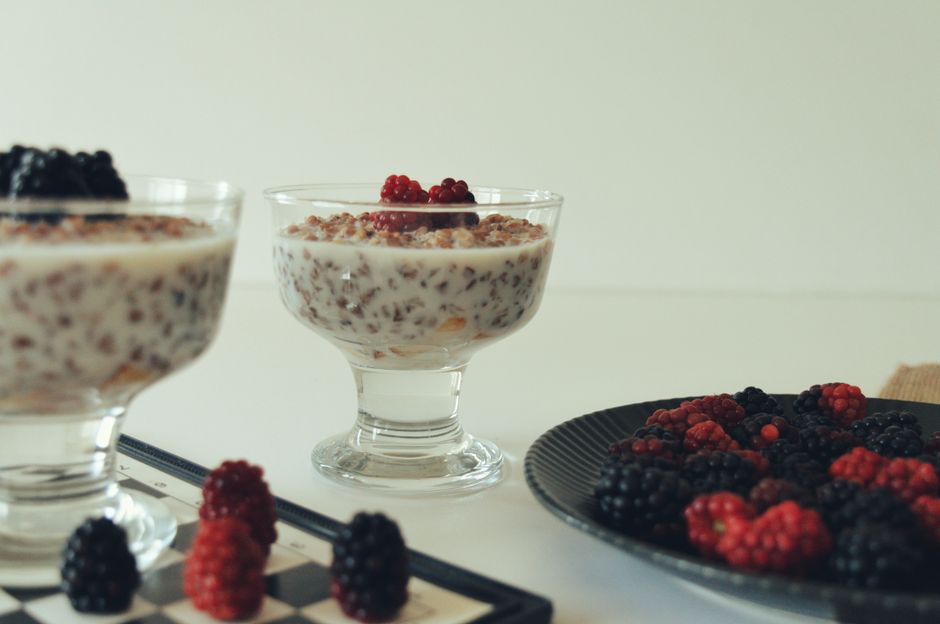
- Greek Yogurt + Berries + Chia Seeds: Provides 20–30g protein, 20–30g carbs, and fiber-rich antioxidants. The probiotics in yogurt also support gut health, which is linked to improved metabolic function.
- Grilled Chicken + Quinoa + Steamed Broccoli: A balanced meal with lean protein, complex carbs, and micronutrient-dense vegetables. Quinoa is a complete plant protein, making this option suitable for vegetarians.
- Cottage Cheese + Pineapple: High in casein protein, which digests slowly and supports overnight muscle repair. Pineapple contains bromelain, an enzyme that may reduce inflammation.
- Salmon + Sweet Potato + Asparagus: Rich in omega-3 fatty acids, which reduce exercise-induced inflammation, and complex carbs for glycogen replenishment. Salmon also provides vitamin D, which supports muscle function.
- Tofu Scramble with Spinach and Brown Rice: A plant-based option with complete protein (when paired with brown rice), iron, and fiber. Tofu’s isoflavones may also support metabolic health.
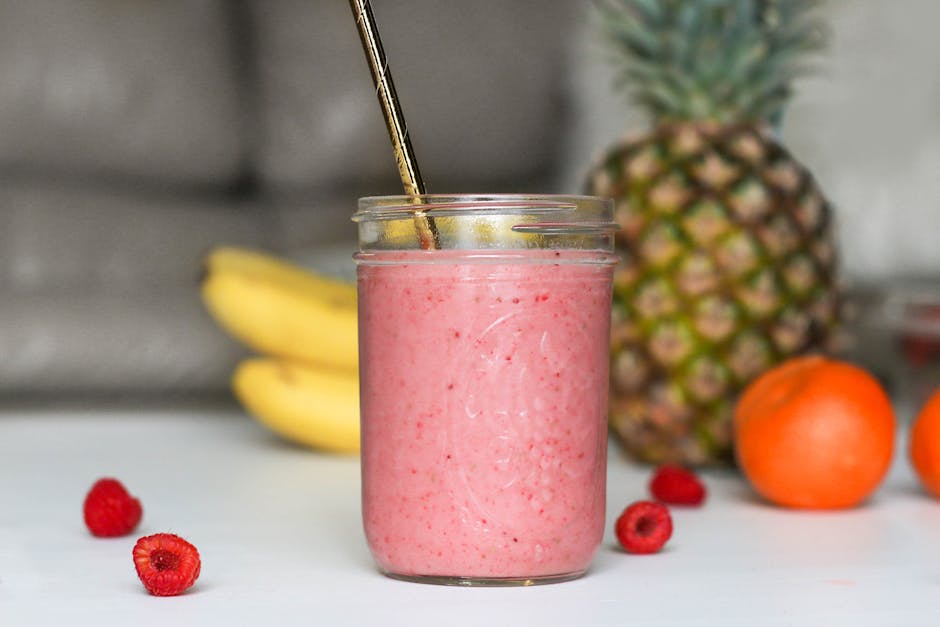
- Protein Smoothie (Whey + Banana + Spinach + Almond Milk): A quick, customizable option that delivers fast-absorbing protein and potassium-rich carbs to replenish electrolytes.
Myth: You Must Eat Immediately After Exercise
One of the most persistent myths in fitness nutrition is the “30-minute window” rule, which suggests that delaying post-workout nutrition by even an hour significantly impairs results. While there is a heightened sensitivity to nutrients in the first 1–2 hours after exercise, research does not support an absolute cutoff. As long as total daily protein and carb intake are adequate, the timing of intake has a modest effect on muscle protein synthesis and glycogen replenishment.
The practical takeaway: if you can’t eat immediately after exercise, aim to consume a balanced meal or snack within 2–3 hours. The focus should be on total daily nutrient distribution rather than rigid timing.
Hydration and Electrolytes: The Overlooked Recovery Factor
Hydration status directly impacts workout performance, recovery, and fat loss. Even mild dehydration can impair exercise capacity and increase perceived exertion. Post-workout, prioritize water and electrolytes to restore fluid balance and support cellular function.
For workouts lasting less than 60 minutes, water is typically sufficient. For longer or intense sessions, consider adding electrolytes, especially sodium and potassium, to prevent cramping and support muscle contraction. Coconut water, electrolyte tablets, or homemade solutions (water + lemon + pinch of salt) are effective options.
Troubleshooting Common Post-Workout Nutrition Challenges
Use this step-by-step protocol to address common issues that may derail fat loss efforts:
- No appetite after exercise: Opt for liquid nutrition (e.g., protein shake, smoothie) or small, easily digestible snacks like a banana with almond butter. Avoid forcing large meals if not hungry.
- Digestive discomfort (bloating, nausea): Reduce fat and fiber intake immediately post-workout. Choose low-residue foods like white rice, lean chicken, or a protein shake without added fiber.
- Hitting a fat-loss plateau: Reassess total daily calorie and protein intake. Ensure you’re consuming enough protein (1.6–2.2g per kg of body weight) and not under-eating carbs, which can impair recovery and thyroid function.
- Overeating post-workout: Plan meals in advance and portion snacks to avoid calorie creep. Use the “hand method” for portion control: one palm of protein, one cupped hand of carbs, and one thumb of fat.
- Skipping post-workout nutrition due to time constraints: Keep portable options like Greek yogurt cups, hard-boiled eggs, or pre-made protein bars on hand. Even 10–15g of protein and 15–20g of carbs can make a difference.
7-Day Post-Workout Nutrition Action Plan
This flexible plan balances convenience with nutritional precision. Adjust portions based on body size, workout intensity, and hunger cues.
| Day | Workout Type | Post-Workout Meal/Snack | Notes |
|---|---|---|---|
| Monday | Strength Training (Full Body) | Grilled chicken breast (150g) + quinoa (½ cup cooked) + steamed broccoli | Add 1 tsp olive oil for healthy fats. |
| Tuesday | HIIT (20 min) | Greek yogurt (200g) + ½ cup mixed berries + 1 tbsp chia seeds | Choose unsweetened yogurt to avoid added sugar. |
| Wednesday | Yoga/Pilates | Cottage cheese (1 cup) + ½ cup pineapple chunks | Casein protein supports overnight recovery. |
| Thursday | Running (45 min) | Salmon (120g) + sweet potato (½ medium) + asparagus | Omega-3s reduce inflammation from endurance exercise. |
| Friday | Strength Training (Upper Body) | Tofu scramble (150g) + spinach + ½ cup brown rice | Plant-based complete protein source. |
| Saturday | Cycling (60 min) | Protein smoothie: 1 scoop whey + 1 banana + 1 cup spinach + almond milk | Quick absorption for glycogen replenishment. |
| Sunday | Rest or Active Recovery | Hard-boiled eggs (2) + whole-grain toast + avocado (¼) | Balanced meal to support recovery without excess calories. |
Recommended Health & Fitness Gear



FAQs: Post-Workout Nutrition for Fat Loss
Q: Can I lose fat without post-workout nutrition?
A: Yes, but it may come at the cost of muscle loss and slower recovery. Post-workout nutrition optimizes the balance between fat loss and lean mass retention, especially in a caloric deficit.
Q: What if I’m intermittent fasting and can’t eat after a workout?
A: If fasting aligns with your goals, prioritize your first meal to include protein and carbs post-exercise. For example, break your fast with an egg-and-vegetable scramble or a protein smoothie.
Q: Are protein bars a good post-workout option?
A: Some protein bars are convenient and effective, but many contain added sugars or artificial ingredients. Choose bars with at least 15g of protein, minimal added sugar, and recognizable ingredients.
Q: Does post-workout nutrition differ for men and women?
A: The core principles, protein for muscle repair and carbs for glycogen replenishment, apply to all genders. However, women may benefit from slightly higher carb intake during the luteal phase of their cycle due to hormonal influences on glycogen storage.
The Bottom Line
- Prioritize protein (20–40g) within 2 hours post-exercise to support muscle protein synthesis and prevent catabolism.
- Include moderate carbs (30–100g) to replenish glycogen without spiking insulin excessively.
- Avoid rigid timing, the “30-minute window” is a guideline, not a rule. Total daily intake matters most.
- Hydrate and replenish electrolytes to support recovery and metabolic function.
- Choose whole foods when possible, but convenience options like protein shakes or bars can be effective.
- Adjust portions based on workout intensity, body size, and hunger cues, not arbitrary rules.
Post-workout nutrition is a powerful tool for fat loss, but it’s not a magic bullet. Combine these strategies with consistent training, adequate sleep, and a sustainable caloric deficit for optimal results. For further guidance, consult a registered dietitian or healthcare provider to tailor recommendations to your individual needs.
For additional resources, refer to the Harvard T.H. Chan School of Public Health’s Healthy Eating Plate and the Mayo Clinic’s Nutrition Guide.
Advertising disclosure: the links below are affiliate links. We may earn a commission if you use them, at no extra cost to you. This does not change the article's content, and it is not a medical recommendation.
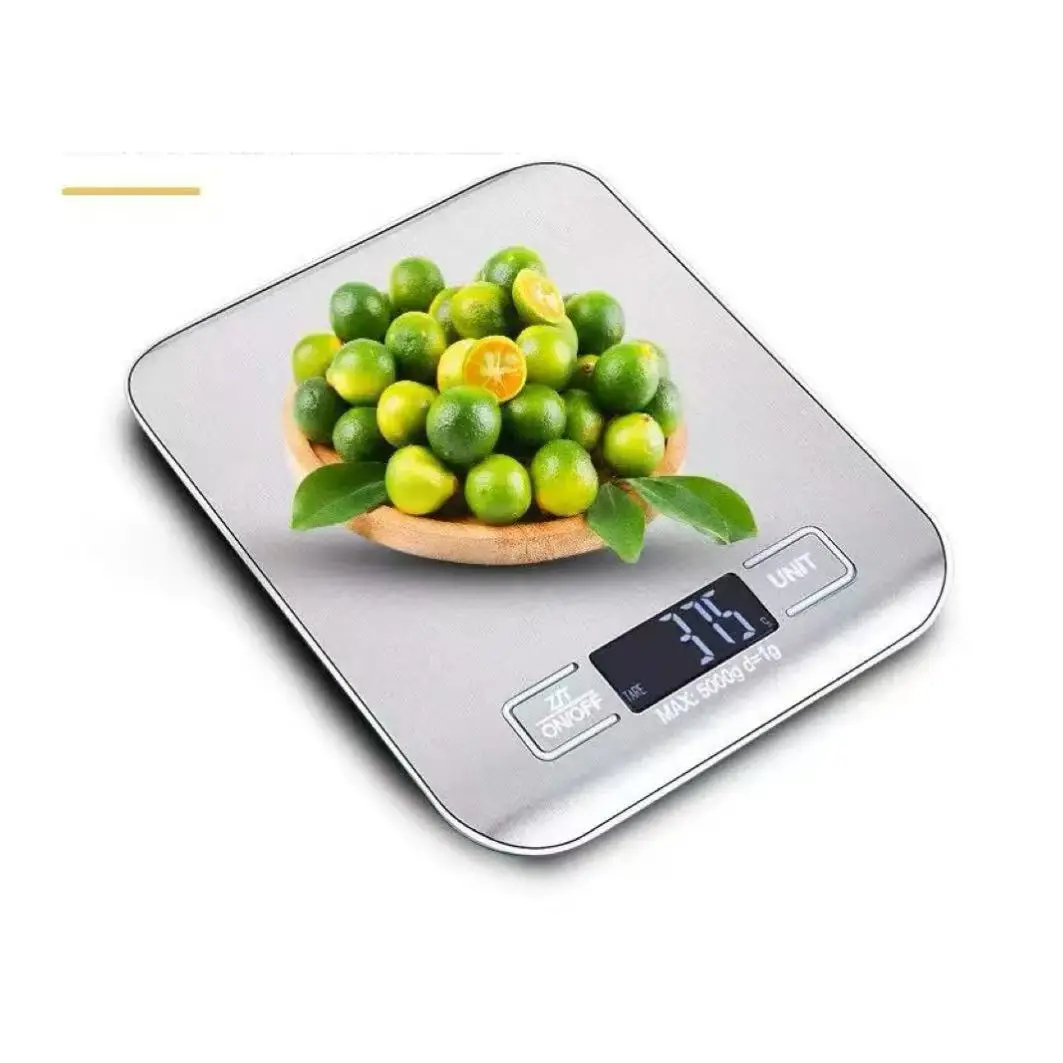
Browse kitchen and portion tools on Amazon
Food scales, portion containers and measuring sets, as an Amazon category search. We have not tested individual products.