Why Your Post-Workout Meal Is the Missing Link in Recovery
After a demanding training session, your muscles aren’t just tired, they’re primed for repair. The right post-workout nutrition doesn’t just refuel your body; it kickstarts a cascade of metabolic processes that determine how quickly you bounce back, how effectively you build strength, and even how well you manage hunger in the hours that follow. This isn’t about arbitrary food choices, it’s about leveraging the body’s natural recovery mechanisms at their peak.
The 30 to 60 minutes following exercise represents a metabolic window where nutrient uptake is optimized for muscle repair and glycogen replenishment. During this period, skeletal muscle cells become particularly sensitive to insulin, a hormone that shuttles glucose and amino acids into tissues. Skipping or delaying this window doesn’t just slow recovery, it can compromise the quality of your next workout by reducing force output and increasing perceived exertion.
This guide breaks down post-exercise nutrition into actionable strategies. Whether your goal is muscle repair, fat loss, or endurance performance, the principles remain rooted in the same physiological realities.
How Exercise Alters Your Metabolic State
During intense physical activity, your body undergoes a series of coordinated shifts. Muscle contractions deplete glycogen stores, the stored form of carbohydrates in muscles and liver, and create microscopic damage to muscle fibers. This triggers an inflammatory response that, while necessary for adaptation, also increases protein breakdown unless countered by adequate nutrition.
At the same time, exercise elevates circulating levels of stress hormones like cortisol, which help mobilize energy but can also accelerate muscle protein breakdown if not balanced by anabolic signals. The key to recovery lies in providing the raw materials, amino acids and glucose, needed to shift the body from a catabolic (breakdown) state to an anabolic (repair and growth) one. This transition is most efficient when fueled by a combination of high-quality protein and easily digestible carbohydrates within the first hour after training.
The optimal post-exercise meal should prioritize:
- Rapidly absorbed protein to supply essential amino acids for muscle protein synthesis.
- Moderate to high glycemic carbohydrates to restore glycogen without spiking blood sugar excessively.
- Hydration and electrolytes to replace losses from sweat and support cellular function.
The Ideal Carbohydrate-to-Protein Ratio: What the Science Suggests
While the “3:1 or 4:1 carbohydrate-to-protein ratio” is often cited, the ideal proportion depends on your training type, body composition, and goals. For endurance athletes, a higher carbohydrate focus (e.g., 3:1) supports glycogen resynthesis. For strength or hypertrophy-focused individuals, a balanced ratio (e.g., 2:1) may suffice, as protein’s role in stimulating muscle protein synthesis takes precedence.
The Harvard T.H. Chan School of Public Health emphasizes that total daily carbohydrate intake matters more than the exact post-workout ratio. However, consuming 0.8 to 1.2 grams of carbohydrate per kilogram of body weight within 30 minutes of exercise accelerates glycogen replenishment in most individuals, especially after prolonged or high-intensity sessions.
Protein intake should range from 20 to 40 grams, depending on body size and training intensity. For example, a 70 kg (154 lb) person might aim for 20 to 30 grams of high-quality protein (e.g., whey, egg, or lean meat) to maximize muscle protein synthesis without exceeding the body’s absorptive capacity.
Top Foods to Eat After a Workout: A Practical Guide
Not all foods are created equal when it comes to post-exercise recovery. The best options combine high bioavailability, rapid digestion, and complementary nutrient profiles. Below are evidence-backed choices categorized by macronutrient focus.
Protein Sources
- Whey protein – A complete protein with high leucine content, which directly stimulates muscle protein synthesis. Ideal for rapid absorption.
- Eggs – Provide all essential amino acids and are easily digestible. Boiled or poached eggs offer convenience.
- Greek yogurt or cottage cheese – Rich in casein, a slow-digesting protein that sustains amino acid release over hours.
- Lean meats (chicken, turkey, fish) – Supply essential amino acids and iron, which supports oxygen transport and energy metabolism.
- Plant-based options (tofu, tempeh, pea protein) – Suitable for vegans, though often require larger portions to match leucine content.
Carbohydrate Sources
- White rice or jasmine rice – High glycemic index, rapidly replenishes glycogen without excessive fiber.
- Sweet potatoes or white potatoes – Provide sustained energy and potassium, which aids in muscle contraction and hydration.
- Bananas – Offer quick-digesting carbs and potassium, ideal for shorter recovery windows.
- Oats or quinoa – Provide fiber and slower-digesting carbs for extended energy release.
- Fruit (pineapple, mango, berries) – Deliver antioxidants alongside carbohydrates, supporting inflammation control.
Hydration and Electrolytes
Water alone may not suffice after intense or long-duration exercise. Electrolyte losses, particularly sodium and potassium, can impair muscle function and prolong recovery. A simple approach is to consume 1.5 times the fluid lost during exercise, ideally with added electrolytes. For example:
- Coconut water (natural source of potassium and magnesium).
- Electrolyte tablets or powders (e.g., LMNT, Nuun).
- Homemade recovery drink: water + pinch of salt + lemon juice + honey.
Sample Post-Workout Meals for Different Goals
The following meal plans are designed for immediate consumption after training. Adjust portion sizes based on body weight, training intensity, and personal preferences.
For Muscle Repair and Strength Gains
- Grilled chicken breast (150g) + white rice (1 cup) + steamed broccoli – Balanced protein-to-carb ratio with micronutrients.
- Greek yogurt (200g) + granola (30g) + blueberries (½ cup) – Casein for slow release, carbs for glycogen, antioxidants for inflammation.
- Salmon (120g) + quinoa (½ cup) + roasted asparagus – Omega-3s reduce exercise-induced inflammation.
For Endurance Recovery and Glycogen Replenishment
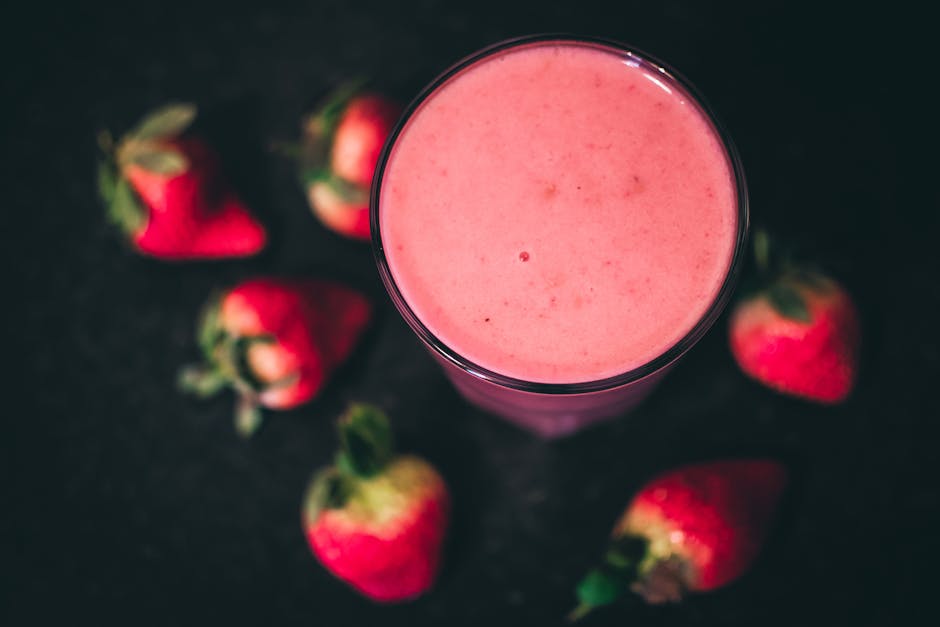
- Smoothie: whey protein (30g) + banana (1 medium) + oats (40g) + almond milk – Fast-digesting carbs and protein.
- Turkey wrap: whole wheat tortilla + turkey slices + avocado + spinach – Carbs for energy, protein for repair, healthy fats for satiety.
- Pasta (1 cup cooked) + lean ground turkey + marinara sauce – High-carb base with moderate protein.
For Weight Loss (Preserving Lean Mass)
- Cottage cheese (1 cup) + sliced peaches (½ cup) – High-protein, moderate-carb option to control hunger.
- Scrambled eggs (2) + whole-grain toast + avocado (¼) – Protein and healthy fats to promote satiety.
- Tuna salad (1 can) + mixed greens + sweet potato (½ medium) – Lean protein and complex carbs for sustained energy.
Common Mistakes That Sabotage Recovery
Even well-intentioned athletes often undermine their progress with subtle nutritional errors. Below are the most frequent pitfalls and how to avoid them.
Myth: “A protein shake is all you need after a workout.”
While protein is critical, carbohydrates play an equally vital role in restoring glycogen and preventing muscle breakdown. The Mayo Clinic Nutrition Guide recommends both protein and carbohydrate after exercise to restore glycogen.
Mistake: Waiting too long to eat
The metabolic window is real but not rigid. While the first 30 minutes are optimal, delaying intake by up to 2 hours still yields benefits, especially if the meal is balanced. The key is consistency, prioritize eating within 60 minutes whenever possible.
Mistake: Over-relying on processed foods
Convenience foods like protein bars or shakes often lack micronutrients and fiber, which support long-term recovery. Whole foods provide a broader spectrum of nutrients that enhance tissue repair and reduce inflammation.
Mistake: Ignoring hydration
Dehydration of just 2% of body weight can impair performance and delay recovery. Monitor urine color (aim for pale yellow) and prioritize electrolyte-rich fluids, especially after high-intensity or long-duration sessions.
7-Day Post-Workout Nutrition Action Plan
This structured plan ensures consistent recovery support while accommodating different training types. Adjust portion sizes based on body weight and activity level.
| Day | Training Type | Post-Workout Meal | Hydration |
|---|---|---|---|
| Monday | Strength Training (Upper Body) | Grilled chicken (150g) + white rice (1 cup) + steamed broccoli | Water + electrolyte tablet |
| Tuesday | HIIT (20 min) | Whey protein shake (30g) + banana + almond milk | Coconut water + water |
| Wednesday | Long Run (60 min) | Sweet potato (1 medium) + salmon (120g) + spinach salad | Water + pinch of salt |
| Thursday | Strength Training (Lower Body) | Cottage cheese (1 cup) + pineapple (½ cup) | Electrolyte drink |
| Friday | Yoga/Pilates | Greek yogurt (200g) + granola (30g) + blueberries | Water |
| Saturday | Endurance Cycling (90 min) | Pasta (1 cup cooked) + lean ground turkey + marinara sauce | Water + electrolyte tablet |
| Sunday | Rest or Active Recovery | Scrambled eggs (2) + whole-grain toast + avocado (¼) | Water |
Recommended Health & Fitness Gear




Frequently Asked Questions
Do I need to eat immediately after a workout, or can I wait?
The first 30 minutes post-exercise offer the highest nutrient uptake, but the window extends to 2 hours without significant loss of benefit. If you can’t eat right away, prioritize a balanced snack (e.g., Greek yogurt + fruit) within 60 minutes.
Can I drink coffee after a workout instead of eating?
Caffeine may enhance performance but doesn’t provide the amino acids or carbohydrates needed for recovery. Consume it in moderation, but pair it with a post-workout meal or shake to support muscle repair.
Is it okay to skip carbs if I’m trying to lose fat?
Restricting carbohydrates post-workout can impair glycogen replenishment and increase muscle protein breakdown. Instead, focus on portion control and choose lower-glycemic carbs (e.g., sweet potato over white rice) to balance energy needs with fat loss goals.
What if I’m not hungry after a workout?
Appetite suppression is common after intense exercise due to elevated stress hormones. Opt for liquid nutrition (e.g., smoothie or protein shake) if solid food isn’t appealing. Prioritize hydration and electrolytes to support recovery.
What This Means for You
- Timing matters: Consume a balanced meal or snack within 60 minutes of exercise to optimize glycogen replenishment and muscle protein synthesis.
- Prioritize protein: Aim for 20 to 40 grams of high-quality protein to stimulate muscle repair and reduce breakdown.
- Don’t neglect carbs: Include 0.8 to 1.2 grams of carbohydrate per kilogram of body weight to restore glycogen, especially after endurance or high-intensity sessions.
- Hydrate smartly: Replace fluid losses with water and electrolytes to support cellular function and prevent dehydration-related fatigue.
- Choose whole foods: Whole-food options provide a broader spectrum of nutrients that enhance recovery and reduce inflammation compared to processed alternatives.
Final Thoughts
Post-workout nutrition isn’t a luxury, it’s a biological necessity. By aligning your meals with your body’s recovery demands, you transform exercise from a temporary stressor into a catalyst for long-term adaptation. Whether your goal is performance, body recomposition, or general health, the principles remain consistent: prioritize protein, include strategic carbohydrates, and hydrate effectively. Small, consistent choices in this window compound over time, turning recovery from an afterthought into the foundation of your progress.
Advertising disclosure: the links below are affiliate links. We may earn a commission if you use them, at no extra cost to you. This does not change the article's content, and it is not a medical recommendation.
Browse kitchen and portion tools on Amazon
Food scales, portion containers and measuring sets, as an Amazon category search. We have not tested individual products.