How to Lower Blood Sugar Naturally, Without Giving Up Your Favorite Foods
Blood sugar management is not just a concern for people with diabetes. Even mild fluctuations in glucose levels can influence energy, mood, and long-term metabolic health. The good news is that dietary and lifestyle adjustments can improve insulin sensitivity and stabilize blood sugar without requiring extreme restrictions. Below, we examine the science-backed strategies that work, along with practical steps to implement them.
Why Blood Sugar Matters Beyond Diabetes
Chronic high blood sugar, even in the prediabetic range, is linked to inflammation, cardiovascular risk, and accelerated cellular aging. The body’s ability to regulate glucose depends on insulin sensitivity, the efficiency with which cells respond to insulin’s signal to absorb sugar. When cells become resistant, blood sugar levels rise, prompting the pancreas to produce more insulin. Over time, this can exhaust pancreatic function and increase diabetes risk.
Dietary patterns emphasizing whole foods, fiber, and healthy fats are associated with better glycemic control. These foods slow carbohydrate absorption, reduce post-meal glucose spikes, and support steady energy throughout the day.
Foods That Help, or Hurt, Blood Sugar Balance
Not all carbohydrates are equal. The glycemic index (GI) ranks foods based on how quickly they raise blood sugar. Low-GI foods (below 55) include most vegetables, legumes, and intact whole grains. High-GI foods (above 70), such as white bread, sugary cereals, and processed snacks, can cause rapid spikes followed by crashes.
Fiber is a key regulator. Soluble fiber, found in oats, beans, and apples, forms a gel-like substance in the gut that slows digestion and glucose absorption. A Harvard Nutrition Source analysis shows that increasing fiber intake by 10 grams per day can reduce post-meal glucose by up to 20%.
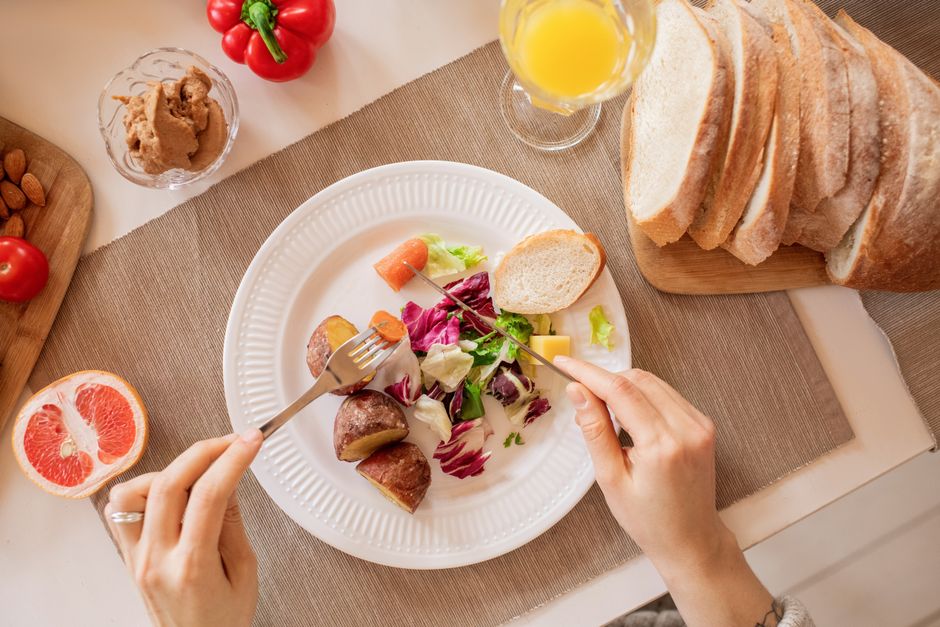
Protein and healthy fats also play a stabilizing role. Including a source of lean protein or plant-based fat with meals can blunt glucose responses. For example, pairing fruit with nuts or yogurt with chia seeds can prevent the sharp rise in blood sugar that occurs when carbohydrates are eaten alone.
Myth: All Carbs Are Bad for Blood Sugar
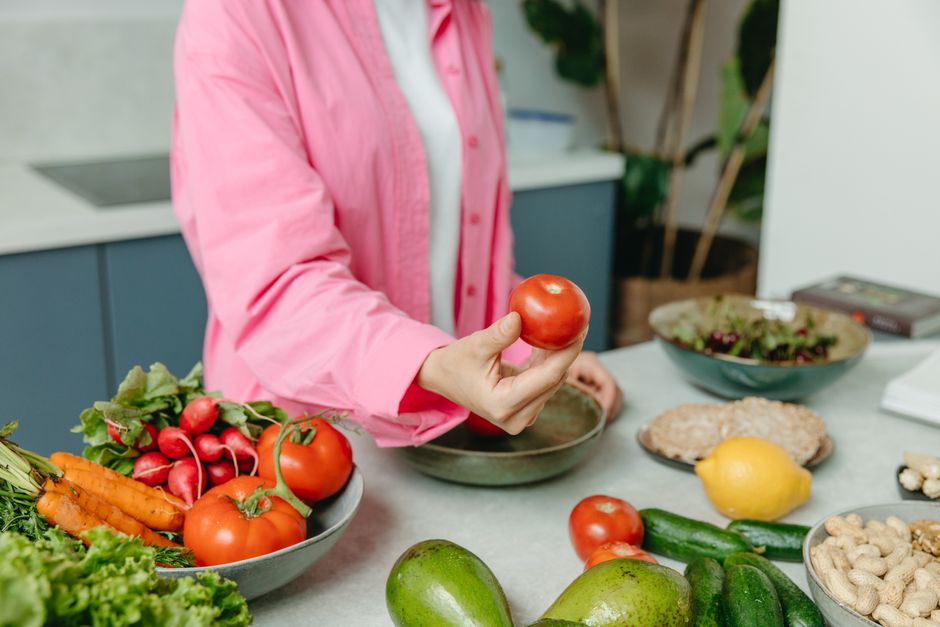
Carbohydrates are not inherently harmful. The issue lies in type, amount, and timing. Whole, minimally processed carbohydrates, such as quinoa, sweet potatoes, and berries, provide essential nutrients and fiber that support metabolic health. The problem arises when refined carbs dominate the diet, leading to rapid glucose surges and insulin overproduction.
Another misconception is that fruit should be avoided due to sugar content. While dried fruits and fruit juices are concentrated sources of sugar, whole fruits contain fiber that moderates glucose absorption. A study in the Mayo Clinic Nutrition Guide notes that berries, apples, and pears have a low glycemic impact when consumed in whole form.
Lifestyle Tactics That Amplify Dietary Changes
Beyond food choices, several lifestyle factors influence blood sugar regulation:
- Physical activity: Even short walks after meals can improve glucose uptake by muscles. Post-meal movement blunts peak glucose levels substantially compared to sitting.
- Sleep quality: Poor sleep disrupts hormones that regulate appetite and insulin sensitivity. Chronic sleep deprivation is associated with higher fasting glucose and increased diabetes risk.
- Hydration: Dehydration can elevate blood sugar as the body concentrates glucose in a smaller blood volume. Adequate water intake supports kidney function and glucose excretion.
- Stress management: Chronic stress increases cortisol, which can promote insulin resistance over time. Mindfulness practices and deep breathing may help moderate this effect.
7-Day Action Plan to Stabilize Blood Sugar
This plan balances whole foods, strategic timing, and movement to support steady glucose levels. Adjust portion sizes based on individual needs and activity levels.
| Day | Breakfast | Lunch | Dinner | Snacks & Movement |
|---|---|---|---|---|
| Day 1 | Greek yogurt with ½ cup berries, 1 tbsp chia seeds, and 10 almonds | Grilled salmon with 1 cup quinoa and steamed broccoli | Turkey lettuce wraps with avocado, cucumber, and olive oil dressing | 10-minute walk after each meal |
| Day 2 | Scrambled eggs with spinach and 1 slice whole-grain toast | Lentil soup with a side of mixed greens and 1 tbsp pumpkin seeds | Baked chicken thigh with roasted Brussels sprouts and ½ cup mashed cauliflower | 30-minute brisk walk in the morning |
| Day 3 | Overnight oats with ½ cup oats, 1 tbsp almond butter, and cinnamon | Chickpea and avocado salad with lemon-tahini dressing | Grilled tofu with stir-fried bell peppers and brown rice | 5-minute stretch session before bed |
| Day 4 | Smoothie with 1 cup unsweetened almond milk, ½ banana, 1 tbsp flaxseeds, and spinach | Tuna salad with mixed greens, cherry tomatoes, and olive oil | Beef and vegetable stir-fry with ½ cup soba noodles | 10-minute walk after lunch |
| Day 5 | Cottage cheese with sliced pear and 1 tbsp walnuts | Quinoa bowl with black beans, roasted sweet potato, and salsa | Baked cod with asparagus and ½ cup wild rice | 30-minute yoga session in the evening |
| Day 6 | Avocado toast on whole-grain bread with a poached egg | Grilled shrimp skewers with 1 cup farro and arugula salad | Stuffed bell peppers with ground turkey, brown rice, and tomatoes | 10-minute walk after dinner |
| Day 7 | Chia pudding made with unsweetened almond milk and topped with raspberries | Grilled chicken Caesar salad (light dressing) with 1 small whole-grain roll | Vegetable curry with ½ cup basmati rice and steamed green beans | 30-minute brisk walk in the morning |
Troubleshooting Common Challenges
If blood sugar remains elevated despite dietary changes, consider these adjustments:
- Portion control: Even healthy carbs can cause spikes if consumed in excess. Measure servings and pair carbs with protein or fat.
- Meal timing: Spreading carbohydrate intake across meals may prevent large glucose surges. Aim for balanced plates at each meal.
- Hydration status: Dehydration can falsely elevate glucose readings. Drink water consistently throughout the day.
- Medication timing: If taking glucose-lowering medications, consult a healthcare provider about timing meals and doses to avoid hypoglycemia.
Before You Go
- Focus on whole, fiber-rich foods to slow glucose absorption and support insulin sensitivity.
- Pair carbohydrates with protein or healthy fats to moderate blood sugar responses.
- Incorporate movement after meals to enhance glucose uptake by muscles.
- Prioritize sleep and stress management, as both influence insulin sensitivity.
- Avoid extreme restrictions; sustainable changes yield long-term benefits.
Frequently Asked Questions
Can I eat fruit if I’m managing blood sugar?
Yes. Whole fruits like berries, apples, and pears have a low glycemic impact due to their fiber content. Limit dried fruits and fruit juices, which are concentrated sources of sugar.
Does cinnamon lower blood sugar?
Some studies suggest cinnamon may modestly improve insulin sensitivity, but results are inconsistent. It can be included as part of a balanced diet but should not replace other proven strategies.
How much water should I drink to support blood sugar?
Individual needs vary, but aiming for 2 to 3 liters daily supports hydration and kidney function. Monitor urine color; pale yellow indicates adequate hydration.
Is intermittent fasting safe for blood sugar management?
Intermittent fasting may improve insulin sensitivity for some people, but it can cause glucose fluctuations in others. Consult a healthcare provider before trying fasting, especially if you have diabetes or prediabetes.
We cover a closely related angle in How to lower blood sugar naturally without giving up your favorite.
Advertising disclosure: the links below are affiliate links. We may earn a commission if you use them, at no extra cost to you. This does not change the article's content, and it is not a medical recommendation.
Recommended Health & Fitness Gear




Browse kitchen and portion tools on Amazon
Food scales, portion containers and measuring sets, as an Amazon category search. We have not tested individual products.