
What’s happening to your skin by noon
Sebum isn’t an enemy. It’s a lipid-rich secretion from sebaceous glands, designed to coat the skin’s surface and maintain barrier function. But when the midday shine appears, it’s not just about excess oil, it’s about timing, environment, and underlying physiology. The glands don’t operate on autopilot; they respond to hormonal cues, temperature shifts, and even the products layered on earlier.
Consider the stratum corneum, the outermost layer of skin. Its lipid matrix, composed of ceramides, cholesterol, and free fatty acids, regulates water loss and microbial defense. When this barrier weakens, transepidermal water loss increases, triggering a compensatory surge in sebum production. The result? A glossy sheen by 11 a.m. or noon, even if your morning routine was flawless.
Environmental factors amplify this effect. Indoor heating strips humidity from the air, while outdoor UV exposure accelerates epidermal turnover. Both stressors prompt keratinocytes to release inflammatory signals, which in turn stimulate sebocyte activity. The glands respond by ramping up lipid synthesis within hours, not days. This isn’t laziness, it’s a metabolic cascade.
The real drivers behind midday oiliness
Hormonal fluctuations
Androgens like testosterone and DHEA don’t just influence hair growth, they upregulate sebaceous gland activity. Cortisol, the stress hormone, does the same. A spike in either by mid-morning can double sebum output within three to four hours. This explains why oily skin often worsens during high-pressure days or menstrual cycles.
Insulin sensitivity plays a role too. High-glycemic meals trigger rapid glucose spikes, which prompt pancreatic insulin release. Insulin then signals sebocytes to increase lipid production via the mTOR pathway. The effect isn’t immediate, but it’s predictable: a breakfast of refined carbs and sugary coffee can set the stage for a 2 p.m. oil slick.
Product layering gone wrong
Layering skincare isn’t inherently problematic, but the wrong combinations can backfire. Occlusive moisturizers, even those labeled “non-comedogenic”, can trap heat and humidity against the skin. Trapped warmth dilates blood vessels, increasing local blood flow to sebaceous glands. The glands interpret this as a signal to ramp up sebum synthesis. Mineral oil-based primers compound the issue by creating a semi-occlusive film that slows evaporation.
Alcohol-heavy toners and astringents strip the stratum corneum’s lipids, triggering a rebound effect. The skin perceives the damage as a barrier breach and floods the surface with sebum to compensate. This is why some people find their skin dries out mid-morning, only to turn greasy by noon.
Environmental triggers
Indoor climates matter. Central heating reduces relative humidity below 30%, which accelerates transepidermal water loss. The skin’s response? A surge in sebum production to restore moisture balance. Outdoor factors add another layer. Wind and UV radiation generate micro-inflammation in the epidermis, which sebocytes detect via Toll-like receptors. The glands respond by increasing lipid synthesis within hours.
Even the fabrics against your skin contribute. Synthetic materials trap heat and sweat, creating a humid microenvironment that sebaceous glands interpret as a cue to produce more oil. Cotton, while breathable, can absorb sebum and leave a residue that clogs follicles over time.
What actually changes the outcome
Three adjustments consistently alter the trajectory of midday oiliness. None require extreme measures, just precision.
1. Rebalance your morning skincare
Start with a gentle cleanser that removes surface sebum without stripping lipids. Look for surfactants like decyl glucoside or sodium cocoyl isethionate, which maintain the stratum corneum’s integrity. Follow with a lightweight, water-based serum containing niacinamide (3–5%) and zinc PCA. These ingredients inhibit 5-alpha-reductase, the enzyme that converts testosterone to dihydrotestosterone, a potent sebocyte stimulant.
Skip occlusive moisturizers in the morning unless your skin feels tight after cleansing. If hydration is needed, opt for a gel-based formula with hyaluronic acid and glycerin. These humectants pull water into the stratum corneum without creating a lipid seal that traps heat.
2. Time your meals for sebum control
Prioritize protein at breakfast. Eggs, Greek yogurt, or smoked salmon provide amino acids that blunt insulin spikes. Pair them with fiber-rich carbohydrates like oats or berries to slow glucose absorption. This combination minimizes the mTOR pathway activation that drives sebum overproduction.
Avoid high-glycemic foods, white bread, pastries, sweetened beverages, until after lunch. If a mid-morning snack is necessary, choose nuts or avocado. Their monounsaturated fats stabilize blood sugar and reduce cortisol’s downstream effects on sebaceous glands.
3. Adjust your environment
Combat indoor dryness with a humidifier set to 40–50% relative humidity. This prevents transepidermal water loss without creating a sauna-like effect that stimulates sebum production. Outdoors, use a mineral-based sunscreen with zinc oxide. It deflects UV radiation without the heat-trapping properties of chemical filters.
Wear breathable fabrics like linen or moisture-wicking synthetics designed for athletic wear. Avoid tight collars or scarves that press against the skin and generate localized heat.
Myth-busting: What doesn’t work
“Blotting papers cause more oil production.” False. Blotting removes surface sebum without triggering glandular activity. The glands don’t “overcompensate” because of blotting, they respond to barrier disruption or hormonal signals, not tactile oil removal.
“Only oily skin types get midday shine.” Not accurate. Dry or combination skin can also experience temporary oiliness due to environmental stressors or product misuse. The issue isn’t skin type, it’s the balance between barrier function and sebaceous gland activity.
“Astringents permanently reduce oil.” Misleading. Astringents like witch hazel or alcohol-based toners provide temporary tightening by dehydrating the stratum corneum. The rebound sebum surge that follows is a physiological response to perceived barrier damage, not a sign that the astringent “worked.”
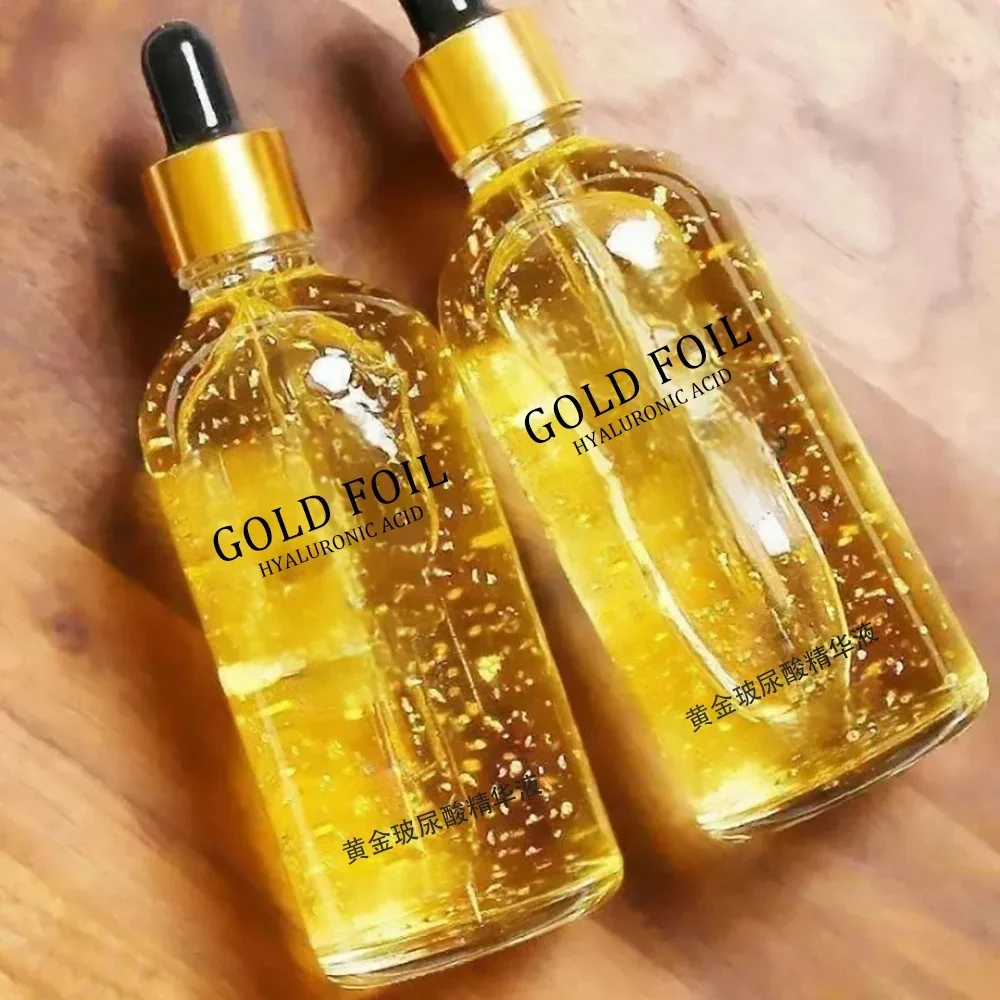
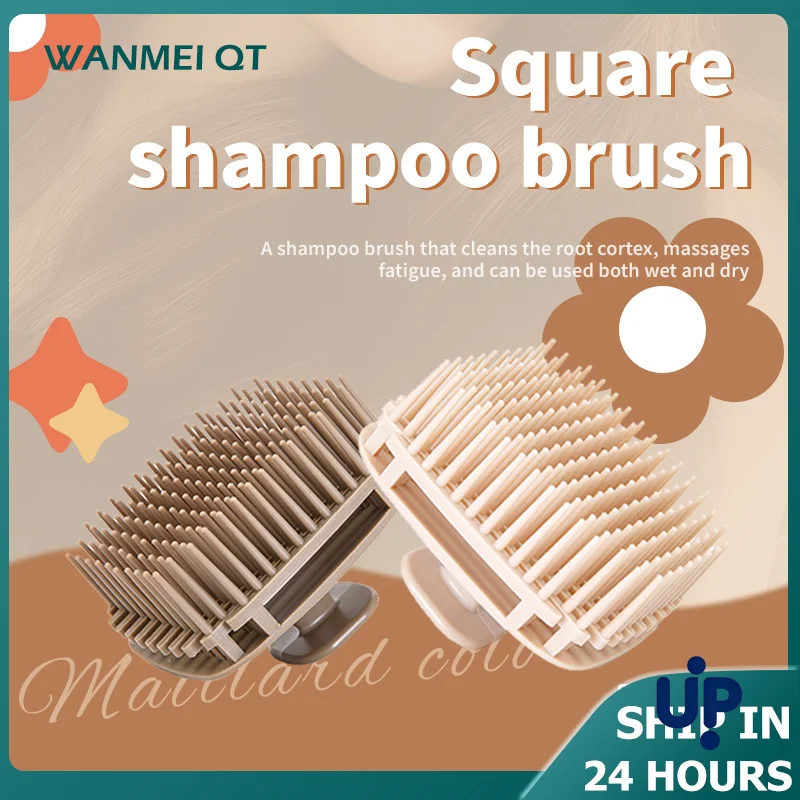
Recommended Skin & Hair Care Picks

7-day troubleshooting plan
Track these variables for one week. Note changes in oiliness, meals, skincare, and environmental conditions. Small tweaks compound over time.
Days 1–2: Baseline
Use your current routine without changes. Observe oil levels at 10 a.m., noon, and 3 p.m. Note any environmental stressors (e.g., indoor heating, outdoor wind).
Days 3–4: Skincare adjustment
Switch to a gentle cleanser and a niacinamide-based serum. Skip occlusive moisturizers. Monitor for tightness or irritation, these are signs the barrier is compromised.
Days 5–6: Dietary tweaks
Replace high-glycemic breakfast foods with protein and fiber. Reduce mid-morning caffeine if it spikes cortisol. Track energy levels alongside oiliness, highs and lows often correlate.
Day 7: Environmental control
Introduce a humidifier if indoor air is dry. Test a mineral sunscreen if UV exposure is a factor. Note any changes in oil production by afternoon.
People also ask
Does drinking water reduce midday oiliness?
Hydration supports overall skin function, but it doesn’t directly regulate sebum production. The key is maintaining the stratum corneum’s lipid matrix, which water alone can’t repair.
Can stress cause oily skin even if I’m not anxious?
Chronic stress elevates cortisol, which upregulates sebaceous gland activity. Even low-grade stress, like poor sleep or work deadlines, can trigger measurable sebum increases within hours.
Is it safe to use oil-based products if my skin is oily?
Non-comedogenic oils like jojoba or squalane can reinforce the stratum corneum’s lipid barrier without clogging follicles. The trick is using them in minimal amounts and layering them under water-based products.
Why does my T-zone get oily faster than my cheeks?
The T-zone has a higher density of sebaceous glands and thinner stratum corneum. It’s more sensitive to hormonal fluctuations and environmental stressors, which explains the faster oil accumulation.
Where that leaves you
Midday oiliness isn’t a flaw, it’s a metabolic response. The glands aren’t malfunctioning; they’re reacting to cues from your environment, hormones, and skincare routine. The solution isn’t to eliminate oil entirely but to recalibrate the signals driving its overproduction.
Start with a barrier-supportive morning routine, time your meals to blunt insulin spikes, and control your environment to reduce unnecessary stressors. These aren’t quick fixes, but they’re the only changes that address the root cause. The rest is noise.
Further Reading from Health Authorities
How this article was made
Researched and drafted with AI assistance, then screened by automated checks for originality, exaggerated claims and structure before publishing. No clinician reviewed it, and it is general information rather than medical advice. Read more at About us, or write to us if you spot an error.
Advertising disclosure: the links below are affiliate links. We may earn a commission if you use them, at no extra cost to you. This does not change the article's content, and it is not a medical recommendation.
Browse skincare basics on Amazon
Cleansers, moisturisers and sunscreens, as an Amazon category search. We have not tested individual products.


