Why Winter Wreaks Havoc on Your Foundation, and How to Fix It
Cold air, indoor heating, and low humidity strip the skin of its natural moisture, leaving it tight, flaky, and prone to makeup mishaps. For many, foundation flaking becomes an unavoidable winter ritual, one that often leads to layering on more product in a futile attempt to cover the issue. The truth is, flaking isn’t just a surface problem; it’s a sign that your skin barrier is compromised and in need of repair. Understanding the root causes and adopting a targeted routine can transform winter makeup wear from a daily frustration into a seamless experience.
The American Academy of Dermatology notes that environmental stressors like dry air weaken the skin’s lipid barrier, reducing its ability to retain moisture. Without intervention, this cycle of dehydration and flaking can worsen, leading to irritation and even accelerated aging. The key to prevention lies in proactive hydration, barrier support, and makeup formulation choices that work with, not against, your skin’s needs.
The Science Behind Winter Flaking
Flaking occurs when the stratum corneum, the outermost layer of the skin, loses its ability to hold onto water. In winter, two primary factors drive this breakdown: transepidermal water loss (TEWL) and compromised barrier function. Cold air holds less moisture than warm air, while indoor heating further depletes humidity levels, creating a double-edged assault on skin hydration.
According to the Cleveland Clinic, the skin’s barrier relies on a delicate balance of ceramides, cholesterol, and fatty acids to function properly. When this balance is disrupted, whether by harsh cleansers, alcohol-based toners, or even over-exfoliation, the barrier becomes permeable, allowing moisture to escape and irritants to penetrate. The result? Dryness, tightness, and eventually, visible flakes that cling to foundation.
Another overlooked contributor is the occlusive effect of heavy makeup. While foundation can create a smooth canvas, thick or matte formulas may trap dryness beneath the surface, exacerbating flaking over time. Occlusive products can interfere with the skin’s natural desquamation process, leading to buildup of dead skin cells that eventually flake off.
Common Mistakes That Make Flaking Worse
Many people unknowingly worsen winter flaking by relying on quick fixes that disrupt the skin’s ecosystem. One of the most pervasive myths is that scrubbing away flakes will solve the problem. In reality, aggressive exfoliation, whether physical or chemical, can further damage the barrier, triggering even more flaking in the long run. The AAD recommends gentle exfoliation no more than twice a week, using products with lactic acid or urea to dissolve dead skin without irritation.
Another misconception is that matte foundation is the only option for winter. While matte formulas can feel more comfortable in humid conditions, they often contain ingredients like silica or talc that absorb moisture from the skin, leaving it drier. Instead, opt for hydrating or skin-tinted foundations with glycerin or hyaluronic acid, which support the skin’s moisture levels rather than depleting them.
Finally, skipping moisturizer in favor of a heavier primer is a common pitfall. Primers can create a smooth surface, but they don’t address the underlying dehydration. The Cleveland Clinic advises applying moisturizer to damp skin to lock in hydration, followed by a lightweight, non-comedogenic primer if needed.
A 7-Day Winter Skincare Reset for Flawless Foundation
The following protocol prioritizes barrier repair, hydration, and gentle exfoliation to eliminate flaking. Consistency is critical, results typically appear within a week when followed diligently.
Morning Routine
- Cleanser: Use a cream or oil-based cleanser to remove impurities without stripping natural oils. Avoid foaming cleansers, which can disrupt the barrier.
- Hydrating Serum: Apply a hyaluronic acid serum to damp skin to maximize moisture retention. Follow with a few drops of a ceramide-rich moisturizer.
- Sunscreen: Even in winter, UV rays contribute to barrier damage. Choose a moisturizing SPF 30+ with zinc oxide.
- Foundation: Opt for a hydrating, skin-like formula with a dewy or satin finish. Avoid matte powders unless applied sparingly over moisturized skin.
Evening Routine
- Double Cleanse: Start with an oil-based cleanser to dissolve sunscreen and makeup, followed by a gentle cream cleanser.
- Exfoliation (2-3x/week): Use a leave-on exfoliant with 5-10% lactic acid or 2% salicylic acid to promote cell turnover without irritation.
- Barrier Repair: Apply a thick moisturizer or occlusive balm (e.g., with squalane or shea butter) to seal in hydration overnight.
- Humidifier: Run a humidifier in your bedroom to counteract dry indoor air, especially while sleeping.
Weekly Treatments
- Hydrating Mask: Once a week, apply a sheet mask or overnight mask with hyaluronic acid and aloe vera to replenish moisture.
- Gentle Exfoliation: If flaking persists, use a mild enzyme powder (e.g., papaya or pineapple extract) mixed with water to dissolve dead skin without scrubbing.
Product Picks to Prevent Flaking
Not all hydrating products are created equal. Look for these key ingredients in your winter skincare lineup:
- Hyaluronic Acid: A humectant that attracts and retains moisture in the skin. Opt for low-molecular-weight versions for deeper penetration.
- Ceramides: Restore the skin’s natural barrier. Found in creams and serums labeled with ceramide NP, AP, or EOP.
- Glycerin: A lightweight humectant that helps maintain hydration without clogging pores.
- Squalane: A non-comedogenic emollient that mimics the skin’s natural oils, providing lightweight moisture.
- Urea (5-10%): A keratolytic agent that gently dissolves dead skin cells while hydrating.
Avoid products with high concentrations of alcohol, fragrance, or synthetic dyes, as these can exacerbate dryness and irritation.
When to See a Dermatologist
If flaking persists despite a consistent routine, it may signal an underlying condition like eczema, psoriasis, or seborrheic dermatitis. The AAD recommends consulting a dermatologist if you experience:
- Redness, itching, or burning alongside flaking.
- Flaking that spreads beyond the face (e.g., scalp, elbows).
- No improvement after 2-3 weeks of targeted care.
These symptoms may require prescription-strength treatments, such as topical steroids or calcineurin inhibitors, to restore balance.
Myth: Thicker Moisturizer = Better Hydration
It’s easy to assume that slathering on a thick cream will solve winter dryness, but texture doesn’t always equate to effectiveness. Many rich creams contain occlusives like petrolatum or mineral oil, which sit on the skin’s surface without addressing dehydration. Instead, prioritize products with humectants (e.g., hyaluronic acid, glycerin) and emollients (e.g., squalane, ceramides) to both attract and lock in moisture. The Cleveland Clinic emphasizes that layering hydration before occlusion is the most efficient way to combat dryness.
Recommended Skin & Hair Care Picks
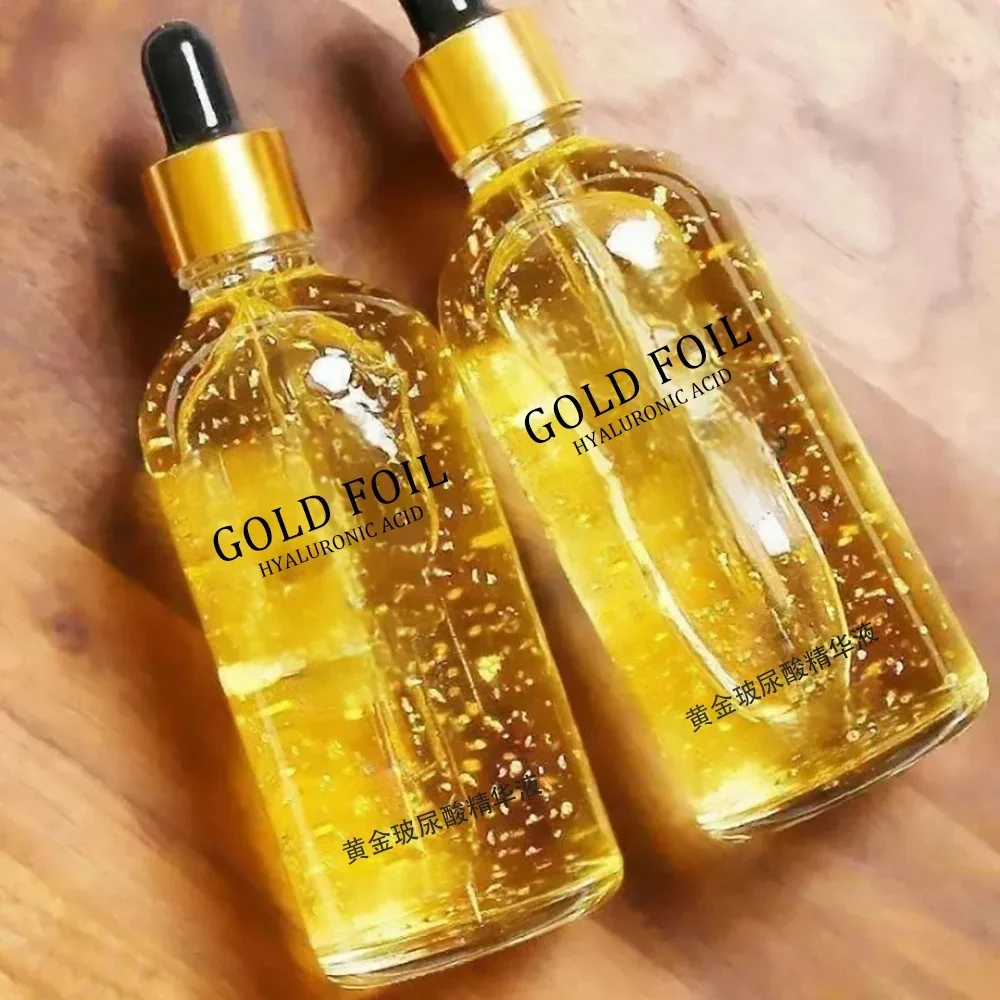

FAQs
Can I wear foundation every day in winter if my skin is flaky?
Yes, but only if you prioritize barrier repair. Opt for hydrating, non-comedogenic formulas and apply them over moisturized skin. Avoid heavy powders, which can cling to dry patches.
How often should I exfoliate in winter?
Limit exfoliation to 2-3 times per week using gentle acids like lactic or mandelic acid. Over-exfoliation worsens barrier damage and increases flaking.
Does drinking more water help with flaking?
Hydration from within supports skin health, but it’s not a standalone solution for flaking. External moisturization and barrier repair are equally critical.
What’s the best primer for flaky skin?
Look for primers with hydrating ingredients like glycerin or aloe vera. Avoid silicone-based primers, which can emphasize dryness. A thin layer of a hydrating mist (e.g., rose water) before foundation can also help.
The Bottom Line
- Winter flaking stems from increased transepidermal water loss and a compromised skin barrier.
- Harsh cleansers, over-exfoliation, and matte foundations worsen the problem by stripping or occluding the skin.
- A consistent routine of hydration, gentle exfoliation, and barrier repair is essential for prevention.
- Hyaluronic acid, ceramides, and squalane are the most effective ingredients for winter skincare.
- Persistent flaking may indicate an underlying condition requiring professional evaluation.
Advertising disclosure: the links below are affiliate links. We may earn a commission if you use them, at no extra cost to you. This does not change the article's content, and it is not a medical recommendation.
Browse skincare basics on Amazon
Cleansers, moisturisers and sunscreens, as an Amazon category search. We have not tested individual products.