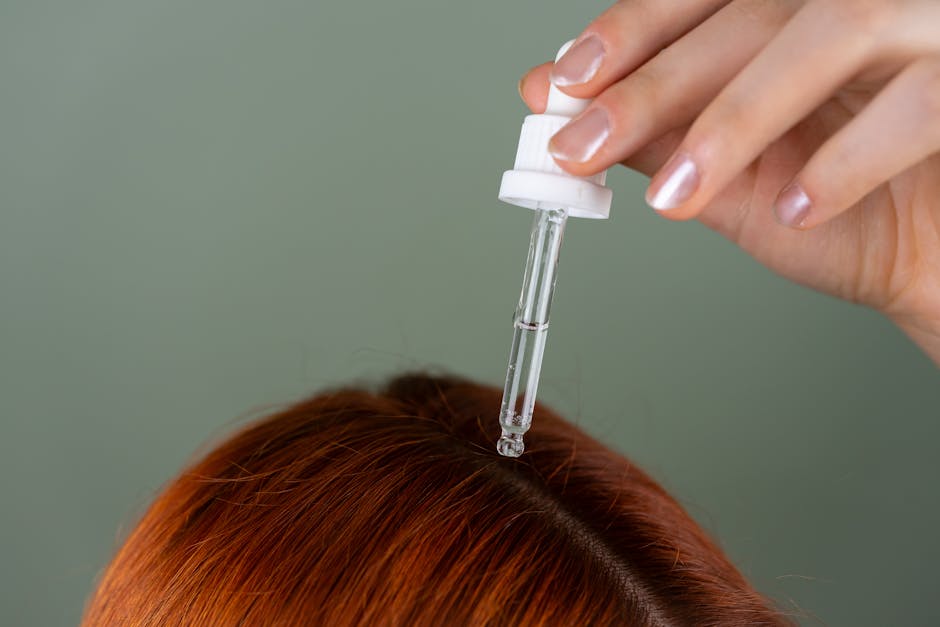
Understanding Hair Hydration
Hair strands rely on moisture to stay flexible and resist breakage. When the scalp lacks water the cuticle can lift leading to dullness and split ends. Keeping the scalp surface supple supports the follicle environment and helps maintain hair integrity.
What a Hydrating Mask Does
A mask that contains water‑binding agents can sit on the hair shaft and temporarily increase its water content. This added moisture makes the hair feel smoother and easier to detangle. The effect is superficial but noticeable after rinsing.
Choosing Ingredients That Add Moisture
Look for formulas that include glycerin aloe vera or natural oils such as jojoba or argan. These ingredients attract water to the surface or form a light film that slows evaporation. Avoid products with high alcohol concentrations as they can dry the strand.
How to Apply a Hydration Mask
- Start with clean damp hair after a gentle shampoo.
- Section the hair so the mask reaches the roots and the tips evenly.
- Apply a generous amount focusing on the mid‑lengths to ends where dryness is most common.
- Leave the mask on for the time indicated on the package usually five to fifteen minutes.
- Rinse thoroughly with lukewarm water until no residue remains.
- Style as desired.
Where People Go Wrong
One common mistake is applying too much product which can weigh hair down and leave a greasy feel. Another is using hot water to rinse which strips the temporary moisture barrier. Finally some leave the mask on for longer than directed hoping for extra benefit but this can cause buildup without added hydration.
Adjustments for Better Results
Use a quarter‑sized amount for short hair and increase gradually for longer lengths. Rinse with cool water to close the cuticle and lock in the moisture. Follow the mask with a lightweight conditioner if needed but avoid heavy creams that counteract the light feel of the mask.
When Hydration Masks Fit Into a Routine
For most hair types a mask once or twice a week provides enough boost without overloading the strand. If the hair feels oily reduce frequency to once every ten days. On days you skip the mask a regular conditioner maintains baseline moisture.
Connecting Hydration to Overall Hair Health
While a mask does not alter hormonal pathways or follicle cycling it supports the hair shaft’s mechanical properties. Healthier strands are less prone to breakage which can improve appearance over time. For concerns about thinning or pattern loss refer to evidence‑based options such as topical minoxidil Anais brasileiros de dermatologia, 2023 or oral minoxidil Journal of the American Academy of Dermatology, 2021 and discuss with a dermatologist.
Microneedling and Hydration
Some clinics combine microneedling with topical agents to enhance delivery Journal of cosmetic dermatology, 2022. If you consider this procedure keep the scalp well hydrated before and after to reduce irritation.
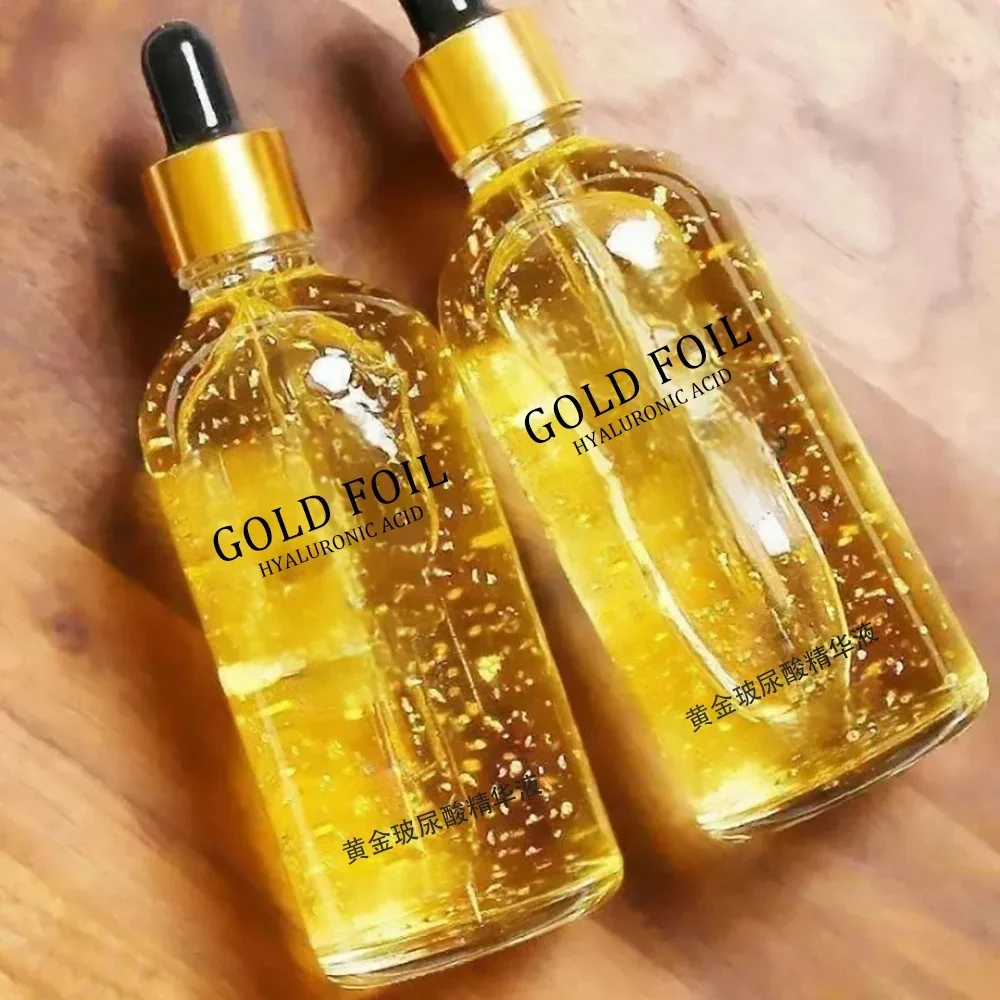
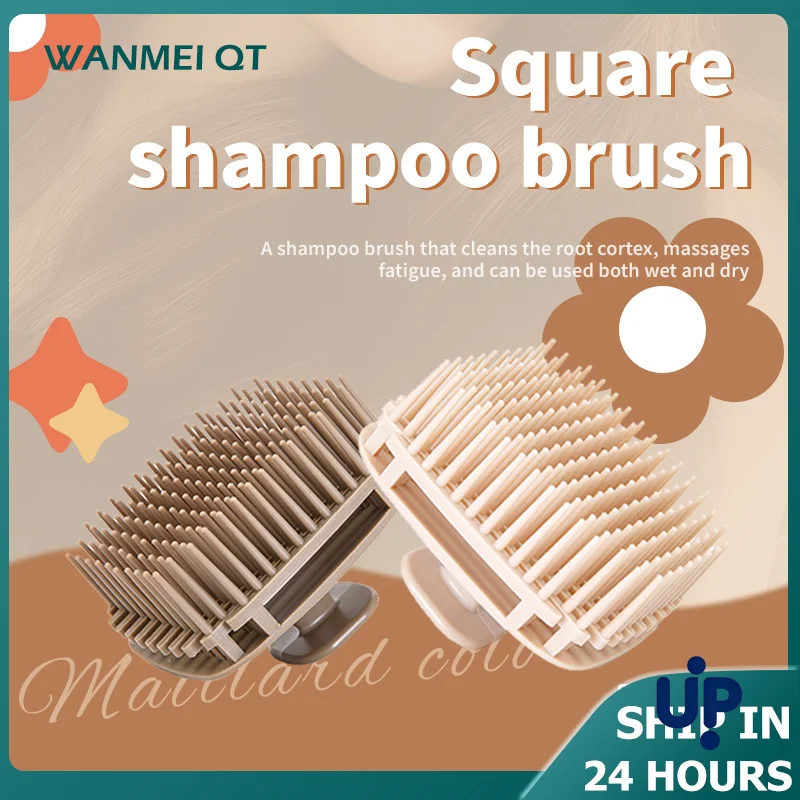
Recommended Skin & Hair Care Picks

Vitamin D and Hair
Low vitamin D levels have been linked to various alopecias but supplementation has not yet proven to reverse loss Journal of cosmetic dermatology, 2021. Maintaining adequate nutrition supports overall skin and hair health but a mask does not replace nutrient intake.
Menopause Related Changes
During the menopausal transition estrogen decline can affect hair density and texture Maturitas, 2025. Hydrating masks may help manage the resulting dryness but they do not address the underlying hormonal shift.
What to Remember
- Hydration masks add temporary water to the hair shaft improving softness and detangle.
- Choose glycerin aloe vera or light oils and avoid high alcohol formulas.
- Apply to clean damp hair focus on mid‑lengths to ends rinse with cool water.
- Use once or twice a week adjust based on hair oiliness.
- Do not overapply leave on longer than directed or rinse with hot water.
- For thinning or pattern loss seek medical advice; masks support shaft condition only.
How this article was made
Researched and drafted with AI assistance, then screened by automated checks for originality, exaggerated claims and structure before publishing. No clinician reviewed it, and it is general information rather than medical advice. Read more at About us, or write to us if you spot an error.
Advertising disclosure: the links below are affiliate links. We may earn a commission if you use them, at no extra cost to you. This does not change the article's content, and it is not a medical recommendation.
Browse skincare basics on Amazon
Cleansers, moisturisers and sunscreens, as an Amazon category search. We have not tested individual products.


