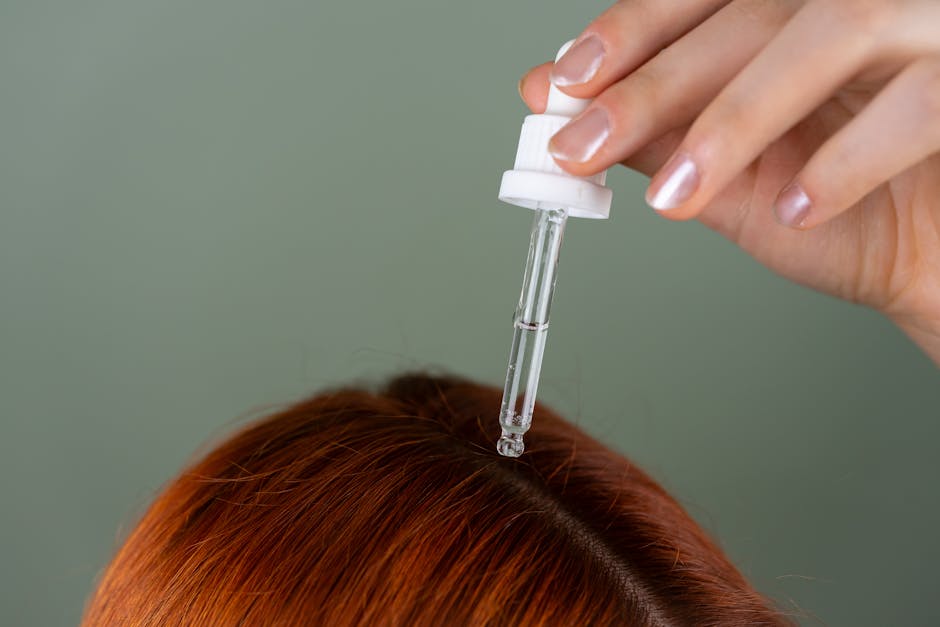
How does stress affect the skin?
Stress shows up on the skin. It can worsen existing acne or spark new lesions. The connection lies in cutaneous neurogenic factors that interact with the pathogenic cascade inside follicles Acta dermatovenerologica Croatica : ADC, 2017. These factors amplify inflammation and alter oil production.
When you feel tense, nerve endings release substances that stimulate immune cells. This process can deepen the inflammatory loop that drives pimples. The skin‑brain axis works both ways, so a flare‑up can also raise stress levels.
What does the research say about stress and acne?
Large surveys give concrete numbers. In a French population study, 18 % of people with acne reported feeling stressed every day, compared with 13.9 % of clear‑skinned controls Acta dermato‑venereologica, 2015. The same study found 65.4 % of those with acne experienced fatigue upon waking, versus 58.4 % of controls.
During the COVID‑19 pandemic, acne patients had a higher rate of probable PTSD, 16.4 % versus 9.5 % in matched healthy subjects Journal of cosmetic dermatology, 2021. Low psychological resilience predicted greater depression, anxiety and stress in this group.
A case‑control study in Asia‑Pacific psychiatry noted that undesirable life events appeared in 65 acne patients and 50 controls Asia-Pacific psychiatry : official journal of the Pacific Rim College of Psychiatrists, 2019. Forty patients had comorbid psychiatric illness, while only 24 controls did.
These data show a clear association between stress exposure and acne burden. They do not prove that stress alone causes lesions, but they support the idea that managing stress may improve skin outcomes.
Can stress‑reduction improve breakouts?
Evidence does not yet confirm that a specific relaxation method clears acne. However, lowering stress reduces the neurogenic signals that aggravate follicles. When those signals diminish, the inflammatory cascade may weaken.
Practical stress‑management includes regular movement, sufficient sleep, and mindfulness practices. Each of these actions helps regulate the hormone milieu that influences sebaceous glands.
If you notice a spike in breakouts after a demanding week, try adding a short breathing exercise or a walk outdoors. Observe whether the skin calms over the next few days.
Practical steps to calm stress‑related skin
Gentle cleansing twice a day removes excess oil without stripping the barrier. Choose a non‑comedogenic formula and pat the skin dry.
Moisturize with a lightweight, water‑based product. Hydrated skin is less likely to overproduce sebum as a compensatory response.
Spot‑treat emerging blemishes with a benzoyl peroxide or salicylic acid product, following label directions. Use only the amount needed to avoid irritation.
Limit high‑glycemic snacks and dairy if you see a personal link; the evidence on diet is mixed, but some individuals find fewer flare‑ups when they reduce these foods.
Keep pillowcases clean and avoid touching your face throughout the day. These simple habits cut down on bacterial transfer.
Recommended Skin & Hair Care Picks


Myth vs Reality: Stress just makes you oily
Many believe stress only raises surface oil, leading to clogged pores. Reality is more complex. Stress triggers neurogenic pathways that increase inflammation, alter microbial balance, and affect healing Acta dermatovenerologica Croatica : ADC, 2017. Oil production may rise, but the inflammatory response is the key driver of breakouts.
Therefore, blotting papers alone will not solve stress‑induced acne. Address the underlying nervous‑system signals with stress‑reduction and proper skin care.
When to seek professional help
If breakouts persist despite stress‑management and over‑the‑counter care, a dermatologist can evaluate prescription options. They may consider topical retinoids, antibiotics, or, in severe cases, isotretinoin, always under medical supervision.
Psychological support is also valuable. A therapist or counselor can teach coping tools that lower stress and improve skin outcomes together.
Remember, skin reflects both external care and internal state. Balancing both gives the best chance for clear, resilient skin.
What to Remember
- Stress activates neurogenic factors that worsen acne inflammation Acta dermatovenerologica Croatica : ADC, 2017
- In population data, 18 % of acne sufferers report daily stress versus 13.9 % of controls Acta dermato‑venereologica, 2015
- PTSD rates are higher in acne patients during stressful periods Journal of cosmetic dermatology, 2021
- Regular cleansing, moisturizing and targeted spot treatment support barrier health
- Mindful movement, adequate sleep and stress‑reduction practices may lessen flare‑ups
- Professional guidance is advised for persistent or severe lesions
How this article was made
Researched and drafted with AI assistance, then screened by automated checks for originality, exaggerated claims and structure before publishing. No clinician reviewed it, and it is general information rather than medical advice. Read more at About us, or write to us if you spot an error.
Advertising disclosure: the links below are affiliate links. We may earn a commission if you use them, at no extra cost to you. This does not change the article's content, and it is not a medical recommendation.
Browse skincare basics on Amazon
Cleansers, moisturisers and sunscreens, as an Amazon category search. We have not tested individual products.