
How Chronic Stress Hijacks Your Skin, And What Actually Works to Restore Balance
Stress doesn’t just live in your mind, it shows up on your skin. From sudden breakouts to persistent redness and accelerated aging, the physiological toll of chronic stress manifests visibly, often within days. While occasional stress is a normal part of life, prolonged activation of the body’s stress response can disrupt cellular function, alter hormone levels, and trigger inflammatory pathways that directly affect skin health.
Understanding this connection requires looking beyond surface-level advice. It demands a closer look at how stress hormones like cortisol interact with skin biology, how inflammation becomes chronic, and what evidence-based strategies can counter these effects. This isn’t about quick fixes or miracle creams, it’s about restoring balance from within.
The Stress-Skin Axis: What Happens When Cortisol Meets Your Complexion
The primary driver of stress-related skin changes is cortisol, a hormone released by the adrenal glands during the body’s fight-or-flight response. While cortisol helps regulate metabolism and immune function, chronically elevated levels can disrupt several key processes in the skin.
First, cortisol stimulates the sebaceous glands to produce more sebum, the oily substance that can clog pores and create an environment for acne-causing bacteria. Second, it weakens the skin’s barrier function, making it more vulnerable to environmental irritants and moisture loss. Third, cortisol increases inflammation by promoting the release of cytokines, signaling molecules that can trigger redness, swelling, and flare-ups of conditions like eczema or rosacea.
Stress-induced cortisol release may impair skin barrier repair and heighten sensitivity. This suggests that managing stress isn’t just a mental health priority, it’s a dermatological one.
Why Your Skin Gets Inflamed, And Why It Stays That Way
Inflammation is the body’s natural defense mechanism, but when stress keeps the system on high alert, inflammation can become chronic. This low-grade, persistent state doesn’t just cause temporary redness, it can accelerate aging by breaking down collagen and elastin, leading to fine lines, uneven texture, and a dull complexion.
Stress also disrupts sleep, and poor sleep quality further amplifies inflammation. During deep sleep, the body repairs tissue and regulates immune responses. When sleep is fragmented, these processes falter, leaving skin more prone to irritation and slower to heal. Additionally, stress-related behaviors like poor dietary choices, increased alcohol consumption, or neglecting skincare routines can compound the problem.
According to the American Academy of Dermatology, maintaining a consistent skincare routine tailored to sensitive or inflamed skin is essential during periods of high stress. Gentle cleansing, hydration, and the use of anti-inflammatory ingredients can help mitigate damage.
Myth: Stress Causes Acne Directly, The Real Story
A common misconception is that stress causes acne. In reality, stress doesn’t create acne out of thin air, it amplifies existing tendencies. People prone to acne may experience more frequent or severe breakouts during stressful periods due to increased sebum production and inflammation.
This distinction matters because it shifts the focus from blaming stress alone to addressing the underlying factors that make skin vulnerable. For example, someone with oily skin or a genetic predisposition to acne may see stress as a trigger, while someone with dry or combination skin might notice more irritation or redness instead.
It’s also worth noting that stress-related acne often appears in specific patterns, such as along the jawline or on the forehead, which can help differentiate it from other types of breakouts. However, the root cause remains multifactorial, involving genetics, hormones, and lifestyle.
Your 10-Day Stress-Skin Reset: A Science-Backed Protocol
This structured routine is designed to reduce inflammation, support skin barrier function, and regulate stress responses. It combines dermatologist-recommended skincare with lifestyle adjustments grounded in clinical evidence.
Daily Skincare Routine (AM & PM)
- Morning:
- Cleanse: Use a gentle, non-foaming cleanser to remove excess oil without stripping the skin. Look for ingredients like ceramides or glycerin to support barrier function.
- Treat: Apply a niacinamide serum (2–5%) to reduce redness and regulate sebum production. Niacinamide has been shown in clinical studies to improve skin barrier integrity and decrease inflammation.
- Moisturize: Choose a lightweight, non-comedogenic moisturizer with hyaluronic acid to hydrate without clogging pores.
- Protect: Use a broad-spectrum SPF 30+ sunscreen daily. UV exposure can worsen inflammation and accelerate aging, especially when skin is already stressed.
- Evening:
- Double Cleanse (if wearing makeup or sunscreen): Start with an oil-based cleanser to dissolve impurities, followed by a gentle water-based cleanser.
- Sooth: Apply a calming serum with ingredients like centella asiatica, panthenol, or aloe vera to reduce inflammation and support healing.
- Repair: Use a moisturizer with ceramides and cholesterol to reinforce the skin barrier overnight. These lipids help restore balance and prevent moisture loss.
Lifestyle Adjustments (Daily)
- Sleep: Aim for 7–9 hours per night. Prioritize a consistent bedtime and create a wind-down routine that minimizes screen time before sleep.
- Hydration: Drink water based on body size and activity level. While individual needs vary, adequate hydration supports skin elasticity and detoxification.
- Nutrition: Focus on whole foods rich in antioxidants, such as leafy greens, berries, and fatty fish. These nutrients help counteract oxidative stress and inflammation.
- Movement: Engage in moderate exercise like walking, yoga, or swimming. Physical activity reduces cortisol levels and improves circulation, which benefits skin health.
- Breathwork: Practice slow, diaphragmatic breathing for 5–10 minutes daily. This activates the parasympathetic nervous system, lowering stress hormones and promoting relaxation.
Weekly Support
- Gentle Exfoliation: Use a mild chemical exfoliant (like lactic acid or PHA) once or twice a week to remove dead skin cells without irritating inflamed skin.
- Mask Therapy: Apply a soothing clay mask or hydrating sheet mask weekly to calm redness and replenish moisture.
- Stress Tracking: Monitor stress levels using a journal or app. Identifying patterns can help you adjust routines before breakouts or flare-ups occur.
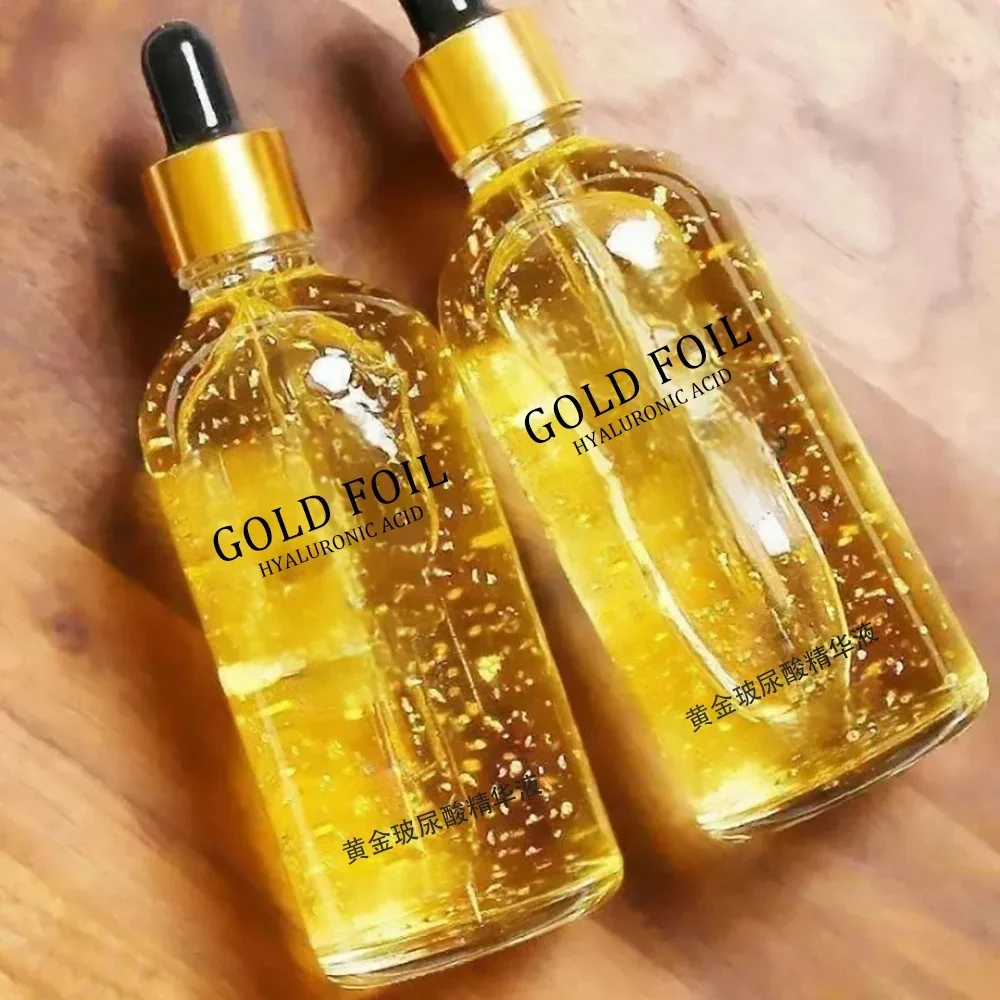
Recommended Skin & Hair Care Picks


What to Avoid During High-Stress Periods
Certain habits can worsen stress-related skin issues by increasing inflammation or disrupting the skin barrier. Avoiding these is just as important as adding supportive practices.
- Harsh Scrubs: Physical exfoliants can cause micro-tears in sensitive, inflamed skin, leading to more irritation.
- Over-Cleansing: Washing the face too often or with hot water strips natural oils, weakening the barrier and triggering more oil production.
- Alcohol-Based Products: These can dry out the skin and exacerbate redness or flaking.
- Skipping Sunscreen: UV rays increase inflammation and can worsen existing skin conditions.
- High-Sugar or Processed Foods: These can spike blood sugar and insulin, which may indirectly increase sebum production and inflammation.
When to Seek Professional Help
If stress-related skin issues persist despite lifestyle and skincare adjustments, consult a dermatologist. Persistent acne, eczema flare-ups, or unexplained rashes may require targeted treatment, such as prescription topicals, oral medications, or professional therapies like chemical peels or laser treatments.
The Cleveland Clinic recommends seeking medical advice if skin changes interfere with daily life, cause significant discomfort, or do not improve with over-the-counter interventions.
In Short
- Chronic stress elevates cortisol, which increases sebum production, weakens the skin barrier, and promotes inflammation.
- Stress doesn’t cause acne directly but can worsen existing tendencies by creating an environment conducive to breakouts and irritation.
- A consistent skincare routine with gentle, barrier-supporting ingredients helps counteract stress-related damage.
- Lifestyle factors like sleep, hydration, and nutrition play a critical role in regulating stress responses and supporting skin health.
- Professional evaluation is recommended for persistent or severe skin changes that do not respond to self-care.
Frequently Asked Questions
Can stress cause acne even if I’ve never had it before?
Stress can trigger acne in individuals without a prior history, particularly if it leads to hormonal fluctuations or increased sebum production. However, acne typically arises from a combination of factors, including genetics and skin type.
How long does it take for stress-related skin changes to improve?
With consistent stress management and skincare, visible improvements in redness, texture, and breakouts can appear within 2–4 weeks. However, deeper healing may take longer, especially if inflammation has been chronic.
Are there specific foods that help reduce stress-related skin inflammation?
Foods rich in omega-3 fatty acids (like salmon and walnuts), antioxidants (like berries and dark leafy greens), and probiotics (like yogurt and kefir) support skin health and may help reduce inflammation linked to stress.
Is it safe to use retinol if my skin is stressed and inflamed?
Retinol can be beneficial for acne and aging but may irritate already inflamed skin. If using retinol, start with a low concentration and apply it every other night, always followed by a moisturizer. Consult a dermatologist if irritation persists.
Advertising disclosure: the links below are affiliate links. We may earn a commission if you use them, at no extra cost to you. This does not change the article's content, and it is not a medical recommendation.
Browse skincare basics on Amazon
Cleansers, moisturisers and sunscreens, as an Amazon category search. We have not tested individual products.


