Skin Hydration Secrets
Your skin is the body’s largest organ and it helps keep fluids inside, which protects you from dehydration MedlinePlus. When you maintain good fluid balance the skin can perform this barrier role more effectively. This article looks at what the research says about hydration and how you can apply it to daily care.
Why Hydration Matters for Skin
Adequate water intake supports the skin’s natural ability to retain moisture. Dehydration has been linked to longer hospital stays and higher readmission rates in older adults, showing that fluid balance affects overall health Nutrients, 2023. While the skin itself is not a direct marker of hydration status, keeping the body well‑hydrated helps the organ carry out its protective functions.
Fluid balance also influences stress physiology. A trial found that people with lower habitual fluid intake (about 1.3 L per day) showed greater cortisol reactivity to a psychosocial challenge than those drinking about 4.4 L per day Journal of Applied Physiology, 2025. The association was measured via urine osmolality and color, suggesting that hydration status can modulate the body’s stress response.
How Much Fluid Do You Need?
There is no universal number that fits everyone. The study cited above used two groups: a low‑intake group averaging 1.3 ± 0.4 L/day and a high‑intake group averaging 4.4 ± 1.2 L/day. Both groups were comparable for age, sex and trait anxiety, indicating that the difference in fluid habits was the main variable.
Practical guidance from athletic trainers recommends measuring sweat loss during activity and replacing fluids to avoid both under‑ and over‑drinking Journal of Athletic Training, 2017. For most adults, listening to thirst and checking urine colour (pale straw suggests adequate hydration) provides a simple feedback loop.
Practical Tips to Stay Hydrated
Start the day with a glass of water before coffee or tea. Keep a reusable bottle on your desk or in your bag so you can sip regularly. If you find plain water boring, add a slice of lemon or a few cucumber strips for flavor without added sugar.
During exercise, weigh yourself before and after a session. Each kilogram lost roughly equals one litre of fluid; aim to replace that amount within the next few hours. In hot environments increase intake and consider electrolytes if you sweat heavily.
Include water‑rich foods in meals. Fresh fruits such as watermelon, oranges and strawberries, and vegetables like cucumber, celery and lettuce contribute to total fluid intake. Soups and broths also count toward hydration.
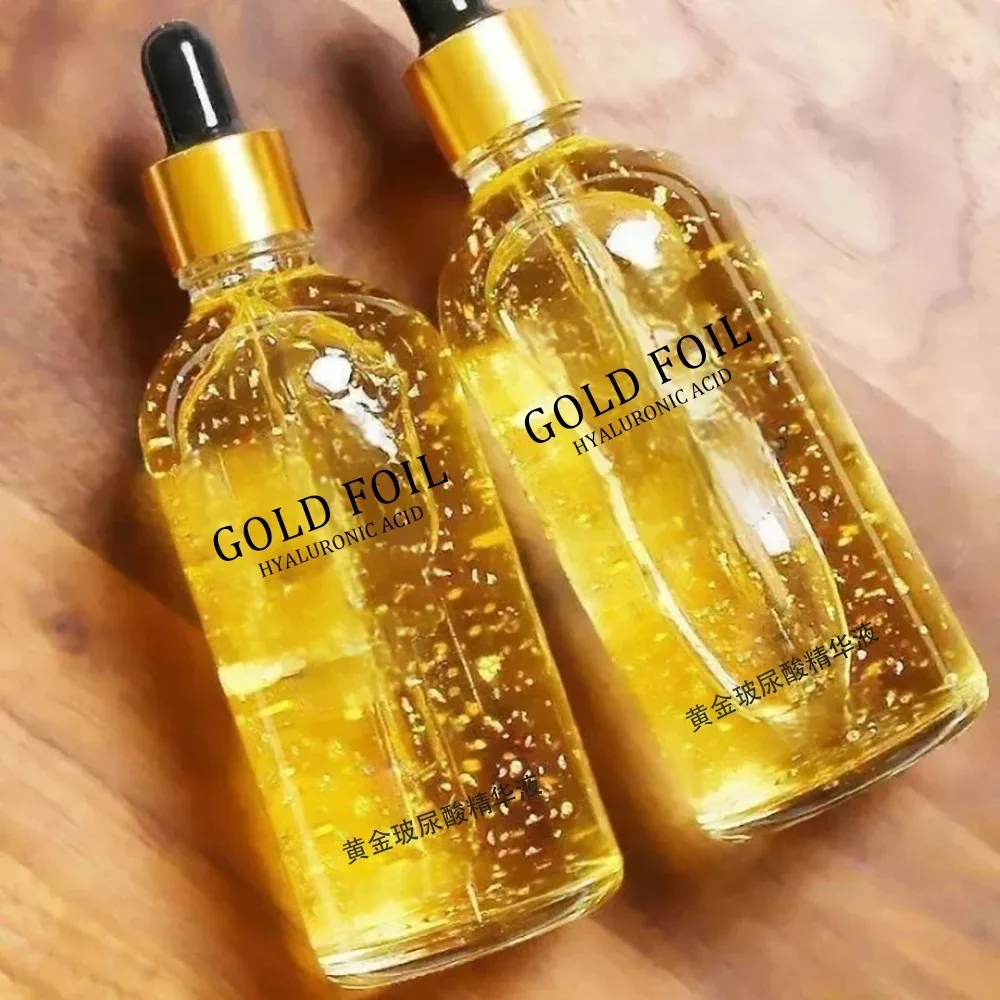
Recommended Skin & Hair Care Picks


Where People Go Wrong
One common mistake is relying solely on thirst as the only signal. Thirst can lag behind actual fluid needs, especially in older adults whose thirst perception diminishes Nutrients, 2025. Setting a regular drinking schedule helps close that gap.
Another error is overhydrating during short bouts of activity. Drinking large volumes of water without electrolytes can dilute sodium and lead to hyponatremia, a condition that impairs performance and poses health risks Journal of Athletic Training, 2017. Moderate, steady sipping is safer than gulping.
A third pitfall is neglecting fluid loss from alcohol and caffeine. Both substances have a mild diuretic effect; if you consume them, balance with extra water.
The Bottom Line
Hydration is a foundational element of skin health because the skin’s primary role is to hold body fluids in and prevent dehydration. Consistent fluid intake supports the body’s stress response and helps avoid the negative outcomes linked to chronic under‑hydration. By drinking regularly, monitoring urine colour, eating water‑rich foods and adjusting for activity and climate, you give your skin the best chance to perform its barrier function.
- Keep a water bottle visible and sip throughout the day.
- Check urine colour; pale straw suggests adequate hydration.
- Replace sweat losses with water and, when needed, electrolytes.
- Add fruits and vegetables with high water content to meals.
- Balance alcohol or caffeine intake with extra water.
How this article was made
Researched and drafted with AI assistance, then screened by automated checks for originality, exaggerated claims and structure before publishing. No clinician reviewed it, and it is general information rather than medical advice. Read more at About us, or write to us if you spot an error.
Advertising disclosure: the links below are affiliate links. We may earn a commission if you use them, at no extra cost to you. This does not change the article's content, and it is not a medical recommendation.
Browse skincare basics on Amazon
Cleansers, moisturisers and sunscreens, as an Amazon category search. We have not tested individual products.