
Why Your Skin Might Be Fighting Back (And How Exfoliation Can Help)
Skin isn’t just a passive barrier, it’s a dynamic organ that renews itself constantly, shedding dead cells and regenerating new ones. But when this process stalls, the consequences can feel personal: dullness, clogged pores, uneven texture, or persistent breakouts. The culprit isn’t always neglect; sometimes, it’s over-cleansing, harsh products, or simply using the wrong exfoliation method for your skin’s needs. Understanding why your skin might "hate" its current routine, and how to fix it, requires looking beyond marketing claims and into the science of skin physiology.
Exfoliation isn’t just about sloughing off dead cells, it’s about restoring balance to the skin’s natural renewal cycle. Done correctly, it can improve texture, enhance product absorption, and even reduce signs of aging. Done incorrectly, it can strip the skin’s barrier, trigger inflammation, or worsen conditions like rosacea or eczema. The key lies in choosing the right method, frequency, and ingredients for your skin type.
How Skin Renewal Works (And Where It Goes Wrong)
The epidermis, the outermost layer of skin, renews itself every 28 to 40 days in healthy adults, a process driven by keratinocytes migrating from the basal layer to the surface. This turnover slows with age, environmental damage, or chronic irritation, leading to a buildup of dead cells that can clog pores, dull the complexion, and create a rough texture. shows that disruptions in this cycle are linked to increased transepidermal water loss (TEWL), which compromises the skin’s barrier function and heightens sensitivity.
Several factors can derail this process:
- Over-cleansing: Aggressive surfactants or hot water can strip natural lipids, leaving the skin vulnerable to irritation and infection.
- Product overload: Layering too many active ingredients, especially acids and retinoids, without proper buffering can overwhelm the skin’s tolerance.
- Environmental stress: Pollution, UV exposure, and low humidity accelerate cell turnover irregularly, leading to uneven shedding.
- Genetics and hormones: Conditions like keratosis pilaris or hormonal acne are tied to genetic predispositions that disrupt normal desquamation.
When these factors converge, the skin’s renewal process becomes inefficient, and the result is often a cycle of irritation, inflammation, or persistent breakouts. Exfoliation, when used strategically, can reset this cycle, but only if approached with precision.
Physical vs. Chemical Exfoliation: What the Science Says
Exfoliation methods fall into two broad categories: physical and chemical. Each has distinct mechanisms, benefits, and risks, and the choice depends on skin type, concerns, and tolerance.
Physical Exfoliants: The Mechanics of Scrubbing
Physical exfoliants rely on abrasive particles or tools to manually slough off dead cells. Common examples include scrubs with beads, brushes, or washcloths. While these methods can improve texture temporarily, they pose risks when overused or applied to sensitive skin. The Cleveland Clinic warns that harsh scrubs can create micro-tears in the skin, increasing the risk of infection and post-inflammatory hyperpigmentation.
Key considerations for physical exfoliation:
- Particle size matters: Fine particles (like jojoba beads) are gentler than coarse ones (apricot kernels or salt).
- Pressure control: Gentle circular motions are safer than aggressive scrubbing.
- Frequency limits: Once or twice weekly is sufficient for most skin types.
Physical exfoliation is best suited for oily, resilient skin types without active inflammation or rosacea. For those with sensitive or compromised skin, chemical exfoliants are often a safer alternative.
Chemical Exfoliants: The Biochemical Reset
Chemical exfoliants dissolve the bonds between dead cells using acids or enzymes. The two most common types are alpha hydroxy acids (AHAs) and beta hydroxy acids (BHAs), each targeting different skin concerns.
AHAs (e.g., glycolic, lactic, mandelic acid): Water-soluble and ideal for surface-level exfoliation, AHAs improve texture, fine lines, and hyperpigmentation. Lactic acid, in particular, is hydrating and suitable for dry or sensitive skin. show AHAs can increase collagen production when used consistently over time.
BHAs (e.g., salicylic acid): Oil-soluble and capable of penetrating pores, BHAs are particularly effective for acne-prone or oily skin. They reduce inflammation, unclog pores, and regulate sebum production. Research indicates BHAs may also have antibacterial properties, making them useful for inflammatory acne.
Enzymatic exfoliants (e.g., papain from papaya or bromelain from pineapple) offer a gentler alternative, breaking down proteins in dead cells without altering pH. These are ideal for sensitive skin or those new to chemical exfoliation.
Myth: More Exfoliation Equals Better Results
A pervasive misconception is that exfoliating daily, or even multiple times a day, will yield faster or more dramatic results. In reality, over-exfoliation can disrupt the skin’s barrier, leading to redness, stinging, and a compromised moisture balance. Dermatologists emphasize that the skin’s tolerance is not infinite; pushing beyond its limits can trigger a rebound effect, where the skin overproduces oil or thickens in response to irritation.
Signs of over-exfoliation include:
- Persistent redness or flaking
- Increased sensitivity to products or temperature changes
- Breakouts or cystic acne
- Dullness despite frequent exfoliation
The solution isn’t to exfoliate more, it’s to exfoliate smarter. For most skin types, 2 to 3 times per week is sufficient, with adjustments based on individual tolerance and seasonal changes (e.g., more frequent exfoliation in winter due to dryness).
Building a Safe Exfoliation Routine: A Step-by-Step Guide
Exfoliation should be a targeted, intentional step, not a daily ritual. The following protocol balances efficacy with safety, tailored to common skin concerns.
Step 1: Assess Your Skin Type and Concerns
Before selecting an exfoliant, identify your primary concerns:
- Dry or mature skin: AHAs (lactic or mandelic acid) for hydration and collagen support.
- Oily or acne-prone skin: BHAs (salicylic acid) for pore-clearing and anti-inflammatory benefits.
- Sensitive or rosacea-prone skin: Enzymatic exfoliants or low concentrations of PHAs (polyhydroxy acids).
- Combination skin: Alternate AHAs and BHAs based on seasonal needs.
Step 2: Choose the Right Product and Concentration
Start with lower concentrations (e.g., 5% glycolic acid or 0.5% salicylic acid) to gauge tolerance. Gradually increase strength or frequency as your skin adapts. Leave-on exfoliants (serums, toners) are more potent than rinse-off products (cleansers).
Patch testing is essential, especially for those with sensitive skin or a history of reactions. Apply a small amount to the jawline or behind the ear and monitor for 24 hours.
Step 3: Apply Correctly and Buffer When Needed
Chemical exfoliants should be applied to clean, dry skin. Wait 10 to 15 minutes after cleansing to allow the skin’s pH to normalize. Use a pea-sized amount for the entire face, avoiding the eye area and any active breakouts.
For those using multiple actives (e.g., retinoids or vitamin C), apply exfoliants in the evening and allow at least 30 minutes between steps to minimize irritation. Alternatively, buffer with a moisturizer to reduce direct contact with potent ingredients.
Step 4: Follow Up with Repair and Protection
Exfoliation increases the skin’s permeability, making it more susceptible to environmental damage. After exfoliating, apply a hydrating serum (e.g., hyaluronic acid) and a broad-spectrum sunscreen with at least SPF 30 the next morning. The Cleveland Clinic recommends sunscreen as a non-negotiable step, as exfoliated skin is more prone to UV-induced hyperpigmentation and collagen breakdown.
Step 5: Monitor and Adjust
Track your skin’s response over 2 to 4 weeks. Signs of improvement include smoother texture, reduced congestion, and a more even tone. If irritation occurs, scale back frequency or switch to a gentler exfoliant. For persistent issues, consult a dermatologist to rule out underlying conditions like fungal acne or dermatitis.
7-Day Exfoliation Action Plan
This structured routine balances exfoliation with barrier repair, suitable for most skin types. Adjust based on individual tolerance.
| Day | Morning Routine | Evening Routine |
|---|---|---|
| Day 1 | Gentle cleanser, vitamin C serum, SPF 30+ | Salicylic acid cleanser (2%), hydrating serum, moisturizer |
| Day 2 | Gentle cleanser, niacinamide serum, SPF 30+ | Lactic acid toner (5%), barrier repair cream |
| Day 3 | Gentle cleanser, SPF 30+ | Enzymatic exfoliant (papaya extract), hyaluronic acid serum |
| Day 4 | Gentle cleanser, SPF 30+ | Physical exfoliant (jojoba beads), soothing mask |
| Day 5 | Gentle cleanser, SPF 30+ | Mandelic acid serum (10%), moisturizer |
| Day 6 | Gentle cleanser, SPF 30+ | Salicylic acid spot treatment (2%), hydrating serum |
| Day 7 | Gentle cleanser, SPF 30+ | Rest night: hydrating serum, occlusive moisturizer |
Notes:
- If irritation occurs, replace the exfoliant with a barrier-repairing product (e.g., ceramide-rich moisturizer) for 2 to 3 days.
- In humid climates, reduce frequency to 2 times weekly to avoid over-stripping.
- Always patch test new products.
Common Questions About Exfoliation
Can I use physical and chemical exfoliants on the same day?
It’s not recommended. Physical exfoliants can create micro-tears that increase the penetration of chemical exfoliants, heightening the risk of irritation. Separate them by at least 24 hours, or opt for one method at a time.
Is it safe to exfoliate if I have active acne or rosacea?
For inflammatory acne, BHAs (salicylic acid) can be beneficial due to their anti-inflammatory and antibacterial properties. However, for rosacea or cystic acne, consult a dermatologist before exfoliating. Gentle enzymatic exfoliants may be better tolerated in these cases.
How long does it take to see results from exfoliation?
Visible improvements in texture and tone typically appear within 2 to 4 weeks of consistent use. Collagen stimulation and long-term benefits may take 3 to 6 months.
Can exfoliation cause purging?
Yes, but only if you’re introducing a new active (e.g., retinoids or AHAs) that accelerates cell turnover. Purging presents as small, superficial breakouts that resolve within 4 to 6 weeks. If breakouts persist or worsen, discontinue use and consult a dermatologist.
In Short
- Exfoliation resets the skin’s renewal cycle but must be tailored to skin type and concerns.
- AHAs (glycolic, lactic) target surface-level issues like dullness and fine lines; BHAs (salicylic) penetrate pores to address acne and oiliness.
- Over-exfoliation disrupts the skin’s barrier, leading to redness, sensitivity, and breakouts.
- Start with low concentrations and frequencies, then adjust based on tolerance and results.
- Always follow exfoliation with hydration and sun protection to maintain barrier integrity.
Final Thought
Skin doesn’t "hate" you, it’s responding to the signals you’re sending it. Exfoliation, when done with intention and science, can restore balance, enhance radiance, and prevent long-term damage. The goal isn’t perfection; it’s harmony between your skin’s needs and your routine. Listen to its feedback, adjust accordingly, and let the evidence guide your choices, not trends or marketing promises.
Advertising disclosure: the links below are affiliate links. We may earn a commission if you use them, at no extra cost to you. This does not change the article's content, and it is not a medical recommendation.
Recommended Skin & Hair Care Picks
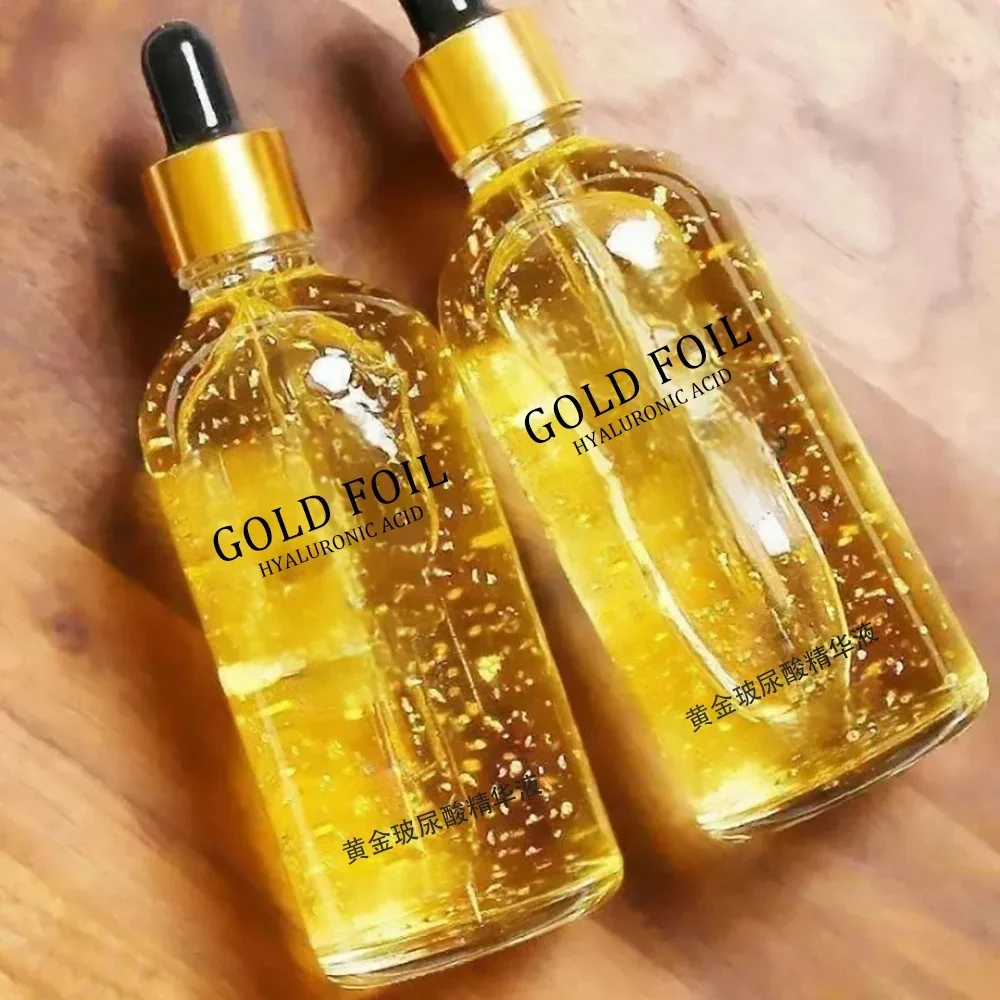


Browse skincare basics on Amazon
Cleansers, moisturisers and sunscreens, as an Amazon category search. We have not tested individual products.


