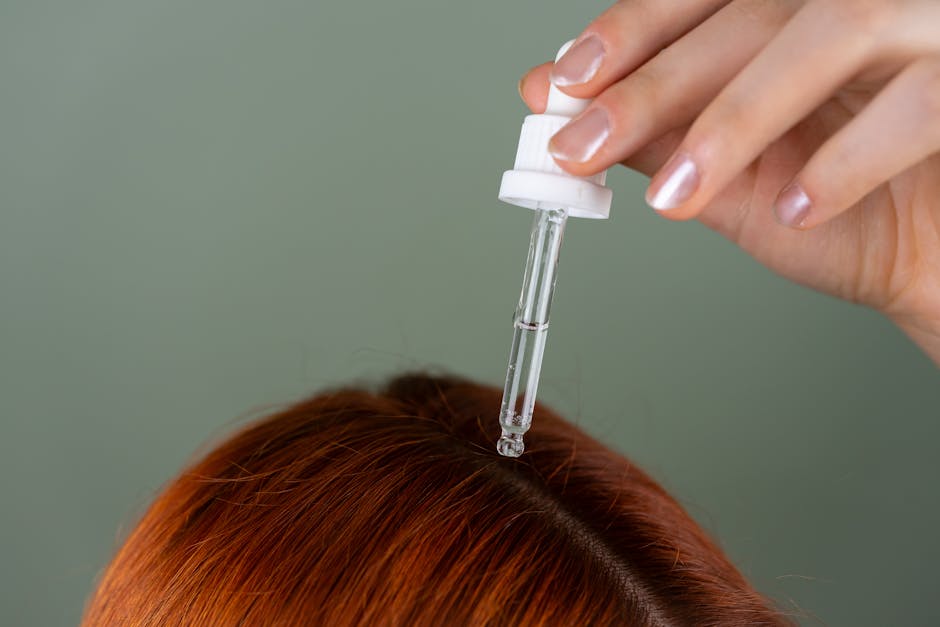
What’s really happening on your scalp
Sebum is the natural oil your sebaceous glands produce to protect hair and skin. When sebum production ramps up, hair can look slick within hours. But why does this happen so soon after washing? The answer lies in the biology of your scalp’s barrier and how it responds to disruption.
Sebaceous glands are densely packed on the scalp, more than anywhere else on the body. These glands secrete sebum composed of triglycerides, wax esters, squalene, and free fatty acids. The rate of secretion is influenced by androgens, particularly dihydrotestosterone (DHT), which binds to receptors on sebocytes and stimulates lipid synthesis. Hyaluronic acid and skin aging research highlights how lipid metabolism in the epidermis is tightly regulated, but the scalp’s higher gland density means even small shifts in hormonal signaling can lead to visible oiliness within a day.
Washing removes sebum, but it also strips the stratum corneum of its lipid matrix. This barrier disruption triggers a rebound effect: keratinocytes release inflammatory cytokines like IL-1α, which signal sebocytes to increase sebum production as a defensive response. The cycle isn’t broken by washing; it’s temporarily paused, then restarted faster than most people expect.
How washing habits shape oil production
Frequency matters. Daily washing may seem logical, but it can paradoxically worsen oiliness. Each wash removes lipids, forcing sebocytes into overdrive to restore the barrier. Over time, this can lead to hypertrophy of the sebaceous glands and a higher baseline sebum output. The Cleveland Clinic notes that over-cleansing can compromise the skin barrier, leaving it more vulnerable to irritation and reactive oil production.
Temperature plays a role too. Hot water dissolves sebum more aggressively than lukewarm water, but it also increases transepidermal water loss. The resulting dehydration signals the scalp to produce more oil to compensate. Lukewarm water preserves barrier lipids while still lifting dirt and excess sebum.
Product choice compounds the issue. Sulfate-based detergents aggressively strip lipids, while gentle surfactants like decyl glucoside or cocamidopropyl betaine clean without triggering rebound sebum synthesis. The American Academy of Dermatology emphasizes using non-comedogenic, fragrance-free cleansers to avoid unnecessary irritation that could drive oil overproduction.
Hormones and lifestyle: the hidden drivers
Androgens are the primary regulators of sebum. During puberty, rising DHT levels expand sebaceous glands and increase lipid output. This effect persists in adulthood, especially in people with polycystic ovary syndrome (PCOS) or insulin resistance, where androgen levels are chronically elevated. Stress amplifies this further: cortisol stimulates adrenal androgen production, which in turn boosts sebum secretion.
Diet influences hormonal signaling too. High-glycemic carbohydrates spike insulin and insulin-like growth factor-1 (IGF-1), both of which upregulate 5-alpha-reductase, the enzyme that converts testosterone to DHT. Dairy products, particularly skim milk, have been linked to increased IGF-1 levels in some studies, though the evidence is mixed and context-dependent. The key isn’t elimination, but balance: pairing carbs with protein and fiber slows glucose absorption, reducing IGF-1 surges.
Sleep deprivation disrupts cortisol rhythms, leading to higher nighttime androgen activity. Even one poor night can increase sebum output the next morning. Environmental factors like humidity and pollution also play a role: trapped particles on the scalp can irritate follicles, prompting localized inflammation and sebum overproduction.
What to do today: a practical routine
Start with the right cleanser. Choose a sulfate-free, pH-balanced shampoo designed for oily scalps. Look for ingredients like salicylic acid (0.5–2%) or niacinamide, which reduce sebum without over-stripping. Use it only on the scalp, not the lengths of your hair, to avoid unnecessary dryness.
Wash every other day if possible. On off days, use a gentle, water-soluble conditioner only on the mid-lengths and ends. If daily washing is unavoidable, alternate between a mild shampoo and a conditioning cleanser to minimize barrier disruption.
Rinse with lukewarm water for at least 30 seconds to ensure full removal of product residue. Pat, don’t rub, the scalp dry with a clean towel. Avoid blow-drying on high heat, which can further dehydrate the scalp and trigger oil rebound.
Apply a lightweight, non-comedogenic moisturizer or scalp serum after washing. Ingredients like panthenol or glycerin help restore the lipid barrier without clogging follicles. Avoid heavy oils like coconut or castor oil, which can sit on the scalp and worsen greasiness.
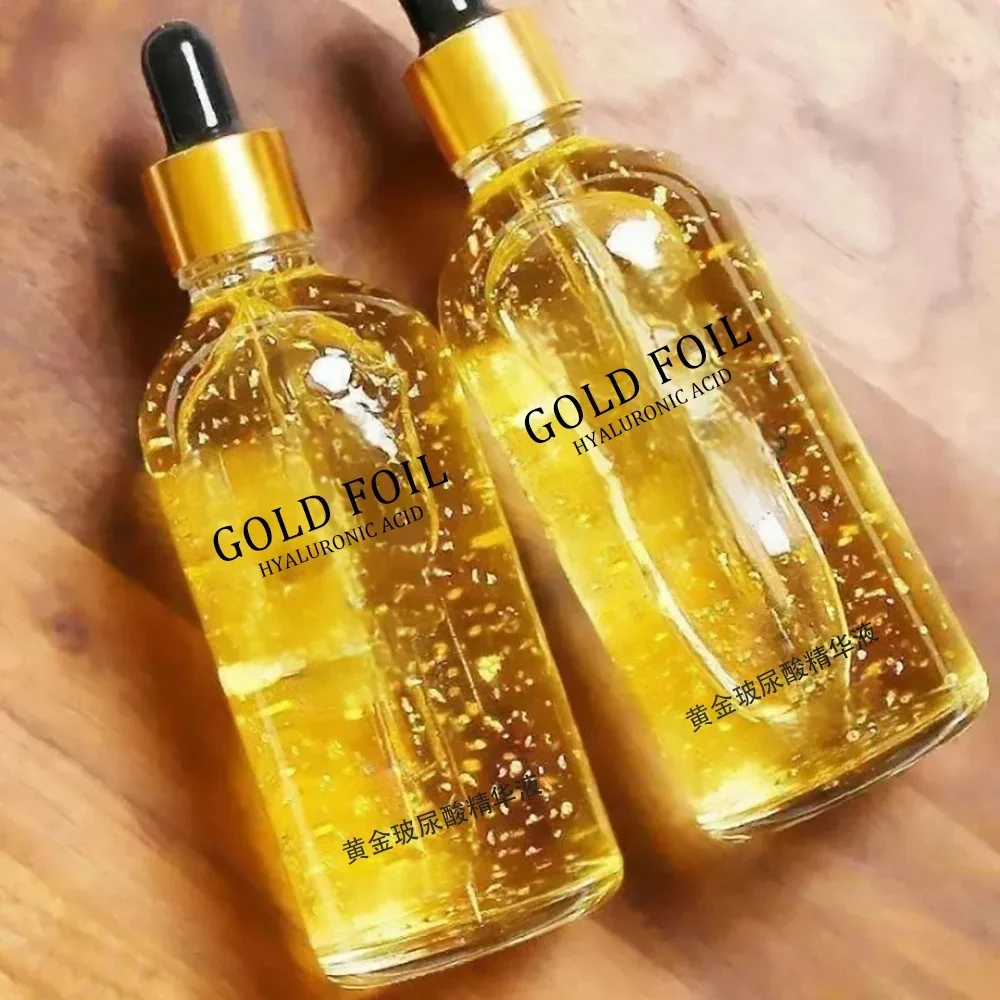
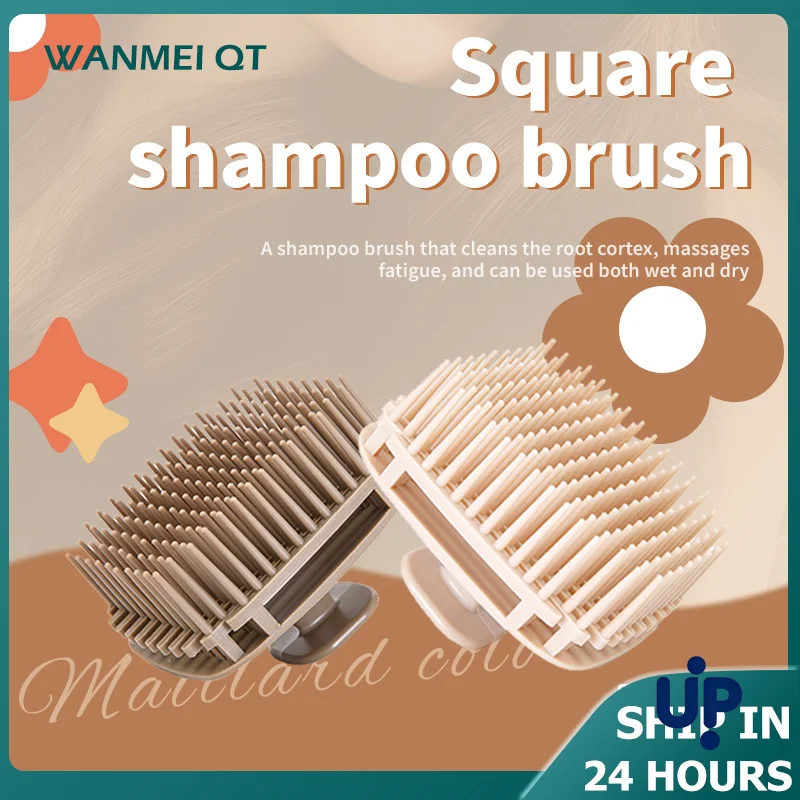
Recommended Skin & Hair Care Picks

Where people go wrong
Over-washing with harsh products. Aggressive shampoos strip lipids, triggering a rebound effect that leaves hair greasier within hours. The result? More washing, more damage, and a vicious cycle.
Using heavy styling products. Pomades, waxes, and some dry shampoos contain silicones or hydrocarbons that coat the hair and scalp, trapping sebum and accelerating oiliness. Opt for water-based or powder-based alternatives.
Ignoring scalp hygiene beyond washing. Sweat, environmental pollutants, and residual hair products accumulate between washes. A quick rinse with water or a gentle scalp wipe in the evening can reduce buildup without stripping the barrier.
Assuming oiliness means dirt. Greasy hair isn’t a hygiene issue; it’s a physiological response. Scrubbing harder or using more shampoo only worsens the problem by increasing irritation and barrier damage.
When to seek help
If oiliness persists despite these changes, consider medical evaluation. Seborrheic dermatitis, fungal overgrowth (Malassezia), or hormonal imbalances can mimic simple seborrhea. A dermatologist can assess gland activity, rule out conditions like PCOS, and recommend targeted treatments such as topical anti-androgens or antifungal agents.
Persistent itching, redness, or flaking alongside greasiness warrants professional attention. These symptoms suggest inflammation beyond normal sebum production and may require prescription-strength interventions.
Before you go
- Wash less often; every other day is ideal for most people.
- Use lukewarm water and sulfate-free shampoo, focusing only on the scalp.
- Balance high-glycemic foods with protein and fiber to moderate hormonal spikes.
- Choose lightweight, non-comedogenic products to support barrier repair.
- Monitor for signs of irritation or inflammation that may signal a deeper issue.
How this article was made
Researched and drafted with AI assistance, then screened by automated checks for originality, exaggerated claims and structure before publishing. No clinician reviewed it, and it is general information rather than medical advice. Read more at About us, or write to us if you spot an error.
Further Reading from Health Authorities
Advertising disclosure: the links below are affiliate links. We may earn a commission if you use them, at no extra cost to you. This does not change the article's content, and it is not a medical recommendation.
Browse skincare basics on Amazon
Cleansers, moisturisers and sunscreens, as an Amazon category search. We have not tested individual products.