You’re not alone in this feeling
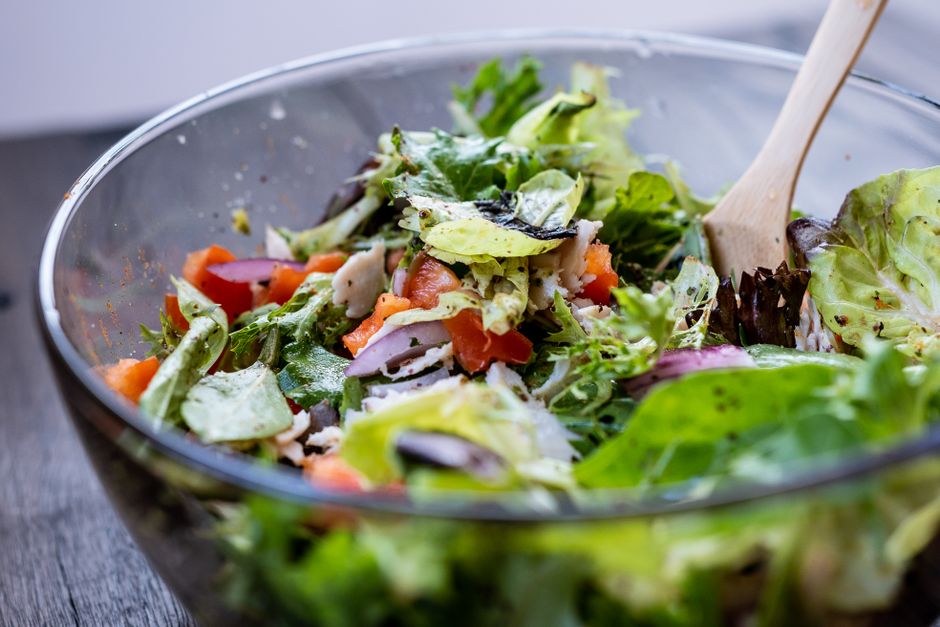
That post-lunch energy crash after a massive salad isn’t imaginary. It’s a real physiological response tied to what you ate, how much you ate, and how your body processes those nutrients. The problem isn’t the salad itself, it’s the mismatch between volume, fiber density, and the absence of key macronutrients that stabilize blood sugar. A bowl of greens, tomatoes, and cucumbers is nutrient-dense, but without enough protein, fat, or complex carbohydrates, your body lacks the raw materials to maintain steady energy.
Energy balance still dictates outcomes. If the salad displaces other foods your body expects for fuel, the deficit shows up as fatigue. Context matters here. A 20-cup kale and spinach salad with 100 calories of dressing won’t sustain you the way a balanced meal will. The issue isn’t the vegetables, it’s the structural imbalance in the meal.
Is it the fiber slowing you down?
Fiber is essential for gut health and satiety, but too much at once can delay gastric emptying, leaving food sitting in your stomach longer. Soluble fiber, found in carrots, apples, and oats, forms a gel-like substance that slows digestion. Insoluble fiber, abundant in raw leafy greens, adds bulk without breaking down quickly. Together, they can stretch your stomach’s capacity and trigger a temporary drop in blood flow to the gut as it works overtime to process the load.
This isn’t a flaw in fiber itself. It’s a volume issue. A single cup of spinach has about 0.7 grams of fiber. A 4-cup salad? Nearly 3 grams. Add chickpeas, avocado, and nuts, and you’re pushing 10 grams or more. For some people, especially those unaccustomed to high-fiber meals, that sudden influx can trigger a reflexive dip in alertness as the body prioritizes digestion over cognitive function.
But here’s the nuance: fiber doesn’t cause fatigue directly. It’s the downstream effect of delayed nutrient absorption and increased oxygen demand in the gut. The body redirects blood flow to the digestive system, temporarily reducing cerebral perfusion. That’s why you feel mentally foggy, not because the salad is bad, but because the meal wasn’t engineered for sustained energy.
Where the protein and fat come in
Protein and fat don’t just add calories, they change how your body handles the meal. Protein stimulates the release of peptide YY and glucagon-like peptide-1 (GLP-1), hormones that slow gastric emptying and enhance satiety. Fat triggers cholecystokinin (CCK), another satiety peptide, while also providing a concentrated energy source that stabilizes blood glucose.
Without these, a high-volume salad becomes a fiber bomb with minimal caloric density. Your stomach stretches, digestion slows, and blood sugar dips as glucose is absorbed gradually, or not at all if the meal lacks sufficient carbohydrates to replenish glycogen. The result? A postprandial dip in energy that feels indistinguishable from hunger, even though you just ate.
This isn’t speculation. Studies on meal composition consistently show that protein at breakfast reduces later snacking for many people. The mechanism isn’t magic, it’s peptide signaling and substrate availability. A salad with grilled chicken, olive oil, and quinoa doesn’t just taste better; it performs better metabolically.
Could it be the dressing?
Dressings matter more than you think. A tablespoon of olive oil delivers 120 calories of fat, which slows gastric emptying and promotes satiety. But a low-fat dressing with 50 calories of sugar can spike insulin, leading to a rapid drop in blood glucose and a subsequent crash. The type of fat also plays a role. Monounsaturated fats (like those in olive oil) improve insulin sensitivity, while polyunsaturated fats (like soybean oil) may promote inflammation in some individuals.
Watch out for hidden sugars in commercial dressings. A single serving of a sweet vinaigrette can contain 8 grams of sugar, nearly two teaspoons. That’s enough to trigger a glycemic spike in sensitive individuals, especially when consumed on an empty stomach or with a meal lacking protein.
The solution isn’t to avoid dressing entirely. It’s to choose wisely. A drizzle of extra-virgin olive oil, a squeeze of lemon, and a pinch of salt can transform a salad from a digestive burden into a balanced meal. The fat isn’t just flavor, it’s fuel.
Are you eating enough calories?
Caloric deficit drives fatigue, regardless of food quality. A 300-calorie salad won’t sustain someone with a 2,000-calorie daily requirement. The body interprets this as a stressor, triggering cortisol release and a subsequent drop in energy. This is especially true for active individuals or those in a calorie-controlled diet.
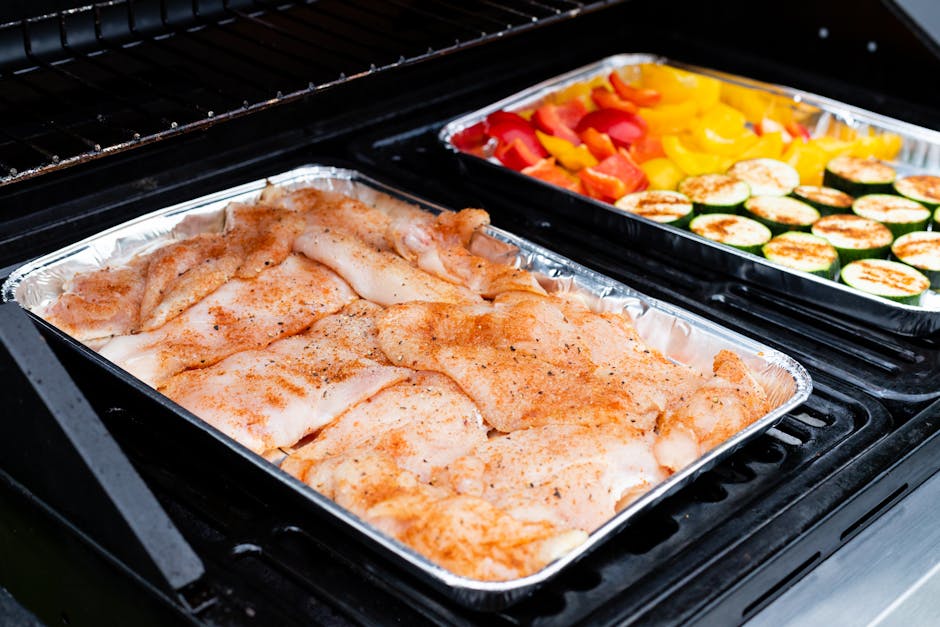
But here’s the catch: eating more isn’t always the answer. The goal is to eat smarter. Adding 100 grams of grilled chicken to a salad increases calories by 165 and protein by 31 grams, enough to shift the meal from a digestive challenge to a metabolic asset. The same logic applies to healthy fats like avocado or nuts. Small additions create outsized metabolic benefits.
This isn’t about overeating. It’s about meal engineering. A salad should be a vehicle for nutrients, not a calorie void. If you’re consistently sluggish after lunch, the issue may not be the salad, it may be the absence of what your body actually needs to function.
Does timing play a role?
Lunch timing interacts with circadian biology. Eating a large, low-protein meal in the early afternoon can coincide with a natural dip in alertness tied to the postprandial dip in core body temperature. This isn’t psychological, it’s physiological. The body’s thermoregulatory system slows after a meal, and if the meal lacks thermal-generating nutrients (like protein), the effect is more pronounced.
This doesn’t mean you should skip lunch. It means you should structure it to align with your body’s energy demands. A protein-rich lunch eaten between 12 and 2 PM supports the body’s natural anabolic window, when muscle protein synthesis peaks. A high-fiber, low-protein salad eaten at 3 PM may not.
The takeaway? Timing isn’t destiny, but it’s a factor. Pair your meal with your body’s rhythms, not against them.
Recommended Health & Fitness Gear



Myth: Salads are always the healthiest choice
This is the wellness industry’s most persistent fiction. A salad isn’t inherently healthy, it’s only as healthy as what you put in it. A bowl of iceberg lettuce, croutons, and ranch dressing is nutritionally barren. A salad with grilled salmon, spinach, and olive oil is a metabolic powerhouse.
The myth persists because we associate volume with virtue. More greens = more health. But volume without nutrient density is just bulk. The body doesn’t reward you for eating more leaves, it rewards you for eating the right leaves, in the right proportions, with the right accompaniments.
This isn’t anti-salad propaganda. It’s metabolic realism. A salad can be a cornerstone of a healthy diet, but only if it’s built to sustain you, not just impress your Instagram followers.
What to eat instead (without giving up greens)
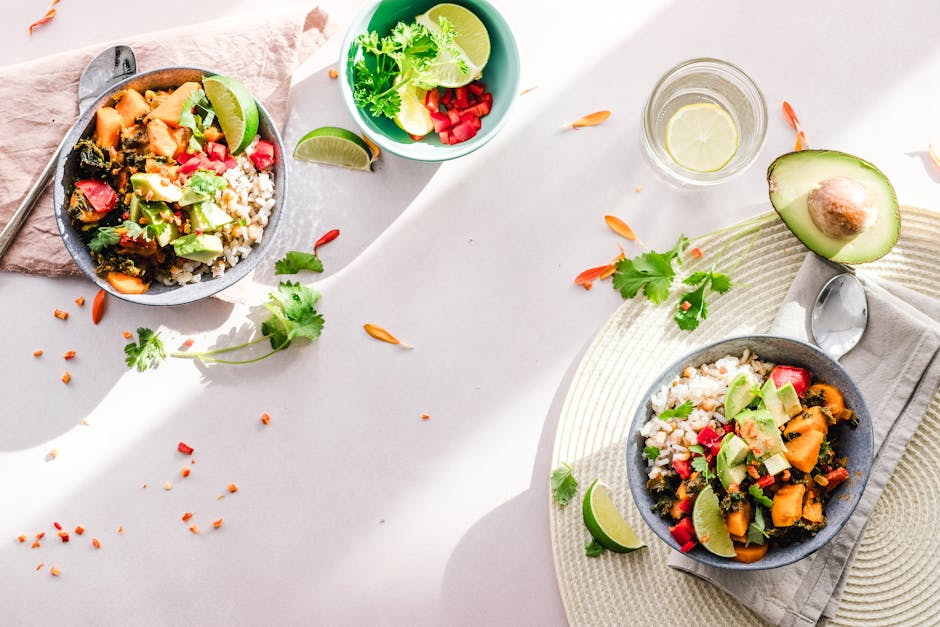
You don’t need to abandon salads. You need to upgrade them. Start with a base of leafy greens, then layer in protein, healthy fats, and complex carbohydrates. The ratios matter less than the presence of all three.
- Protein: Grilled chicken, tofu, lentils, or hard-boiled eggs. Aim for at least 20 grams per meal.
- Healthy fats: Avocado, olive oil, nuts, or seeds. A thumb-sized portion is enough.
- Complex carbs: Quinoa, sweet potato, or roasted vegetables. These prevent the blood sugar crash that follows a fiber-only meal.
- Volume control: Fill half your plate with vegetables, a quarter with protein, and a quarter with carbs. This prevents the salad-from-hell scenario where you’re left hungry an hour later.
If you love big salads, try the “salad bowl” approach: start with a smaller base of greens, add protein and fat first, then top with vegetables. This ensures you’re eating for satiety, not just volume.
Another trick? Eat the protein and fat first. This triggers satiety hormones before you dive into the fiber-rich greens, reducing the risk of overeating and post-meal fatigue.
Hydration and the hidden factor
Dehydration amplifies post-meal fatigue. Fiber draws water into the gut, and if you’re not drinking enough, the digestive system competes with the brain for fluid. This isn’t just thirst, it’s a physiological tug-of-war. A large salad without adequate water can leave you feeling bloated and sluggish, even if you’re technically hydrated.
The solution? Drink a glass of water before your meal, and sip throughout. Herbal tea or electrolyte water can help, especially if you’re active or live in a dry climate. The goal isn’t to drown your salad, it’s to support the digestive process.
When to suspect something else
If fatigue persists despite balanced meals, consider other factors. Iron deficiency, vitamin B12 insufficiency, or thyroid dysfunction can mimic post-meal sluggishness. These aren’t diagnosed by a salad swap, they require lab work and clinical evaluation.
But for most people, the issue isn’t medical. It’s mechanical. The body responds to what you feed it. A salad is a tool, not a rule. Use it wisely.
Before you go: Small changes, big results
You don’t need a complete diet overhaul. Start with one meal. Swap your next big salad for a balanced plate with protein, fat, and fiber. Track how you feel for three days. Notice the difference? Scale up. Still sluggish? Adjust the portions or timing.
The goal isn’t perfection, it’s progress. A meal that leaves you energized is a meal that works. The rest is just noise.
Quick checklist for your next salad
- Does it have at least 20 grams of protein?
- Does it include a thumb-sized portion of healthy fat?
- Is the volume reasonable for your caloric needs?
- Are you drinking enough water?
- Did you eat the protein and fat first?
Answer yes to all five, and you’re not just eating a salad, you’re fueling your day.
Further Reading from Health Authorities
- Harvard T.H. Chan School of Public Health -- The Nutrition Source
- MedlinePlus (U.S. National Library of Medicine)
How this article was made
Researched and drafted with AI assistance, then screened by automated checks for originality, exaggerated claims and structure before publishing. No clinician reviewed it, and it is general information rather than medical advice. Read more at About us, or write to us if you spot an error.
Advertising disclosure: the links below are affiliate links. We may earn a commission if you use them, at no extra cost to you. This does not change the article's content, and it is not a medical recommendation.
Browse kitchen and portion tools on Amazon
Food scales, portion containers and measuring sets, as an Amazon category search. We have not tested individual products.