Table of Contents
Why weekends mess with your diet (and it’s not just you)
Ever notice how Monday feels like a fresh start—until you realize your weekend eating habits just tagged along? I’ve been there. One too many slices of pizza on Saturday night, a lazy Sunday brunch that somehow turned into a three-course meal, and suddenly Monday’s salad feels like punishment. But here’s the thing: it’s not about guilt. It’s about biology.
Weekends often throw off our usual routines—later bedtimes, bigger portions, and more treats. A 2016 study in the Journal of Clinical Medicine found that people tend to consume about 200 extra calories per day on weekends compared to weekdays. That might not sound like much, but over a year, that’s roughly 10 pounds of extra weight. The kicker? Most of us don’t even realize we’re doing it.
So what’s the fix? It’s not about punishing yourself—it’s about recalibrating. Here’s how I reset after a weekend without feeling like I’m starting from scratch.
Start with hydration, not restriction
Before you swear off carbs or count calories, try this: drink 16 ounces of water first thing in the morning. I know, it sounds basic. But dehydration can masquerade as hunger, making that leftover slice of cake look way more appealing than it should. Add a squeeze of lemon or a few slices of cucumber if plain water feels boring.
Then, focus on fiber. A high-fiber breakfast—think oatmeal with berries or avocado toast on whole grain—helps stabilize blood sugar and keeps cravings in check. The Harvard Healthy Eating Plate recommends filling half your plate with veggies, and that’s especially smart post-weekend. A simple omelet with spinach and mushrooms or a smoothie with kale and banana can reset your system without feeling restrictive.
Move your body, not just your fork
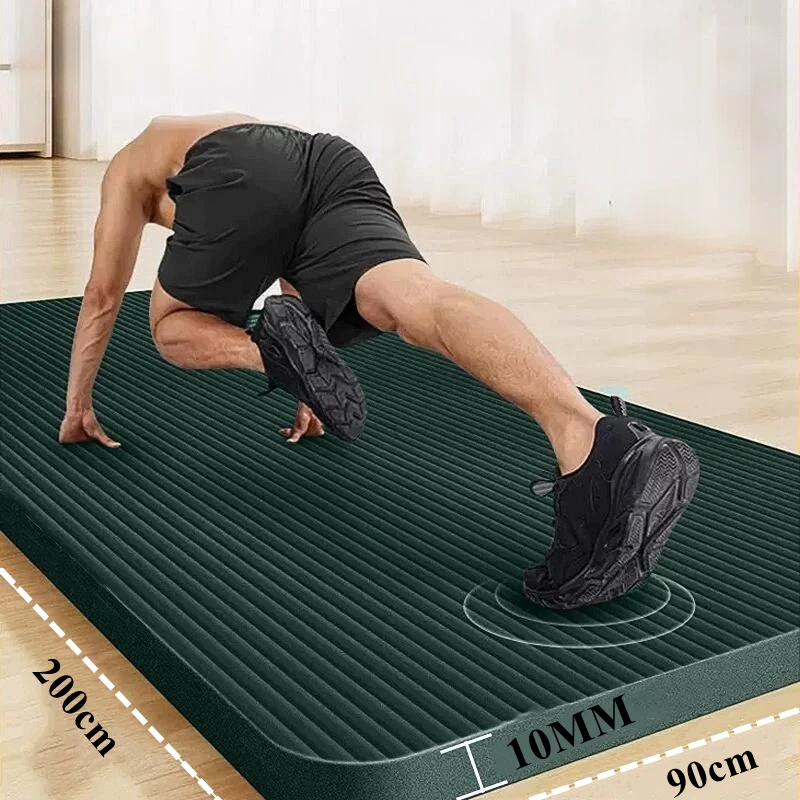
You don’t need a grueling gym session to undo weekend damage. A 20-30 minute walk after your biggest meal can help regulate blood sugar and digestion. I’ve found that a post-breakfast stroll makes me crave lighter foods the rest of the day. If you’re feeling ambitious, a quick bodyweight circuit—squats, push-ups, and lunges—can boost your metabolism without overdoing it.
But here’s the real secret: consistency beats intensity. Skipping a workout because you didn’t “earn” it is a slippery slope. Instead, aim for movement you enjoy—yoga, dancing, even gardening. The goal isn’t to burn off the weekend; it’s to remind your body that balance matters.
Reset your plate with these simple swaps
Instead of overhauling your diet overnight, try these small tweaks:
- Swap creamy sauces for herbs and citrus. A creamy Alfredo sauce can pack 300+ calories. Try tossing pasta with olive oil, garlic, and fresh basil instead. You’ll save calories and feel lighter.
- Choose whole foods over processed snacks. That bag of chips might be calling your name, but a handful of almonds and an apple will keep you full longer. The Mayo Clinic notes that whole foods are more satiating because of their fiber and protein content.
- Prioritize protein at every meal. Aim for 20-30 grams per meal to curb cravings. Greek yogurt with nuts, grilled chicken with roasted veggies, or scrambled eggs with turkey bacon are easy wins.
Let go of the all-or-nothing mindset
I’ll admit it: I used to think one “bad” meal meant the whole day was ruined. Then I realized that mindset was doing more harm than the weekend indulgence itself. A single meal won’t derail your progress—it’s the pattern that matters. So if you overdid it at dinner, don’t write off the next day. Just reset at your next meal.
This isn’t about perfection. It’s about progress. One of my clients once told me, “I don’t want to be perfect; I just want to feel like I’m in control.” That’s the sweet spot.
What about alcohol? It’s the weekend’s sneakiest saboteur.
Alcohol dehydrates you, disrupts sleep, and lowers inhibitions—meaning you’re more likely to overeat. If you had a few drinks, pair your next meal with extra water and electrolytes. And skip the sugary mixers next time; they’re a calorie bomb. A glass of wine has about 120 calories, but a vodka soda with lime? Only 100. Small choices add up.
Give yourself 48 hours to recalibrate
Here’s my rule: after a weekend of indulging, I give myself until Tuesday to get back on track. That’s two days to hydrate, move, and eat nourishing foods—not to punish myself, but to reset. By Tuesday, I’m back to my usual routine, and the weekend feels like a blip, not a setback.
This isn’t about deprivation. It’s about balance. And yes, I still enjoy my weekends. I just don’t let them derail my health goals for the long run.
FAQ
Is it okay to skip breakfast if I’m not hungry?
Absolutely. If you’re not hungry, don’t force it. But if you are, opt for something protein-rich to keep cravings at bay. A smoothie with protein powder or a couple of eggs with avocado can help stabilize your appetite.
How do I stop craving junk food after a weekend?
Cravings often stem from blood sugar spikes and crashes. Eating balanced meals with protein, fiber, and healthy fats can help. Also, staying hydrated reduces false hunger signals. Sometimes, a small square of dark chocolate (70% cocoa or higher) can satisfy a sweet tooth without derailing your progress.
Should I weigh myself after a weekend of indulging?
Weighing yourself can be misleading. Water retention from extra sodium or alcohol can add a few pounds overnight, but it’s not fat. Instead, focus on how your clothes fit or how you feel. If you must weigh yourself, do it first thing in the morning after using the bathroom.
Key Takeaways
- Hydrate first thing in the morning to curb false hunger.
- Prioritize fiber and protein to stabilize blood sugar and reduce cravings.
- Move your body in ways that feel enjoyable, not punishing.
- Small, sustainable swaps beat drastic overhauls.
- Give yourself 48 hours to reset—no guilt required.
Medically Reviewed & Fact-Checked
This article has been reviewed and fact-checked by a Registered Dietitian (RD) to ensure compliance with evidence-based scientific guidelines and professional health standards.
Recommended Health & Fitness Gear