Why weekends derail your diet (and how to fix it without starting Monday)
Look, I get it. You spent all week eating clean, logging meals, and resisting the office donuts. Then Friday hits, and suddenly it’s like your brain flips a switch. One slice of pizza turns into three. One glass of wine turns into the whole bottle. And by Sunday night, you’re staring at the scale wondering what went wrong.
Here’s the thing: it’s not a moral failing. Weekends are designed to be different—social events, family dinners, late nights, and yes, sometimes indulgence. The problem isn’t the occasional treat; it’s when those treats snowball into a full-blown binge that leaves you feeling sluggish, bloated, and defeated before Monday even starts.
So how do you hit reset without diving into extreme detoxes or punishing yourself with a week of kale smoothies? It’s all about strategic recovery—small, sustainable tweaks that help you bounce back without guilt or deprivation. Think of it like hitting the brakes gently instead of slamming them.
Step 1: Hydrate like your weekend depended on it (because it kind of did)
Alcohol, salty foods, and late-night snacks can leave you feeling like a deflated balloon by Sunday. The fix? Water. Not sparkling water with artificial flavors, not those fancy electrolyte packets—just plain old water. Aim for at least half your body weight (in pounds) in ounces. So if you weigh 150 lbs, that’s 75 ounces, or about nine cups.
Pro tip: Keep a large water bottle with you all day. I keep a 32-ounce tumbler on my desk, and I refill it every time I walk past the kitchen. It’s not glamorous, but it works. If plain water feels boring, try infusing it with cucumber, lemon, or mint. Just skip the sugary “detox” waters—they’re basically soda in disguise.
If you’re craving something warm, herbal tea is your best friend. Peppermint tea helps with digestion, chamomile calms your nervous system, and ginger tea settles your stomach. Plus, it’s a cozy way to wind down without derailing your progress.
For a deeper dive on how hydration affects weight loss, check out our guide Drink Your Way Slim: How Water Boosts Weight Loss Naturally.
Step 2: Eat like you’re fueling a marathon, not a sprint
After a weekend of indulgence, your body isn’t just hungry—it’s nutrient-depleted. That means it’s craving quick fixes (hello, sugar and refined carbs) to replenish what it’s missing. Instead of giving in, focus on foods that stabilize blood sugar and replenish electrolytes.
Start with a balanced breakfast. Skip the “I’ll just have toast” mentality—it’ll leave you starving by 10 a.m. Instead, pair protein with fiber and healthy fats. Think:
- Greek yogurt with berries and a sprinkle of granola
- Avocado toast on whole-grain bread with a fried egg on top
- Oatmeal with almond butter, chia seeds, and a drizzle of honey
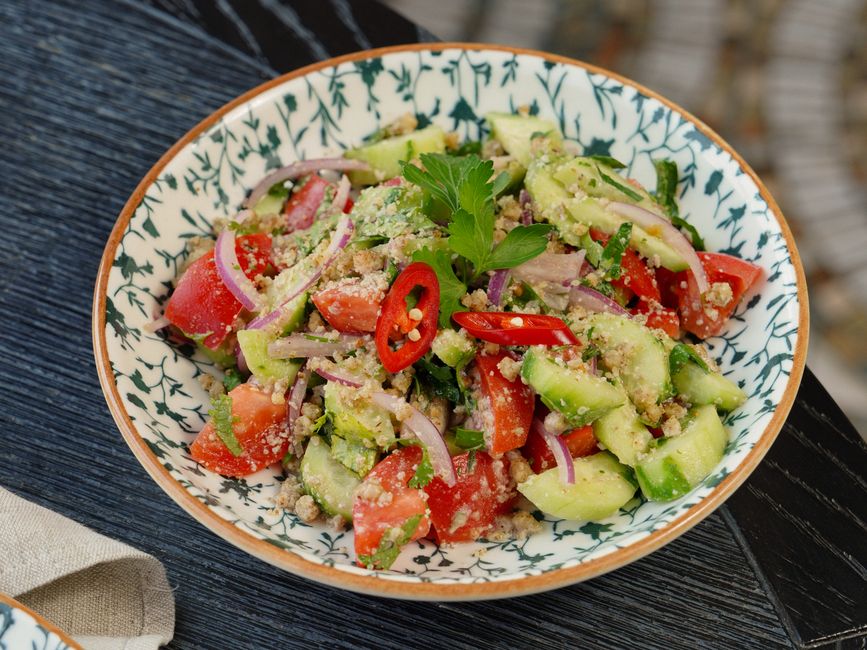
Lunch and dinner should follow the same rule: lean protein, complex carbs, and plenty of veggies. A simple grilled chicken salad with quinoa, cherry tomatoes, and a lemon-olive oil dressing is a great way to reset without feeling deprived. If you’re craving comfort food, try swapping pasta for zucchini noodles or cauliflower rice. You’ll still get that carb fix without the post-meal crash.
And yes, you can still enjoy your favorite foods—just in moderation. If you had pizza Friday night, don’t skip dinner Saturday just to “make up” for it. That’s a recipe for a binge later. Instead, balance it out with lighter meals the next day.
Step 3: Move in ways that feel good, not punishing
I know the drill: “I ate too much, so I need to burn it off.” But forcing yourself into a brutal workout after a weekend of indulgence sets you up for burnout. Instead, focus on movement that feels good—something that boosts your mood without draining your energy.
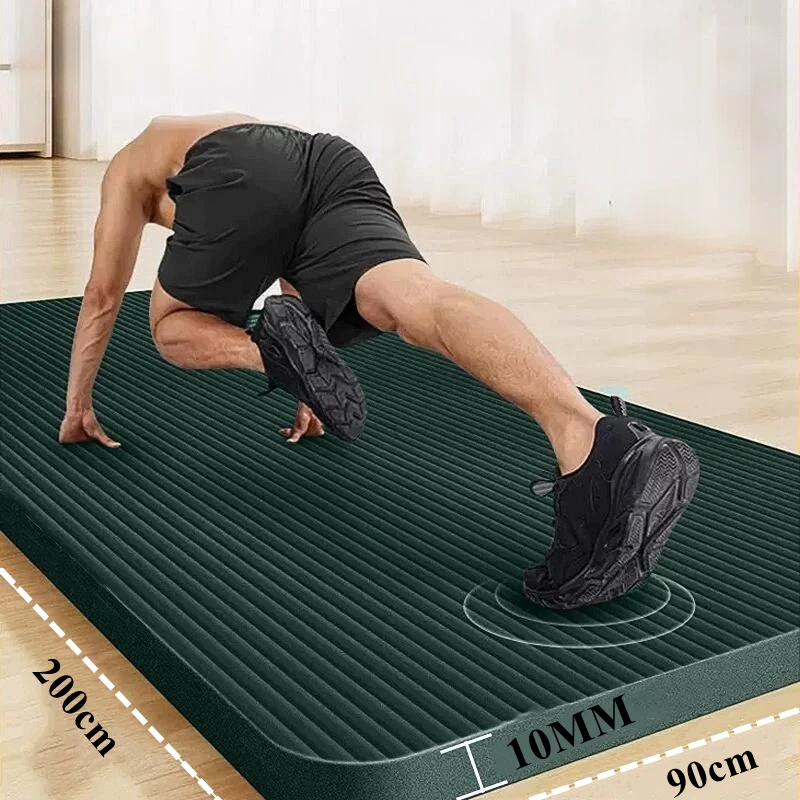
Try a 20-minute walk outside. Fresh air does wonders for digestion and mental clarity. Or, if you’re feeling ambitious, a gentle yoga flow or a swim can help reset your system. The key is to listen to your body. If you’re sore or tired, opt for something low-impact. If you’re feeling restless, a brisk walk or a dance session in your living room can help.
For a workout that actually helps you burn fat while you sleep, check out The Science-Backed Workout That Burns Fat While You Sleep.
Step 4: Sleep like it’s your job (because it kind of is)
Late nights and inconsistent sleep are the sneakiest diet saboteurs. When you’re sleep-deprived, your hunger hormones go haywire—ghrelin (the “I’m hungry” hormone) spikes, and leptin (the “I’m full” hormone) plummets. That’s a one-way ticket to cravings-ville.
If you partied a little too hard Friday night, prioritize sleep Saturday. Aim for 7-9 hours, and try to keep a consistent bedtime. If you’re struggling to wind down, try:
- Reading a book (not scrolling on your phone)
- Taking a warm shower or bath
- Sipping chamomile tea
- Doing a 10-minute meditation or deep-breathing exercise
And yes, naps count. If you’re exhausted, a 20-minute power nap can work wonders for your energy and mood.
What to avoid this weekend
Now that we’ve covered what to do, let’s talk about what not to do. These are the sneaky habits that can turn a weekend reset into a full-blown setback:
- Skipping meals to “make up” for overeating. This backfires every time. Your body needs fuel to function, and skipping meals slows your metabolism and increases cravings.
- Drinking your calories. Cocktails, soda, and sugary coffee drinks add up fast. Stick to water, herbal tea, or black coffee most of the time.
- Over-restricting Monday morning. If you ate a little extra this weekend, don’t punish yourself with a week of kale and grilled chicken. Balance is key.
Real talk: My own weekend reset fail (and how I fixed it)
A few months ago, I went to a friend’s birthday party on a Saturday night. I ate two slices of cake, drank a glass of wine, and stayed out way too late. Sunday morning, I woke up feeling gross—bloated, sluggish, and annoyed with myself. My first thought? “I need to do a juice cleanse.”
But here’s the thing: I know myself. Juice cleanses make me hangry by noon, and I end up bingeing by dinner. So instead, I did the opposite of what my brain was screaming at me. I ate a big, balanced breakfast (scrambled eggs with spinach and whole-grain toast), went for a 30-minute walk, and drank three glasses of water before noon. I didn’t restrict—I just focused on nourishing my body.
By Sunday night, I felt like myself again. No guilt, no extreme measures, just a gentle reset. The best part? I didn’t dread Monday. I was ready to tackle the week with energy and confidence.
FAQ: Your weekend diet recovery questions, answered
Is it okay to have a cheat meal on the weekend?
Absolutely. In fact, it’s healthy. Restriction leads to binges, so allowing yourself a treat (or two) can actually help you stay on track long-term. The key is balance. If you’re eating clean all week, one indulgent meal won’t derail your progress. Just don’t let it turn into a cheat weekend.
How do I stop feeling guilty after overeating?
Guilt is the worst diet killer. Instead of beating yourself up, ask yourself: “What can I do to feel better now?” Hydrate, move gently, and eat a balanced meal. Remind yourself that one meal (or even one day) doesn’t define your progress. It’s what you do consistently that matters.
Should I weigh myself after a weekend of indulgence?
Skip the scale. Water retention, digestion, and hormones can all affect your weight, making it an unreliable measure of progress. Instead, focus on how you feel—energy levels, digestion, and mood. If you’re bloated, hydrate and eat light. If you’re tired, prioritize sleep. The scale will catch up when your body is ready.
Key takeaways
- Hydration is your best friend. Water, herbal tea, and electrolyte-rich foods help flush out bloat and reset your system.
- Balance your meals. Protein, fiber, and healthy fats keep you full and energized without deprivation.
- Move gently. A walk, yoga, or swim helps digestion and mood without burning you out.
- Prioritize sleep. Late nights and poor sleep spike hunger hormones and sabotage your progress.
- Skip the guilt. One indulgent meal (or weekend) doesn’t ruin your progress. Focus on what you can do to feel better now.
Weekend diet recovery isn’t about punishment—it’s about gentle reset. You don’t have to earn your food or suffer to “make up” for indulgence. Instead, focus on small, sustainable habits that help you bounce back without guilt. That’s how you build a healthy relationship with food for the long haul.
Scientific References & Authority Sources
Recommended Health & Fitness Gear