
Why Fiber Is the Unsung Hero of Appetite Control and Fat Loss
Fiber is often framed as a digestive aid or a tool for regularity, but its role in weight management extends far beyond that. Clinical research consistently links higher fiber intake to improved satiety, reduced calorie intake, and more favorable body composition. Unlike macronutrients such as protein or fat, fiber does not provide direct energy, yet it exerts outsized influence over hunger hormones, gut signaling, and even post-meal glucose responses. This article examines the mechanisms behind fiber’s effects on satiety and fat loss, identifies the most effective types of fiber for these purposes, and provides a practical roadmap for integrating them into a sustainable eating pattern.
The Science of Satiety: How Fiber Alters Hunger and Fullness
Satiety, the feeling of fullness that persists after eating, is regulated by a complex interplay of neural, hormonal, and mechanical signals. Fiber contributes to satiety through several well-documented pathways. First, it increases gastric distension by absorbing water and forming a viscous gel in the stomach, which triggers mechanoreceptors that signal fullness to the brain. Second, fermentable fibers, particularly soluble fibers like beta-glucan and pectin, are metabolized by gut bacteria into short-chain fatty acids (SCFAs) such as butyrate, propionate, and acetate. These SCFAs stimulate the release of satiety hormones including peptide YY (PYY) and glucagon-like peptide-1 (GLP-1), both of which slow gastric emptying and reduce appetite.
Fiber also modulates the secretion of hunger-stimulating hormones. Higher fiber intake is associated with lower levels of ghrelin, the hormone that signals hunger between meals. It is also worth noting that fiber’s impact on appetite regulation was most pronounced when consumed in whole-food forms rather than isolated supplements, suggesting that matrix effects, how fiber interacts with other nutrients in food, play a critical role in its efficacy.
Soluble vs. Insoluble Fiber: Which Matters More for Weight Loss?
Not all fiber is created equal when it comes to appetite control and fat loss. The two main categories, soluble and insoluble, serve distinct physiological roles, and their effects on satiety differ accordingly.
Soluble fiber dissolves in water to form a gel-like substance. It slows digestion, stabilizes blood sugar, and enhances the release of satiety hormones. Foods rich in soluble fiber include oats, barley, legumes, apples, citrus fruits, and flaxseeds. Adding a solid daily dose of soluble fiber tends to shave calorie intake at subsequent meals within a couple of weeks. The effect was attributed to delayed gastric emptying and increased PYY secretion.
Insoluble fiber, by contrast, does not dissolve in water and adds bulk to stool. While it is essential for digestive health and regularity, its direct impact on satiety is less pronounced. However, insoluble fiber can still contribute to weight management by displacing calorie-dense foods from the diet and promoting a sense of fullness through sheer volume. Whole grains, nuts, seeds, and many vegetables contain both types of fiber, making them ideal choices for a weight-conscious diet.
For optimal satiety and fat loss, prioritize foods that deliver both soluble and insoluble fiber in their natural forms. The Harvard T.H. Chan School of Public Health recommends aiming for at least 25 grams of total fiber per day for women and 38 grams for men, with an emphasis on whole-food sources. Source: Harvard T.H. Chan School of Public Health
Beyond Satiety: Fiber’s Role in Fat Oxidation and Energy Balance
Fiber’s benefits extend beyond appetite suppression. It also influences energy balance by altering substrate oxidation, the body’s preference for burning fat versus carbohydrate. Soluble fibers, particularly viscous types like glucomannan and psyllium, have been shown to reduce postprandial glucose spikes and insulin secretion. Lower insulin levels favor fat oxidation, as insulin promotes fat storage in adipose tissue. Viscous fiber supplementation produces modest but real reductions in body weight and visceral fat, likely via improved insulin sensitivity and reduced energy intake.
Fiber also supports gut microbiome diversity, which has been linked to leanness and metabolic health. A healthy microbiome produces SCFAs that enhance energy expenditure by upregulating the expression of genes involved in fat oxidation. Additionally, certain gut bacteria metabolize fiber into compounds that may reduce inflammation, a key driver of insulin resistance and obesity-related metabolic dysfunction.
Common Myths About Fiber and Weight Loss
Myth: All fiber supplements are equally effective for weight loss.
While supplements like psyllium husk or glucomannan can aid satiety, their effects are not universally superior to whole-food sources. Whole foods produced greater reductions in appetite and subsequent calorie intake. The difference likely stems from the food matrix, whole foods contain additional nutrients, antioxidants, and fiber subtypes that work synergistically. Supplements may be useful for individuals unable to meet fiber needs through diet, but they should not replace whole-food sources.
Myth: Eating more fiber automatically leads to weight loss.
Fiber’s effects on weight loss are context-dependent. If fiber is added to a diet without reducing overall calorie intake, the net effect on body weight may be minimal. Fiber’s primary benefit is appetite control, which can facilitate a calorie deficit when combined with other dietary and lifestyle strategies. Additionally, some high-fiber foods, such as dried fruits or granola, are calorie-dense and may contribute to excess energy intake if portion sizes are not controlled. The key is to use fiber as a tool to displace higher-calorie foods rather than simply adding it on top of an existing diet.
Practical Action Plan: A 7-Day Fiber-Focused Weight Loss Protocol
The following plan is designed to gradually increase fiber intake while optimizing satiety and minimizing digestive discomfort. It assumes a baseline fiber intake of 15–20 grams per day and progresses to 30–35 grams. Adjust portion sizes based on individual tolerance and energy needs.
Phase 1: Foundation (Days 1–3)
- Breakfast: ½ cup cooked steel-cut oats (4g fiber) topped with 1 tbsp chia seeds (5g fiber) and ½ cup blueberries (2g fiber). Total: 11g fiber.
- Snack: 1 medium apple (4g fiber) with 1 tbsp almond butter (1g fiber). Total: 5g fiber.
- Lunch: 2 cups mixed greens (2g fiber) with ½ cup chickpeas (6g fiber), ¼ avocado (3g fiber), and 1 tbsp pumpkin seeds (1g fiber). Total: 12g fiber.
- Dinner: 4 oz grilled salmon, 1 cup roasted Brussels sprouts (4g fiber), and ½ cup quinoa (2g fiber). Total: 6g fiber.
- Daily total: ~34g fiber.
Phase 2: Expansion (Days 4–7)
- Breakfast: 1 cup cooked lentils (16g fiber) with 1 cup sautéed spinach (1g fiber) and 1 tbsp tahini (1g fiber). Total: 18g fiber.
- Snack: ¼ cup roasted edamame (5g fiber) and 1 small pear (3g fiber). Total: 8g fiber.
- Lunch: 1 cup cooked barley (6g fiber) with ½ cup black beans (8g fiber), 1 cup diced bell peppers (2g fiber), and 1 tbsp olive oil. Total: 16g fiber.
- Dinner: 4 oz grilled chicken, 1 cup roasted broccoli (3g fiber), and ½ cup mashed sweet potato (3g fiber). Total: 6g fiber.
- Daily total: ~48g fiber.
Troubleshooting Protocol
If you experience bloating, gas, or loose stools:
- Gradual increase: Add no more than 5 grams of fiber per day to avoid digestive distress.
- Hydration: Increase water intake by 8–16 oz when increasing fiber, as fiber absorbs water in the colon.
- Food pairing: Combine high-fiber foods with healthy fats or protein to slow digestion and reduce fermentation in the gut.
- Tolerance timing: Introduce new high-fiber foods in the morning or at lunch to allow for adjustment by evening.
- Supplement support: Consider a low-dose psyllium husk supplement (1–2 grams) with meals if whole-food sources are insufficient.
Fiber and Lifestyle: Synergies for Sustainable Weight Loss
Fiber’s benefits are amplified when combined with other evidence-based strategies. Strength training, for example, preserves lean mass during a calorie deficit, which helps maintain resting metabolic rate. Adults who combine high-fiber diets with resistance training see greater reductions in visceral fat than those who rely on diet alone. While strength training does not dramatically increase resting metabolism, it does enhance the metabolic activity of muscle tissue, which is more energy-demanding than fat tissue.
Sleep and stress also interact with fiber’s effects. Poor sleep increases ghrelin and decreases leptin, the satiety hormone, while chronic stress elevates cortisol, which can drive cravings for energy-dense foods. Fiber may indirectly mitigate these effects by stabilizing blood sugar and promoting gut microbiome health, both of which support more stable energy levels and reduced stress reactivity. However, fiber alone cannot counteract the metabolic effects of insufficient sleep or unmanaged stress; these factors must be addressed holistically.
FAQ: Common Questions About Fiber, Satiety, and Fat Loss
Q: Can I eat too much fiber?
A: Yes. Excessive fiber intake, typically above 50 grams per day, can lead to bloating, gas, constipation, or nutrient malabsorption. It may also cause early satiety that interferes with meeting energy needs, particularly for athletes or individuals with high caloric demands. The Mayo Clinic recommends capping fiber intake at 35–40 grams per day for adults unless medically supervised. Source: Mayo Clinic Nutrition Guide
Q: Are fiber-rich foods always low in calories?
A: Not necessarily. Some high-fiber foods, such as nuts, seeds, dried fruits, and whole-fat dairy products, are calorie-dense. While they can support satiety, portion control is essential. For example, 1 oz of almonds contains 164 calories and 3.5g fiber, making it a nutrient-dense but calorie-rich snack. Pairing these foods with lower-calorie, high-volume options like vegetables can help balance energy intake.
Q: Does cooking fiber-rich foods reduce their benefits?
A: Cooking can alter fiber’s structure but does not eliminate its benefits. For instance, boiling carrots or sweet potatoes softens their cell walls, making some soluble fiber more accessible to gut bacteria. However, prolonged high-heat cooking or processing (e.g., juicing) can degrade certain fibers, particularly insoluble types. Steaming, roasting, or lightly sautéing are preferred methods to preserve fiber integrity.
Q: Can fiber supplements replace whole foods for weight loss?
A: No. While supplements like psyllium or glucomannan can enhance satiety, they lack the micronutrients, antioxidants, and diverse fiber subtypes found in whole foods. Whole foods also provide volume and chewing resistance, which contribute to satiety through mechanical signals. Use supplements as a short-term aid or for convenience, but prioritize whole-food sources for long-term benefits.
Worth Remembering
- Fiber enhances satiety by increasing gastric distension, slowing digestion, and stimulating the release of satiety hormones like PYY and GLP-1.
- Soluble fiber is most effective for appetite control and fat oxidation, while insoluble fiber supports digestive regularity and displaces calorie-dense foods.
- Whole-food sources of fiber outperform supplements due to their food matrix and additional nutrients.
- Gradual increases in fiber intake minimize digestive discomfort and improve tolerance.
- Fiber works best when combined with other weight-loss strategies, including strength training, adequate sleep, and stress management.
Fiber is not a magic bullet for weight loss, but it is one of the most reliable tools available for appetite control and metabolic health. By focusing on whole-food sources, prioritizing soluble fibers, and integrating fiber into a balanced eating pattern, individuals can create sustainable conditions for fat loss without resorting to restrictive diets or extreme measures.
Advertising disclosure: the links below are affiliate links. We may earn a commission if you use them, at no extra cost to you. This does not change the article's content, and it is not a medical recommendation.
Recommended Health & Fitness Gear

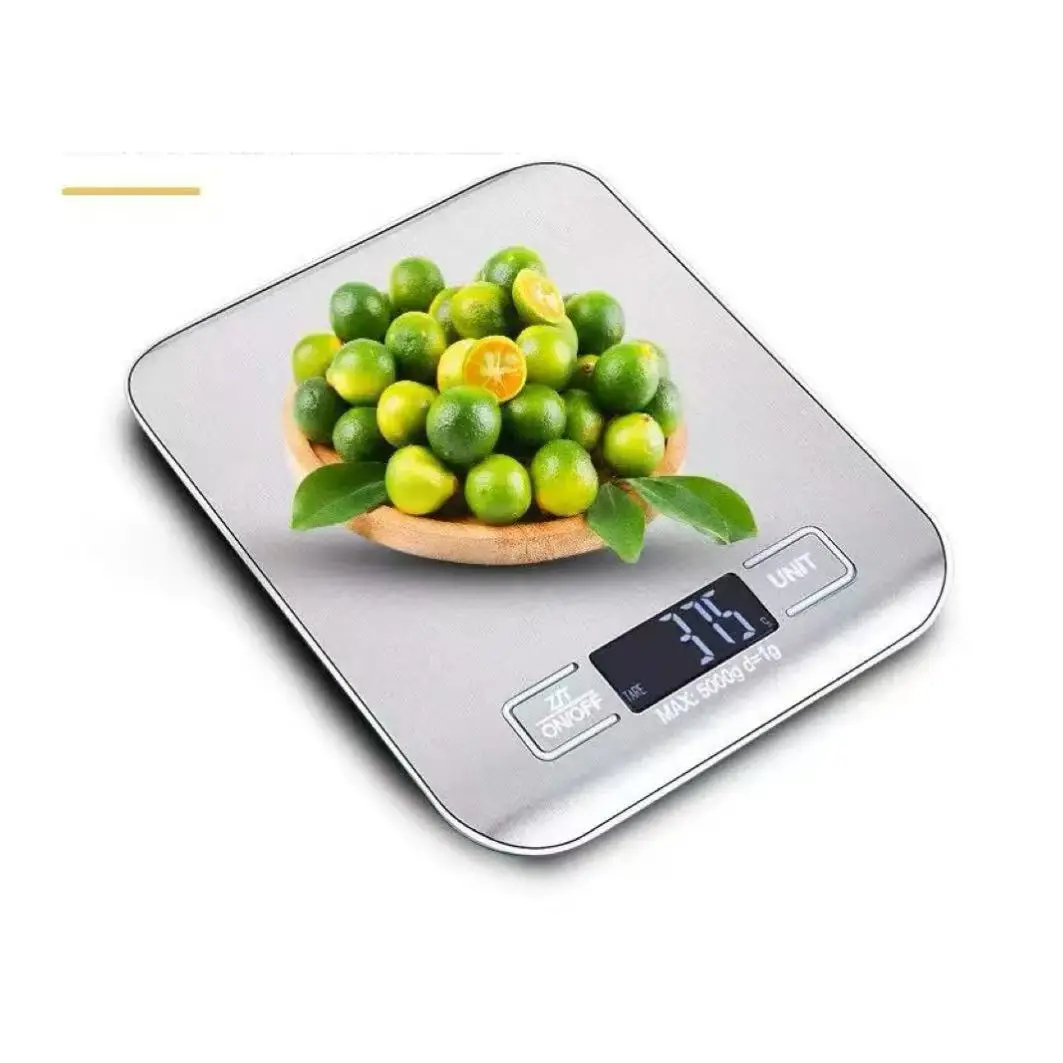


Browse kitchen and portion tools on Amazon
Food scales, portion containers and measuring sets, as an Amazon category search. We have not tested individual products.


