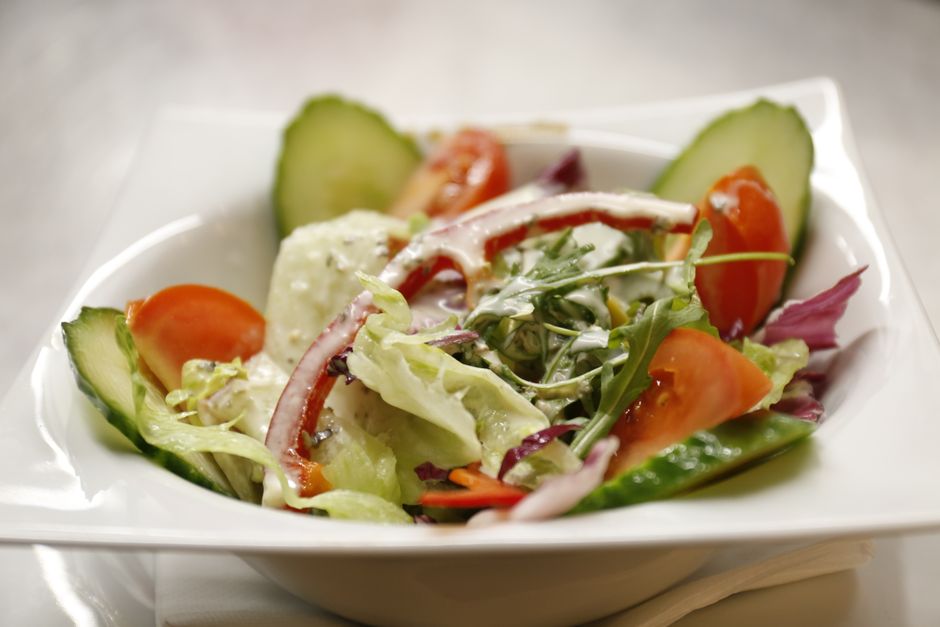
The Metabolic Advantage of Eating More to Burn More
Conventional weight-loss advice often emphasizes eating less to burn fat, but a counterintuitive strategy suggests eating more strategically to enhance fat loss. The key lies in selecting foods that amplify thermogenesis, regulate appetite, and support metabolic flexibility. This approach shifts the focus from calorie restriction to nutrient density and metabolic efficiency.
Metabolic flexibility, the body’s ability to switch between burning carbohydrates and fats for fuel, plays a central role in sustainable fat loss. When this system functions optimally, the body becomes more efficient at utilizing stored fat, even during periods of lower energy intake. However, many diets inadvertently impair this process by prioritizing quick fixes over long-term metabolic health.
How Protein and Fiber Drive Fat Loss
Two macronutrients stand out for their ability to enhance fat loss: protein and fiber. High-protein diets increase thermogenesis, the energy required to digest, absorb, and process nutrients, by up to 20-30% compared to fats or carbohydrates. This effect, known as the thermic effect of food (TEF), means the body expends more calories digesting protein than it does processing other macronutrients.
Protein also stabilizes blood sugar and reduces cravings by modulating hunger hormones like ghrelin. Higher protein intake consistently lowers appetite and supports fat loss, particularly when combined with resistance training (Harvard T.H. Chan School of Public Health). For most adults, aiming for 1.2 to 2.2 grams of protein per kilogram of body weight daily provides optimal benefits without overburdening the kidneys.
Fiber, especially soluble fiber, slows gastric emptying and promotes satiety by forming a viscous gel in the gut. This process enhances the release of satiety hormones like GLP-1 and peptide YY, which curb overeating. Increasing fiber intake by 14 grams per day can reduce calorie intake by up to 10% without conscious effort (Mayo Clinic, 2023).
The Role of Healthy Fats in Metabolic Flexibility
Dietary fat is often misunderstood in the context of fat loss. While excessive intake of refined fats can hinder progress, high-quality fats, such as those found in avocados, nuts, seeds, and fatty fish, support metabolic health. These fats provide essential fatty acids that improve insulin sensitivity and reduce inflammation, both critical for efficient fat oxidation.
Omega-3 fatty acids, in particular, enhance the function of mitochondria, the cell’s energy powerhouses, thereby increasing fat metabolism. Omega-3s may reduce body fat by up to 1.5 kg over 6-12 weeks when combined with a calorie-controlled diet. Including sources like salmon, walnuts, and flaxseeds in meals can therefore support fat loss while maintaining energy levels.
Myth: All Calories Are Equal for Fat Loss
A persistent myth in nutrition is that a calorie is a calorie, regardless of its source. However, the thermic effect of food and the metabolic pathways activated by different macronutrients reveal significant differences. For example, 100 calories from protein require more energy to process than 100 calories from sugar, leading to a net reduction in available energy.
Additionally, protein and fiber-rich foods trigger greater satiety, reducing the likelihood of overeating later in the day. On a high-protein diet people lost more fat while preserving lean mass, despite consuming similar calories. This underscores the importance of food quality over quantity in fat loss strategies.
Practical 7-Day Action Plan for Fat Loss
This plan prioritizes metabolic flexibility, appetite regulation, and sustainable energy. Adjust portion sizes based on individual needs, activity levels, and hunger cues.
Daily Guidelines
- Protein: 1.2 to 2.2 g/kg body weight (e.g., 80–150 g for a 70 kg adult). Distribute evenly across meals.
- Fiber: 25–40 g/day from whole foods like vegetables, legumes, and whole grains.
- Healthy fats: 20–35% of total calories, emphasizing omega-3 sources.
- Hydration: 2–3 liters of water daily, adjusted for activity and climate.
- Strength training: 3–4 sessions per week to preserve lean mass.
Sample Meal Plan
| Day | Breakfast | Lunch | Dinner | Snacks |
|---|---|---|---|---|
| Monday | Greek yogurt with chia seeds, berries, and almonds | Grilled chicken salad with quinoa, avocado, and olive oil dressing | Baked salmon with roasted Brussels sprouts and sweet potato | Hard-boiled eggs, hummus with carrot sticks |
| Tuesday | Scrambled eggs with spinach, mushrooms, and whole-grain toast | Turkey and black bean chili with a side of brown rice | Grilled shrimp with zucchini noodles and pesto | Cottage cheese with flaxseeds, apple slices |
| Wednesday | Oatmeal with walnuts, cinnamon, and a scoop of protein powder | Lentil soup with a side of whole-grain bread and tahini | Grilled chicken with roasted cauliflower and wild rice | Greek yogurt with pumpkin seeds, pear |
| Thursday | Smoothie with spinach, protein powder, almond butter, and flaxseeds | Quinoa bowl with roasted chickpeas, cucumber, and tahini dressing | Baked cod with asparagus and mashed cauliflower | Handful of almonds, celery with peanut butter |
| Friday | Cottage cheese with sliced peaches and hemp seeds | Grilled steak with arugula salad and roasted beets | Turkey meatballs with spaghetti squash and marinara | Edamame with sea salt, orange slices |
| Saturday | Chia pudding with coconut milk, blueberries, and walnuts | Grilled salmon with farro salad and steamed broccoli | Baked chicken thighs with roasted sweet potatoes and green beans | Roasted chickpeas, pear |
| Sunday | Scrambled tofu with turmeric, spinach, and whole-grain toast | Black bean and sweet potato tacos with avocado | Grilled pork tenderloin with roasted Brussels sprouts and wild rice | Greek yogurt with almonds, berries |
Troubleshooting Protocol
If fat loss stalls after 2–3 weeks, follow this step-by-step approach:
- Reassess portions: Weigh or measure food for 3 days to ensure accuracy.
- Check protein intake: Ensure you’re meeting the 1.2–2.2 g/kg target.
- Increase fiber gradually: Add 5 g/day every 3–4 days to avoid digestive discomfort.
- Prioritize strength training: If sessions are inconsistent, add 1–2 weekly sessions.
- Monitor sleep and stress: Aim for 7–9 hours of sleep and reduce sources of chronic stress.
- Adjust calories if necessary: Reduce total intake by 100–200 kcal/day if progress stalls after 4 weeks.
Recommended Health & Fitness Gear



FAQs: Clarifying Common Questions
Does eating more really help burn fat?
Yes, when the foods consumed enhance thermogenesis and satiety. High-protein and high-fiber diets increase energy expenditure and reduce appetite, creating a favorable environment for fat loss.
Can I lose fat without tracking calories?
For some individuals, focusing on food quality and hunger cues is sufficient. However, those with metabolic resistance or specific goals may benefit from tracking for a limited period to identify patterns.
How does stress affect fat loss?
Chronic stress elevates cortisol, which can increase appetite and cravings for high-calorie foods. It may also disrupt sleep, further hindering fat loss. Managing stress through mindfulness, sleep hygiene, and physical activity is essential.
Is it safe to eat more protein on a fat-loss diet?
For healthy individuals, protein intake up to 2.2 g/kg is generally safe and supports fat loss by preserving lean mass. Those with kidney disease should consult a healthcare provider before increasing protein intake.
Worth Remembering
- Prioritize protein: Aim for 1.2–2.2 g/kg daily to enhance thermogenesis and satiety.
- Maximize fiber: Include 25–40 g/day from whole foods to regulate appetite and digestion.
- Choose healthy fats: Focus on omega-3-rich sources to support metabolic flexibility and reduce inflammation.
- Strength train regularly: Preserve lean mass to maintain metabolic rate during a deficit.
- Monitor progress: Adjust portions, activity, and stress management based on individual responses.
By shifting the focus from calorie restriction to metabolic efficiency, this approach offers a sustainable path to fat loss that aligns with human physiology. The science is clear: eating more of the right foods can indeed help you burn more.
Advertising disclosure: the links below are affiliate links. We may earn a commission if you use them, at no extra cost to you. This does not change the article's content, and it is not a medical recommendation.
Browse kitchen and portion tools on Amazon
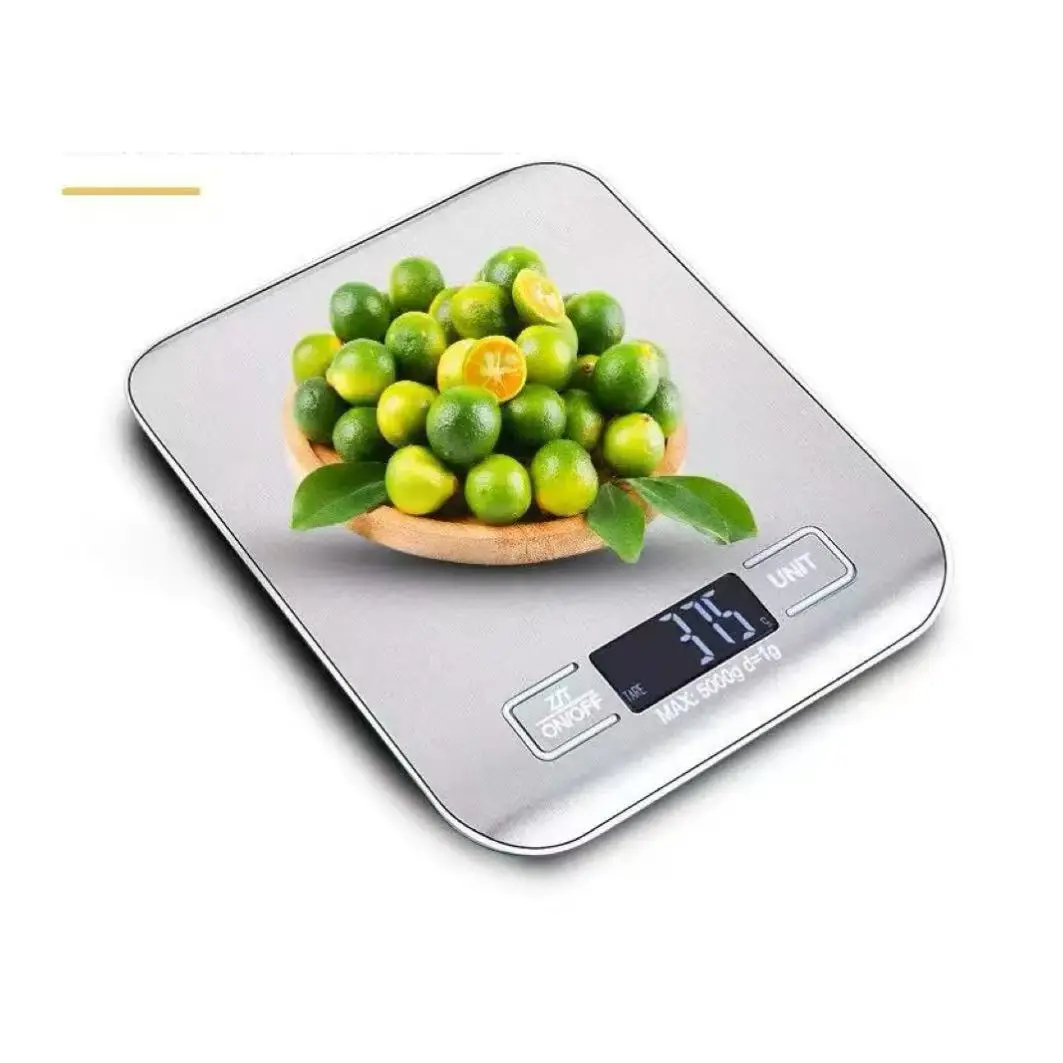
Food scales, portion containers and measuring sets, as an Amazon category search. We have not tested individual products.


